Philip Polkinghorne murder trial live updates: Pathologist takes stand, says Pauline Hanna had bruises, abrasions
WARNING: DISTRESSING CONTENT
A pathologist who examined the body Pauline Hanna after her death has told a court he observed bruises and abrasions on her body.
Hanna’s husband Philip Polkinghorne’s murder trial, is now in its third week in the High Court at Auckland and jurors continue to consider whether her death was a murder or a suicide.
Dr Kilak Kesha, of Auckland City Hospital, said he conducted an autopsy on Hanna’s body on April 6, 2021, the day after she was reported dead. Kesha said there was an abrasion on the bridge of her nose and on her back, and a cluster of bruising on the back of her right arm. She was also bleeding from the ear.
Kesha said he believed Hanna could have died on her back, based on blood pooling in her back.
There was a blood stain on her left-hand middle finger, shown in police photos, Kesha said, and there was no underlying injury to cause the blood on the finger.
Lividity, pooling of blood but not bruising, was observed on Hanna’s neck and Kesha told the court he believed it was caused by an object, most likely a belt, being applied on the neck after death.
Kesha told the court he kept the cause of death for Hanna “very vague” and recorded it as “neck compression”, to cover hangings, ligature strangulations, manual strangulations, self strangulation and auto-erotic asphyxia.
But defence lawyer Ron Mansfield KC, soon after starting his cross-examination, had the pathologist concede there was an equally likely possibility for the disappearing marks: that the belt had been used in her death before being removed soon after she died, within one or two hours.
STORY CONTINUES AFTER LIVEBLOG
Helen Van Berkel
Mansfield finishes his cross-examination, with questions about the defence's pathologist, whom the jury has not yet heard from.
In response to further questions from Brian Dickey, Sage says he does not agree with the defence pathologist's definitive conclusion that Hanna died by suicide by hanging.
It was hard to rule the cause in or out, he says.
Sage's evidence winds up today's court session.
The trial will resume at 10am tomorrow with another new witness.
The jury has not been told who it will be.
The Herald live blog will return in the morning.
Helen Van Berkel
Sage's phone goes off. His ringtone is the sound of crickets. Mansfield resumes.
Helen Van Berkel
Mansfield: The injuries found through the course of the autopsy could occur in a partial-suspension hanging?
Sage, after another hesitation: The extraneous injuries could be associated with a suicide by hanging, or they could be associated with an assault.
Justice Lang asks Mansfield to specify which of the several sets of injuries he's talking about.
Helen Van Berkel
Mansfield: The injuries reported were not specific and it would not be scientific to draw conclusions from them?
Sage, after a hesitation: Yes, they should not be used to rule in or rule out theories.
There's no indication the injuries were caused at the same time of her death, Sage says, but neither could he exclude that they happened at the time of death.
Helen Van Berkel
Mansfield asks if Sage saw Polkinghorne's video interview, when he told police a 111 call-taker had told him to cut down his wife.
No, says Sage.
Did he hear Polkinghorne's explanation for how he dealt with the rope after discovering his wife? (Polkinghorne said he loosened and removed the rope because it looked "hideous" hanging above his dead wife in the corridor).
No, and not listening to the interview was deliberate, says Sage, so his evidence wasn't contaminated.
Helen Van Berkel
Would Sage accept, asks Mansfield, that if the belt was removed from Hanna's neck up to two hours after death, the mark might disappear, just as it did?
Yes, that's possible, says Sage.
Mansfield again makes the point that no one recorded the length, width or angle of the ligature mark before it disappeared.
Helen Van Berkel
Sage says he had never seen a ligature mark appearing and disappearing in the way seen in this case, though he had read about it.
There were two explanations: it had been applied after death, and for some time, so as to leave that indentation, or the belt had been used as a ligature then removed one or two hours after death, Sage says.
Helen Van Berkel
Mansfield: In relation to the injuries we had heard of other than the ligature mark itself, you're of the view those external, minor blunt-force injuries are non-specific and unhelpful?
Sage: Yes.
Sage further agrees the timing of each injury, including if they were suffered pre- or post-mortem, is unclear, which was unfortunate.
Helen Van Berkel
Ron Mansfield KC cross examines Dr Martin Sage, referring to correspondence he says shows Sage "deterring the need for an independent review" of Dr Kilak Kesha's work, and asks if he's usually not in favour of such reviews.
Sage appears unclear on that so Mansfield hands him the correspondence.
"I don't say that at all," the pathologist says.
Sage says his point was not that no reviews should ever be conducted, it was about differences in other jurisdictions.
But he agrees he said there was no need to do a second autopsy.
Helen Van Berkel
"At first pass, this looks like a suicide with an incomplete suspension," Sage says. "The bit that bothers me most is the assembly at which she apparently suspended herself doesn't look like it's capable of doing that."
He "can't say" exactly what killed Hanna, he says.
Helen Van Berkel
Dickey asks about the passing of urine after death.
Sage says it was "common but not compulsory".
Mansfield has mentioned urine was found only on the lower part of Hanna's dressing gown, indicating she had died sitting in a chair, but Sage says nothing prevented urine escaping from her bladder after she died, when she was laid down on the tiles.
Urine can be discharged when bodies are moved, including in the mortuary, he tells the court.
Helen Van Berkel
As to how Hanna's body might have been moved, Sage said she could have been lifted in a fireman's hold, as she's not a heavy woman. A mark on her left hand could indicate that as part of a "translocation" of the body.
Helen Van Berkel
The lividity of Hanna's body did not specifically suggest the use of a chair, Sage continues.
The defence says she died in a chair after a partial-suspension hanging.
Helen Van Berkel
Sage agrees with Kesha that Hanna's injuries did not indicate assault, but that that did not mean they could not have been caused by an assault.
"Positive findings are very useful, but negative findings don't exclude anything."
Helen Van Berkel
Sage said some stories about serial killers in the US claim they have found a method of strangling without leaving marks.
"There's a general principle in killings that people often use more force than is necessary to achieve their ends," Sage adds.
Helen Van Berkel
Mansfield objects to the witness "straying outside his area of expertise" by discussing how the belt may have been secured to the rope.
Sage tells Justice Lang it is included in his written brief of evidence and Dickey resumes his questions.
Sage says the operative question is how the force was applied to the ligature, and from what he could see, the rope set-up would be unable to generate the force required. But if it was configured differently from how it was in the photos, it could have, he adds.
Helen Van Berkel
Dickey asks about the possibilities for how Hanna died, including partial or full suspension suicide by hanging, manual strangulation, ligature strangulation or choke holds.
Sage replies that in full suspensions you'd usually see a strong mark and other injuries to the neck. But in partial-suspension hangings, there are often no "asphyxial signs".
Helen Van Berkel
Prosecutor Brian Dickey asks Sage about the light grazes and bruises Kesha reported: Do any indicate an assault?
Not by themselves, Sage says.
As for the bruises on Hanna's arm, which Mansfield said could have been caused by Hanna being steadied or balanced by a personal trainer, Sage says Hanna showed no special propensity to bruise.
You'd have to grab her quite hard to cause that bruising, Sage says.
The injuries Hanna had suffered could have happened during a homicide.
Helen Van Berkel
Sage mentions a martial arts hold that cuts off the veins and arteries carrying blood to and from the head. That can cause unconsciousness very quickly, Sage says, and he had seen it done.
"It's certain that you can kill people without any injuries whatsoever," Sage says of the hold.
Helen Van Berkel
Crown prosecutor Brian Dickey asked if the belt might not have been involved at all in the cause of death.
Sage said yes, if the mark was caused by the belt being applied post-mortem, then something else might have been used to strangle her.
Helen Van Berkel
Sage says the fact the mark was just an "artefact", in prosecutor Brian Dickey's words, by the time of the autopsy, does not reveal much. But it was not common, Sage says.
He says he could not determine if the belt was applied at the time of Hanna's death, but that other evidence, including haemorrhages, were consistent with significant neck compression.
Helen Van Berkel
That sort of choke hold or manual or ligature strangulation were all possible causes of death, but speculating which was more likely was "very dangerous", Sage says.
Helen Van Berkel
Sage says pathology referred to a "witness injury", because it was possible to tell what caused it. They were rare, he says, but the mark on Hanna's neck in the photos was a witness injury, because the braided pattern showed the belt was used.
At the time of the autopsy, there was a "remnant mark" rather than the clear braided mark apparent on April 5.
It's common to see this sort of thing when someone had hanged themselves, then been rescued and ventilated, but who later dies when the scale of their brain injury becomes apparent, Sage says.
"Often you can't really see a good defined ligature mark."
Helen Van Berkel
Sage was asked why an impression of a woven belt disappeared from Hanna's neck before her autopsy, which took place the day after she was reported dead.
Referring the lawyers and jury to a photo showing a clear braided imprint mark on the left side of Hanna's neck, taken on April 5, Sage says: "It's clear from that that there must be more than one turn of the belt around the neck".
When the photo was taken, Hanna was lying on the tiles in the entranceway of her home.
Sage said he observed a lot of bright orange rope in photos of the scene but it definitely did not cause the ligature mark on Hanna's neck.
Helen Van Berkel
Sage said he did not do an overall review of the Polkinghorne case, but in responding to focused questions on it, he had looked at the work of Dr Kilak Kesha, from whom the jury heard earlier, including details from his autopsy report.
Pathologist takes stand after the break
Helen Van Berkel
Court is resuming and the jury is back in to hear from a new witness. The Crown has called another pathologist, Dr Martin Sage.
Sage tells the court he is a part-time consultant forensic pathologist, working out of Christchurch Hospital.
He has done more than 10,000 autopsies for coroners, he said.
"I stopped counting a couple of years ago."
He started doing homicide cases in 1989.
Sage says the proportion of suicides including hangings has increased in recent years and is now above 25% of his work.
He says he's looked at about 800 hanging cases, including two last week.
Helen Van Berkel
The court will resume about 3.30pm with a new witness. The jury has not been told who.
Helen Van Berkel
What if the choker hold was by surprise? asks the prosecutor.
There would be fewer injuries in that case, says Kesha.
Dickey has no further questions and Kesha is free to go.
The court is taking an early break.
Helen Van Berkel
Kesha says Hanna's protruding tongue was a common sign of a hanging, but was often also seen in strangulations, if the larynx is pushed up.
"There's no indication on her that there was a violent attack," Kesha says.
Helen Van Berkel
You don't always see vocal cord or hyoid bone injuries after a manual strangulation, says Kesha, nor does it always cause bruising under the neck.
(Hanna had none of these injuries).
In fact, manual strangulations can leave little to no injuries, Kesha tells Dickey.
Could the abrasion on Hanna's back have been caused by her being dragged? asks Dickey.
No, the pathologist says; it was not the usual sort of scrape mark for that.
Dickey asked if she could have been dragged in a duvet, but Kesha suggested the injuries were not really consistent with that either.
Helen Van Berkel
But is there anything about them you can link to partial hanging? asks Dickey.
No, says Kesha.
Do you need to be an expert, like an SAS soldier or a cop to do a choker hold? asks Dickey.
Keska reckons he could do it, as he's read about it.
"It's very effective but keep in mind, police don't use it to kill people, they use it to make people unconscious."
For a choker hold to kill someone, you need to apply it for "minutes", says Kesha.
Helen Van Berkel
"There's nothing special about them, there's no pattern marks on them that can tell me that."
Helen Van Berkel
"None of the injuries I saw were consistent with an assault," Kesha says, but adds they still could have occurred during an assault. "I don't know how these injuries occurred."
Helen Van Berkel
Crown prosecutor Brian Dickey's questions yield a summary of Kesha's inconclusive findings from the pathologist himself: "All we know is that there was a neck compression. How it was applied, I can't say."
Helen Van Berkel
Kesha again says the defence theory of death by partial-suspension hanging is one possible cause of her death.
What about a choker hold, asks Mansfield. Would whomever is applying it need to know what he was doing?
Yes, replies Kesha.
Mansfield said other cases of a choker hold killing people have involved police officers trained in previous years using a now-discontinued method.
It does not leave much of an injury, Kesha agrees, but nor is there any evidence to support death by that mechanism.
Mansfield, finishing his cross-examination, once again has the pathologist saying it was significant that none of the usual injuries associated with a manual strangulation were present with Hanna's death.
The defence lawyer finishes his comprehensive cross-examination of the pathologist.
Helen Van Berkel
Mansfield said the defence pathologist found evidence via post-mortem lividity, or the reddening of skin after death because of blood pooling, that Hanna was seated for some time after death.
Kesha said that lividity can change if a body is moved within 10 hours. After that, it is fixed.
Helen Van Berkel
Kesha agrees that when people die, they lose control of their bladder, and he confirmed there was no evidence of urine anywhere upstairs or in the bedroom.
Urine was seen on the dressing gown, from the waist down, Mansfield says.
Kesha confirms that was where you would expect to see it if someone died in a seated position, which is how the defence says Hanna was positioned when she died.
Helen Van Berkel
Mansfield asks if the bruises on Hanna's arm, which Kesha said were inconclusive, and other wounds, could have occurred when setting up a mechanism for the hanging, or by tripping over before she killed herself. Kesha agreed they could be.
Helen Van Berkel
Kesha also would have expected there to be drag marks on the floor, if Hanna was killed in another area of the house and then moved.
The Crown has repeatedly raised the disarray of the guest bedroom as evidence of a struggle. Hanna was found near the front door, in a corridor beneath a stairwell balustrade to which the orange rope was affixed.
There were also no marks on her body suggesting she had been dragged, Kesha agrees.
Helen Van Berkel
The pathologist again agrees the usual injuries from a manual strangulation were also not apparent. Such injuries include lasting bruising on the neck and internal injuries such as a strapped muscle haemorrhage the jury heard about earlier.
Helen Van Berkel
Kesha agrees he did not find the usual injuries to indicate a ligature was applied to Hanna's neck with force by an external assailant.
Helen Van Berkel
Nor was there any suggestion Hanna was incapacitated such that she should not fight or struggle, he agrees.
Helen Van Berkel
Mansfield has said Hanna died in a partial-strangulation hanging.
Pathologists often look for fingernail marks in manual strangulations – where someone strangles another with their hands – Kesha agrees.
Scratch marks are often seen because the victim fights back, trying to get the pressure off their necks, he agrees.
If Hanna was strangled, Mansfield asks, might you expect to see scratch marks on the face? Or evidence of punching or kicking that could cause bruising on the assailant's body?
Kesha agrees again.
Neither Hanna nor Polkinghorne had any such injuries. All Hanna had was "minor and non-specific" injuries such as grazes and some bruises on her arm, Kesha agrees.
Helen Van Berkel
Hanging is a common method of suicide for both men and women in New Zealand, pathologist Kilak Kesha said during this part of the cross-examination.
Helen Van Berkel
While this part of the cross-examination continues, it is worth noting that it emerged earlier that the Crown has consulted another pathologist, though his findings are not yet clear to the jury and they have not heard if he will be called.
Ron Mansfield KC also revealed the defence has its own pathologist, who presumably will be called after Mansfield begins calling his witnesses. That defence pathologist concluded Hanna died by an incomplete or partial hanging, Mansfield said. The only other expert defence witness he has foreshadowed so far is someone who will speak about the power use at the Polkinghorne home before Hanna died.
Helen Van Berkel
Mansfield is still questioning the pathologist on the details of a death by hanging.
Helen Van Berkel
About 50 people are in the public gallery, including several relatives of Hanna.
Helen Van Berkel
To summarise: Kesha is agreeing the method used when, according to the defence, Hanna killed herself, could have plausibly left the partial mark on her neck that the pathologist saw when he visited her home on April 5, but which had disappeared the day after, when he did his autopsy.
Helen Van Berkel
As the trial resumes after lunch, defence lawyer Ron Mansfield KC is continuing to cross-examine pathologist Dr Kilak Kesha on the details of what the defence says was the method by which Hanna hanged herself.
The judge and defence counsel have urged caution and discretion with reporting these details and the Herald has chosen not to print much of what is being said in this portion of the cross-examination.
Pathologist admits lack of clarity on exact cause of death
Vera Alves
Defence lawyer Ron Mansfield spent the period before the lunch adjournment skilfully dismantling what at first seemed to be fairly damning evidence from forensic pathologist Dr Kilak Kesha, who conducted the autopsy on Pauline Hanna’s body the day after she was reported dead.
Kesha earlier told Crown prosecutor Brian Dickey the fact that the belt marks on her neck had disappeared between his visit to their Upland Rd home on April 5 and his pathology the following day indicated the belt was likely placed in contact with her neck after her death.
That was because the marks would have been from lividity, i.e. the result of pooled blood post-mortem, not bruises made before her death.
But Mansfield, soon after starting his cross-examination, had the pathologist concede there was an equally likely possibility for the disappearing marks: that the belt had been used in her death before being removed soon after she died, within one or two hours.
Polkinghorne was told by a 111 call-taker to loosen the noose and later said he loosened the knot further because the rope looked “hideous” hanging over his wife.
Other comments or concessions from Kesha to the defence lawyer included:
- His finding of “neck compression” as the cause of death did not prefer any of the possible causes of the compression, such as manual or ligature strangulation, or partial- or full-suspension hanging. "I cannot rule out one over the other," said Kesha, referring to the possible mechanisms, suicide or intentional strangulation, of the neck compression.
- Kesha had said during his evidence-in-chief that the horizontal direction of the disappearing belt marks indicated a point of suspension or pressure directly behind Hanna, not above her, as would be the case with the orange rope connected to the balustrade. But he told Mansfield he didn’t record, measure or take notes of the shape, length or direction of the marks at the scene before they disappeared in time for his autopsy.
- Kesha said Hanna lacked the “strapped muscle haemorrhages” - injuries to the neck muscles – common in manual strangulations, when someone strangles another using their hands.
- The minor abrasions and bruises were nowhere near the level or extent the pathologist would expect for someone who was strangled, given the propensity of strangulation victims to fight back.
- Bruises on her right arm, which he earlier said were consistent with being grabbed, were difficult to age, and could have been caused, Kesha agreed, by Hanna being steadied by a personal trainer at the gym. The trial heard earlier she had a personal training session in the days before her death.
- The defence’s pathologist, Mansfield revealed, concluded Hanna had died by partial suspension hanging. Kesha then said he communicated with the defence pathologist afterwards, saying he didn't disagree, but felt he could not rule out the possibility of a fatal assault, albeit one which left no real injuries of the extent that would be expected.
Trial adjourns for lunch
Vera Alves
Justice Graham Lang has called an early lunch.
Forensic pathologist Dr Kilak Kesha will return to the witness box after lunch to continue to be cross-examined by defence lawyer Ron Mansfield.
Defence continues cross-examination of forensic pathologist
Vera Alves
CONTENT WARNING: This section contains detailed autopsy evidence that readers may find disturbing.
Defence lawyer Mansfield is asking about strapped muscle haemorrhage, neck injuries common in manual strangulations.
Forensic pathologist Dr Kilak Kesha says there were no such injuries on Hanna's neck.
He agrees the lack of these strapped muscle haemorrhages is significant. And that they are not common in suicides by hanging.
If it's hands round the neck, that kind of application, you'd expect to find it? asks Mansfield.
Kesha: It's more common, yes.
Mansfield: The literature says it's an expectation you would find it, would you agree with that?
Kesha: Yes.
Mansfield: And it involves additional injuries to the face and neck?
Kesha: Correct.
Mansfield: And those face and neck injuries aren't present here?
Kesha: That's correct.
Mansfield is on to incomplete or partial hangings, which is how the defence says Hanna died by suicide.
Kesha says he doesn't know the data on that sort of hangings. He agrees that the absence of a strapped muscle haemorrhage and defensive or facial injuries are facts that should be considered.
Do they make it more likely it was suicide by hanging than a fatal assault? asks Mansfield.
"I don't know," Kesha says.
If Hanna wasn't impaired, then he agrees the lack of wounds add weight to the suicide theory.
Mansfield has the witness then concede there's no evidence she was incapacitated.
Mansfield will now traverse the specific injuries recorded in Kesha's autopsy report.
Congestion to face, that's a non specific finding, common to dying? he asks.
Yes, Kesha says.
And congestion to the face is also expected in a suicide by hanging? Mansfield asks.
Yes, Kesha says.
Mansfield: Blood on the ear is not an injury, is it?
Kesha: Not direct trauma, no.
Mansfield: So it's what you might expect as a consequence of suicide by hanging?
Kesha: Yes.
Mansfield: The upper right eyelid, the high density collection of pinpoint haemorrhages, they're not an injury that tells us there was an assault?
That's correct, Kesha says, further conceding it also can be a result of suicide by hanging.
The abrasions on the nose, could they be caused by her being moved one to two hours after death?
No, says Kesha. She was alive when it occurred.
You can't tell us long prior to death it might have been caused? Mansfield asks?
No, Kesha says. The abrasions to her nose were "very minor, superficial".
He agrees it's a very minor, non-specific injury.
On to the abrasion on the left side of the lip. Kesha said he later realised that was an "autopsy artefact" made by his forceps.
Mansfield said that fact only emerged after Kesha's findings were examined by another pathologist.
Another abrasion, and again no underlying bruising, Kesha admits.
Then the cluster of contusions, bruises, on the back of the right arm.
"We can't age these?"
"No."
The colour was purple, not yellow, meaning they were relatively recent but possibly within three days, he said.
Kesha agrees those injuries could have been caused by a trainer steadying her at the gym, or someone steadying Hanna as she stood on an ottoman.
Kesha says he can't recall seeing the report of the other pathologist consulting by the Crown. But he does remember hearing from the defence's pathologist.
Kesha says he disagreed with the defence pathologist's final conclusion which said there was no evidence of a physical assault leading to her death by manual or ligature strangulation.
The defence pathologist, Mansfield said, found Hanna died by suicide by partial suspension hanging.
Pathologist said he could not rule out the possibility of a fatal assault
Vera Alves
Forensic pathologist Dr Kilak Kesha says he communicated with the defence pathologist afterwards, saying he didn't disagree, but felt he could not rule out the possibility of a fatal assault, albeit one which left no real injuries of the extent that would be expected.
Defence continues cross-examination of forensic pathologist
Vera Alves
CONTENT WARNING: This section contains detailed autopsy evidence that readers may find disturbing.
Defence lawyer Mansfield is asking about strapped muscle haemorrhage, neck injuries common in manual strangulations.
Forensic pathologist Dr Kilak Kesha said there were no such injuries on Hanna's neck.
He agrees the lack of these strapped muscle haemorrhages is significant. And that they are not common in suicides by hanging.
If it's hands around the neck, that kind of application, you'd expect to find it? asks Mansfield.
It's more common, yes, says Kesha.
The literature says it's an expectation you would find it, would you agree with that? asks Mansfield.
Yes, says Kesha.
And it involves additional injuries to the face and neck? asks Mansfield.
Correct, says Kesha.
And those face and neck injuries aren't present here? asks Mansfield.
That's correct, says Kesha.
Mansfield is on to incomplete or partial hangings, which is how the defence says Hanna died by suicide.
Kesha says he doesn't know the data on that sort of hangings.
He agrees that the absence of a strapped muscle haemorrhage and defensive or facial injuries are facts that should be considered.
Do they make it more likely it was suicide by hanging than a fatal assault? asks Mansfield.
"I don't know," Kesha says.
If Hanna wasn't impaired, then he agrees the lack of wounds add weight to the suicide theory.
Mansfield has the witness then concede there's no evidence she was incapacitated.
Mansfield will now traverse the specific injuries recorded in Kesha's autopsy report.
Congestion to the face, that's a non-specific finding, common to dying? the lawyer asks.
Yes, Kesha replies.
Mansfield: And congestion to the face is also expected in a suicide by hanging.
Kesha: Yes.
Mansfield: Blood on the ear is not an injury, is it?
Kesha: Not direct trauma, no.
Mansfield: So it's what you might expect as a consequence of suicide by hanging?
Kesha: Yes.
Mansfield: The upper right eyelid, the high density collection of pinpoint haemorrhages, they're not an injury that tells us there was an assault?
That's correct, Kesha said, further conceding it also can be a result of suicide by hanging.
The abrasions on the nose, could they be caused by her being moved one to two hours after death? Mansfield asks.
No, said Kesha. She was alive when it occurred.
You can't tell us long prior to death it might have been caused? Mansfield asks.
No, Kesha says. The abrasions to her nose were "very minor, superficial".
He agrees it's a very minor, non-specific injury.
On to the abrasion on the left side of the lip. Kesha said he later realised that was an "autopsy artefact" made by his forceps.
Mansfield said that fact only emerged after Kesha's findings were examined by another pathologist.
Another abrasion, and again no underlying bruising, Kesha admits.
Then the cluster of contusions, bruises, on the back of the right arm.
"We can't age these?" Mansfield asks.
"No," replies Kesha.
The colour was purple, not yellow, meaning they were relatively recent but possibly within three days, he said.
Kesha agrees those injuries could have been caused by a trainer steadying her at the gym, or someone steadying Hanna as she stood on an ottoman.
Kesha says he can't recall seeing the report of the other pathologist consulted by the Crown. But he does remember hearing from the defence's pathologist.
Kesha says he disagreed with the defence pathologist's final conclusion, which said there was no evidence of a physical assault leading to her death by manual or ligature strangulation.
The defence pathologist, Mansfield said, found Hanna died by suicide by partial suspension hanging.
Absence of defensive injuries 'significant', pathologist tells lawyer
Vera Alves
Defence lawyer Ron Mansfield asks: There may have been a ligature right around her neck that may have left a ligature mark, and it was already disappearing by the time you arrived at the scene?
Correct, said forensic pathologist Dr Kilak Kesha.
He agrees it may be explained by how her body was seated and how it was leaning on one side.
"That might explain that the extra weight left a more visible mark?"
"Yes."
If the mark was significant, wouldn't you have put it in your report or formal written statement, or have raised it otherwise? When did you first raise it? asks Mansfield.
On the day of the autopsy, Kesha says.
Even if you did raise it, it didn't impact on your conclusion? asks Mansfield.
That's correct, Kesha says.
He agrees the disappearing belt impression and its length and angle did not affect his final conclusion.
Kesha again agrees he can't say definitively which of the following caused her death: hanging, ligature strangulation or manual strangulation.
On to Zopiclone, the sleeping pills found at a high level in Hanna's blood, despite her not having a prescription.
It was found in a hair sample taken by Kesha and sent to a lab in Australia, but Kesha says he's not aware of that.
A toxicologist earlier told the court that the hair sample covered a period of six months of growth and Zopiclone was the only drug found in the hair.
Kesha agrees the hair test showed she had been taking Zopiclone for some time and had likely developed a tolerance, meaning her high blood levels of the drug may have indicated what could have been, by then, a normal dose for Hanna.
At any rate, the level in her blood was not lethal for anyone, Kesha agrees.
So you concluded, asks Mansfield, that she was capable of taking her own life via suicide by hanging?
That's one of the possibilities, Kesha said.
He further agrees the lack of injuries besides a few grazes increases the likelihood of suicide by hanging, because people who are strangled usually struggle violently.
Mansfield is now hammering Kesha on the fact he didn't include anything about the Zopiclone in his formal written statement for trial.
It's in my autopsy report, says Kesha.
Kesha is now becoming defensive and flustered as Mansfield hammers him on omissions from his formal written statement.
"I don't know what's relevant and what's not to the case. I answer the questions given to me," Kesha says.
"Shall we go back to where we started?" asks Mansfield.
"Everything that you found through your autopsy... was entirely consistent with suicide by hanging, namely an incomplete or partial hanging?" he asks.
"It can be, yes," Kesha replies.
The absence of the injuries usually associated with violent strangulations by another party could only be explained if the assailant was professionally trained in choker holds, like a member of the SAS? asks Mansfield.
That's possible, says Kesha, who earlier said he would usually expect to see more injuries on a strangulation victim who had fought back.
Mansfield: So even if the choker hold was applied, there's no injury on either Hanna or Polkinghorne consistent with any form of resistance?
That's correct, Kesha replies.
He said earlier the absence of these injuries was significant.
He said the same thing to police, that the absence of defensive injuries was significant.
Tensions rise during cross-examination of pathologist
Vera Alves
"Were you aware that the court ordered that for the purposes of your hearing your evidence be reviewed and any further evidence or report provided?" Defence lawyer Ron Mansfield asks.
"Yes," says forensic pathologist Dr Kilak Kesha.
And he had told the court that his autopsy report was all that he could provide. That report said the cause of death was "neck compression" and the pathologist did not seek to prefer one mechanism of neck compression over the other.
Do you know prefer one mechanism of death via neck compression over the other? asks Mansfield.
No I still don't, said Kesha.
Mansfield is asking about a briefing following the autopsy on April 6 where he spoke to several police officers, including the officer in charge, Detective Sergeant Chris Allan.
"Surely you would have told them then what you're telling us now, that what had been seen on your examination was entirely consistent with suicide by hanging, namely an incomplete or partial hanging?"
No I didn't say that, he said. He said he told police he did not prefer one mechanism of death over the other.
Kesha earlier said the mark on the neck was straight back, indicating a direction of pressure going straight back horizontally from Hanna's neck, rather than back and up, as would be expected if she hanged herself from the high balustrade railing above where she was found.
"Is that now based on a view of the photos that were taken on the 5th?"
"It's a view of what I saw at the scene," Kesha said.
Kesha, responding to questions, admits he did not refer to the length or direction of the mark on Hanna's neck.
"That's not standard practice," the pathologist said.
He eventually admits he did not take notes at the scene.
Kesha said the significance of the marks on the neck and their direction, before they disappeared, was not lost on him.
Why did you not then report on it in your autopsy report, asks Mansfield, is it "because you didn't consider it all all significant?"
"That's incorrect."
Kesha said: "It's the first time I've ever had one [a mark] disappear."
Mansfield is asking again and again, his voice raising to a crescendo, why Kesha did not include his comments today to the trial, about the significance of the direction of the neck marks, in his report produced following the autopsy.
"Why is it today, for the first time, you're telling us that the position of the belt impression might have some significance?"
Mansfield produces the report.
Why did he not record it, if it was in any way significant? he asks.
"I wasn't asked," Kesha says.
"If this was of significance, why did you not refer to it?" Mansfield asks.
"Well, I didn't refer to her toxicology, and I thought that was relevant too," Kesha replies.
In the report, he talks about seeing the belt impression, but does not talk about its direction and whether that was significant.
The prosecutors are murmuring.
"If you want to object, you can object," Mansfield says to them.
Kesha concedes the direction of the belt impression did not have an impact on his overall conclusion of "neck compression" as the cause of death, which did not rule out the possibility of suicide by hanging.
"Does it have any impact on your ultimate conclusion in your formal written statement?" Mansfield asks.
"Yes," Kesha replies.
"I cannot rule out one over the other," said Kesha, referring to the possible mechanisms, suicide or intentional, of the neck compression.
The pathologist is maintaining the direction of the marks are relevant, despite him having never recorded the direction in his report or statement.
Kesha said he did not measure the belt impression during his visit to the scene on April 5, before the marks disappeared from her neck.
He said it was a partial impression on one side of her neck.
"So where there is no belt impression, it might well have gone up, if it needed to?" Mansfield asks.
"That's correct," Kesha replies.
And the impressions could also have disappeared one to two hours following death, he concedes.
Were all those variables part of why he didn't include it in his report? asks Mansfield.
Yes, said Kesha.
Kesha is rejecting Mansfield's suggestion that the neck mark wasn't significant.
"If the ligature mark was on one side and not on the other side, then the obstruction of the vessels on that side was unlikely," he said.
Mansfield has pathologist concede belt could have been applied to neck before death
Vera Alves
Forensic pathologist Dr Kilak Kesha, who conducted the autopsy on Pauline Hanna's body, said the mark on the neck had all but disappeared by the time he did his autopsy on April 6.
Correct me if I'm wrong, I had understood you to initially say the belt impression may have been left on her neck, so not involved on her neck, but left there after death? asks defence lawyer Ron Mansfield during his cross-examination.
That's correct, said Kesha.
But there's an equal possibility that it was used in her death but removed maybe an hour or two after death?
Yes, that's possible said Kesha, but it would have to have been removed in less than two hours, he believes.
"Both possibilities are equal, aren't they?"
"Yes."
Mansfield asks about the lack of a belt impression: does it mean it was either placed on her neck after death, or that the belt was used in her death then removed less than two hours after she died?
Yes, said Kesha, agreeing both possibilities could be equally likely.
Incisive cross-examination here from Mansfield. The pathologist earlier told the jury the lack of marks on Hanna's neck the day after suggested the belt was applied to her neck after her death. But the lawyer has quickly had the pathologist concede the belt could have been used in her death, but then removed shortly after she died.
Remember: Mansfield has repeatedly said his client loosened the noose at the urging of a 111 call-taker, who told him to cut his wife loose from the rope-and-belt arrangement. Polkinghorne then told police he loosened the rope further because it looked "hideous" hanging over his wife.
Now, Mansfield has Kesha confirm his finding of "neck compression" left the door open to a range of possibilities, including manual strangulation and hanging.
Mansfield reveals defence has consulted own pathologist - from Australia
Vera Alves
Mansfield said three pathologists have been consulted on the death. Kesha said he doesn't know about that.
Another pathologist consulted by the Crown has spoken to him, Kesha concedes.
And do you know of an Australian professor's involvement, who was consulted by Polkinghorne's legal team? Mansfield asks.
Yes, Kesha says.
'The impression on the neck is inconsistent with a hanging', pathologist tells defence lawyer
Vera Alves
The jury of nine women and three men is back. Defence lawyer Ron Mansfield KC is on his feet to begin the cross-examination of forensic pathologist Dr Kilak Kesha.
Would I be right to say that following your autopsy, your findings were entirely consistent with suicide by hanging, namely an incomplete or partial hanging? asks Mansfield.
"No," said Kesha.
"It's consistent with several different mechanisms."
Is one of the mechanisms suicide by hanging? asks Mansfield.
"Yes," said Kesha.
Isn't it your position that if there was an assault – a manual strangulation – or the use of a soft ligature, you would expect other injuries to her which were not present? asks Mansfield.
"Yes, I'd expect more injuries," Kesha said.
So suicide by hanging is an entirely plausible explanation for her death? asks Mansfield.
"That's correct," the forensic pathologist said.
Kesha said he misspoke about something.
"The impression on the neck is inconsistent with a hanging."
What the jury has heard so far
Vera Alves
An explosive morning of evidence has ended in an early break. Here is a brief summary of what Dr Kilak Kesha told the court, before we resume at 11.30am for defence lawyer Ron Mansfield's cross-examination of the pathologist.
- Hanna had several minor injuries, including abrasions to her nose and back, and bruises on her arm indicating she may have been grabbed. But the extent of her injuries was nothing like in most strangulations, Kesha said, where people generally fight hard.
- The shape of marks on her neck strongly suggested they were made by the woven belt found by police at the scene, Kesha said, which Polkinghorne said was around his wife's neck then connected to an orange rope tied to the balustrade above. The marks were apparent on April 5, when police arrived at the home followed by Kesha, but had gone the next day when he conducted his autopsy. That indicated the marks were caused by lividity, where blood pools on the skin shortly after death, rather than pre-death bruising. In other words, an object was likely applied to her neck after death, he said.
- The shape of marks on her neck was also more consistent with a ligature applied from directly behind her, rather than one secured to a point above her, such as the balustrade where the orange rope was tied, Kesha said.
- That said, his final finding was that she had died via "neck compression", a broad finding that encompasses manual or ligature strangulations, hangings and auto-erotic asphyxiation.
Vera Alves
Defence lawyer Ron Mansfield was about to begin his cross-examination but Justice Graham Lang has deemed we will take the morning break early.
The public gallery is now as full as it as ever been during the trial, with dozens of people in court to hear Dr Kilak Kesha's evidence about his autopsy of Pauline Hanna.
'Most likely any ligature was removed shortly after death', pathologist says
Vera Alves
CONTENT WARNING: This section contains detailed autopsy evidence that readers may find disturbing.
Forensic pathologist Dr Kilak Kesha, who conducted the autopsy on Pauline Hanna's body, said it only takes 2kg of pressure to compress the neck veins and cause the injuries he earlier described. That was because the veins, which carry blood back to the heart, were blocked, the jury heard earlier. Blood was still coming in via the arteries, which are deeper, and require 30kg of pressure to block, he said.
How long does it take for death to occur? asks Crown solicitor Brian Dickey.
"It's a difficult topic to discuss... because we can't do clinical trials on humans," Kesha said.
However, he said it would take four minutes of blocked neck veins to cause death, but unconsciousness would occur within seconds.
Kesha said you would expect the marking in a hanging to go backwards and upwards.
The marking on Hanna's neck went directly back, indicating a ligature strangulation.
For a ligature strangulation, usually the point of suspension would be right behind the neck, not above it on the balustrade as indicated by the scene at the Polkinghorne home.
Usually, in a ligature strangulation, people have a lot of injuries because they try to fight off their strangler. But there were far fewer injuries to Hanna than would be expected if this was the case.
However, the injuries aren't present if people are subdued before they're strangled, he said.
Kesha said it can take six seconds of continuous pressure to make someone unconscious. But it usually takes longer when someone is being strangled, because they put up a fight and the attacker stops applying pressure for a time.
A ligature mark on a typical hanging usually remains in place for some time after death.
If the ligature is soft, like cloth or bedding, it may not leave a mark at all. Or if the ligature is removed soon after death, the mark doesn't have a chance to develop.
Kesha said it's most likely any ligature was removed shortly after death.
These markings are very consistent with a ligature strangulation or hanging, but he couldn't rule out manual strangulation, he said.
He left all the options on the table following his autopsy.
"Normally with people that are strangled, they have a lot more injuries," Kesha said.
"I would normally see a lot more than what I saw."
But not necessarily, he said, "if she was subdued some other way".
Can you add anything more about the cause of death? asks Dickey.
I think I went through everything that was present, said Kesha.
Belt was applied to Hanna's neck after death, pathologist suggests
Vera Alves
CONTENT WARNING: This section contains detailed autopsy evidence that readers may find disturbing.
The pathologist who conducted the autopsy on Pauline Hanna's body is now being asked about the internal examination of the body.
Forensic pathologist Dr Kilak Kesha, of Auckland City Hospital, said there were also pinpoint haemorrhages in the internal structures of the neck, blood emerging from the left ear canal and some blood on her finger.
Those haemorrhages were near the epiglottis and would again have been caused by the occlusion of the veins, Kesha said.
Blocking neck veins can cause vessels in the ear to rupture and hence bleeding from the ear, he said.
Dickey moves on to the blood on the fingers.
There was a blood stain on her left-hand middle finger, shown in police photos, said Kesha.
There was no underlying injury to cause the blood on the finger.
Kesha said he saw a criss-cross pattern on the right side of her neck going horizontally over to the back.
At the scene, one of the police officers showed him a belt, "and the pattern looks identical", Kesha said.
When the belt is applied to the neck, it leaves an impression if it's tight. It's not really a bruising, but lividity, meaning pooling of the blood. When there's pooling of the blood, the parts of the skin in contact with an object don't contact the blood, leaving a pale area.
As a result, be believed the lividity on Hanna's neck was caused by the belt.
But photos during the post-mortem showed the marking on the neck had gone away.
There was no bruising on the neck.
That suggests there was an object, most likely the belt, on the neck after death, Kesha said.
"There was no bruising under the skin or muscles of the neck."
"What does that suggest to you?" Dickey asked.
"There was an object on the neck after death," he said.
The pathologist say having no bruising but lividity means pressure from an object was applied to the neck after death.
The CT scan picked up a slight irregularity on the thyroid cartilage. But there were no haemorrhages so it was developmental, he said.
Toxicology found high levels of the sleeping pill Zopiclone but low to regular levels of alcohol, a diet drug Phentermine and an anti-depressant, Fluoxetine.
The Zopiclone with the alcohol was of some interest, Kesha said.
He said the Zopiclone level was "very high" but not lethal. She was not prescribed Zopiclone.
"So she has a significant amount of this sleeping pill in her system."
The reason Zopiclone isn't prescribed for longer than four weeks is because you develop a tolerance, like alcohol. So it was hard to know if the level in her system was especially high for her, as her tolerance was unknown.
Kesha said he takes an exam every three months to maintain his qualification, which includes toxicology.
"I kept the cause of death very vague," said Kesha.
He gave it as "neck compression", covering hangings, ligature strangulations, manual strangulations, self-strangulation and auto-erotic asphyxia, Kesha said.
Pauline Hanna had bruises and abrasions, could have died on her back, pathologist says
Vera Alves
CONTENT WARNING: This section contains detailed autopsy evidence that readers may find disturbing.
The pathologist who conducted the autopsy on Pauline Hanna's body is now being asked about the examination.
He noticed her tongue was dried and protruding past her death.
There were small pinpoint haemorrhages on her face. There was an abrasion on the bridge of her nose and on her back, and a cluster of bruising on the back of her right arm.
She was also bleeding from the ear.
She was 163cm, 61kg and 63 years old, said Kesha.
There were signs of rigor mortis, as he would expect.
Did anything present as abnormal, outside of these injuries? asks Crown solicitor Brian Dickey.
No, said Kesha, she appeared otherwise to be a healthy 63-year-old.
There were no signs of attempted resuscitation, he said.
Dickey is leading the witness through the injuries to Hanna's body that he recorded during the autopsy.
Kesha said the previous day, he had been to the scene at Upland Rd to look at the body.
There was an impression on the right side of her neck, Kesha said.
Now on to the injuries found on Hanna's body.
The haemorrhages were small pinpoint contusions on the inside of her eyelid, he said.
"We commonly see them when there's an obstruction to the neck veins," he said.
When you occlude (block) these superficial veins, the blood comes into the head but cant get back out via the arteries, hence the pressure in the eyes, causing the haemorrhages, he explains.
The tongue was coming out of the mouth and on the lower lip, there are similar haemorrhages as on the eyelids, Kesha said.
That would be caused by the same mechanism.
"We commonly see protruding tongues during hangings," Kesha said.
During hangings, the larynx is pushed up and back, forcing the tongue out.
Tongues also come out during manual or ligature strangulations, he adds, via the same mechanism just mentioned.
There were abrasions on the bridge of her nose and there was a discolouration on the left bottom side of her nose, indicating another abrasion.
Those abrasions indicated a blunt impact to that region.
"She may have fell, hit her nose, someone may have struck her nose," Kesha said, adding that there was a whole range of reasons she could have the abrasions.
"She may have hit her nose on something, something may have hit her nose."
There was no evidence of healing or scab formation on the abrasions, indicating they were suffered at or around her time of death.
Red discolouration on the upper eyelid is not really a bruise, but an equimosis, caused by the same occlusion of the neck veins.
An equimosis is a small bruise caused by blood leaking from broken blood vessels into the tissues of the skin or mucous membranes.
Contusions and bruising are the same thing, Kesha said. They're caused by blunt impacts.
Moving around and on to her back, there was a discolouration evident, which was another abrasion, or scrape, Kesha said.
"It's blunt impact, but there's rubbing of the surface of the skin as well," he said.
The top surface of the skin was rubbed off, Kesha said.
The red discolouration was different to a scrape and indicated lividity, when the blood begins to pool in a part of the body after death.
If you die on your back, the blood pools at your back, causing lividity on your back.
It usually occurs from 30 minutes to three hours post-mortem, he said.
On to the back of the right arm, where several round purple bruises in a cluster could be seen.
"Mechanism of injury is a blunt impact," Kesha said. "We see them quite often if someone is held and those are the finger marks on the back of her arm."
The bruises on the arms had no signs of the yellowing that would indicate they were older bruises, he said.
There was a bruise on the right side of the scalp, Kesha said.
The head bruise was above the ear, the pathologist said. He found it during an internal examination. The bruise was 5cm x 2cm.
How might that be caused?
Similar to other bruises, said Kesha: blunt impact.
"All I can say is something hit her head, or her head hit something," he said.
It's common not to see a bruise externally on the head because the scalp thin is very thick. He couldn't age the head bruise.
Kesha said during his neck examination that he found bruising on the right side of the tongue and bruising on a small piece of tissue near the hyoid bone.
The cause could be direct impact or severe congestion of that area of the neck, meaning pooling of blood into the neck.
"So again, blunt impact or occlusion of the veins," Kesha said.
CONTENT WARNING
Vera Alves
The most recent section of this live blog contains detailed autopsy evidence that readers may find disturbing.
Pathologist who conducted autopsy on Hanna's body takes the stand
Vera Alves
The Crown calls forensic pathologist Dr Kilak Kesha, of Auckland City Hospital.
Earlier, the trial heard Kesha conducted an autopsy of Hanna's body.
Crown prosecutor Brian Dickey is leading Kesha's evidence.
Kesha said he trained in India and the US before working for five years as an assistant medical examiner in Detroit, Michigan, where he was also an assistant professor.
What's forensic pathology? asks Dickey.
It's the study of disease and disease processes, and the interpretation of injuries and how they relate to the cause of death, Kesha said.
He's done about 4000 post-mortem examinations, he said. That's another word for autopsy.
After post-mortems, he produces an autopsy report for the Coroner's Office and can be asked to produce reports for police or the Crown.
Police are present at his autopsies only for suspicious deaths, he said.
Kesha said he conducted an autopsy on Hanna's body on April 6, 2021, the day after she was reported dead.
Before the autopsy, he does a complete CT scan, basically a modified X-ray.
Then he begins an external examination, looking for any injuries and making swabs that may be important down the road.
After this, he conducts an internal examination where he systematically dissects every organ.
Once he's finished, the body is stitched up and released to the funeral home. He said he then produces an autopsy report.
Kesha took several biological samples, including blood, fingernail clippings, a rape kit and other samples.
Several police officers were present during the autopsy of Hanna's body, he said.
Other items were collected for police, he said. They included her robe and a piece of tin foil and acrylic nail found in its pocket, plus three rings she was wearing.
Couple's cleaner continues to give evidence
Vera Alves
"I think you were told by Pauline that occasionally either she or Philip would use that guest upstairs bedroom, given that sometimes one or other of them needed a full sleep?" Defence lawyer Ron Mansfield asks.
"No, she said only Philip used that room," the couple's cleaner Sheryl Morris said firmly, repeating a point she made yesterday during her evidence-in-chief.
That was in their first meeting, she said.
You would have seen female cosmetics in the upstairs guest bedroom drawers? asks Mansfield.
Yes, but it did not appear to be Pauline's make-up, as it was for a lighter complexion and she had darker skin, says Morris.
Thursday April 1 was the first day she was at the home, Morris agreed. She didn't remember having to change any of the bedding at the home.
Morris agrees she was only required to take care of the bedding at the home four or five times.
That ends Mansfield's cross-examination of the Polkinghorne's sometime cleaner Sheryl Morris.
Vera Alves
Defence lawyer Ron Mansfield is asking how the beds were stripped. Polkinghorne's cleaner Sheryl Morris agrees the bedding would usually be pulled back to the base of the bed, on to the ottoman. Earlier, the jury saw photos showing the state of some disarray in the guest bedroom, with an Ottoman tipped over. The Crown wants to suggest this shows a struggle, the defence says the ottoman was tipped over so Polkinghorne, not a tall man, could reach an upstairs cupboard.
Once again, the three long rows in the public gallery of Courtroom 11 are all nearly full to capacity. The Herald has spoken to several people who are coming to watch each day's evidence, despite having no connection to the case. On Friday, some office workers came along after lunch drinks to watch proceedings, saying they had been glued to the trial coverage.
Mansfield is asking how the bed was stripped. His point is that the state of bedroom disarray mooted by the Crown, with pillows on the floor, was merely a bed that had been stripped so the sheets could be washed.
Lawyer delves into dirty laundry
Vera Alves
Defence lawyer Ron Mansfield is beginning his cross-examination of the Polkinghorne's cleaner, Sheryl Morris.
"Good morning," said Mansfield.
He is asking about her cleaning tasks, which she said included taking laundry out of the machine to dry, and if already dry, to fold and tidy away.
She said bedding, clothes and towels were the usual items.
Earlier, to recap: the jury heard how police found a slightly damp top sheet in the dryer. The bed Polkinghorne said Hanna slept in was missing a top sheet and had a brown stain which tested positive for blood and Polkinghorne's DNA.
"It was mainly shirts that I dealt with," said Morris.
Morris said she wouldn't need to make up the beds very often.
She agreed the home was usually quite tidy and she would just have to dust and vacuum a bit.
Polkinghorne cleaner to be cross-examined at 10am
Vera Alves
Welcome to the Herald’s live coverage of day 12 of the murder trial of Philip Polkinghorne, the Auckland ophthalmologist accused of killing his wife Pauline Hanna.
He says his wife, overworked, harried and bullied in her frantic Covid role, hanged herself in their Remuera home. The Crown says he killed her in a rage and staged the scene to look like a suicide.
We are now well into the Crown case but the trial still has the better part of a month to run. That’s if it even finishes inside the six weeks set aside for the trial, among the most keenly watched in New Zealand in years.
Today at 10am, the Polkinghornes' cleaner Sheryl Morris will return to the witness box for cross-examination from defence lawyer Ron Mansfield.
A recap of yesterday's evidence:
On Monday afternoon, Morris told Crown prosecutor Brian Dickey she would occasionally clean the upstairs guest bedroom where Polkinghorne said his wife slept on her final night.
The state of disarray in the bedroom is one pillar of the Crown case, with prosecutors suggesting it indicates a struggle. An ottoman was tipped over, a top sheet was missing and pillows were on the ground.
Morris said she had never seen the bedroom in that state in the few times she had cleaned it. She said Hanna had told her that it was only Polkinghorne who slept in that room, when he had worked late and didn’t want to disturb her in the master bedroom.
Earlier, the jury heard from several more people who worked with Hanna in her final role as head of logistics for the Covid vaccine rollout.
During his cross-examination of these witnesses, Ron Mansfield KC repeatedly referenced the fact Hanna, in the lead-up to her death, was repeatedly sending emails in the early hours after working full days, sometimes sending them at 12am, 2am and 4am, before resuming shortly after dawn. Former Auckland DHB chief executive Alisa Claire said she had expressed her concerns with Hanna about the late-night emails, but she had replied that it was her preferred pattern of working.
Sharon Alabastro, a project manager who worked for Hanna, said they were regularly working 100-hour weeks. But the co-workers, like the others called earlier in the trial, said they saw no signs of suicidality from her, and believed she was coping well with her work in a role she excelled in.
Mansfield repeatedly countered this by raising an email Hanna had sent family before her death saying she hadn’t had a day off in eight weeks and feared she would be linked in the media to a botched purchase of $20 million of PPE from China. In the email, Hanna discussed being "personally criticised and bullied" and that it had been "incredibly brutal".
Before that, the Crown called Paul Adriaanse, who told the court he was a barber who cut Polkinghorne’s hair, and was formerly a mental health worker.
Adriaanse said they both knew the same sex worker, introducing into evidence the fourth sex worker with whom Polkinghorne had an ongoing relationship. He also said Polkinghorne had visited him after Hanna’s death but before his arrest, saying he’d been advised to say nothing to the police and Adriaanse should probably do the same.
Adriaanse said he told him he had nothing to hide and would tell police what he knew. The barber said he did not know “Phil” was married.
The first witness to be called was Rose Hanna, who made the “Longlands recording” capturing Pauline Hanna unloading with her and other family members about the problems in her marriage, including her husband’s infidelity and anger.
Rose Hanna said she started the recording because the family were discussing the division of her ailing grandmother’s property, before the conversation segued into her aunt’s problems.
She said she had discussed divorce lawyers and the use of private investigators with her aunt, who she said feared her husband was squirrelling away money, meaning she wouldn’t be left with anything if she left him.
Rose Hanna also revealed she had contacted police the day after her aunt’s death, and after media had reported the extensive forensic scene examination at the Remuera home. She contacted police to urge them to keep an open mind and because the idea of her aunt committing suicide “didn’t make sense”, the jury heard.
“Especially that method that was mentioned to me,” she said.
Read more of the Herald’s coverage of the third week of the Polkinghorne trial:
Steve Braunias - Philip Polkinghorne’s trial: ‘Polky’ and the sex worker
🎧 LISTEN| Accused: The Polkinghorne trial
Vera Alves
STORY CONTINUES
The retired eye surgeon, 71, is accused of having fatally strangled Hanna inside their Remuera home over the long Easter weekend in 2021 before staging the scene to look like a suicide by hanging. But Polkinghorne’s lawyer, Ron Mansfield KC, has been adamant that the death was instead exactly as it initially seemed - a suicide by someone with a history of depression who was quietly struggling with the most stressful period of her career and the recent death of her mother.
All co-workers who have testified so far have described Hanna as a highly resilient worker who didn’t show any signs of not being able to cope with the long hours - described by one employee as adding up to about 100 hours per week, including weekends.
But Mansfield has repeatedly cited an email from Hanna in 2020, about one year before her death, in which she told family her job had been “incredibly difficult and lonely”. She indicated she had been “criticised and bullied and it has been incredibly brutal” but also described it as the “most interesting, amazing, challenging and most exhilarating” time, adding that she had “many mixed emotions”.
Auckland District Health Board CEO Alisa Claire, one of the people who oversaw Hanna as Auckland’s three regional DHBs shared responsibilities during the pandemic response, recalled checking in with Hanna for about 30 minutes on March 15, 2021, about three weeks prior to her death. She had been checking in on all of her managers to discuss workload but wanted to specifically address emails that were being sent by Hanna during hours when most people would be sleeping.
“I indicated to her it wasn’t appropriate,” Claire recalled today of the discussion about the emails. “She made it clear that she wished to continue doing it. She said that work was her happy place... She made it clear that was her preferred pattern of working.”
Because Hanna was so good at her job, it was decided she could keep sending the emails, the CEO said, explaining that she was convinced as a result of the conversation that there didn’t appear to be a negative impact.
“It felt like she was thriving,” she said, adding that her assessment didn’t change after learning of Hanna’s reported suicide and looking back to see if there was anything they might have missed. “She had casually spoken about doing her life’s best work.”
Mansfield pointed out during cross-examination that Claire was one of the people Hanna would have wanted to impress if she wanted to further her career, so it’s unlikely she would have let on if she was struggling. During the next witness, Sharon Alabastro, the lawyer suggested that because Hanna supervised her she was likewise unlikely to open up about work stresses.
Claire disagreed with Mansfield’s characterisation that Hanna would show up to the office as early as 7 or 8am and stay until 8 or 9pm. She often didn’t show up until just before the 8.30am daily meeting and wasn’t there when the manager said she would walk the halls after-hours to make sure there was some work-life balance.
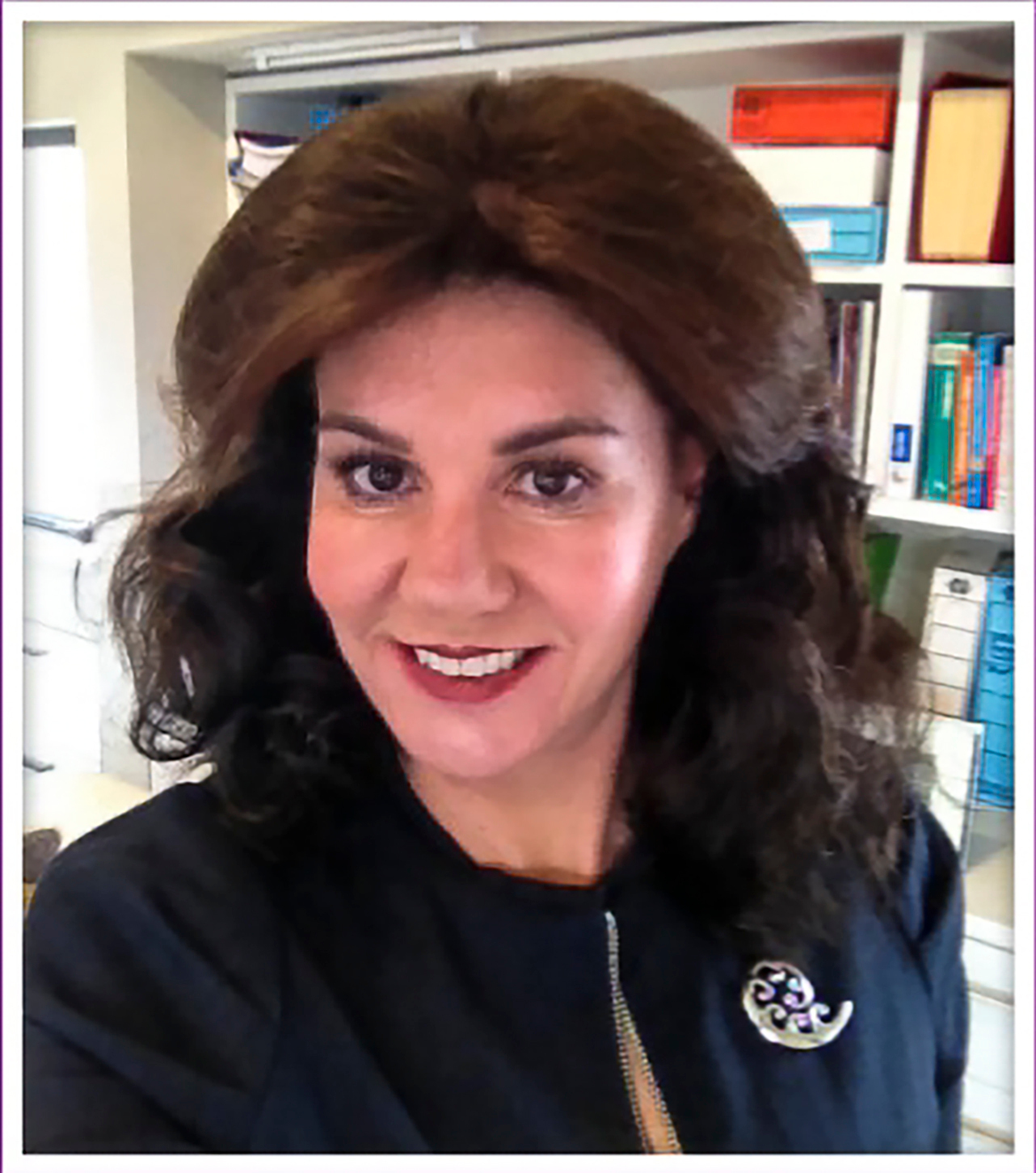
“If I’d seen her after 6 o’clock I’d have spoken to her about why she was still present,” she said.
Sarah Prentice, who worked with Hanna during her 2021 role of helping to distribute the Covid-19 vaccine, agreed that Hanna was proud of her work and seemed to thrive in the environment. But she also acknowledged that the emails would come at all hours.
“I didn’t notice any particular stress,” she testified. “She did work long hours, along with the rest of us. But I think she had a habit of doing that regardless.”
She recalled a Zoom meeting with Hanna on Saturday morning, two days before her death was reported. She seemed fine, Prentice said, adding that the only thing unusual was she kept her laptop camera off.
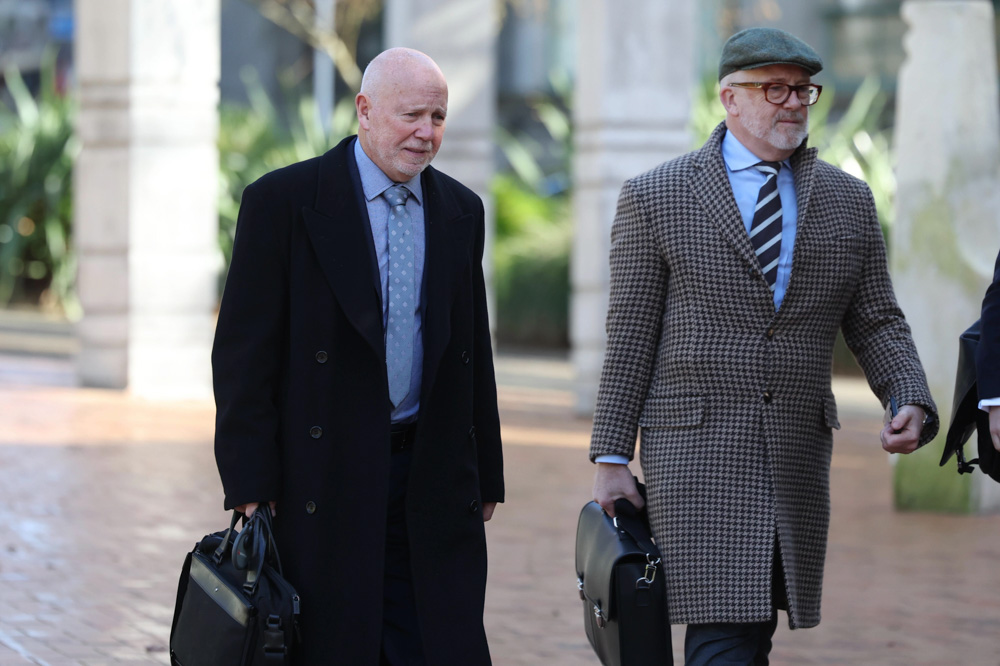
“She said she’d just got up, preferred not to show her weekend clothes,” Prentice explained.
Hanna’s last email to Prentice was sent on 9.27pm on Sunday, April 4, less than 12 hours before her husband would call 111 to report a suicide.
Earlier, jurors heard from Hanna’s niece, Rose Hanna, who described how her aunt had confided in her seven months before her death that she was contemplating a divorce but was concerned about being able to afford to do so. Through tears, the aunt said she had naively signed documents in which she thought Polkinghorne might have restricted her access to their joint assets, the niece said. They also discussed how Pauline Hanna had met with a private investigator concerning Polkinghorne’s suspected infidelity.
The niece’s testimony was followed by Polkinghorne’s barber, who told jurors about another prostitute that he said the surgeon had been dating. It is the third relationship with a prostitute that jurors have been told about so far.
In her testimony yesterday, housekeeper Sheryl Morris was shown a police photo of the dishevelled guest bedroom where Polkinghorne said his wife had spent her last night. The room had never looked that dishevelled when she went to the house, she told the court.
When changing the bedding in that room, she would always include a bottom sheet, a top sheet and a duvet, the housekeeper added. Earlier scene examination witnesses have said there was no top sheet on the guest bed when police arrived but a damp top sheet was found in the couple’s dryer.
Craig Kapitan is an Auckland-based journalist covering courts and justice. He joined the Herald in 2021 and has reported on courts since 2002 in three newsrooms in the US and New Zealand.
The Herald will be covering the case in a daily podcast, Accused: The Polkinghorne Trial. You can follow the podcast at iHeartRadio, Apple Podcasts, Spotify, through The Front Page feed, or wherever you get your podcasts.