Hamas leader Ismail Haniyeh killed in Iran, sparking fears of wider war
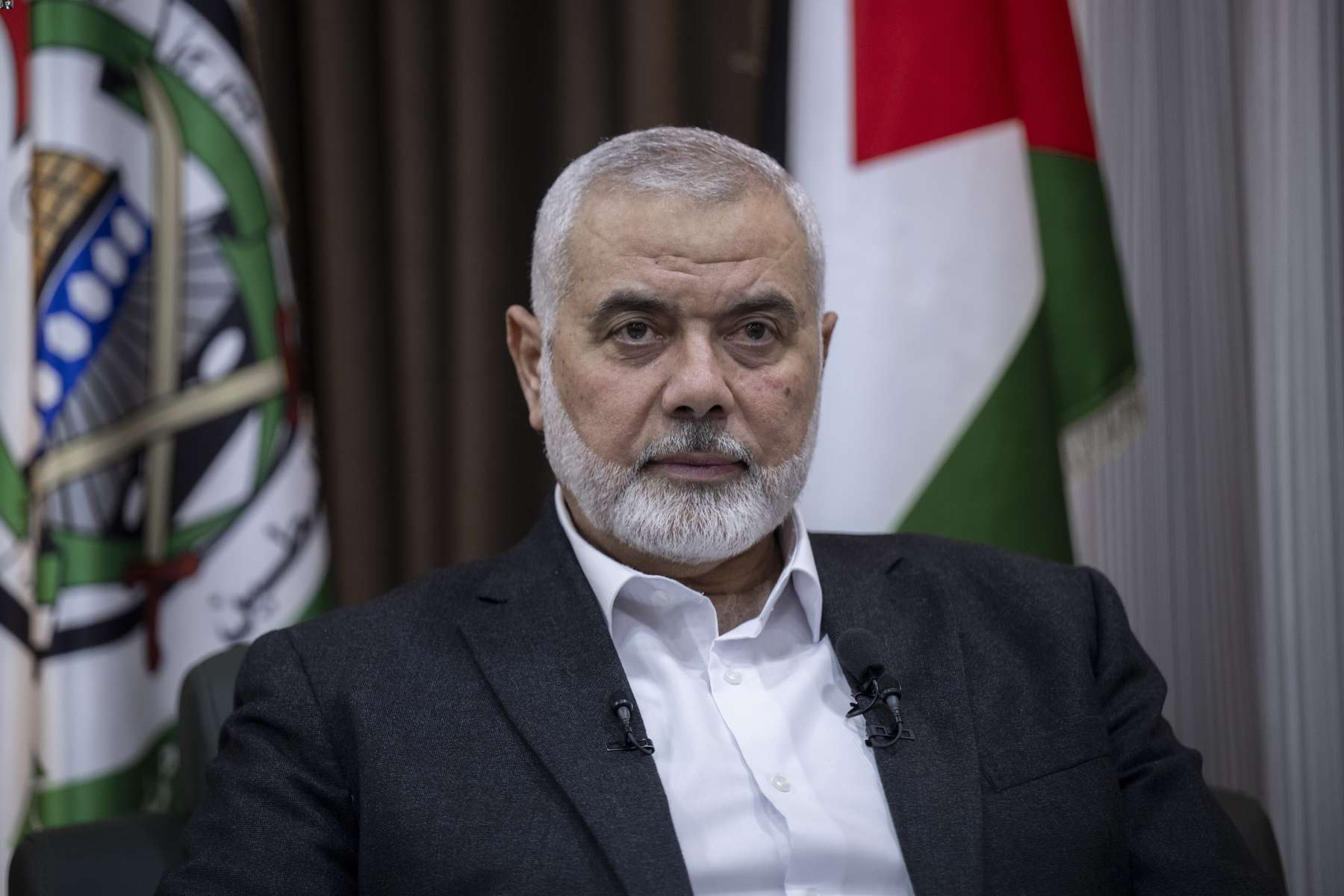
Hamas leader Ismail Haniyeh was killed early Wednesday in central Tehran, an apparent assassination that Iran and Hamas blamed on Israel and pledged to avenge. The killing, following a strike in Lebanon that Israel said killed a senior Hezbollah military commander, threatened to plunge the unstable region further into chaos and raised fresh doubts about Gaza ceasefire talks underway in Rome.
Israeli officials declined to comment on the death of Haniyeh, Hamas’ political chief in exile who was visiting Tehran for the inauguration of the newly elected Iranian president. Details of the killing remained unclear.
The killing came hours after an Israeli airstrike in Beirut targeted a senior leader of Hezbollah, another Iranian-backed militant group locked in combat with Israel. The Israel Defence Forces said Fuad Shukr was killed in the Tuesday evening attack, blaming him for the weekend rocket attack in the Israeli-occupied Golan Heights that killed 12. Hezbollah has acknowledged his presence in the demolished building but said recovery efforts were continuing.
The deadly events marked the end of two key leaders of Tehran’s proxy militant groups in the region. Reports in Arabic media said that a third, Ziad al-Nakhaleh, the secretary general of Palestinian Islamic Jihad, was in the building where Haniyeh was killed.
Israel struck Lebanon and Iran in order “to set the region on fire”, senior Hamas leader Khalil al-Hayya said at a news conference in Tehran, adding that Hamas and its allies do not want a “regional war”.
But Haniyeh’s killing, he said, “sent a clear message: that our only option with this enemy is blood and resistance”.
Security analysts said the events would push the region closer to a regionwide conflict, with Iran compelled to respond to an attack in the heart of its capital. The events come just months after Iran and Israel exchanged missile and rocket attacks in a confrontation that experts warned was flirting with all-out war.
Experts said Israel hoped the risk of escalation would be outweighed by a demonstration of military and intelligence prowess that allowed it to reach deep into Tehran.
“I don’t think it will change the balance of power or the face of the war, but it sends a strong signal to Iran and the axis [of proxy militant groups],” said Yoel Guzansky, a former official on Israel’s National Security Council who is now a senior fellow at the Institute for National Security Studies in Tel Aviv. “It shows them they cannot be safe anywhere, even in Tehran.”
“I think this is Israel getting some of its reputation for deterrence back,” he said.
The turmoil also casts more doubt on the latest Gaza ceasefire and hostage-release talks in Rome, which US officials had described as the most promising for months. Haniyeh had an important role in negotiations and was a key decision-maker along with Yehiya Sinwar, Hamas’ military leader in Gaza, according to a diplomat briefed on the talks.
Haniyeh “was someone who saw the value of a deal and was instrumental to getting certain breakthroughs in the talks”, said the diplomat, who spoke on the condition of anonymity because they were not authorised to comment on the negotiations. “At this stage, it’s unclear what the effect will be on ceasefire talks.”
Any interruption would be a blow to civilians in Gaza and the families of Israeli hostages still held in captivity there. But it may be welcome to Israeli Prime Minister Benjamin Netanyahu, who has been accused of seeking to slow or derail the talks by introducing late demands.
Haniyeh’s killing was met with immediate condemnation and outrage across the Arab and Muslim world, with Iran threatening to retaliate.
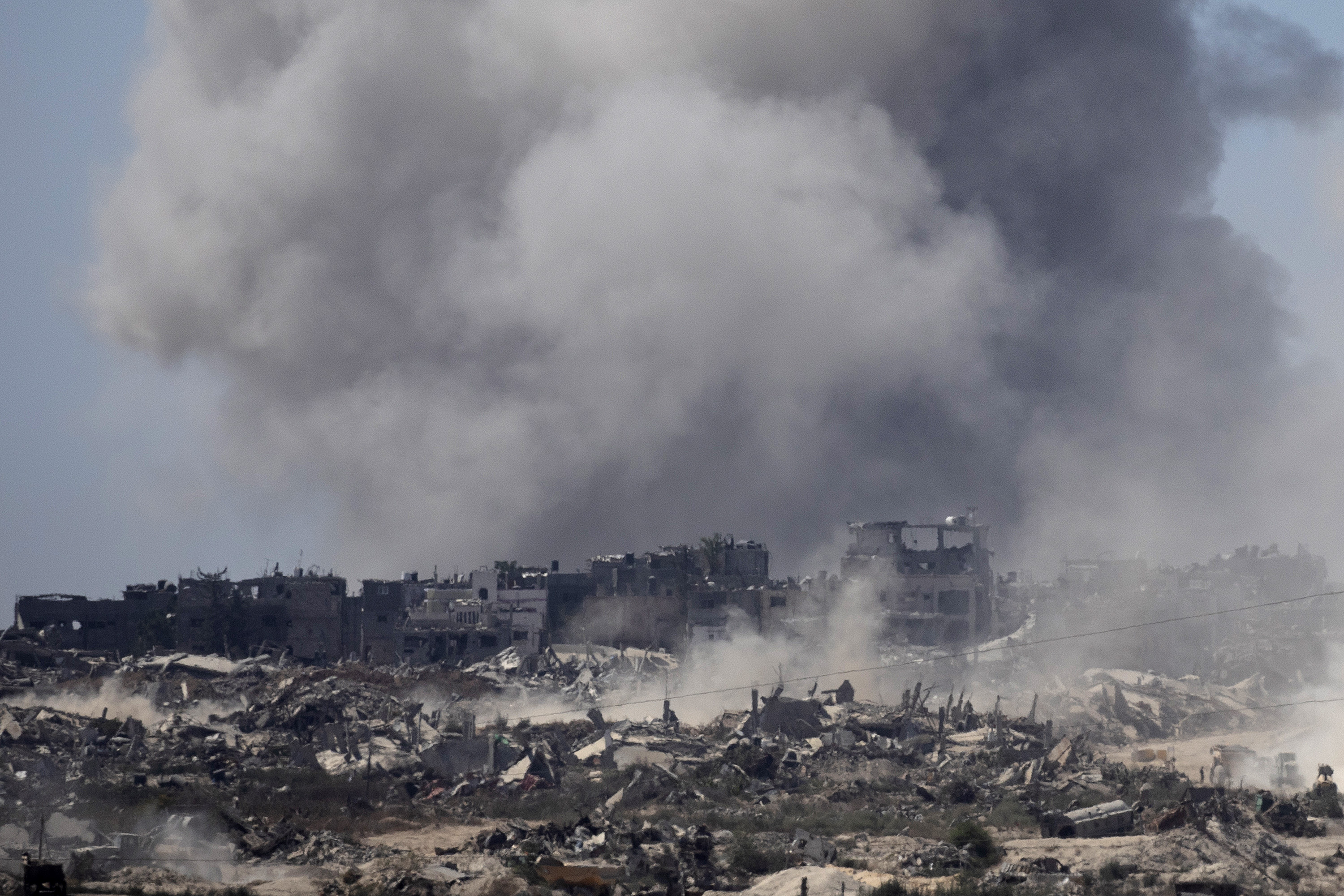
A spokesman for Iran’s Foreign Ministry said the killing would “strengthen the deep and unbreakable bond between the Islamic Republic of Iran and dear Palestine and the resistance”.
The head of the Palestinian Authority, Mahmoud Abbas, called it a “cowardly act and dangerous development”.
Qatar, which has hosted Haniyeh and other Hamas leaders at Washington’s request for years, also said in a statement that the killing was a “dangerous escalation, and a flagrant violation of international and humanitarian law”.