Is Seascape Auckland’s first ghost tower? What everyone’s asking about abandoned partly-finished 56-level block – Property Insider
You’ve all been asking so many questions about the abandoned Seascape project in Auckland’s CBD, that towering tribute to financial failure after its developer was put into receivership.
I looked back at the many previous stories and talked to some experts and the receivers.
Here, I attempt to give as many answers as possible in 1400 words.
What happens to the tower now?
First, it could stay just like it is – for years.
Auckland Council must ensure there is no danger to the public, so the unfinished building will continue to be inspected weekly.
But the council can’t force the developer to finish the tower.
That is an extremely unpalatable spectre for the city.
Second, the receiver could sell it. A buyer could contract a new builder and finish it.
Alternatively, a builder could buy it and finish it.
Let’s hope.
Third, the building could be demolished or deconstructed – but that would cost millions of dollars.
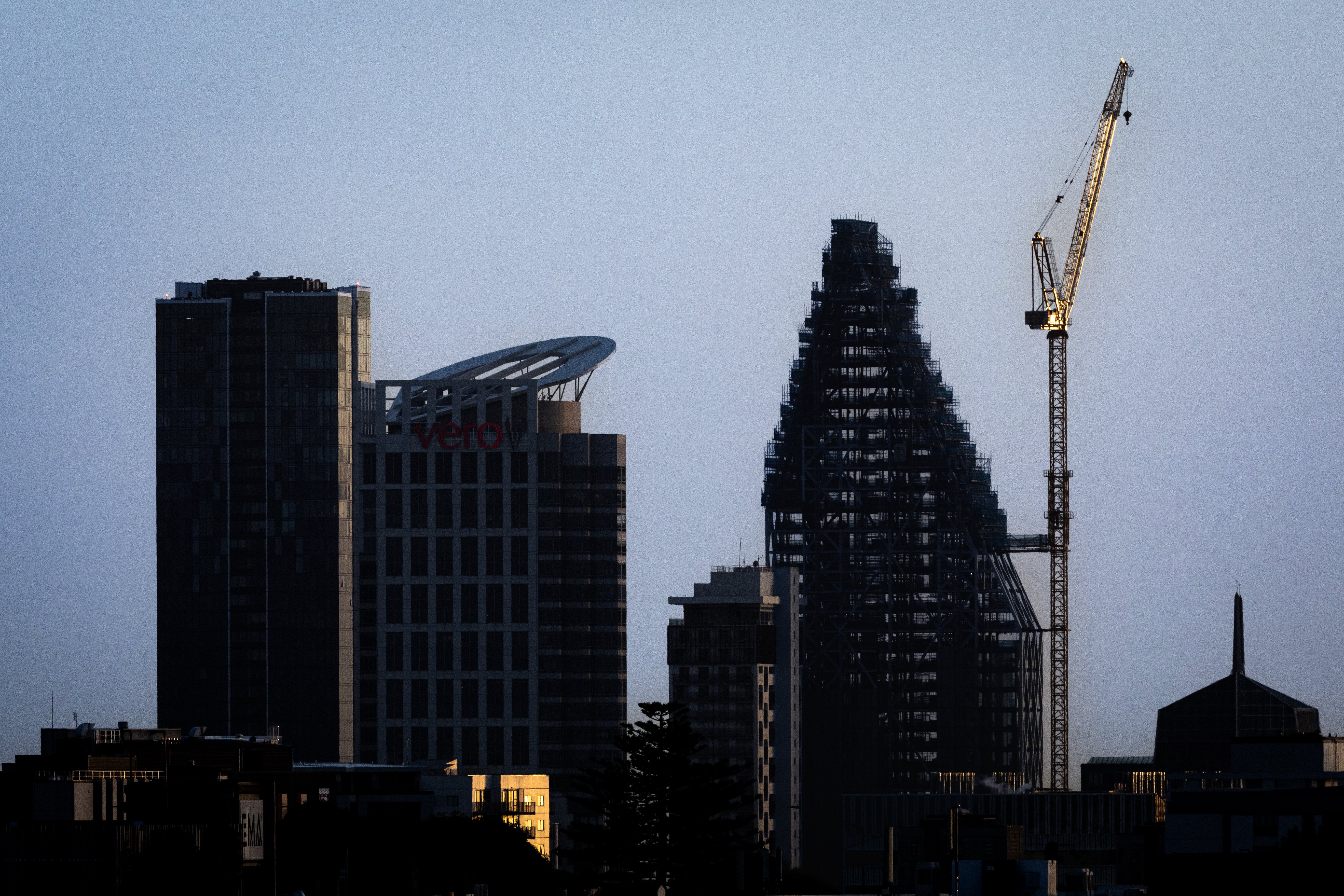
Developers Shundi Customs fought with builder China Construction over an unpaid $33 million bill.
A claim that all had been resolved was untrue.
“Shundi Customs Limited and China Construction New Zealand are writing to advise you of the resolution of the disputes in relation to the Seascape project,” a Shundi statement issued to me last April said.
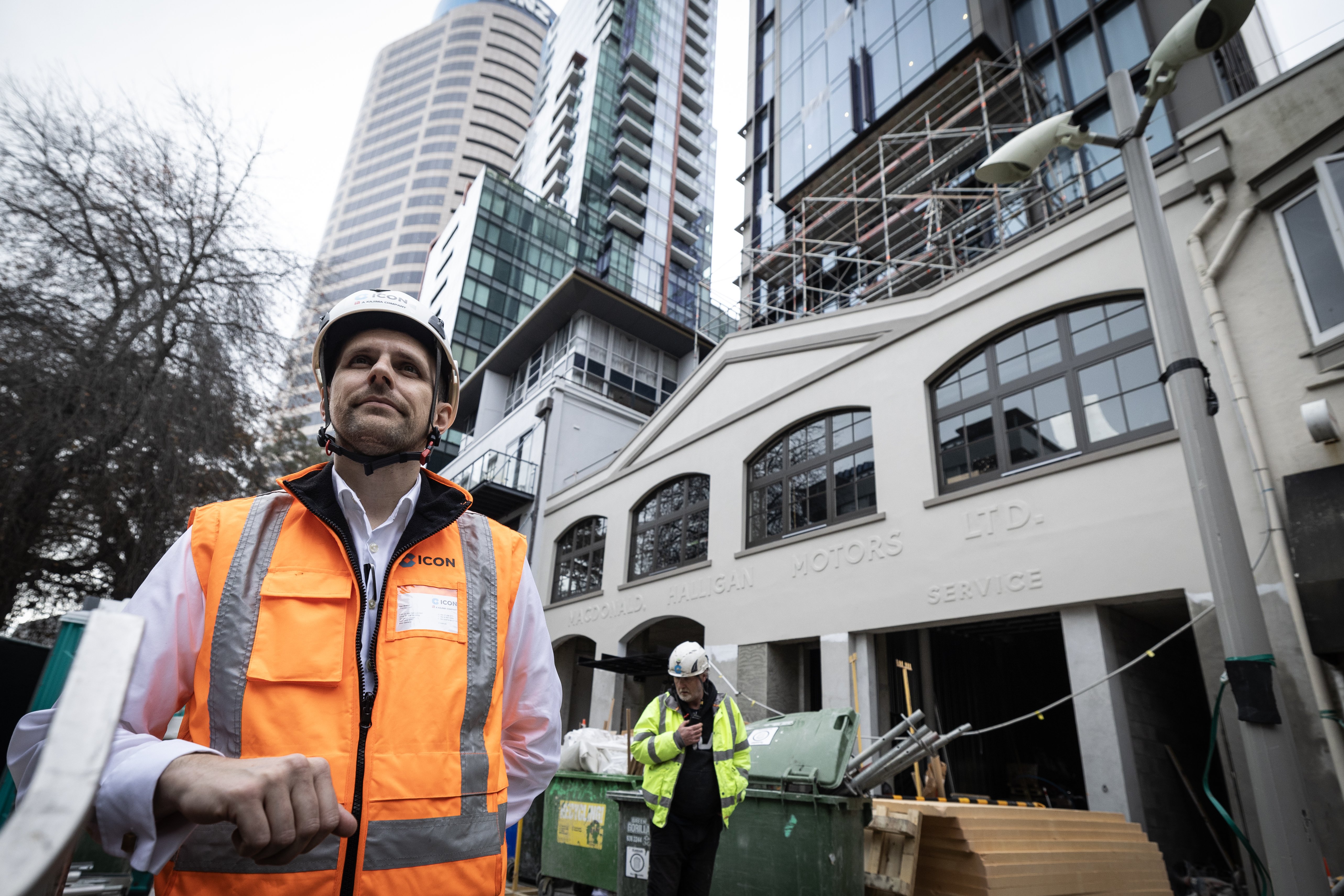
At the same time it was announced that a new builder, Icon, had been appointed as the construction manager.
The LinkedIn response was celebratory. I had broken the double good news – new builder being appointed, dispute resolved.
Except none of that was true.
Icon ready to sign contract
China Construction Bank put Shundi into receivership over its unpaid debt in early March.
Icon had been ready to sign the contract for a long time – at least since last April – but the pen never made it to the paper.
Any replacement builder would have needed to have the reassurance that the money was in Shundi’s hands to pay the bills.
The developer was unable to find the money to take it forward.
It had to be able to pay once Icon signed the contract and started building. Payment would have been due on a monthly basis.
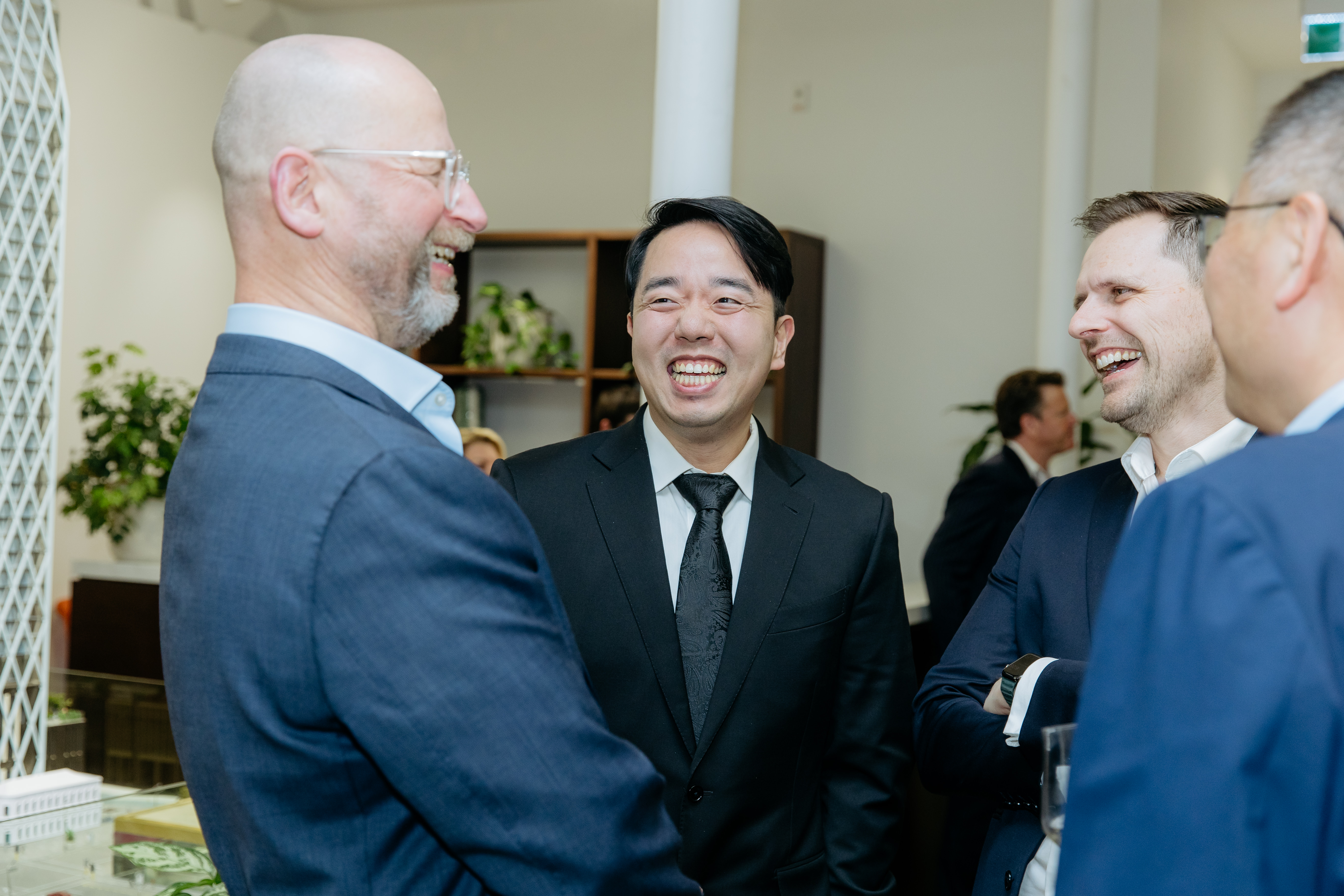
Icon could not sign the contract until it could see the money or get some security.
Funds are essential with any private developer, or else they need to get guarantees from a bank or financial institutions that the money is committed to fund such a project.
Shundi got sued by China Construction about 18 months ago.
It failed to secure money to pay contractors.
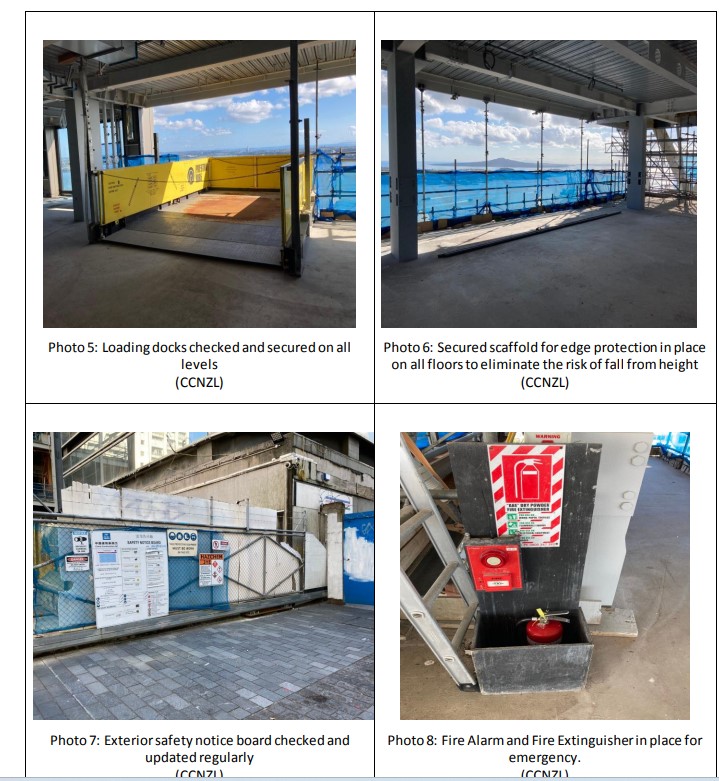
Icon appeared to have done all the discovery work and figured out how to complete the project and what it would cost to do that.
It had quantified what materials were usable and which subcontracts could be restarted.
Yet it never did go ahead with construction to finish the tower.
What state is the tower in?
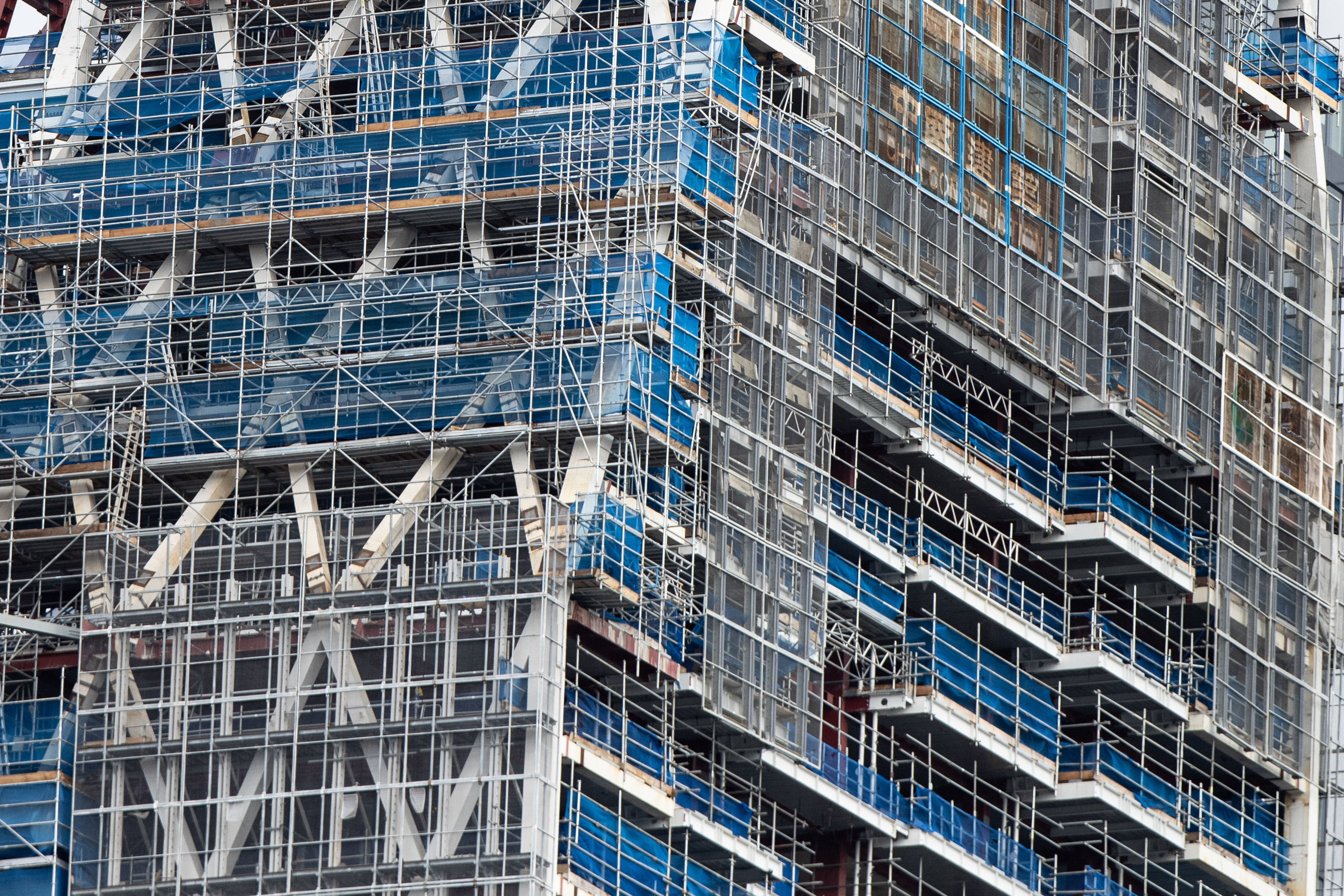
It is evidently not too bad. But to clean it up, the tower does need remedial works like intumescent painting on structural steel elements. Intumescent paint is a fire protection coating which swells when exposed to heat.
Gib board also needs replacing.
Aspects need to be stripped back and cleaned up. But it’s not a big job, evidently.
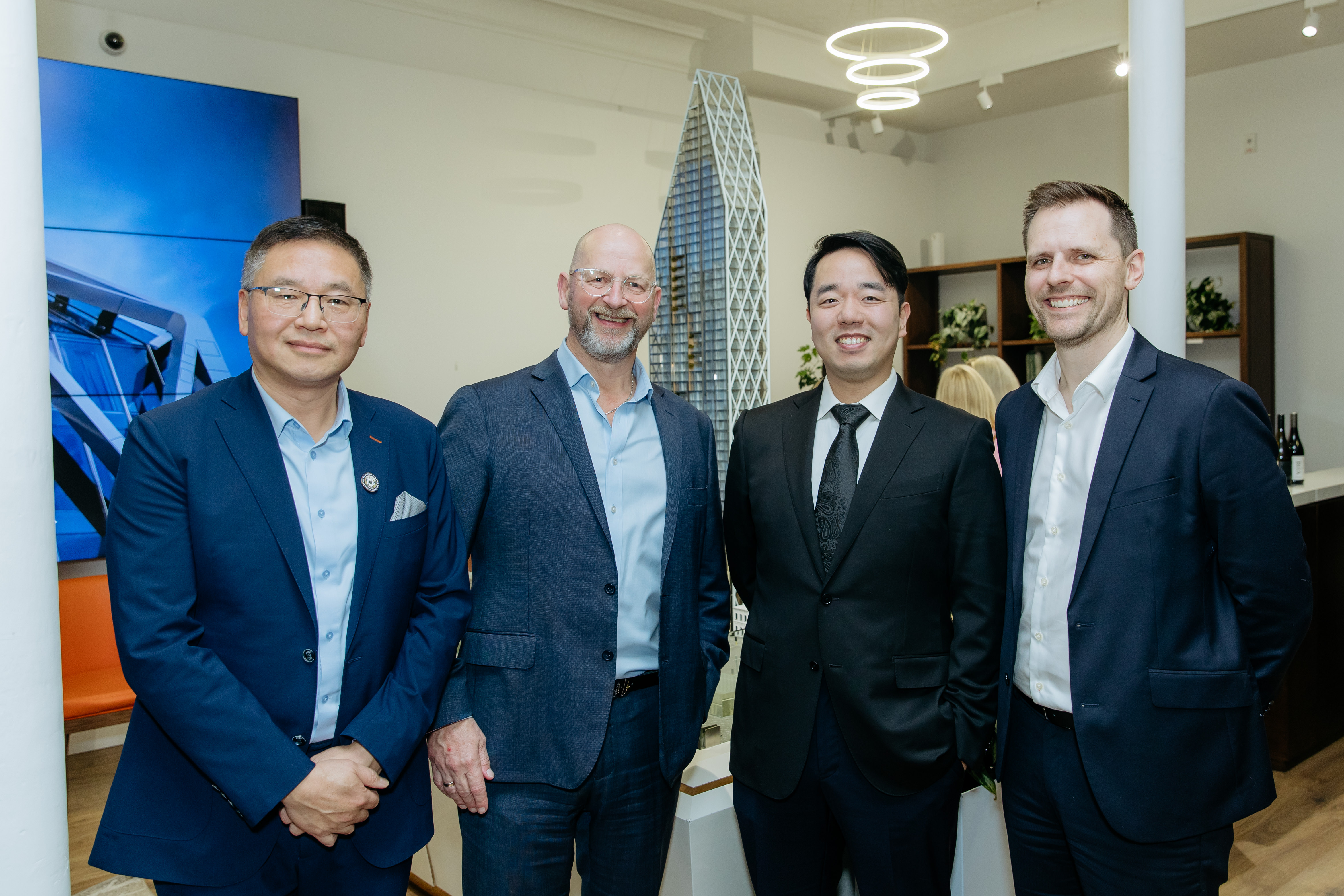
Remedial works are thought to be straightforward.
It helps that there’s not very much fit-out completed. The glass curtain wall from China is said to be in pretty good shape.
For the remaining curtain wall, some of it is on-site, the rest needs to be brought there.
How much could it cost to finish it?
Icon is thought amongst industry observers to have bid around $180m and said it could take at least 18 months to finish.
Icon may have also floated a feature of a minimum $120m to a maximum of about $200m.
No exact figures were ever announced.
What is China Construction Bank owed?
How much money did Shundi borrow from China Construction Bank?
Well north of $100m, I am told, although that is not confirmed by Shundi nor the bank.
That money was borrowed about 18 months ago and is continuing to accumulate interest.
What is Seascape worth?
Zero? Millions? A liability beneath zero?
What would it be worth if it was fully completed?
There is only one answer to the valuation question: the tower is worth what someone is willing to pay for it.
What new uses could it be put to?
Could the configuration of the building be changed to make it commercial?
I don’t see a scenario for offices because the market is pretty soft.
Reconfiguration would need all the building services to change from full residential to full commercial.
That would add substantial costs.
Could it instead be run as an apartment-style hotel?
What of buyers of about 166 units?
What future for those unit buyers?
Most bought some years ago.
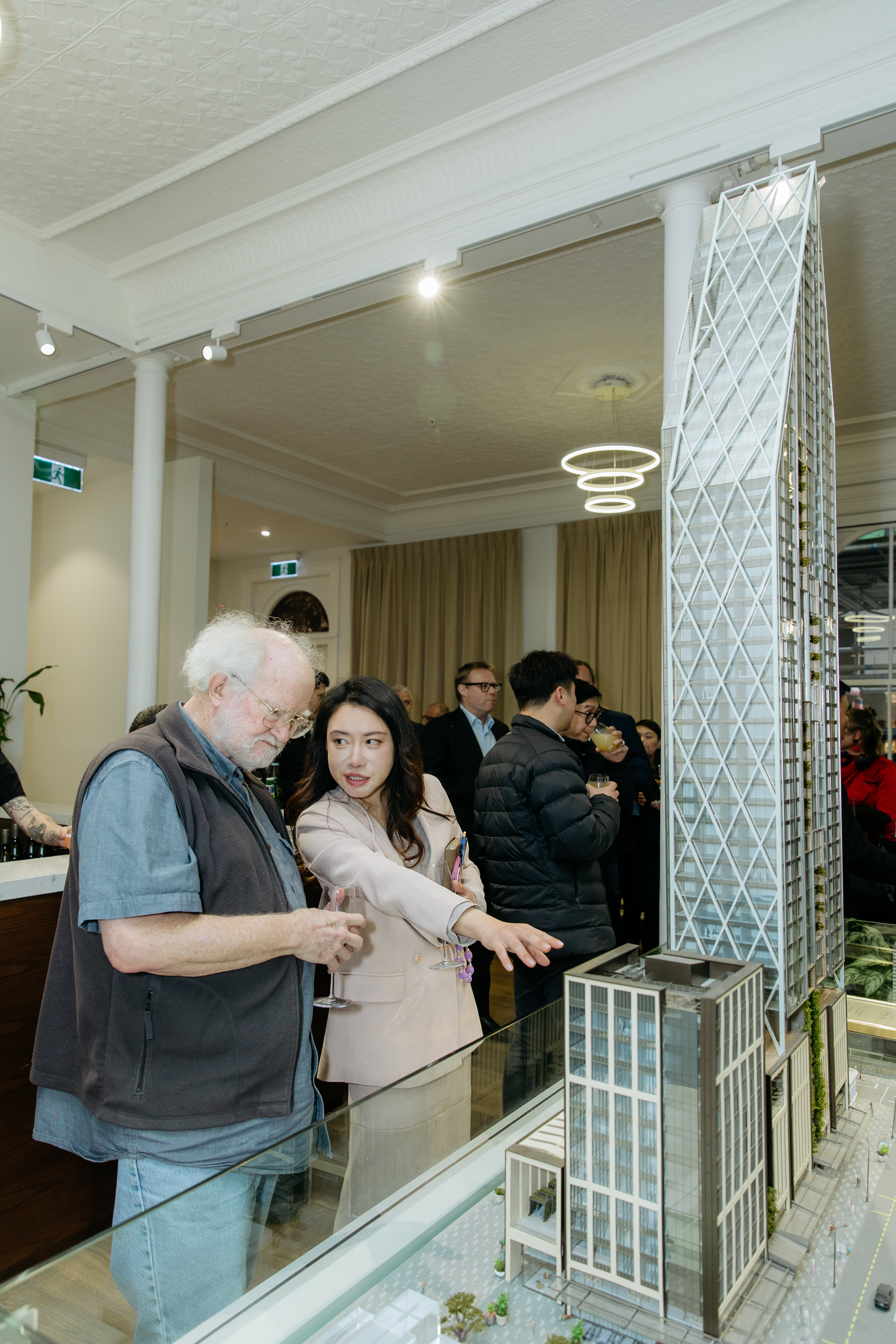
However, some bought in a recent marketing campaign launched last September, when Bayleys promoted apartments at Seascape.
Will their 10% deposits on apartments be repaid?
They are now unsecured creditors.
Is there any money to repay them?
Why no funds to complete?
Development work started in 2017.
I visited the site in 2019.
Initially, Shundi was said to be funding work with its own funds, not debt.
It did not appear to pre-sell apartments in advance, which is the usual way such a scheme would work.
People in the sector called it “bizarre”, saying money was coming from China initially to fund it.
“It was a strange project, first for how it was funded and lack of presales. It was a speculative development. The market would say a lot of the reason for stopping and starting was the threshold of getting money from China. Construction progress suited their funding,” one expert said.
Another unusual aspect was problems in the basement.
This was not a straightforward construction job.
There were problems with the diaphragm wall.
In 2020, I reported on six areas of the wall being exposed around the outside of the basement. Some reports referred to defects in the diaphragm wall between Gore St and Commerce St.
A council official said at the time that this was normal procedure, always expected and the same process was carried out during many other jobs with diaphragm walls.
Could change be forced?
Big question.
One gets into all sorts of issues about property rights when considering the response.
The answer is that ultimately, someone has to front up with money.
The choices are either to complete or demolish it.
Demolishing it to ground level would leave a site with some value as a piece of CBD property, which could be used for car parking.
It would be worth a few tens of millions of dollars.
Demolition could cost tens of millions of dollars.
Someone would have to have the ownership of the site and demolish it.
Otherwise, it sits there as an asset or a liability of China Construction Bank.
Overseas owners, particularly Asian, have owned a number of CBD sites in Auckland.
Some have left properties vacant for 20 to 40 years, showing little interest in development or sale.
The Government and Auckland Council don’t wish to put pressure on the owners or to release the sites through a substantial rates mechanism.
Hence, we have these moribund sites.
Around the world, many cities have had ghost towers. One expert cited two in Los Angeles “but no one notices them anymore”.
North Korea has the Pyongyang Hotel, which is not finished and not occupied.
We have some ghost towers in Auckland where Korean developers went bust; for example, at Greenlane.
Seascape needs someone with the will and funds to finish it.
The fear is that it could be unfinished for decades.
Structure near top
Last year, new structures were visible near the top and there seemed to be some hope.
Jillie Clarke of Shundi told me the eastern crash deck was installed in early September and the western one was completely installed in early October.
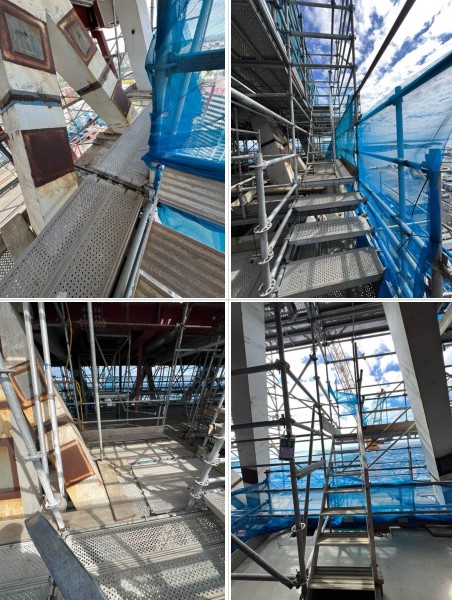
“The crash deck at level 47 is required to enable apex works to be undertaken in a safe and compliant manner. It provides critical protection to the public by mitigating the risk of falling objects and tools during high-level works,” she told me on February 17.
“Installation of the crash deck is a mandatory prerequisite before any modifications can be made to the apex scaffolding.”
It seemed like a somewhat hopeful development at the time.
Now, all we can do is hope to learn more from that May 11 receivers’ report from Seascape’s developer.
Anne Gibson has been the Herald’s property editor for 26 years, written books and covered property extensively here and overseas.