Government says GP visit costs to remain ‘stable’ under new funding proposal
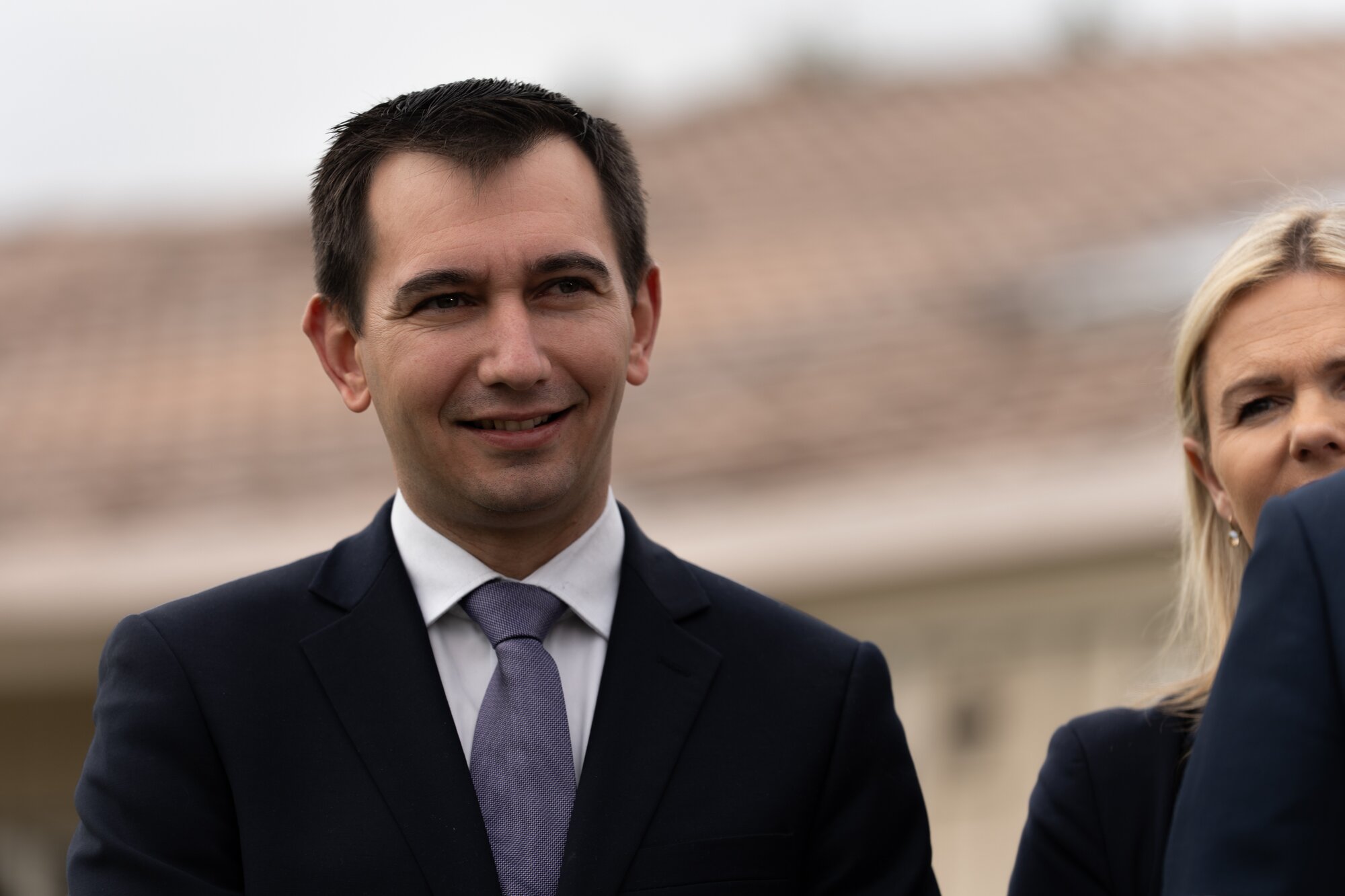
The Health Minister says a proposed funding package for general practitioners (GPs) will keep costs stable for patients, but Labour says it fails to bring prices down.
Health New Zealand said today that it had offered a “significant funding increase” to GPs for the 2026-27 year, starting in July, which it said was “aimed at easing cost pressures on patients while strengthening frontline services”.
Among the proposals, which are currently out for feedback, are changes to capitation weights and a 6% increase in funding for GP capitation and “fees stability” for the year.
Health Minister Simeon Brown welcomed the “in-principle agreement between Health New Zealand and the primary care sector”, saying that improving access was a Government priority.
“We know the greatest challenge for patients is simply being able to get a timely GP appointment. It is encouraging to see these important negotiations continuing to make progress.”
He described the priorities of the funding package as including keeping GP visit costs “stable for patients at last year’s levels”.
Updating the capitation weights would ensure “clinics serving patients with greater health needs receive increased funding, including rural clinics”, he said.
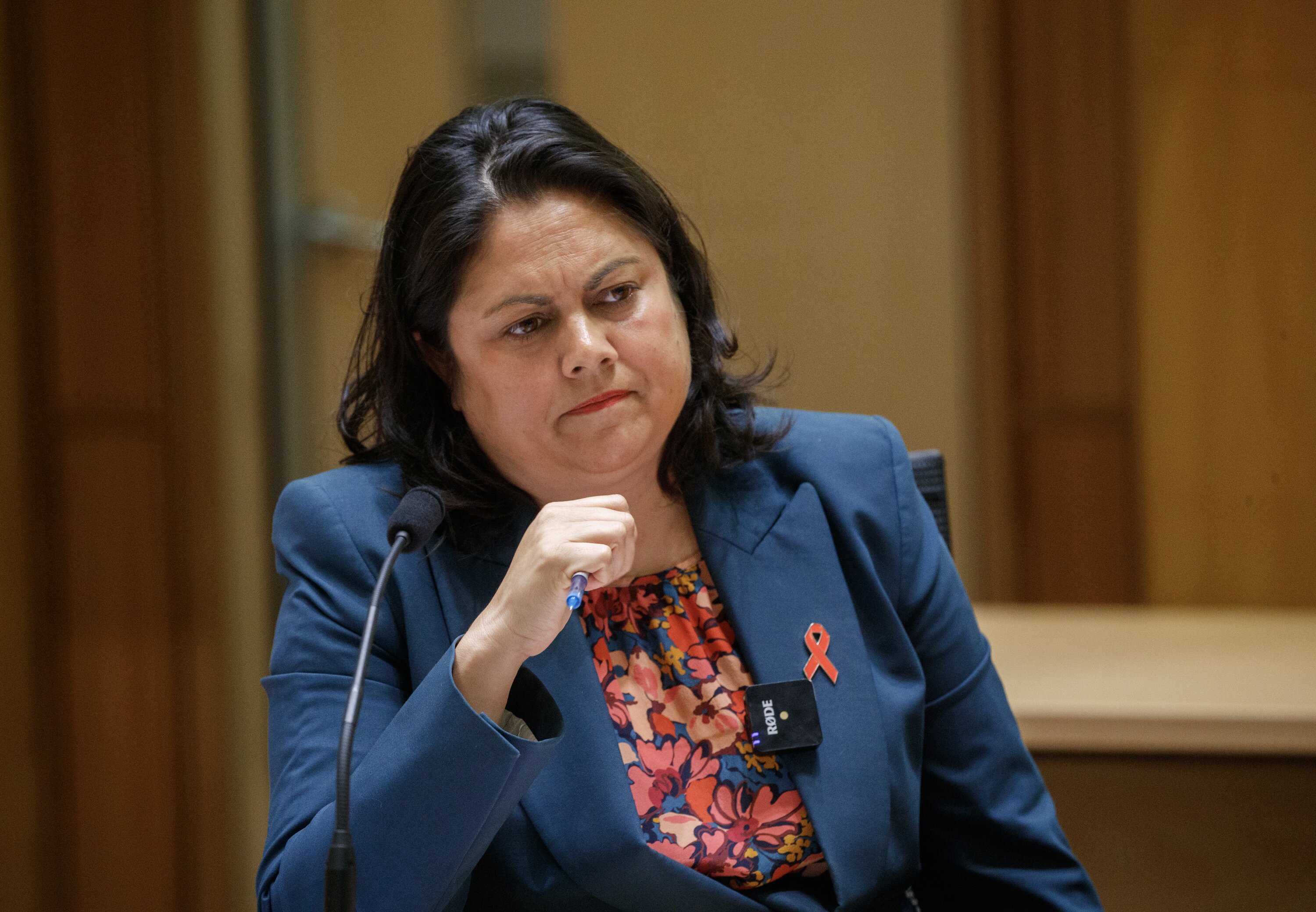
But Labour health spokeswoman Dr Ayesha Verrall said the funding proposal “fails to lower the cost of seeing a doctor”.
Labour has a policy of introducing three free GP visits a year, paid for by introducing a capital gains tax. It also wants an “independent pricing authority” for GP funding that it believes will better address their real costs.
“Clinics shouldn’t have to choose between putting up patient fees and absorbing rising costs,” Verrall said. “This has led to reduced services, longer wait times, and practices that are closed to new enrolments.
“Practices that cannot absorb rising costs could be forced to cut services, lengthen wait times, or close altogether.”
Capitation is the funding model for GPs. The Government pays GPs a fixed amount for their enrolled patients, taking into account demographics that may determine the level of healthcare those patients will require.
The model has not been updated since 2002, but Brown announced last year that it would be revised to “go beyond just age and sex, to also include multimorbidity, rurality and socioeconomic deprivation”.
Jamie Ensor is the NZ Herald’s Chief Political Reporter, based in the press gallery at Parliament. He was previously a TV reporter and digital producer in the Newshub press gallery office. He was a finalist in 2025 for Political Journalist of the Year at the Voyager Media Awards.