Pedestrian crossings: Who spends the most, Auckland Transport or Wellington City Council?
The cost of a new pedestrian crossing in Wellington is tens of thousands of dollars. The cost in Auckland is several hundred thousand dollars.
These figures come from the 2021-2022 financial year when Auckland Transport chewed through $6 million on 12 signalised crossings at an average cost of $500,000 and Wellington City Council built four cheaper, non-signalised raised crossings for $119,000.
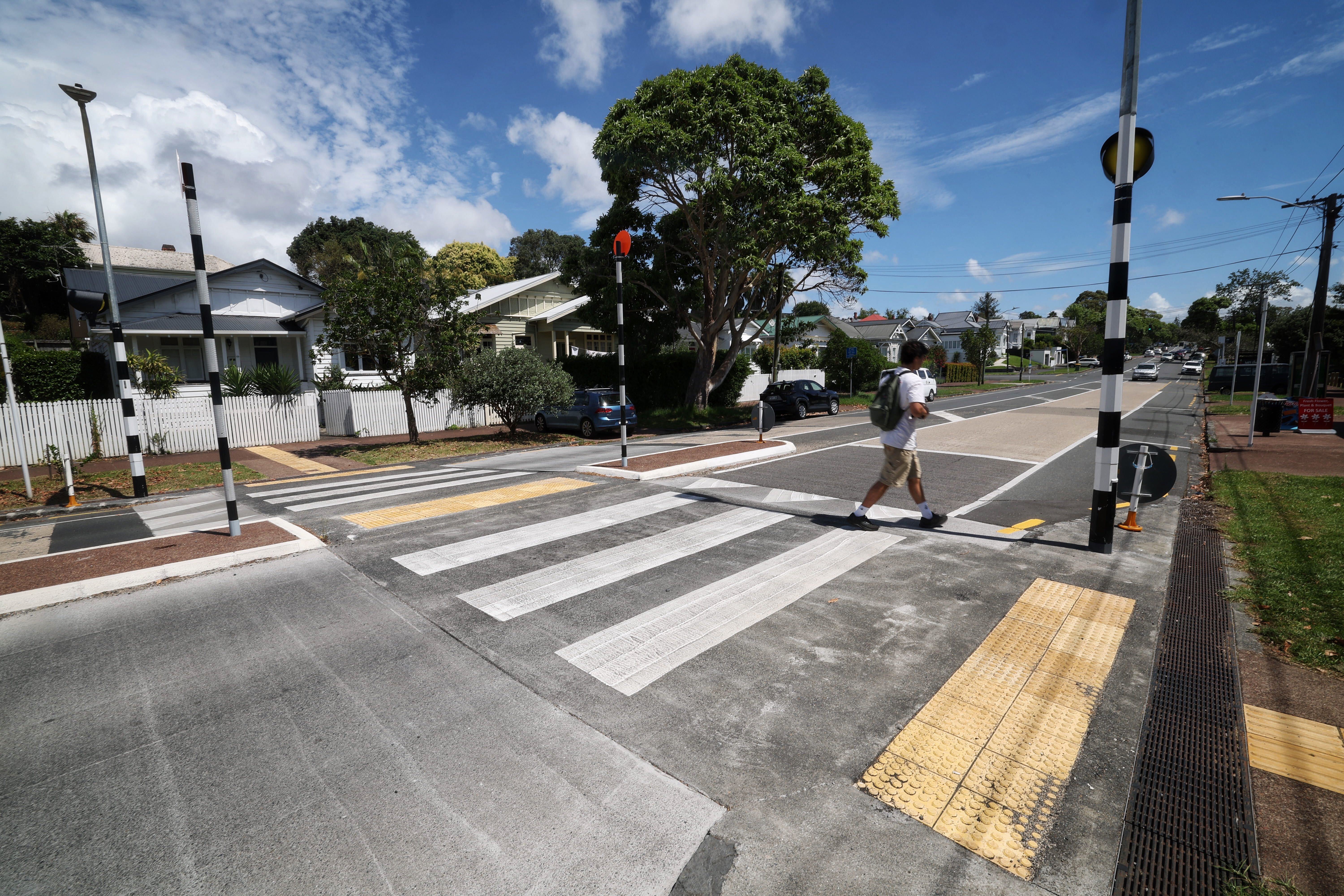
Even non-signalised crossings in Auckland come with a hefty price tag, such as a crossing at Williamson Ave in Grey Lynn that cost $490,000.
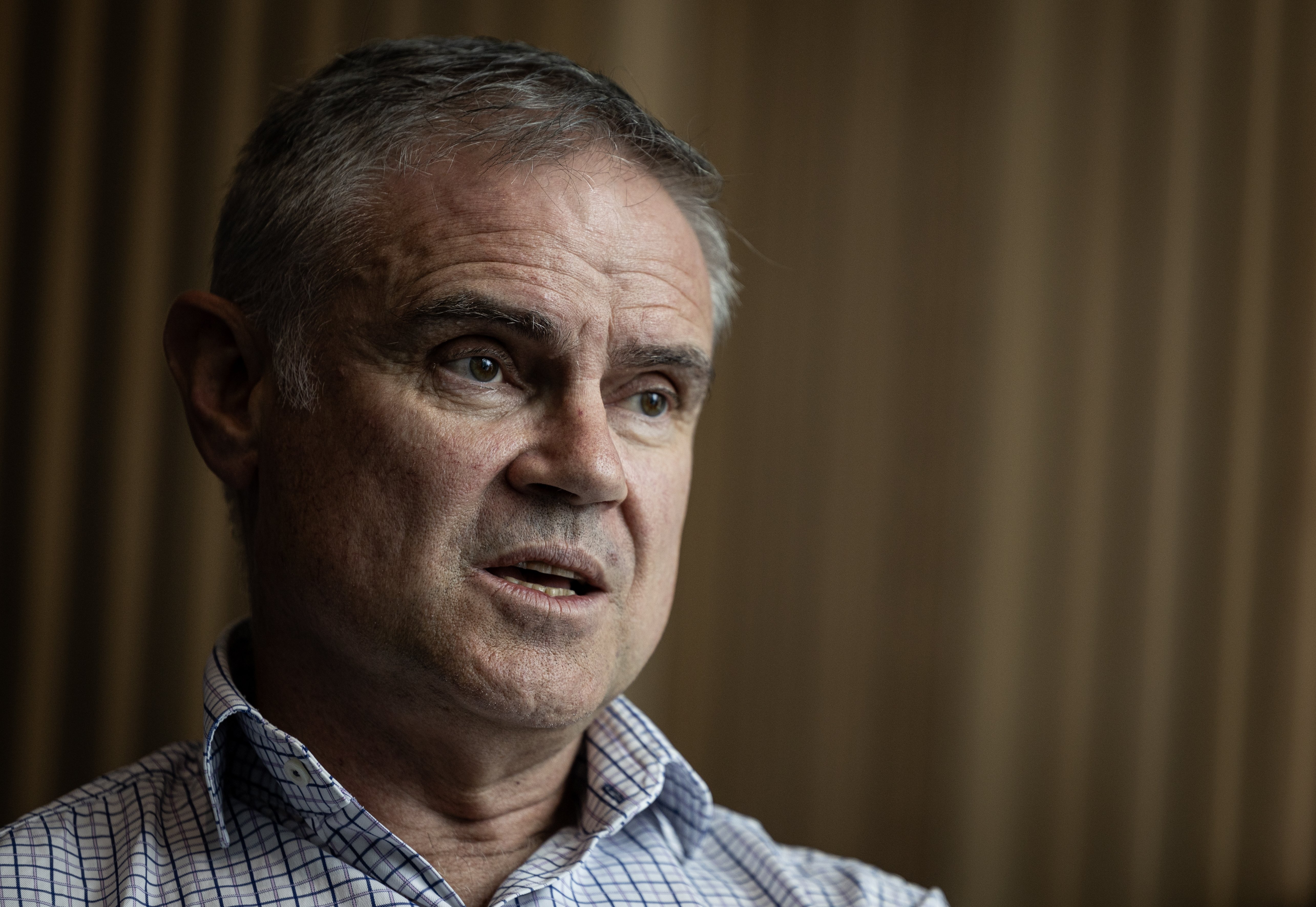
Auckland Transport chief executive Dean Kimpton has defended the local cost of crossings, saying they are fundamentally different from those in Wellington.
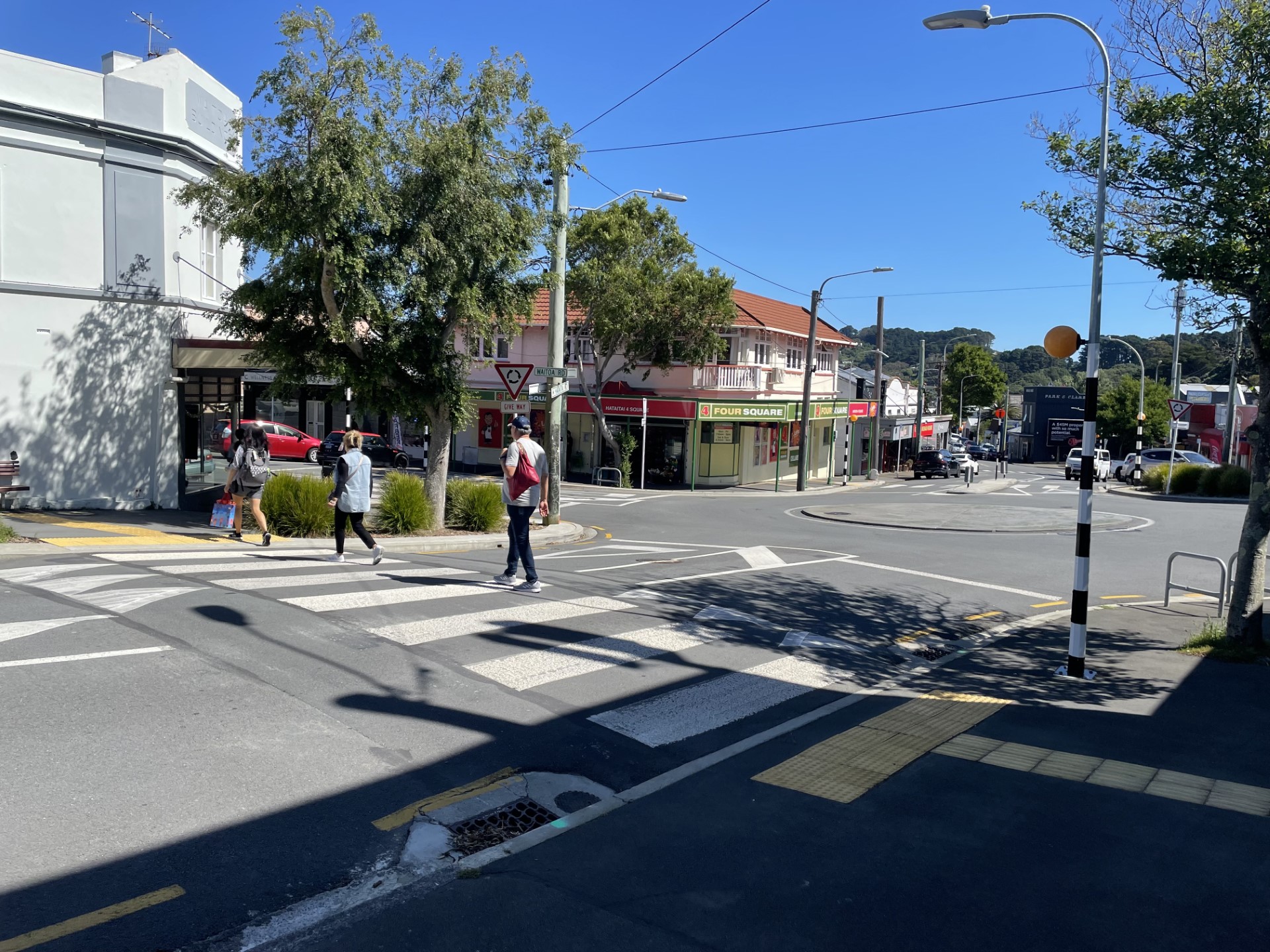
He said the estimated $40,000 cost of a raised pedestrian crossing in the Wellington suburb of Hataitai was for the raised pedestrian table only, which is made of asphalt that lasts for 10 years, whereas the Grey Lynn crossing is made of concrete that lasts up to 40 years.
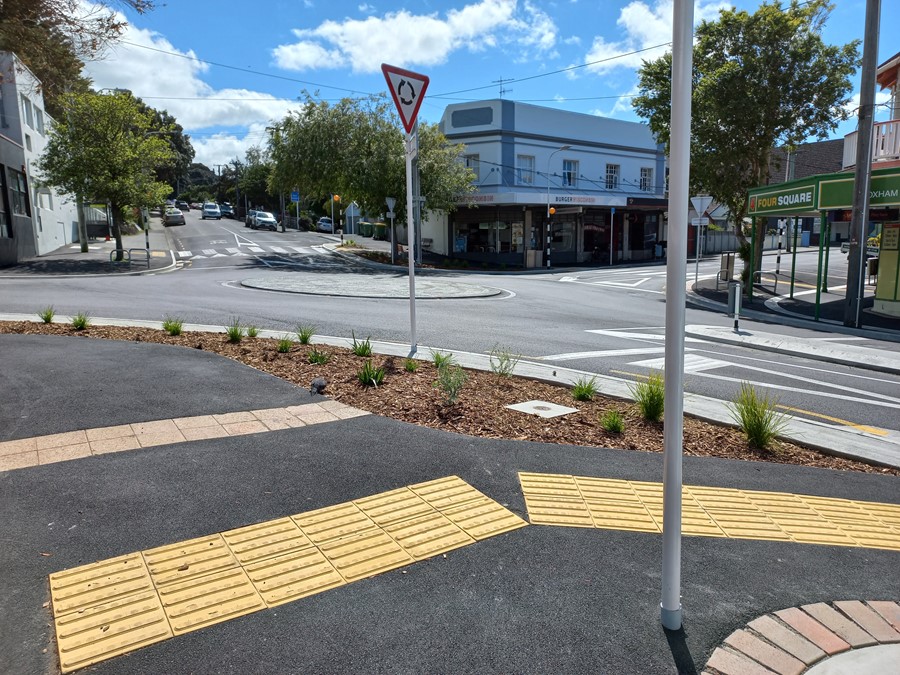
The Hataitai village project included drainage, upgrading a second existing crossing, landscaping, plantings, artwork, lighting, and resurfacing the intersection for a total cost of $570,000.
Kimpton said the Williamson Ave crossing has five catch-pit upgrades, stormwater improvements, grated channels to allow for better overland and stormwater flow down the road, a central pedestrian island, pedestrian areas on both sides amongst the kerb and channel, footpath and bus stop upgrades, and lighting.
“That is not gold plated. Those are all things that need to be done if you are going to have both safe pedestrian access but also reduce the risk of flooding and safe walking.
“In that location for all those things that represented value for money but we don’t do those very often,” he said.
Kimpton said AT could do an asphalt crossing for the same price as Wellington and a pre-cast concrete crossing for between $50,000 and $100,000, saying AT has just gone out for a programme in the tens for pre-cast crossings at about $30,000 each.
“Now I’m delivering my concrete crossing that will last for 40 years for less than the one-off asphalt options,” he said.
The raised concrete crossing is just one of the costs for a new pedestrian crossing.
Figures for the Williamson Ave project include:
· $80,000 - Design/consultation/consenting/professional services
· $33,000 - concrete raised speed table
· $142,000 - traffic management
· $87,000 - drainage/stormwater
· $148,000 contractor/other works like markings/lighting/traffic islands
Kimpton said more expensive raised pedestrian crossings, particularly around schools and shopping centres, slow down traffic, make it safer for people to walk and cycle, and help reduce deaths and serious injuries.
“That is worth going after,” he said.
On the other hand, Mayor Wayne Brown has described the costs of pedestrian crossings as “unjustifiable” and called for “a complete change in approach at AT”.
He said there are much cheaper options and better decision-making was needed about where new crossings are installed, and promised to remove funding “for such wasteful spending” in this year’s 10-year budget.
A Wellington City Council spokesman could not come up with any recent examples of new signalised pedestrian crossings for the capital city.
The four, asphalt raised pedestrian crossings installed in 2021-2022 cost $54,334, $44,119, $30,000, and $40,000 - the last two being part of larger projects in Hataitai and Berhampore - a spokesman said.
“Costs have increased significantly since then. We are now adding lighting to new crossing installations and traffic management costs have increased. This has almost doubled our costs,” he said.
Christchurch City Council said it did not install any signalised raised pedestrian crossing in the 2021-2022 financial year.
Over the same financial year, Tauranga City Council spent $60,534 and $17,727 converting two raised speed tables to unsignalised pedestrian crossings and installed a signalised and unsignalised crossing as part of two larger projects costing $318,000 and $831,000. The council was unable to break down the cost of the crossings.
The prevalence and cost of new pedestrian crossings have caught the attention of Transport Minister Simeon Brown, who last year labelled it “crazy” and stopped plans by AT to install a $450,000 raised pedestrian crossing in his Pakuranga electorate on Pakuranga Rd.
The minister has promised to slash $3 billion from road safety programmes to spend on new roads, which Kimpton said will lead to a reduction in funding for local safety projects, including pedestrian crossings.
Bernard Orsman is an award-winning reporter who has been covering Auckland’s local politics and transport since 1998. Before that, he worked in the parliamentary press gallery for six years.