Auckland Transport plans to spend up to $300,000 on pedestrian crossing in Blockhouse Bay
Blockhouse Bay is the latest battleground in Auckland over the soaring cost of pedestrian crossings, which now cost more to install than to build a new home. Small business owners have joined Mayor Wayne Brown and Transport Minister Simeon Brown in calling on Auckland Transport to cut costs.
Auckland Transport (AT) chief executive Dean Kimpton is not ruling out spending up to $300,000 on a new pedestrian crossing in Blockhouse Bay.
This follows a stern warning from Auckland Mayor Wayne Brown about the “unjustifiable” cost of new raised pedestrian costings and a formal directive to AT to come up with cheaper alternatives for crossings.
Last month, the Herald reported AT is spending on average $470,000 to install 27 new pedestrian crossings, while in the private sector G.J. Gardiner Homes can build a new home for $365,000. The price does not include the land.
AT is proposing safety improvements in the Blockhouse Bay town centre that involves upgrading a pedestrian crossing, installing a new speed hump, a new bus layover area and addressing a roundabout for buses at a tricky intersection.
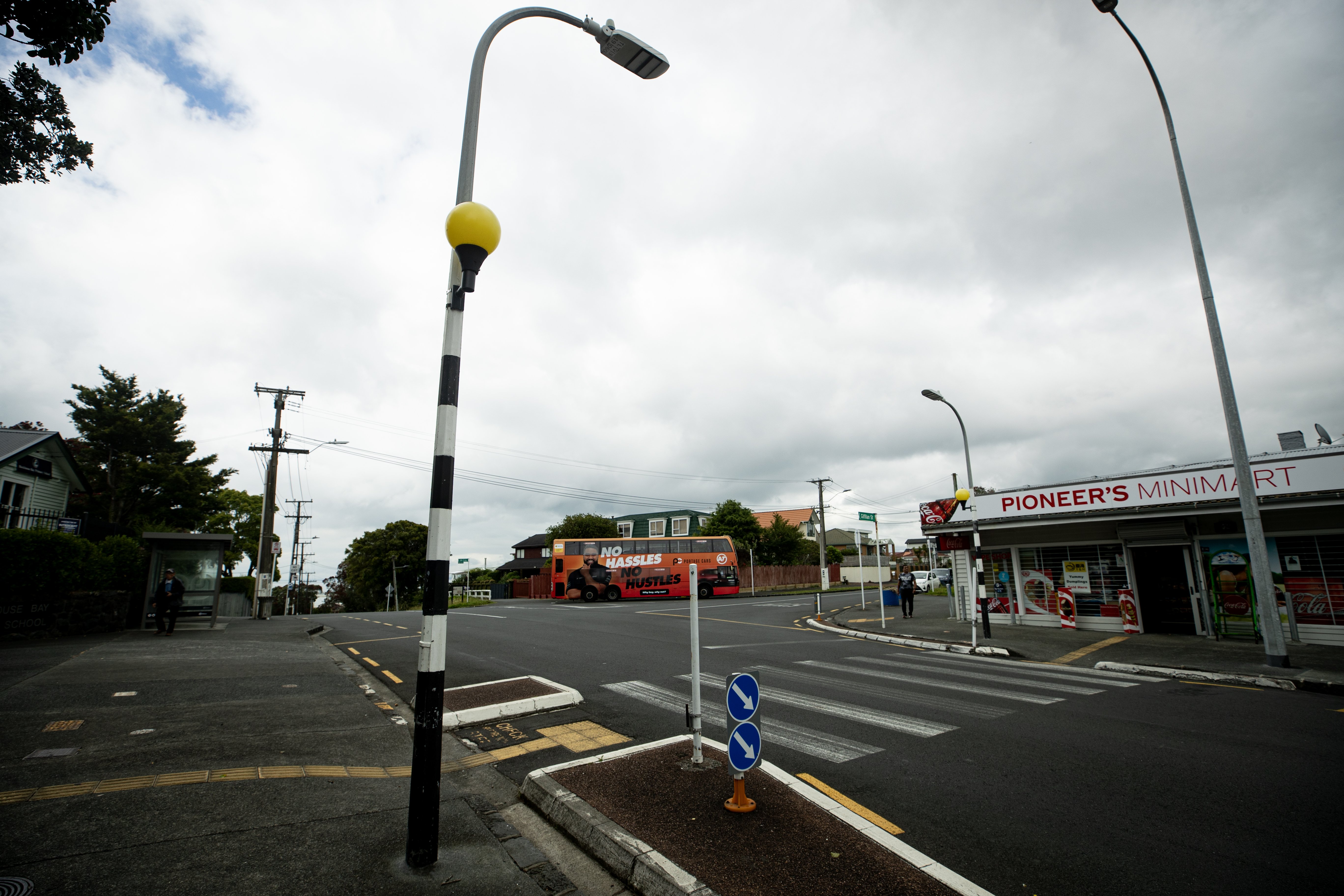
Businesses support the safety upgrades but vehemently oppose the new layover outside the village green with the loss of car parks.
In a submission to AT on its plans, Blockhouse Bay town centre manager Jody Judd said the town centre is known for its village green next to the library where the layover area is planned.
“Upgrade the crossings, raise them, and paint them red if that’s what it takes to make them safer. If we do lose car parks, you are damaging the small businesses and people’s livelihoods. It will ruin our village.
“We are not opposed to any safety upgrades... safety of children and the public is imperative,” said Judd, saying in the seven years she had worked in Blockhouse Bay, she had never been notified of any accidents or near misses on the crossing being upgraded.
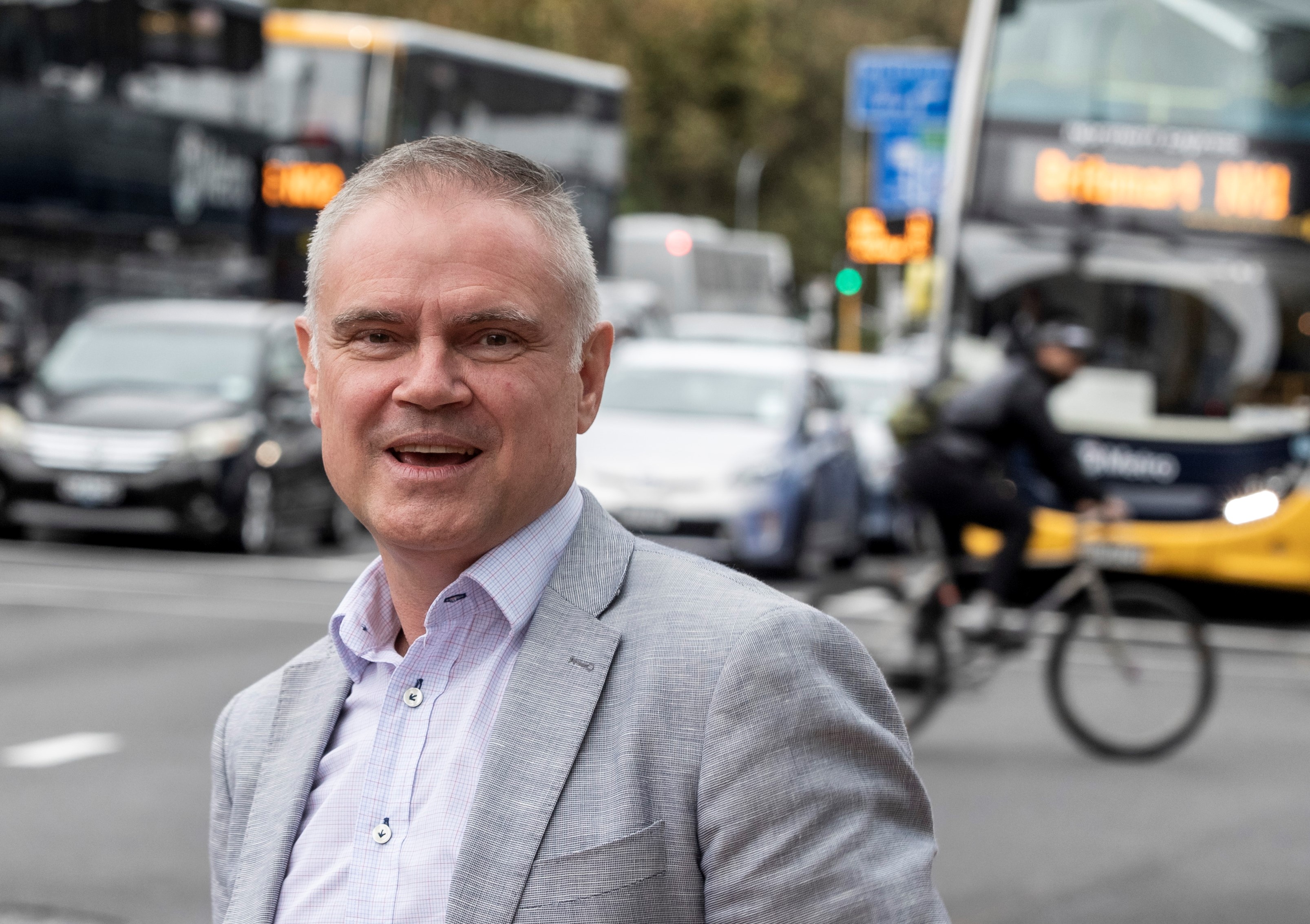
Kimpton said AT looks to deliver projects that offer cost-effectiveness, strong community support, and respond to legitimate safety needs.
He said previous pedestrian crossings similar in nature to the Blockhouse Bay crossing have cost about $250,000 to $300,000, with a spokeswoman confirming this is the estimate for the planned new crossing.
The new speed hump is also expected to cost between $20,000 and $25,000.
Kimpton said AT is deeply committed to delivering value for money for Aucklanders and will evaluate the design and construction methodology of the project, estimated to cost between $800,000 and $900,000.
“We’ve had valuable feedback from the community, and we will be looking at a range of options as we work through the feedback,” he said.
Hairdresser Matt Borsos has been in business in Blockhouse Bay for three years.
He said creating a layover area for double-decker buses in front of the village green used for markets and festivals, and the removal of anywhere from six to 12 car parks, would ruin the character of the area and be hard on businesses post-Covid.
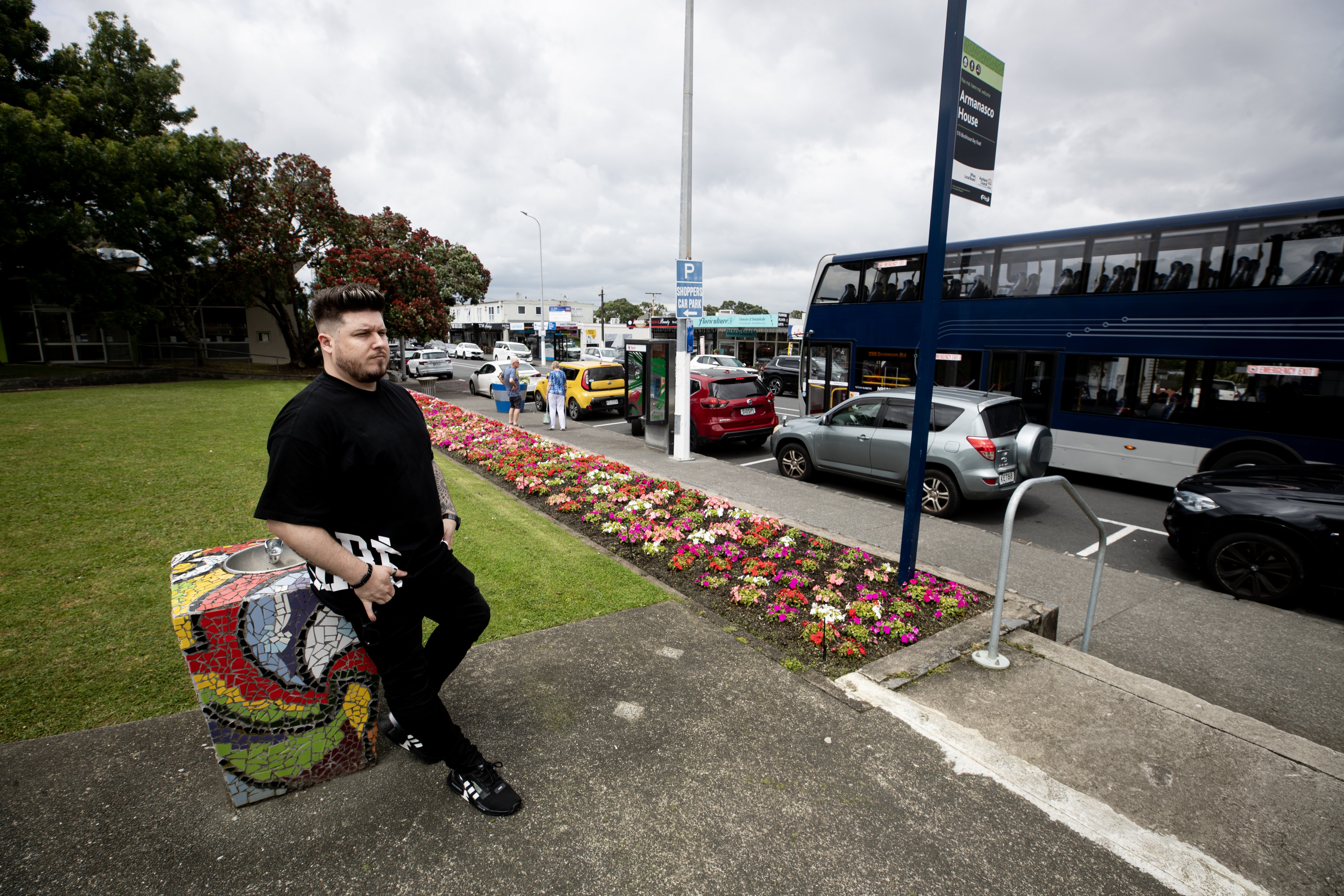
“Blockhouse Bay already has seven bus stops in its strip. At what point does it become a bus depot?” he said.
Borsos said most of the buses that come into the strip are nearly empty because they are at the end of their line, and the best solution is for buses to avoid the town centre and go down Kinross St where there is a toilet for bus drivers, and a roundabout.
“This is a band-aid issue. Let’s not waste the money,” said Borsos, who believes a new set of lights is all that is needed at the pedestrian crossing.
Whau Local Board chairwoman Kay Thomas said safety improvements are needed in the shopping centre, saying the pedestrian crossing outside the primary school is dangerously close to the intersection where buses turn around.
She said the board would like AT to investigate moving the bus layover away from the shopping strip, and down Kinross Rd to Craig Avon Park.
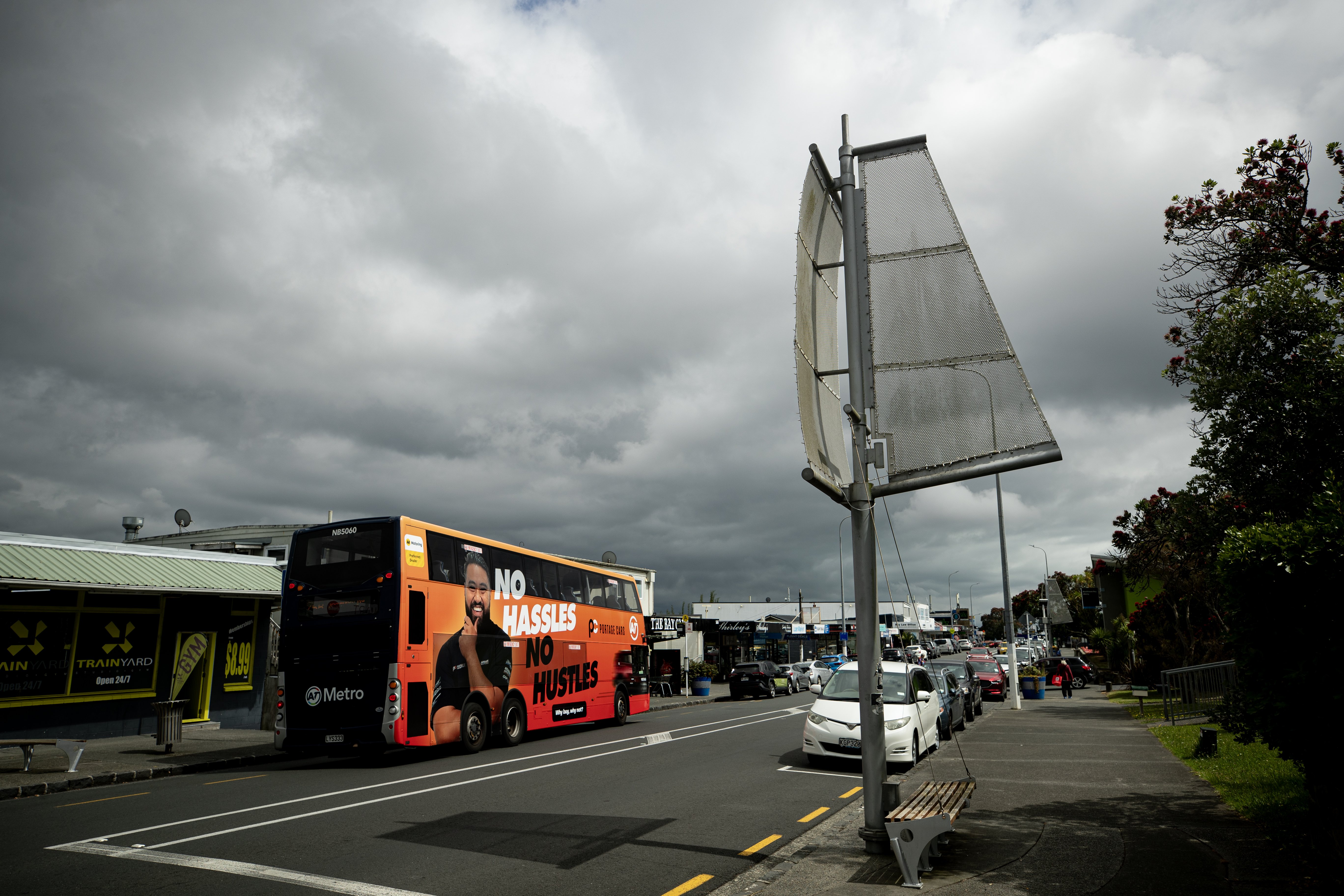
Thomas said the board is horrified at the way costs of raised pedestrian crossings have blown out in the last two years, citing estimated costs of $375,000 and $492,000 for new crossings outside Jireh and Rosebank schools respectively in Avondale.
The prevalence and cost of new pedestrian crossings have caught the attention of Transport Minister Simeon Brown, who last year stopped plans by AT to install a $450,000 raised pedestrian crossing in his Pakuranga electorate on Pakuranga Rd.
Brown labelled it “crazy” and promised to slash $3 billion from road safety programmes to spend on new roads.
Bernard Orsman is an Auckland-based reporter who has been covering local government and transport since 1998. He joined the Herald in 1990 and worked in the parliamentary press gallery for six years.