If New Zealand’s nuclear-free stance still makes sense, it can survive debate – Jonathan Ayling
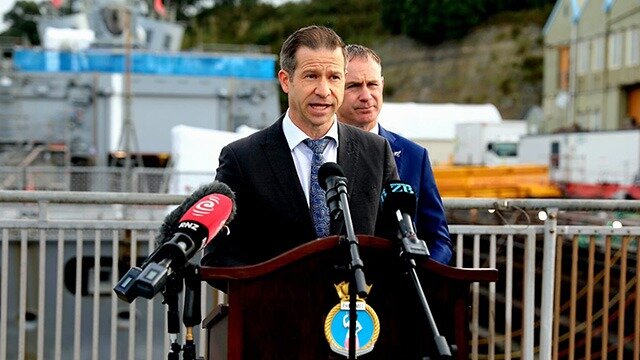
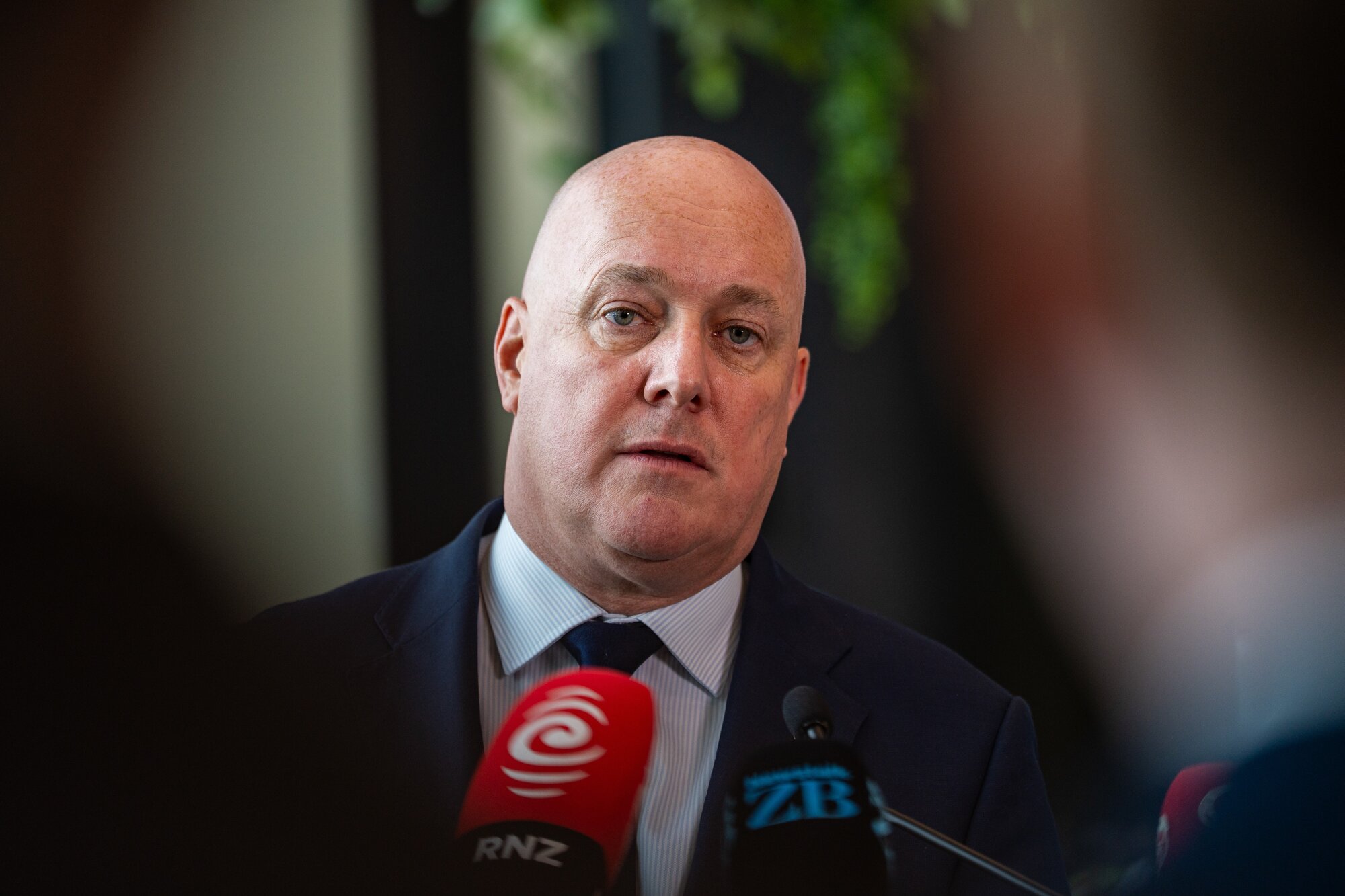
Since making his comments in Singapore regarding New Zealand’s nuclear-free position, Chris Penk has had the unenviable task of walking back a suggestion we might even be open to discussing what our future might be on this issue.
The Defence Minister insists he was really talking about New Zealand’s military needs rather than the nuclear question itself. Perhaps that is true. But the speed of the retreat was revealing.
In New Zealand, no matter how many decades pass, some shibboleths remain unchallengeable. Merely suggest there may be alternative ways of seeing the question, and watch the panic set in.
Such an approach impoverishes us. It narrows our politics, weakens our strategic imagination and, importantly, leaves too many serious questions outside the bounds of debate.
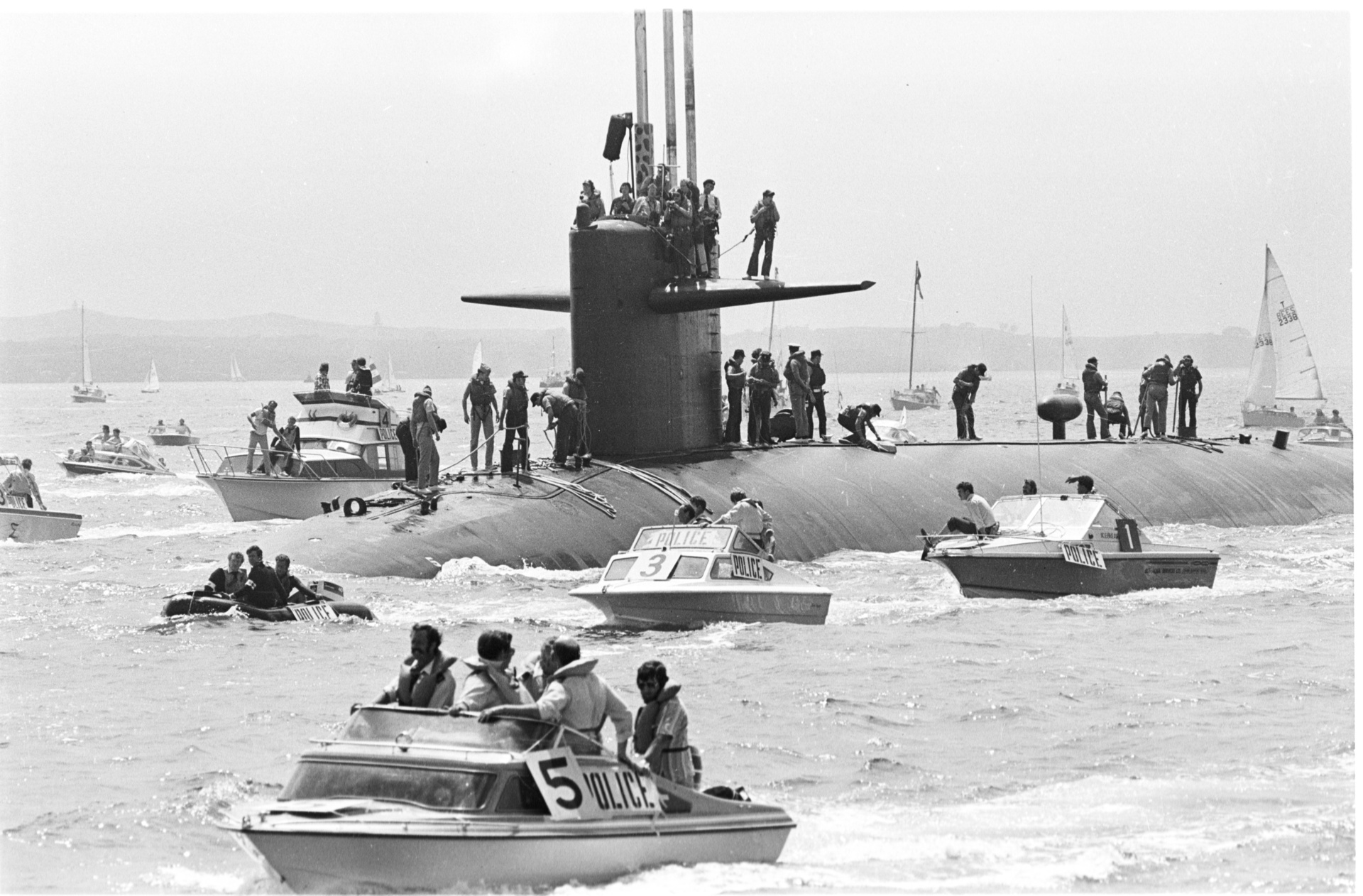
New Zealand’s 1987 nuclear-free law was born of a particular moral and strategic moment: French nuclear testing in the Pacific, the Rainbow Warrior bombing, Cold War anxieties and a deep public conviction that New Zealand should not be drawn into the nuclear logic of great-power politics. Over time, our position became more than a law. It became part of our national identity.
There is nothing wrong with that. The nuclear-free position reflected a real conviction and one many New Zealanders still hold sincerely. But nearly 40 years on, New Zealand should be capable of considering how the world around us has changed.
Clearly, we are no longer living in the same Pacific, the same energy environment, or the same strategic order. Australia (our sole ally) is acquiring nuclear-powered submarines. The Indo-Pacific is less stable. The phrase “benign strategic environment” is entirely foreign.
None of that settles the nuclear question itself. It only shows why treating it as entirely settled forever is a mistake.
Too often in New Zealand politics, the act of simply raising a question is treated as if the answer itself has already been smuggled in. Suggest we discuss a settled subject and the response is not curiosity but alarm. A sense of betrayal. The assumption is that some ideas are so dangerous they must not even be examined.
The discussion is forced into a false binary. Either New Zealand is preparing to abandon its nuclear-free position (Shane Jones has the fast-tracked reactor ready to build in the middle of some bird sanctuary) or there is nothing at all to discuss.
Nadine Higgins asked the Prime Minister if we are not going to change the policy, what is the point of the debate? Obviously, we cannot know the result of a debate before we have had it – that is the point of the debate.
A proper discussion may simply draw clearer distinctions between nuclear weapons, propulsion and energy – or it may leave the substance unchanged, but strengthen the public case for it.
A debate is not pointless because it fails to produce revolution. Sometimes its value is that we remember why we hold a particular position. (Born almost a decade after this policy was set, I for one could do with a revision; especially when the international stakes seem so high.)
That is what is so impoverishing about the “gotcha” style of political journalism, which is less interested in the substance of the debate than in forcing politicians into premature declarations. Will you change the law? Will you rule it out? Will you promise nothing can ever change?
Politicians learn that difficult subjects should be approached only through retreat and ambiguity. In short, lots of noise (“what I can tell you is ... I don’t know how to be any clearer than I have been”) but no substance. That is a poor habit for a small nation in a changing world. Dangerous too.
How small will we allow our public debates to become when a conversation itself is treated as a concession? Asking whether a law still serves the national interest is not the same as demanding its repeal. Considering nuclear energy is not the same as endorsing nuclear weapons. Debating nuclear propulsion is not the same as inviting nuclear arms into Waitematā Harbour.
Anyone serious about New Zealand’s energy future should be willing to discuss nuclear power. Anyone serious about our economic future should be willing to discuss whether our position makes sense in a world of expensive electricity and decarbonisation. Anyone serious about our security should be willing to discuss whether our defence settings match the world we actually inhabit.
The answer may still be no. New Zealanders may decide the nuclear-free position remains morally right, strategically useful, politically non-negotiable. But if that is the case, it should not require silence to sustain it.
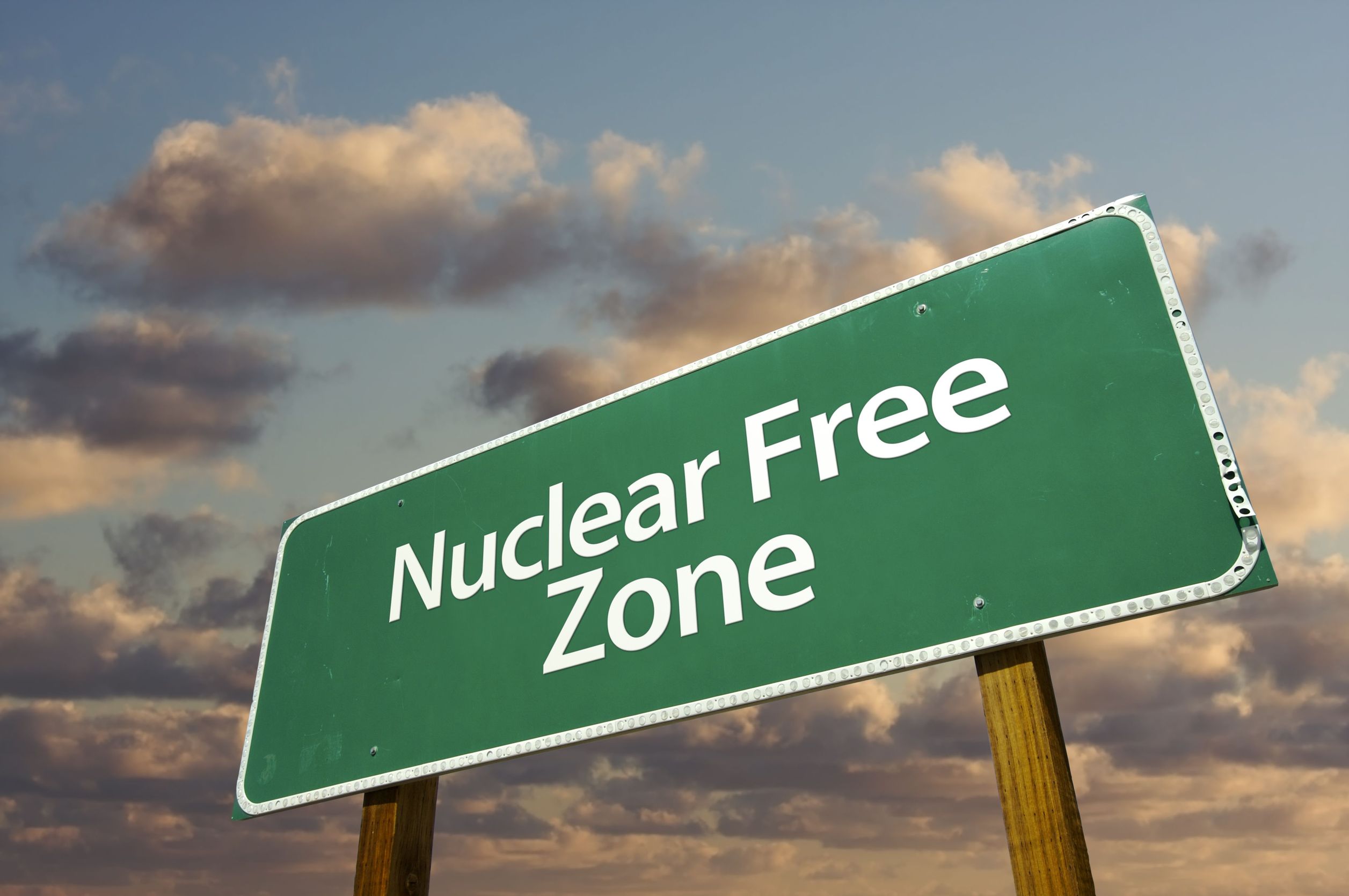
The danger is not that New Zealand will suddenly abandon its nuclear-free identity because one minister suggested a conversation. The danger is that we become a country unable to revisit the most important questions because they once acquired symbolic status. That is how nations stagnate. A principle strengthened by argument is stronger than one protected by taboo.
The world has changed since 1987. Perhaps our nuclear-free law should not. But a country confident in its principles should not be frightened by the question.
Because if our leaders are too frightened to raise settled questions, and voters too eager to punish those who do, we will become very good at defending yesterday’s answers and poor at meeting tomorrow’s challenges.
Jonathan Ayling is a strategy consultant and professional director. He is the former chief executive of the Free Speech Union (NZ), an Act Party supporter and donor, and has worked as a ministerial staffer and senior Parliamentary adviser in both Government and Opposition.
Jonathan Ayling is a strategy consultant and professional director. He is the former chief executive of the Free Speech Union (NZ), an Act Party supporter and donor, and has worked as a ministerial staffer and senior Parliamentary adviser in both Government and Opposition.
Jonathan Ayling is a strategy consultant and professional director. He is the former chief executive of the Free Speech Union (NZ), an Act Party supporter and donor, and has worked as a ministerial staffer and senior Parliamentary adviser in both Government and Opposition.
Jonathan Ayling is a strategy consultant and professional director. He is the former chief executive of the Free Speech Union (NZ), an Act Party supporter and donor, and has worked as a ministerial staffer and senior Parliamentary adviser in both Government and Opposition.
Catch up on the debates that dominated the week by signing up to our Opinion newsletter – a weekly round-up of our best commentary.