Army’s entire bicultural policy on hold amid apparent Defence Force confusion
The Minister of Defence and the Army paused the cultural framework. Now they are talking about pausing the entire bicultural policy. David Fisher reports.
A former Army officer claims there is confusion all the way to the top of the Defence Force over its bicultural policy.
Last month, the new “cultural skills framework” was paused after coalition partners raised concerns - yet now it seems the military’s entire bicultural policy is on hold, he said.
This follows intense political scrutiny of the policy, first reported by the Herald, and a shift in the language Minister of Defence Judith Collins has been using about it.
The former officer, who spoke on the condition he would not be named, questioned why it has been so unclear which aspects of the policy have been put on ice.
The Army’s new bicultural policy was launched on January 28, with the intention of unifying personnel around the incorporation of a strong te ao Māori identity.
Inside that policy was a “framework” that formed part of the direction-setting, with goals for Army leaders to aim for - such as knowing two waiata, or taking te reo Māori language lessons.
The Army and Collins first responded to Herald questions about the new direction saying the “framework” was on hold - then later made it clear the entire policy was on hold.
The former officer said the clear difference between the big-picture document and the smaller framework it contained meant there shouldn’t have been any confusion. He said both the policy and the framework were unpopular among many current and former Army personnel.
The man speculated that the minister’s office and NZDF were caught on the hop and bungled the initial public phrasing.
But he said it could equally be that the Army was reluctant to backpedal on the big-picture document.
He said it was possible the Army had put forward the framework to be paused and, in so doing, faced further scrutiny from Collins’ office and the subsequent pause on the whole policy.
The source said the situation would be humbling for Chief of Army Major-General Rose King.
A former senior NCO, who was also critical of the policy, said it attempted to drive top-down Māoritanga that had previously filtered up from the ranks, where command enabled it to permeate Army culture.
When King launched the controversial new policy, she told soldiers it would be a new approach, intended to shape the fighting force around a shared identity.
Formally titled “Army General Orders – Personnel Part 1: Ngāti Tūmatauenga”, the policy built on the Army’s characterisation of itself as an iwi of the Māori god of war.
While that styling has been core since 1994, the policy took it further, formally codifying and embedding it - and te ao Māori practices - into daily operations and philosophy.
King’s policy launch material characterised the move as necessary to strengthen cohesion in the face of modern conflict.
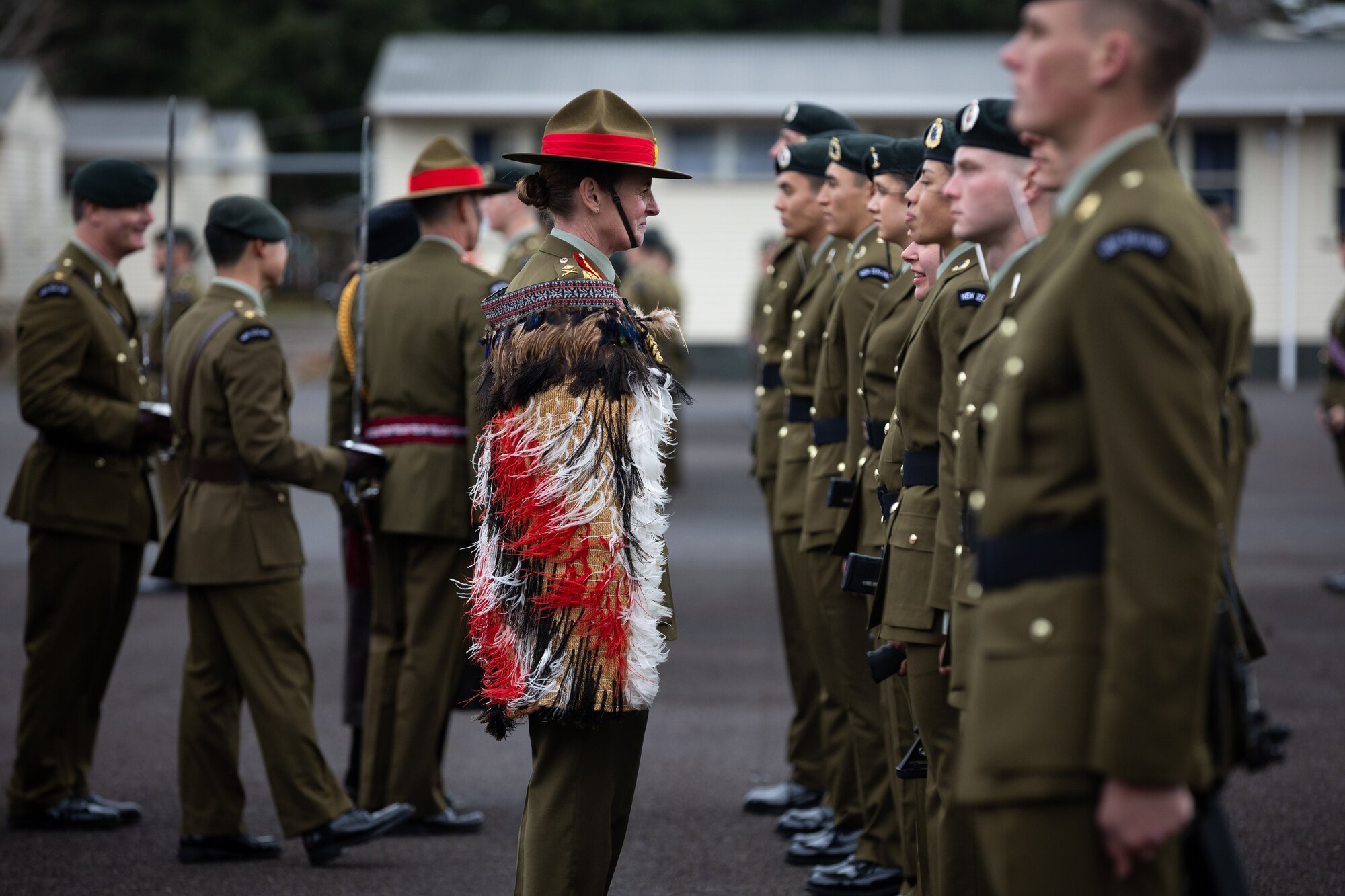
“In today’s environment of modern conflict, adversaries use disinformation, influence operations, and psychological tactics to fracture cohesion and trust,” she said.
“Their goal is to divide us internally before engaging us externally. By strengthening our cultural understanding and shared identity we can defend against these threats.”
Then, about two weeks later, Collins was alerted to the new policy by the Act Party’s Todd Stephenson and then NZ First’s Winston Peters.
The Herald confirmed with Collins’ office that she had been unaware of the new policy until then.
What followed was an abrupt halt - and apparent confusion over what was actually being put on hold.
Last month, NZDF said in two statements that it was the “cultural framework” that had been paused.
One of the statements read the “cultural skills framework has been paused to enable broader consultation”.
“The framework was contained within the Army bicultural policy. The Army agrees the framework needs further consideration.”
Collins used the same language, saying: “I was made aware of the framework only this week and immediately sought further information from Army leadership. I am advised that the Army has paused implementation of the framework to allow for broader consultation”.
The use of the phrase “cultural skills framework” appeared to refer only to a part of the overall bicultural policy.
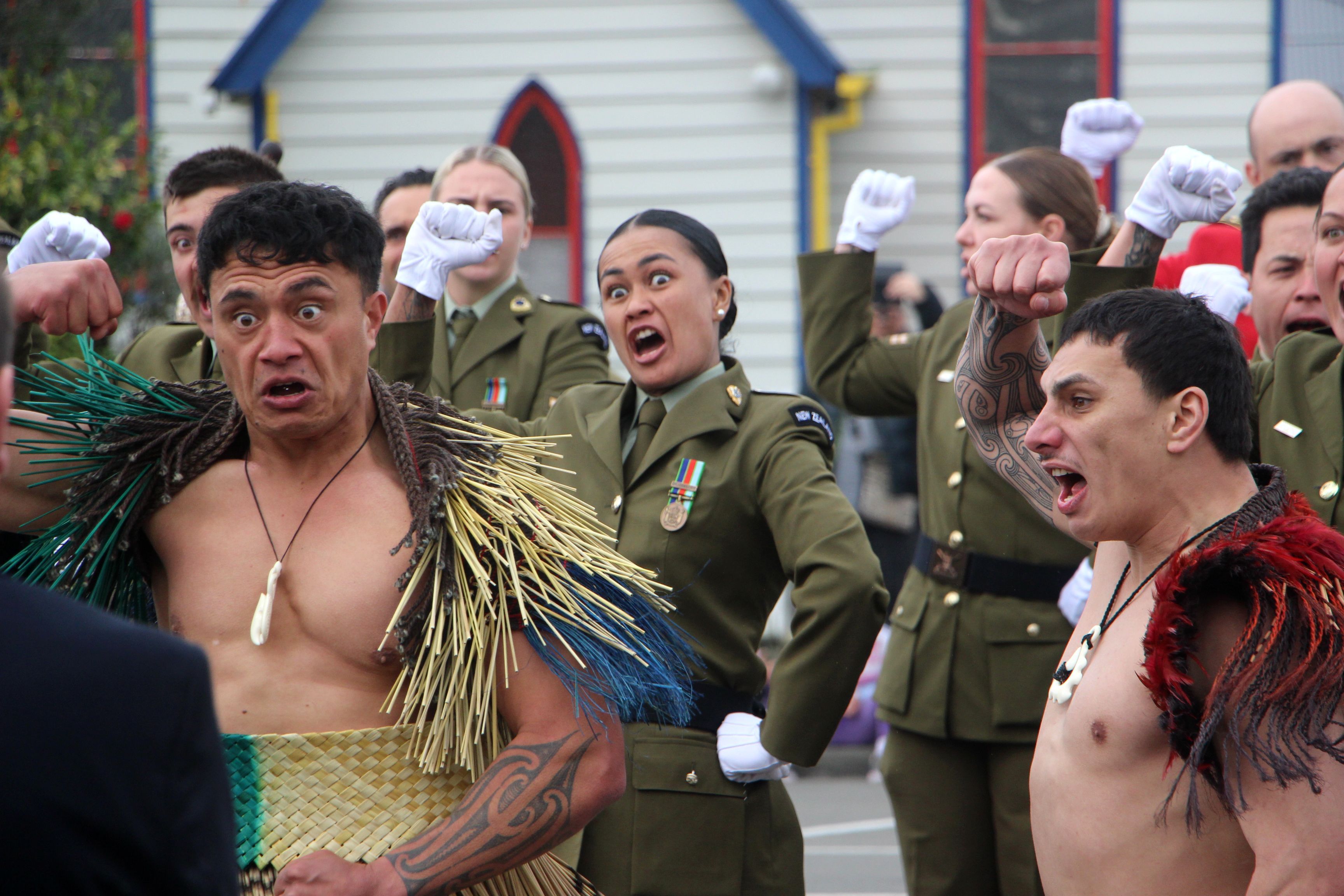
Inside the policy, is “Annex 2B” - the “New Zealand Army Cultural Skills Framework” - which was introduced by a section of the bicultural policy with these words: “This framework is intended to develop the cultural skills and knowledge of both Māori and non-Māori members of Ngāti Tūmatauenga, the NZ Army.
“Whilst this framework is aspirational and future focussed, its intent is to ensure the organisation, each level of leadership, and each rank, role and individual, has a clear understanding and direction for continual improvement.”
The wider policy, though, was seen by former service personnel spoken to by the Herald as far more controversial than the framework inside it.
The policy said the Army sought to “achieve a bicultural status by enabling the recognition of Māori cultural interests as they are guaranteed within Te Tiriti o Waitangi”.
The policy placed Māori cosmology at the centre of its identity, describing how the narrative of Tūmatauenga reflects struggle, resilience, leadership and the balance between war and peace. It referenced other atua including Rongo (peace), Papatūānuku (Earth Mother), and Hine-nui-te-pō (death), stating that the balance between these forces should inform the Army’s approach.
The policy put in place governance structures including Te Rūnanga ō Ngāti Tūmatauenga as an authoritative advisory body on te ao Māori matters in the Army.
It also set out a vision of the Army as an expeditionary combat force strengthened by bicultural heritage and reflective of New Zealand society. In doing so, it linked identity to operational effectiveness saying shared values underpinned the Army’s ability to “fight and win”.
In contrast, the annexed cultural skills framework set out competency expectations at different leadership levels.
Those included Army leaders using tikanga Māori in day-to-day office practice, singing at least two common waiata, performing a simple karakia from memory, and reciting pepeha.
It was this framework that NZDF initially said had been paused.
NZDF has now stated the two “cannot be paused in isolation”, effectively broadening its original public description of what had been halted.
NZDF initially stated: “The Army’s cultural skills framework has been paused to enable broader consultation. The framework was contained within the Army bicultural policy. The Army agrees the framework needs further consideration”.
The Herald raised with NZDF and the minister’s office the “pause” of the “cultural skills framework” and asked about the status of the broader bicultural policy.
In a further email, the language from NZDF’s public affairs office shifted to talk about the “policy”.
An NZDF spokesman said “the framework was contained within the policy”.
“Neither the framework nor the policy can be paused in isolation.”
The NZDF spokesman and Collins’ spokeswoman said the bicultural policy has been paused for “broader consultation”.
The Herald has asked the minister’s office and the Army to explain the shift in language from the “framework” to the “bicultural policy” being on hold. Neither has responded.
Ian Martyn, a former Royal NZ Air Force and then Army serviceman of 37 years, said he believed the policy was exclusionary and would have the effect of contorting the service.
Martyn - who now dedicates himself to reuniting service people with their medals - said the British roots of the three services now had a Maori “overlay” which tied progress through a military career to acceptance of a cultural lean.
“We are no longer the culturally neutral organisation that we were.”
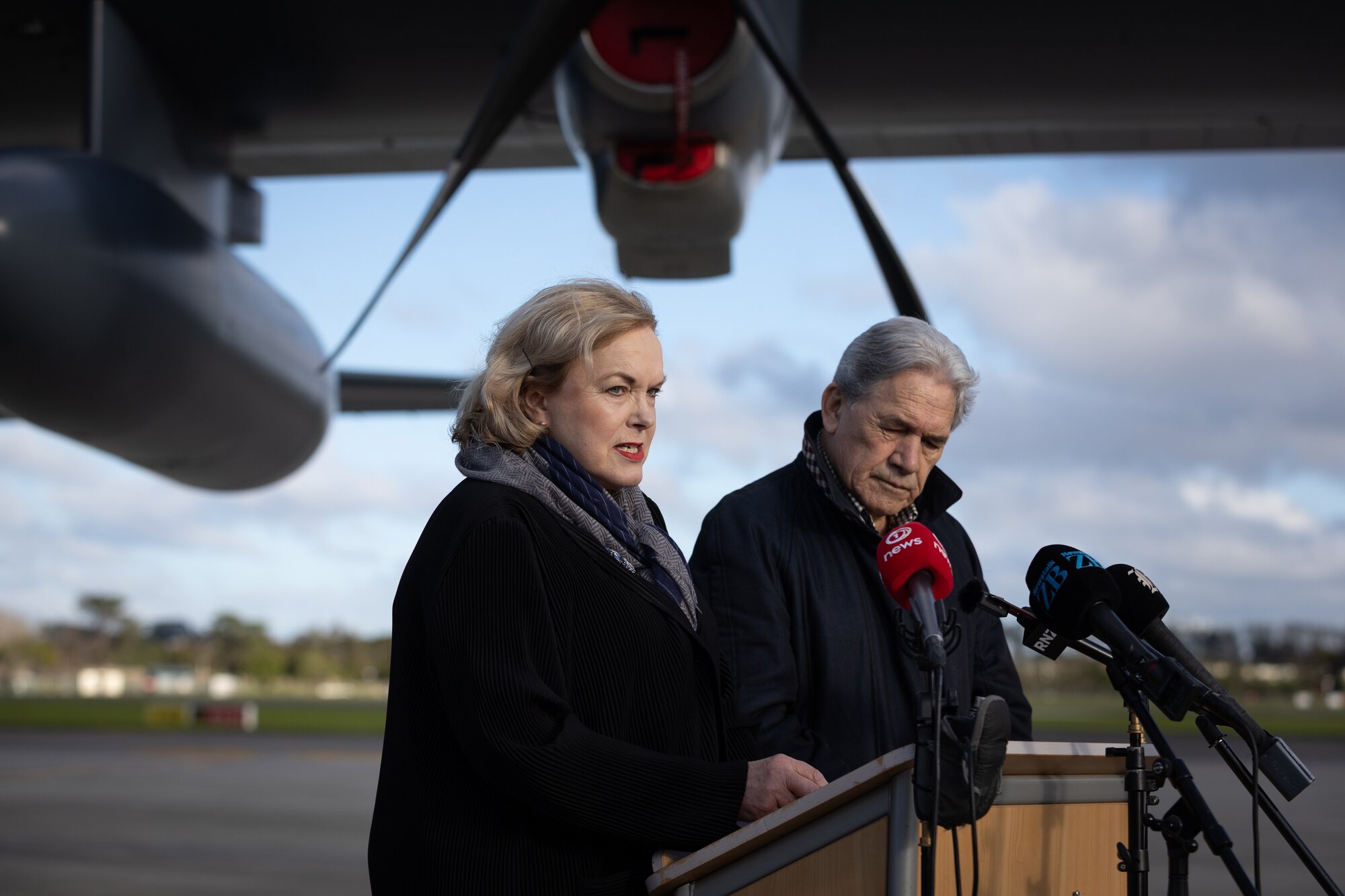
Act MP Todd Stephenson appeared the first to raise concerns, with a letter to Collins on February 10 about both the policy and the framework.
He said the framework imposed ideological requirements beyond what would normally be expected of a politically neutral public service.
Stephenson asked “this policy and framework be reviewed as a matter of priority to ensure they align with the Government’s expectations and the principle of equal treatment regardless of background or belief”.
His party leader David Seymour later told the Herald: “They are taking sides on an issue Parliament has recently debated and that is not something any Defence Force should be doing”.
Peters told the Herald the document was “totally inappropriate” and said he had raised it directly with Collins.
David Fisher is based in Northland and has worked as a journalist for more than 30 years, winning multiple journalism awards including being twice named Reporter of the Year and being selected as one of a small number of Wolfson Press Fellows to Wolfson College, Cambridge. He joined the Herald in 2004.
Sign up to The Daily H, a free newsletter curated by our editors and delivered straight to your inbox every weekday.