Far North Mayor Moko Tepania doesn’t hide feelings over Māori wards being under threat
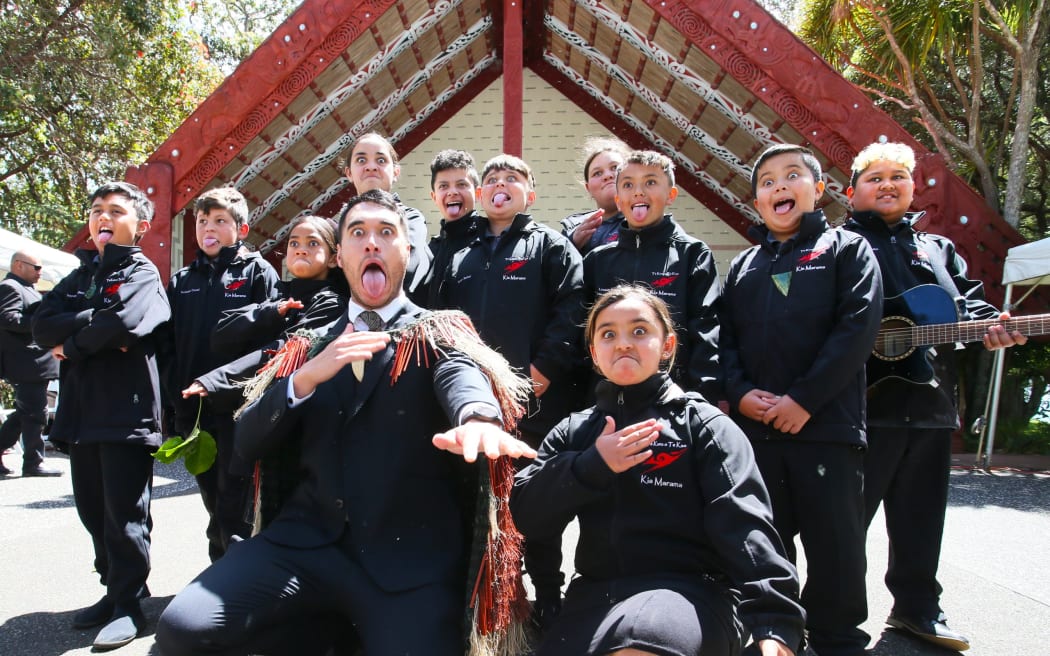
Local Government NZ has spoken out against the coalition Government’s moves to make Māori wards go through a referendum process.
While the Prime Minister and his deputies were speaking on the grounds of Te Whare Rūnanga at Waitangi on Monday, a more subdued forum was discussing the importance of Te Tiriti in local government.
The event was the first time Local Government NZ has been formally represented at Waitangi, and helped symbolise the importance of the relationships between councils and mana whenua.
About 100 people attended, an impressive turnout given the action on other parts of the grounds, said Far North kahikā (mayor) and forum chairman Moko Tepania.
Tepania did not hide his feelings about the establishment of Māori wards, saying the previous Labour Government made the rules fair.
Previously, Māori wards could be overturned with a referendum - a rule which saw many defeated but did not apply to any other wards, he said.
The Labour Government removed this provision in 2021, allowing many councils to start up Māori wards, including all four Northland councils.
The coalition Government, as part of its agreement with NZ First, has decided to reinstate the right to have referendum on Māori wards, and will compel referendums on any Māori wards established without one.
Tepania said such a referendum would cost Far North District Council $180,000, which was a waste of money.
Local Government NZ president Sam Broughton agreed the money could be better spent.
“Unfortunately, the Māori ward topic is a big distraction here - there’s things we need to talk about, like infrastructure.”
Broughton said the problem came from New Zealand’s very centralised political system, where local government only gets about 10 per cent of taxes.
Tepania agreed infrastructure was more important, acknowledging it was a cultural shame that 15 of the Far North’s 16 wastewaster treatment plants discharged onto waterways.
He also accepted the state of the roads in the district were unacceptable.
“Every single day, someone in the Far North will comment to me, message me, email me or just shout out the window, ‘fix the fricken roads’,” he said to laughs.
After the forum, he said it seemed ridiculous that local government was trusted to decide a budget of hundreds of millions of dollars, yet it could not be trusted to decide representation of its community.
“We don’t need Wellington to tell us what to do.”
From relationships with Māori to transfer of power
Northland Regional Council deputy chairwoman Tui Shortland told the forum what her council is doing to work with tangata whenua and what the future could look like.
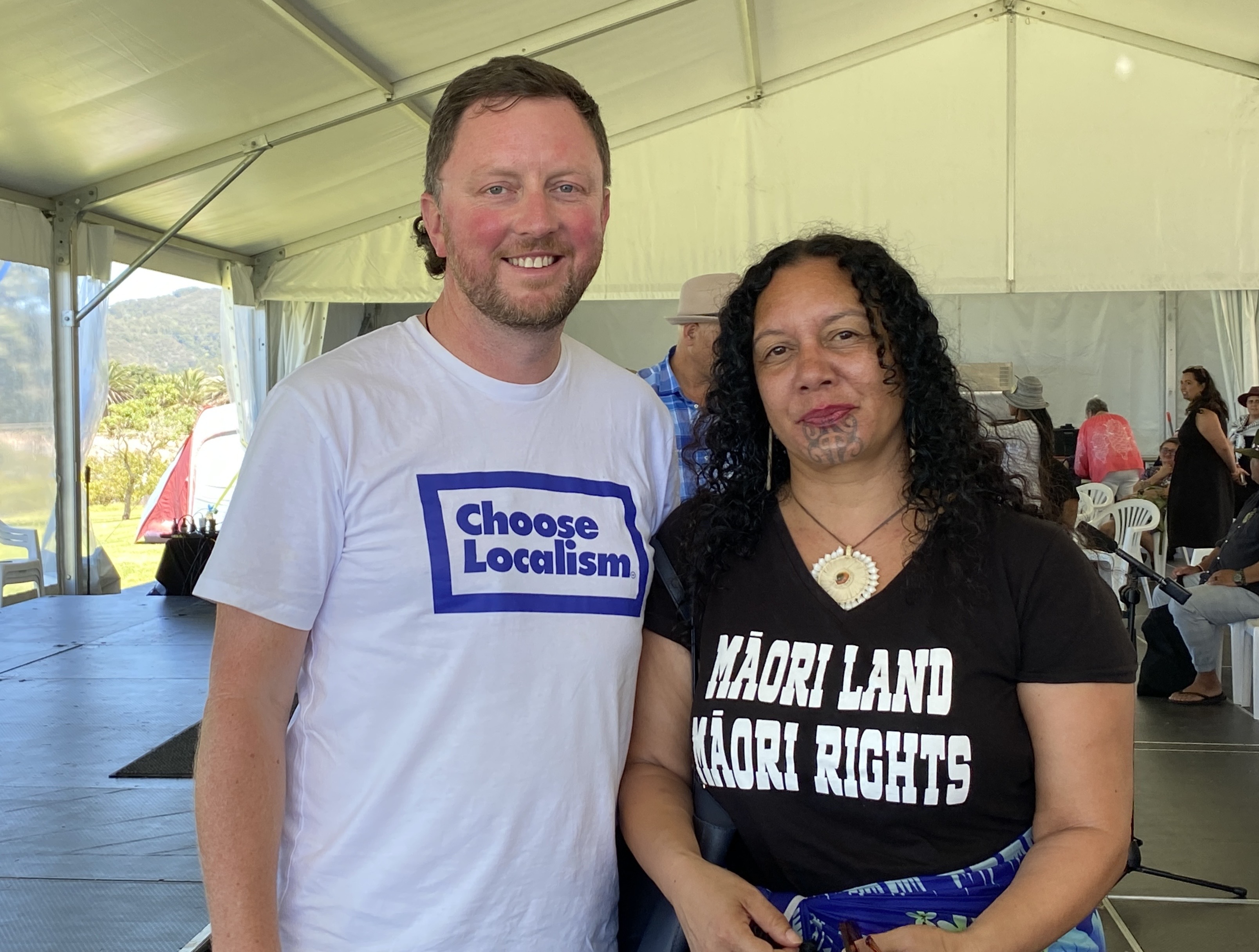
The council has established Mana Whakahono ā Rohe - formal agreements between with hapū for them to participate in resource management.
She also used the Bay of Islands setting to point to new no-take fishing zones, driven by hapū tikanga.
But Shortland said she would like to see more acknowledgement of Māori sovereignty, possibly even a transfer of power from local government to tangata whenua.
“We have just spent 10 years at a hearing providing that our ancestors did not cede sovereignty,” she said.
“Already, within our local government we are looking at ways to acknowledge sovereignty... there is a shift happening.”