Commercial power prices set to fall as renewable generation surges, Meridian says
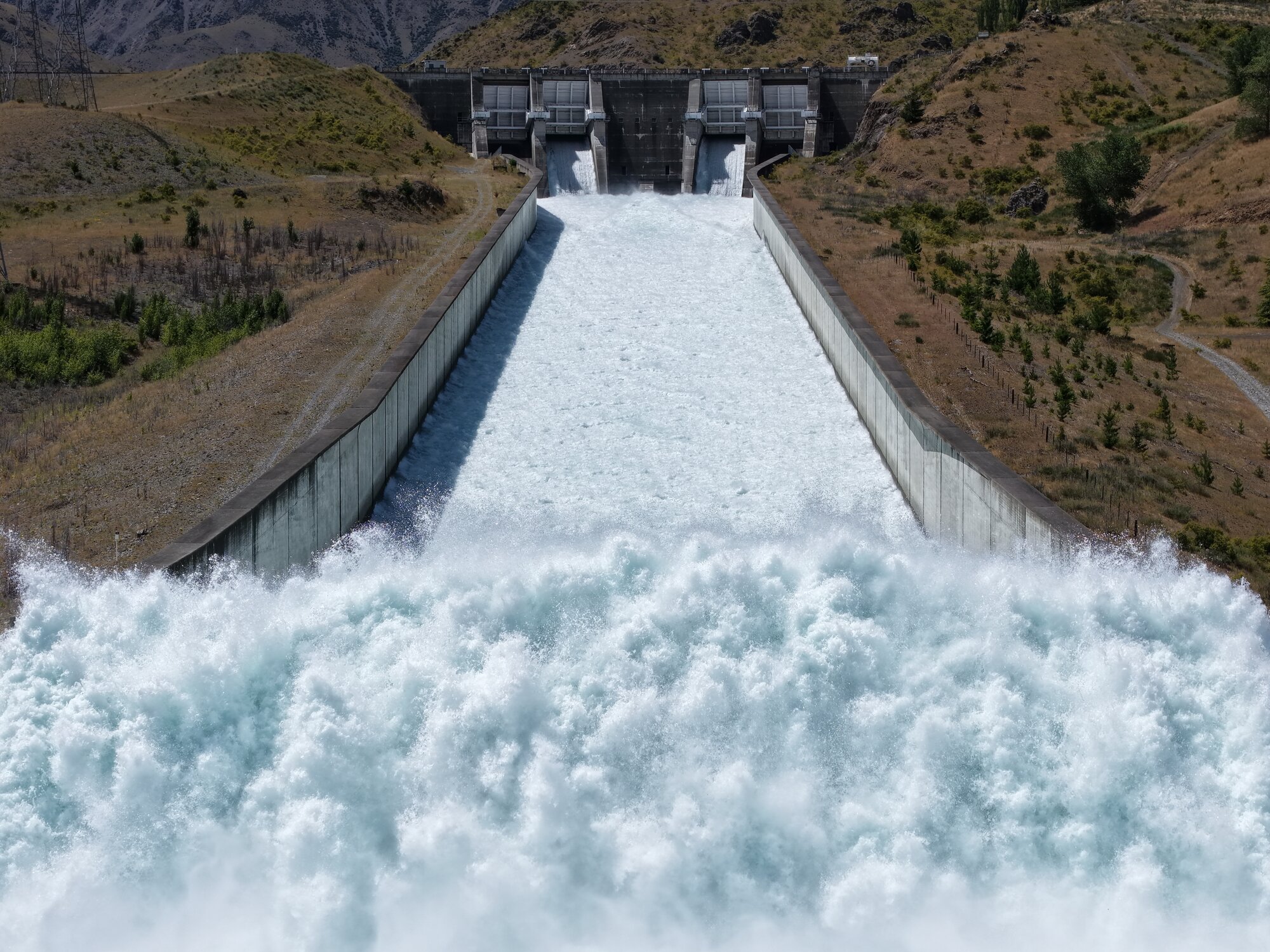
Commercial customers are in line for lower power prices because of the extra renewable generation coming on stream, Meridian chief executive Mike Roan says.
Roan, commenting in Meridian’s latest monthly operational report, said 2027 forward wholesale prices fell by over 35% from April through to today.
For 2028 and 2029, they have fallen by 15% over the same period as new renewable generation is built, he said.
“This is already resulting in lower prices for commercial customers as their contracts come up for review,” Roan said.
He said careful management of the southern hydro lakes was seeing the sector comfortably manage the current winter.
“Of course, favourable conditions are always welcomed and the combination of lake management and storms into the southern hydro catchments are reflected in relatively low wholesale spot prices for this time of year,” he said.
Lower wholesale electricity prices will eventually flow through to fixed price customers when those prices are reviewed, typically around April for Meridian.
This week, daily average wholesale prices were around just $16 per megawatt hour (MWh) compared with around $150/MWh in recent winters and the $820MWh spike in the winter of 2024.
Billions of dollars are being spent on new wind, solar and battery projects, to the extent that a 100% renewable power grid is not far off.
While wholesale power prices are coming down, distribution costs are not.
These costs, which started rising in 2025, are likely to keep rising until at least 2030, because Transpower and local lines companies plan to spend more than they have done previously to maintain the network and support growth.
The cost of generation makes up about 38.5% of the average household power bill.
Transmission makes up 8%, distribution 24.5%, retail charges 11% and GST, and metering and levies 18%.
Meridian, in its update, said that in the month to July 13, national hydro storage increased from 125% to 136% of the historical average.
South Island storage increased to 139% of average and North Island storage decreased to 126% of average by July 13, 2026.
Meridian’s June 2026 monthly total inflows were 187% of the historical average.
This financial year, to June 30, total inflows were 122% of the historical average, the highest financial year inflows since 1998.
Meridian’s Waitaki catchment water storage at the end of June 2026 was 131% of the historical average.
It was the warmest June on record, with temperatures above average for most of the country.
National electricity demand in the fourth quarter was 1.7% higher than in the fourth quarter of Meridian’s 2025 financial year.
Excluding New Zealand Aluminium Smelters’ demand for the Tiwai Point aluminium smelter, fourth-quarter demand was up 0.6%.
At the end of the fourth quarter, Meridian’s customer numbers were 12.3% higher than at the same time last year, Meridian said.
Jamie Gray is an Auckland-based journalist, covering the financial markets, the primary sector and energy. He joined the Herald in 2011.