The UK’s election has been called for July 4 - here’s what you need to know
The United Kingdom’s first election in five years is shaping up as a battle for the country’s soul, with some saying it poses an existential threat to the governing Conservative Party, which has been in power since 2010.
The centre-right Conservatives took power during the depths of the global financial crisis and have won two more elections since then. But those 14 years have been filled with challenges and controversies, making the Tories, as they are commonly known, easy targets for critics on the left and right.
Labour, which leans to the left, faces its own challenges in shaking off a reputation for irresponsible spending and proving it has a plan to govern.
Both parties are being ripped apart by the conflict in the Middle East, with the Tories facing charges of Islamophobia and Labour struggling to distance itself from antisemitism that festered under former leader Jeremy Corbyn.
Here is a look at the upcoming election and the biggest issues at stake.
When is the election in the United Kingdom?
UK Prime Minister Rishi Sunak set July 4 as the date for the election, months ahead of when it was expected. He had until December to call an election that could have happened as late as January 28, 2025.
The timing of the election is determined by the prime minister’s calculation of the date most advantageous to the ruling Conservatives. It had been expected in the autumn, when a number of economic factors were expected to have improved their chances, the Institute for Government, a London-based think tank, had said.
But favourable economic news on Wednesday, with inflation down to 2.3 per cent, changed the narrative.
How does voting work?
People throughout the United Kingdom will choose all 650 members of the House of Commons for a term of up to five years. The party that commands a majority in the Commons, either alone or in coalition, will form the next government and its leader will be prime minister.
That means the results will determine the political direction of the government, which has been led by the centre-right Conservatives for the past 14 years. The centre-left Labour Party is widely seen to be in the strongest position.
Who is running?
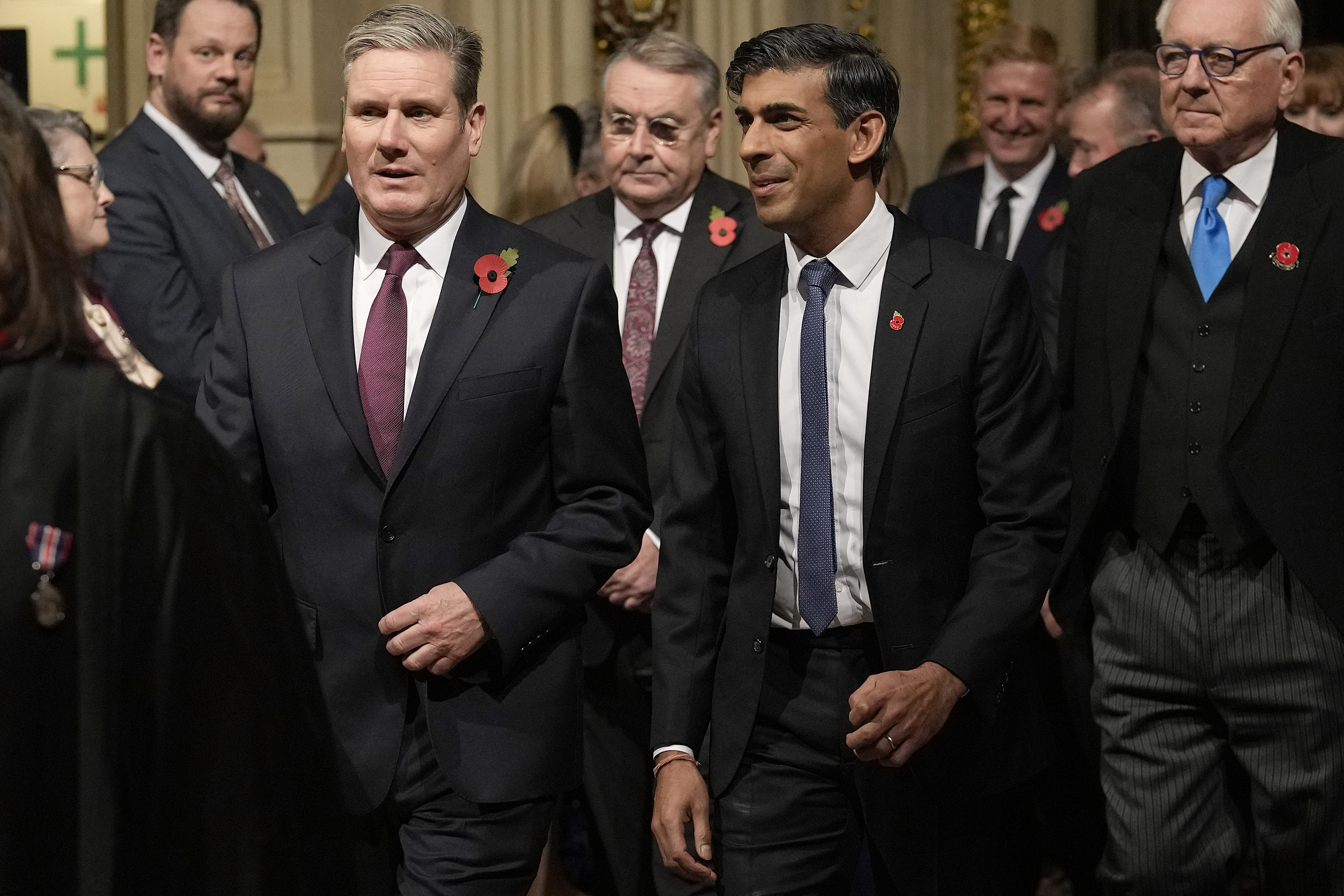
Sunak, a former Treasury chief who has been prime minister since October of 2022, is expected to lead his party into the election. His primary opponent will be Keir Starmer, a former director of public prosecutions in England and leader of the Labour Party since April 2020.
But other parties, some of which have strong regional support, could be crucial to forming a coalition government if no one wins an overall majority.
The Scottish National Party, which campaigns for Scottish independence, the Liberal Democrats, and the Democratic Unionist Party, which seeks to maintain ties between Britain and Northern Ireland, are currently the three largest parties in Parliament after the Conservatives and Labour. Many observers suggest the new Reform Party, formed by Tory rebels, may siphon votes from the Conservatives.