Jeff Bezos’ Washington Post won’t endorse Kamala Harris or Donald Trump in election
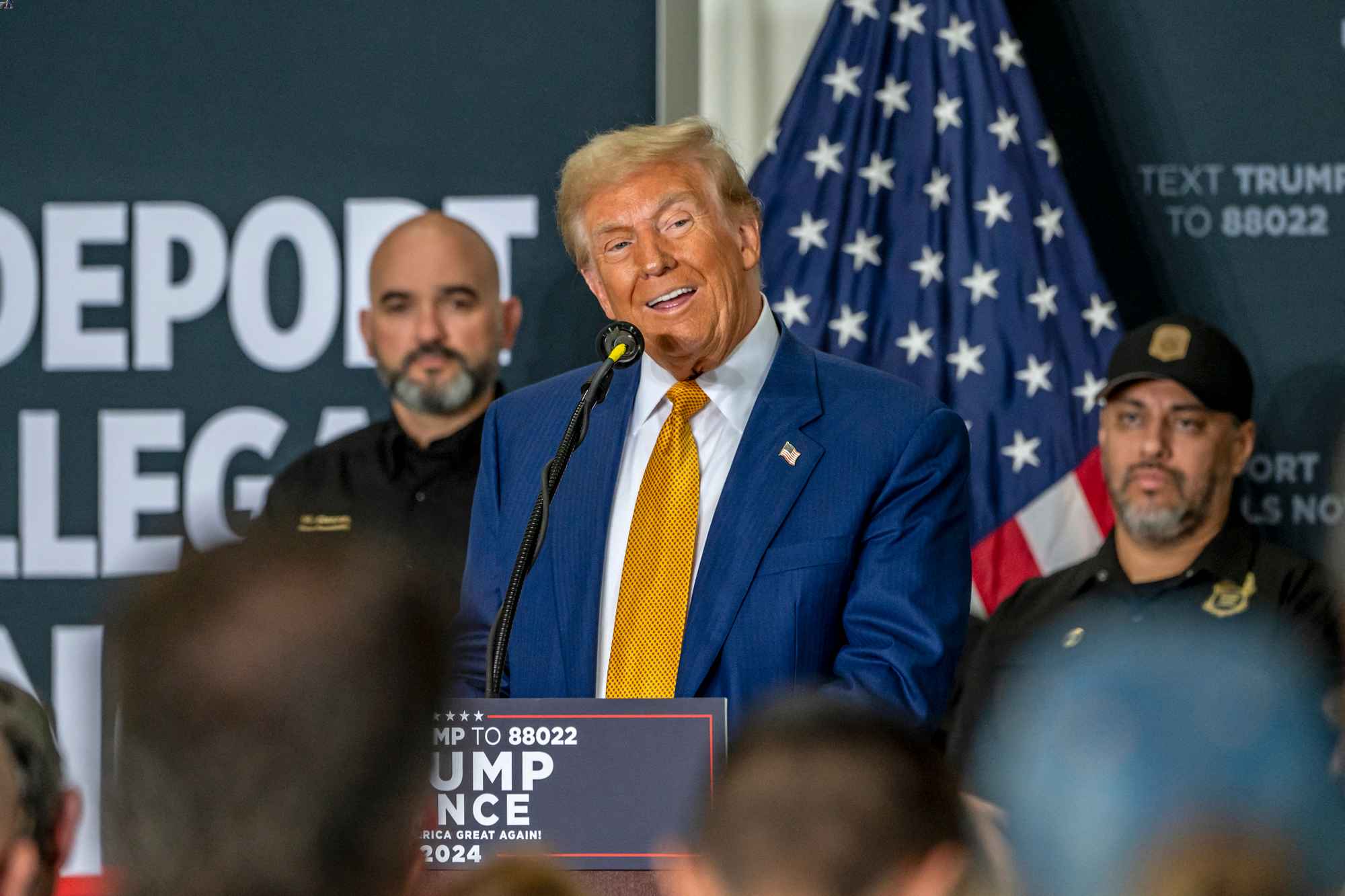
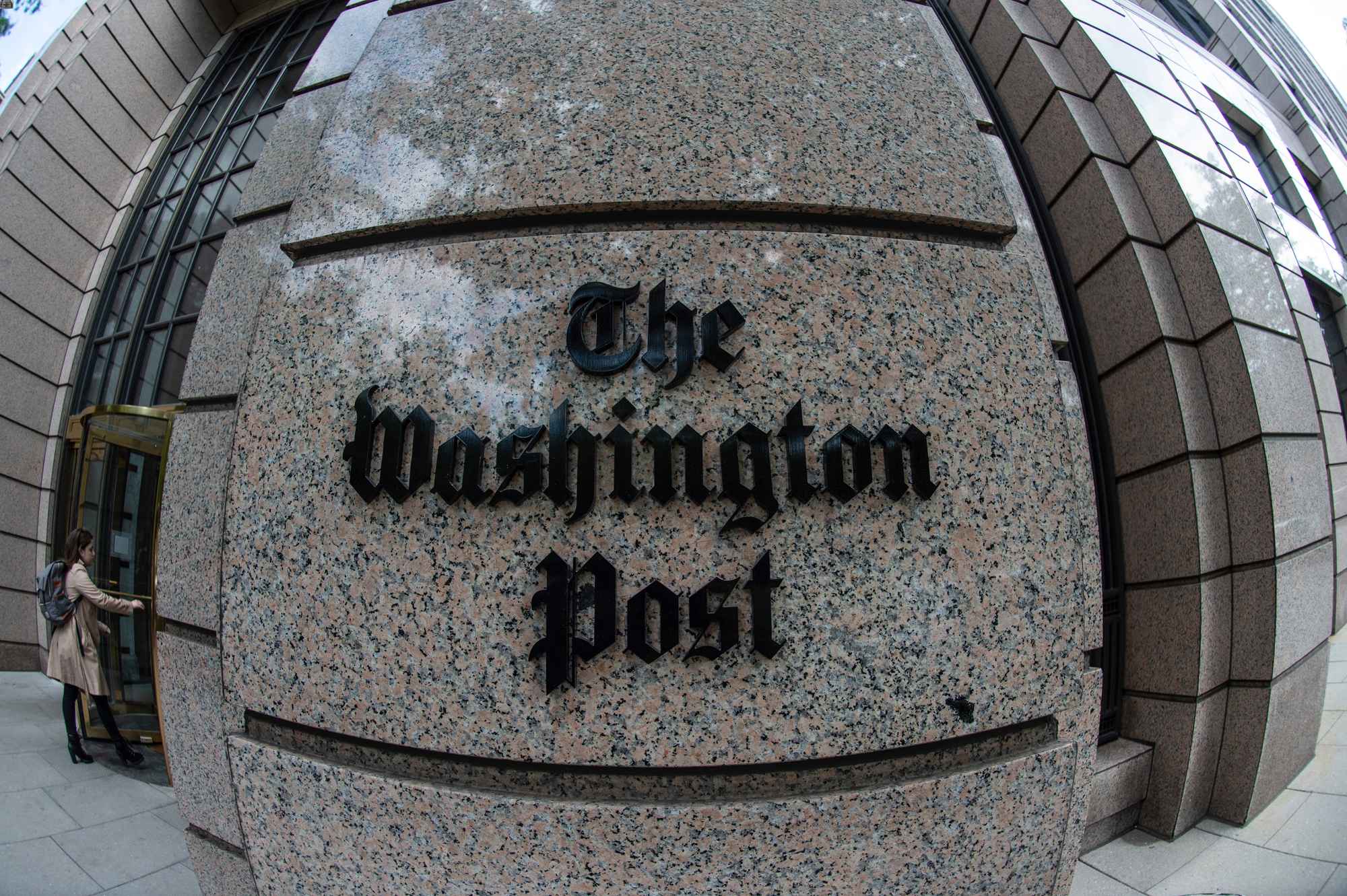
The influential Washington Post newspaper, owned by Amazon billionaire Jeff Bezos, has announced it will endorse neither Democrat Kamala Harris nor Republican Donald Trump in the US presidential election.
Chief executive William Lewis said this was a return “to our roots of not endorsing presidential candidates”.
However, the Post editorial board has endorsed candidates for much of the past four decades – all of them Democrats – before deciding to stay on the sidelines in one of the most polarising elections in US history.
Newspaper editorials have little of their once-powerful political heft. But the Post, whose slogan is “Democracy dies in darkness”, is one traditional media outlet that retains influence among Washington’s elite.
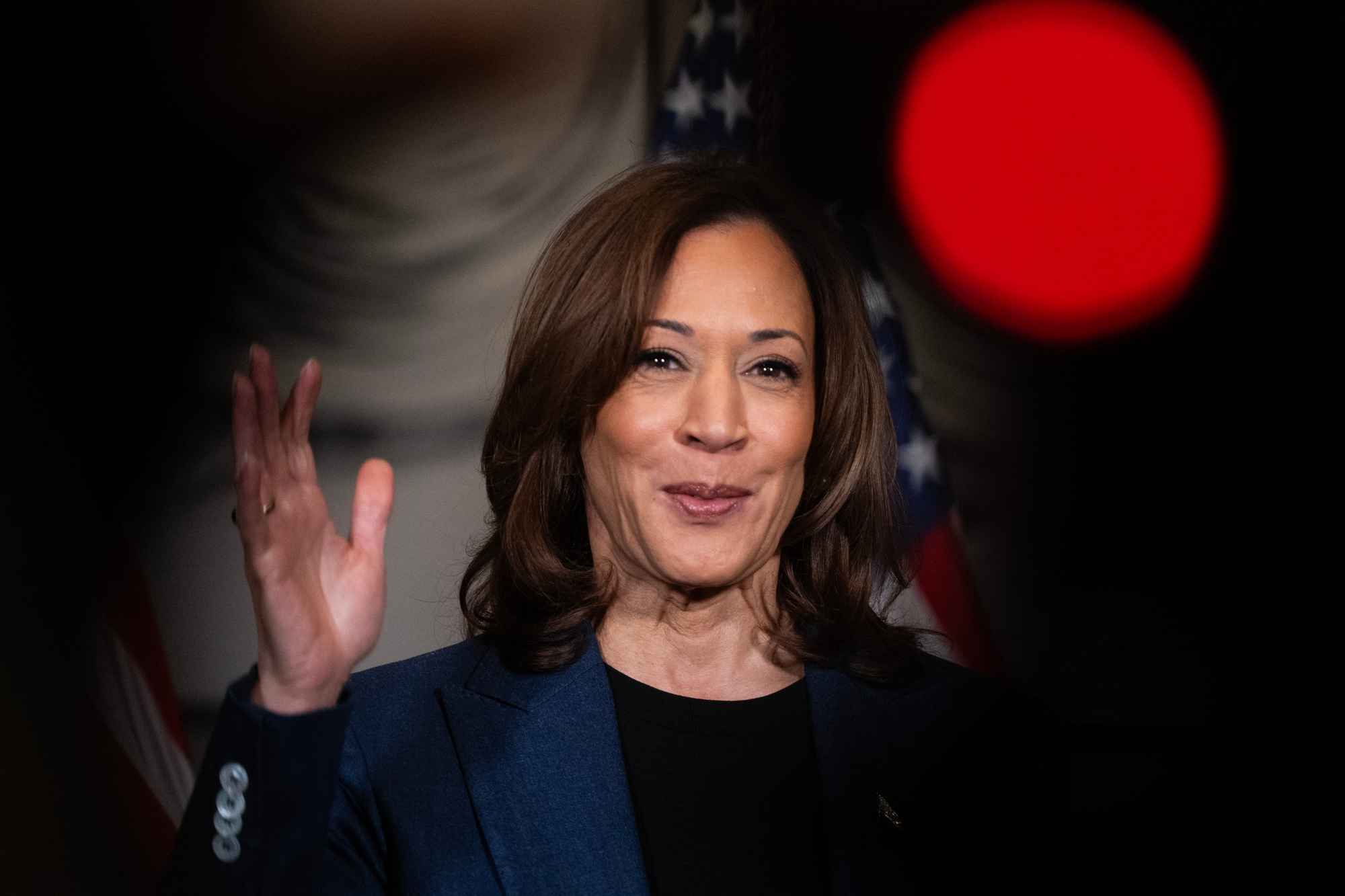
Trump’s campaign quickly pounced, crowing that “Harris is so bad, the Washington Post decided to never endorse another presidential candidate again”.
The Washington Post Guild, which represents unionised staff at the newspaper, said it was “deeply concerned”.
“We are already seeing cancellations from once loyal readers,” a statement said.
US media reported that a senior Post figure, editor at large Robert Kagan, had resigned in protest.
Billionaire owners
The Post’s decision follows a similar move by another of the big remaining US newspapers, the Los Angeles Times.
The billionaire owner of the Times blocked the editorial board from issuing an endorsement for Harris, according to editorial editor Mariel Garza, who resigned in response on Wednesday.
According to a report by the Washington Post on its website, Bezos likewise intervened to block the board from publishing its editorial in favour of Harris. However, a source close to the Post’s leadership told AFP that this “is inaccurate”.
By contrast, the New York Times endorsed Harris in September, calling her “the only patriotic choice for President” and warning that “it is hard to imagine a candidate more unworthy to serve as President of the United States” than Trump.
On Friday, Harris also scored the backing of the Philadelphia Inquirer, the biggest newspaper in swing state Pennsylvania, which declared “voters face an easy but tectonic choice”.
The Republican got his own boost Friday from the New York Post, the Rupert Murdoch-owned tabloid, which declared “America is ready for today’s heroic Donald Trump to reclaim the presidency”.
Decision seen as ‘cowardice’
In a statement, the Washington Post’s Lewis wrote that the paper would not make presidential endorsements again.
“Our job at the Washington Post is to provide through the newsroom non-partisan news for all Americans, and thought-provoking, reported views from our opinion team to help our readers make up their own minds,” he said.
The Post has been endorsing Democratic candidates consistently as far back as the 1980s, always making clear he editorial board works separately to the newsgathering operation – as is typical in US news organisations.
The Post’s former executive editor Marty Baron lashed out at the daily’s “cowardice, with democracy as its casualty”.
Baron said Trump would see the decision “as an invitation to further intimidate” Bezos.