Israel-Hamas war: Gaza hospitals warn that thousands could die if supplies run out as Israeli ground offensive looms
Medics in Gaza have warned that thousands could die if hospitals packed with wounded people run out of fuel and basic supplies, as civilians struggled to find food, water and safety ahead of an expected Israeli ground offensive in the war sparked by Hamas’ deadly attack last week.
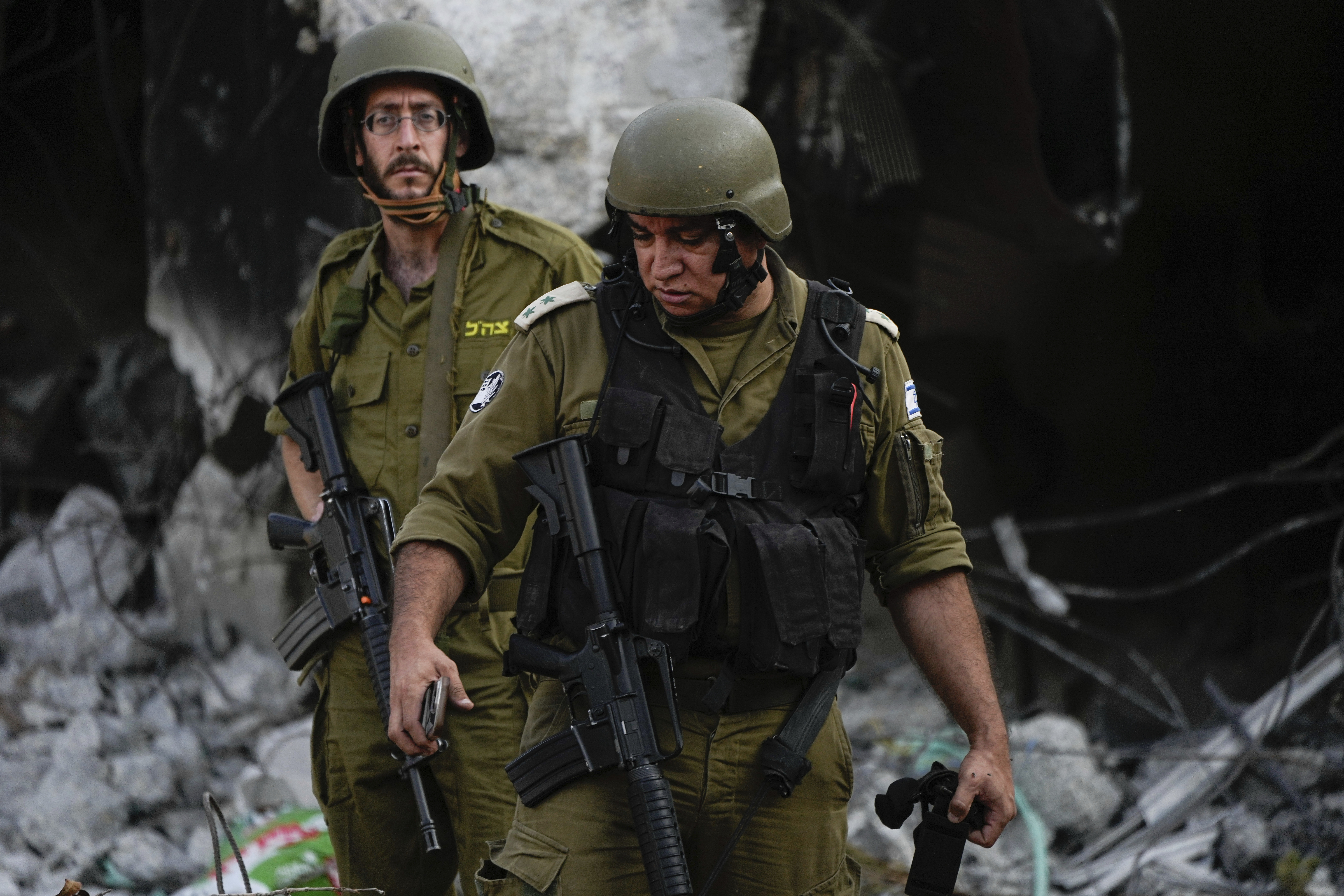
Israeli forces, supported by a growing deployment of US warships in the region, positioned themselves along Gaza’s border in preparation what Israel said would be a broad campaign to dismantle the militant group. A week of blistering airstrikes have demolished entire neighbourhoods but failed to stem militant rocket fire into Israel.
The Gaza Health Ministry said 2329 Palestinians have been killed since the fighting erupted, more than in the 2014 Gaza war, which lasted more than six weeks. That makes this the deadliest of the five Gaza wars for both sides. More than 1300 Israelis have been killed, the vast majority of them civilians killed in Hamas’s October 7 assault. This is the deadliest war for Israel since the 1973 conflict with Egypt and Syria.
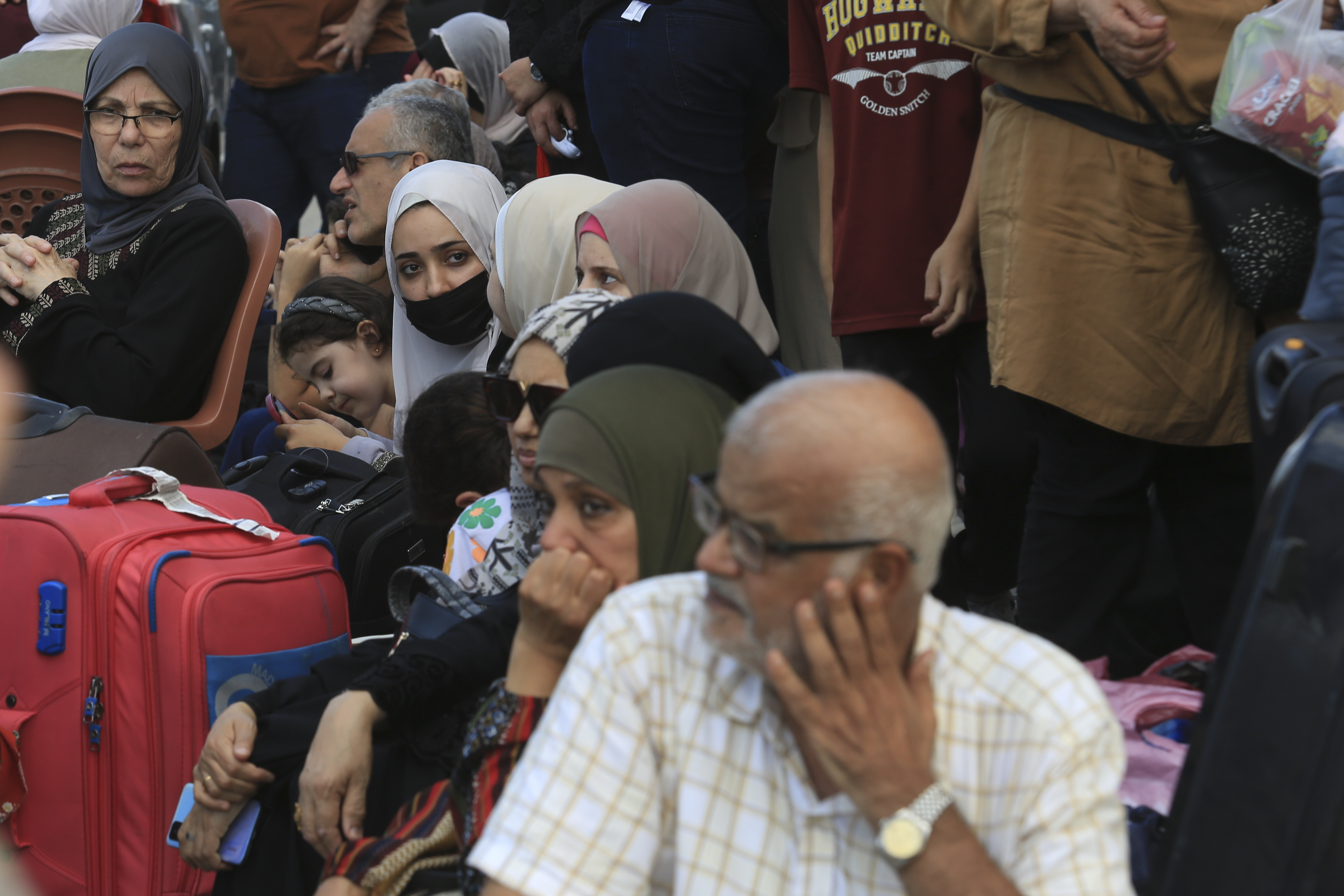
Israel dropped leaflets over Gaza City in the north and renewed warnings on social media, ordering more than one million Palestinians — almost half the territory’s population — to move south. The military says it is trying to clear away civilians ahead of a major campaign against Hamas militants in the north, including in what it said were underground hideouts in Gaza City. Hamas urged people to stay in their homes.
The military said that it would refrain from targeting a single route south from 10 am to 1 pm, again urging Palestinians to leave the north en masse. The military offered two corridors and a longer window the day before. It says hundreds of thousands have already fled south.
Hezbollah fighters in Lebanon meanwhile fired an anti-tank missile toward an Israeli army post and Israel responded with artillery fire. Israel’s Magen David Adom rescue service said a 40-year-old man was killed, without giving his nationality. Israel later closed off areas up to 4km from the border and ordered civilians within 2km to shelter in safe rooms.
Israel and Hezbollah, which fought a devastating war in 2006, have traded fire along the border several times since the start of the latest Gaza war.
The UN and aid groups have said that the mass exodus within Gaza, along with Israel’s complete siege of the 40km-long coastal territory, would cause untold human suffering.
The World Health Organisation said the evacuation “could be tantamount to a death sentence” for the more than 2000 patients in northern hospitals, including newborns in incubators and people in intensive care. Gaza’s hospitals are expected to run out of generator fuel within two days, according to the UN, which said that that would endanger the lives of thousands of patients.
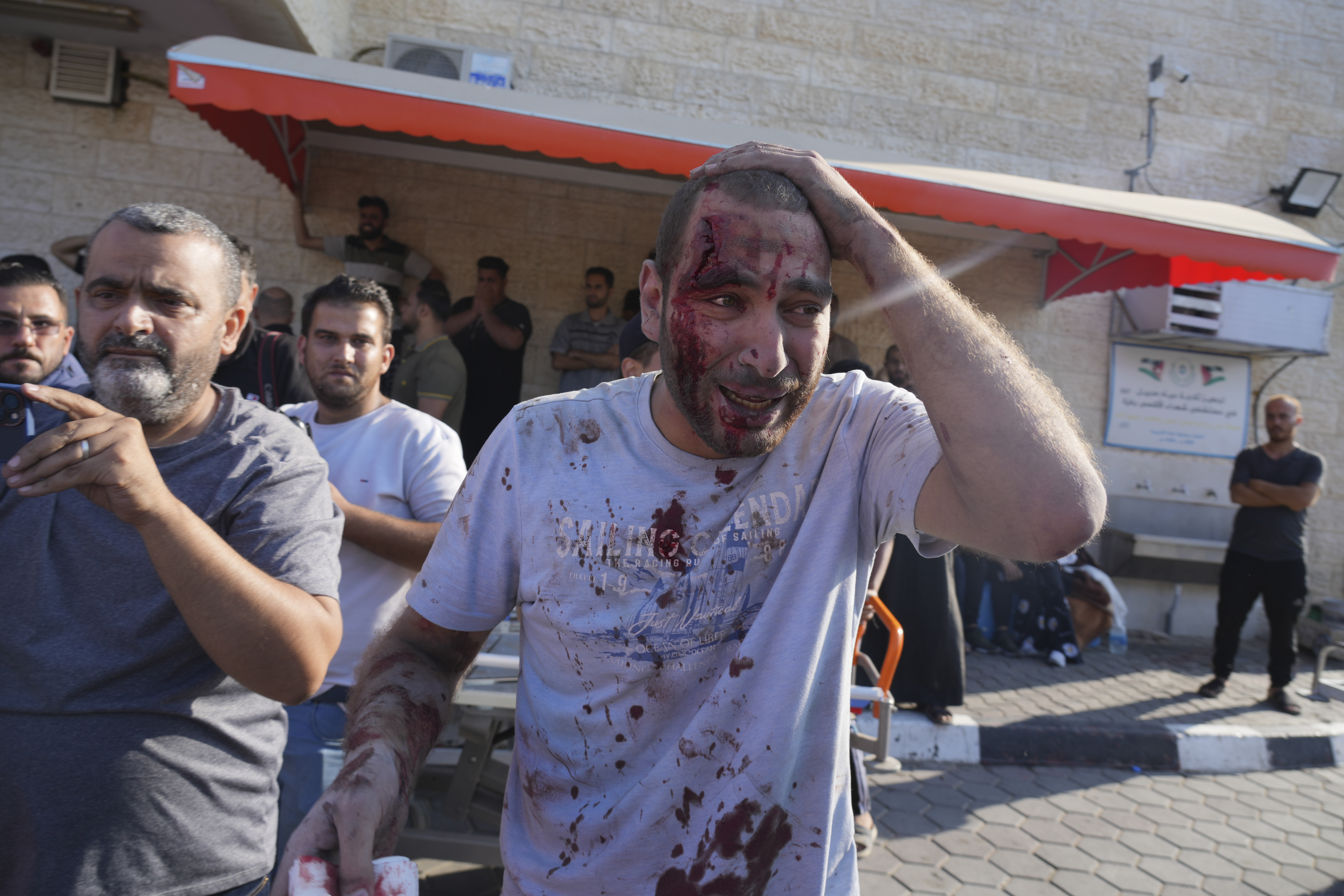
In Nasser Hospital in the southern town of Khan Younis, Gaza’s second largest after al-Shifa, intensive care rooms are packed with wounded patients, most of them children below the age of three. Hundreds of people with severe blast injuries have come to the hospital, where fuel is expected to run out soon, said Dr Mohammed Qandeel, a consultant at the critical care complex.
There are 35 patients in the ICU that depend on ventilators to stay alive and another 60 on dialysis. If fuel runs out, “it means the whole health system will be shut down, the services will be off”, he said.
“We we are talking about another catastrophe, another war crime, a historical tragedy,” he said, as children moaned in pain in the background. “All these patients are in danger of death if the electricity is cut off,” he said.
In the Kamal Alwan Hospital in the northern Gaza Strip, Dr Hussam Abu Safiya, the head of paediatrics, said the hospital did not evacuate despite the Israeli order because there was no way to move patients elsewhere without risking their lives. There are seven newborns in the ICU hooked up to ventilators, he said. “We cannot evacuate, it would mean their death and other patients under our care.”
And wounded patients keep coming in with severed limbs, severe burns and other life-threatening injuries. “It’s frightening,” he said.