Donald Trump loses bid to drop criminal charges in Stormy Daniels case; trial set for March 25
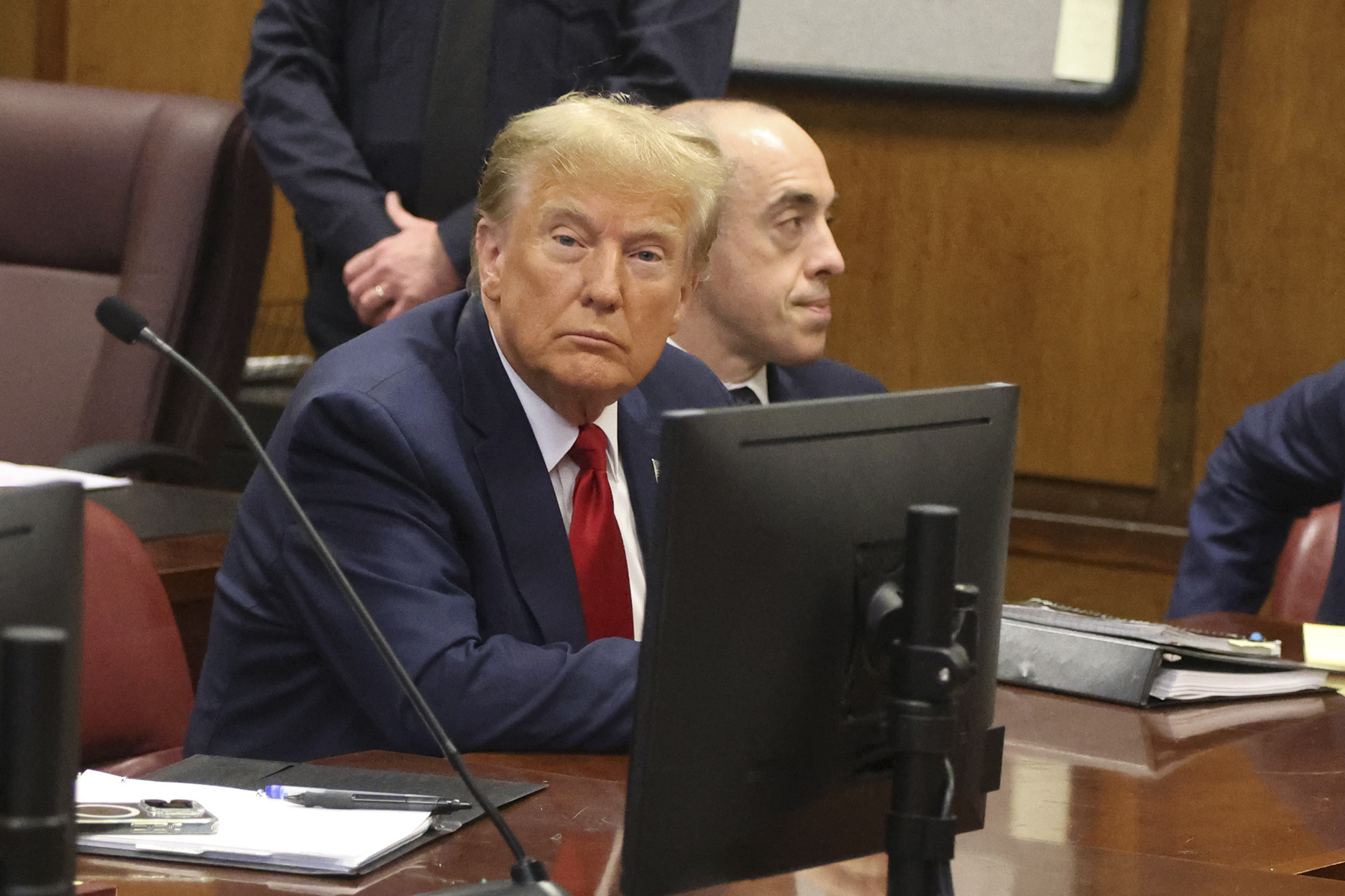
A New York judge has rejected former President Donald Trump’s bid to throw out criminal charges against him stemming from a hush-money payment to a porn actor, setting a trial date for next month and clearing the way for the first prosecution of a former US president.
Judge Juan Manuel Merchan announced the decision at a hearing in a Manhattan courtroom on Thursday as Trump looked on from the defence table. The former president’s lawyers objected to the judge’s decision for jury selection to begin on March 25, noting that the six-week trial would conflict with Trump’s presidential campaign.
One of the former president’s lawyers, Todd Blanche, called the schedule “unfathomable”, arguing that “we are in the middle of primary season” and claiming that the trial would overlap with dozens of Republican primaries and caucuses.
But Merchan summarily dismissed arguments from Trump’s lawyers, who had derided the case as “a discombobulated package of politically motivated charges”. From the beginning of the hearing, the judge bristled at the pushback from Blanche about the date, at one point instructing him to “stop interrupting me, please”.
Manhattan District Attorney Alvin Bragg brought the charges last year accusing Trump of covering up a potential sex scandal involving porn actor Stormy Daniels during and after the 2016 presidential campaign. In a statement, Bragg said he was “pleased” by the judge’s decision and was looking forward to the trial.
It will be the first of Trump’s criminal cases to go to trial, but it might not be the last. He faces 91 felony counts across four criminal indictments from prosecutors in Washington, Florida and Georgia, as well as Manhattan, all while he seeks to lock up the Republican presidential nomination.
The trial date in Manhattan leaves the door open for Trump’s federal trial, on charges of plotting to overturn the 2020 election, to take place in the late spring or early summer. That case, filed in Washington, is now in the hands of the Supreme Court.
While Trump might portray the Manhattan case as the most trivial — and outdated — it presents a unique threat to his legal strategy. Unlike the federal cases against him in Washington and Florida, which Trump could seek to shut down should he regain the White House, Bragg’s case is immune from federal intervention. Trump would not be able to pardon himself, or otherwise deploy the presidency as a legal shield.
Bragg, 50, was the first to obtain an indictment of Trump and has cast his case as a stark example of Trump interfering in an election. Trump did so, prosecutors argue, by covering up the illegal payoff to the porn actor and hiding damaging information from voters just days before they headed to the polls.
Until recently, the federal criminal case involving accusations of election interference was poised to go to trial first. That case, filed in Washington by special counsel Jack Smith, centres on Trump’s effort to remain in power after his 2020 election defeat.
Bragg had indicated a willingness for the Washington case to jump ahead in line, underscoring its historical significance. But appeals from Trump postponed that trial, initially scheduled for March 4.
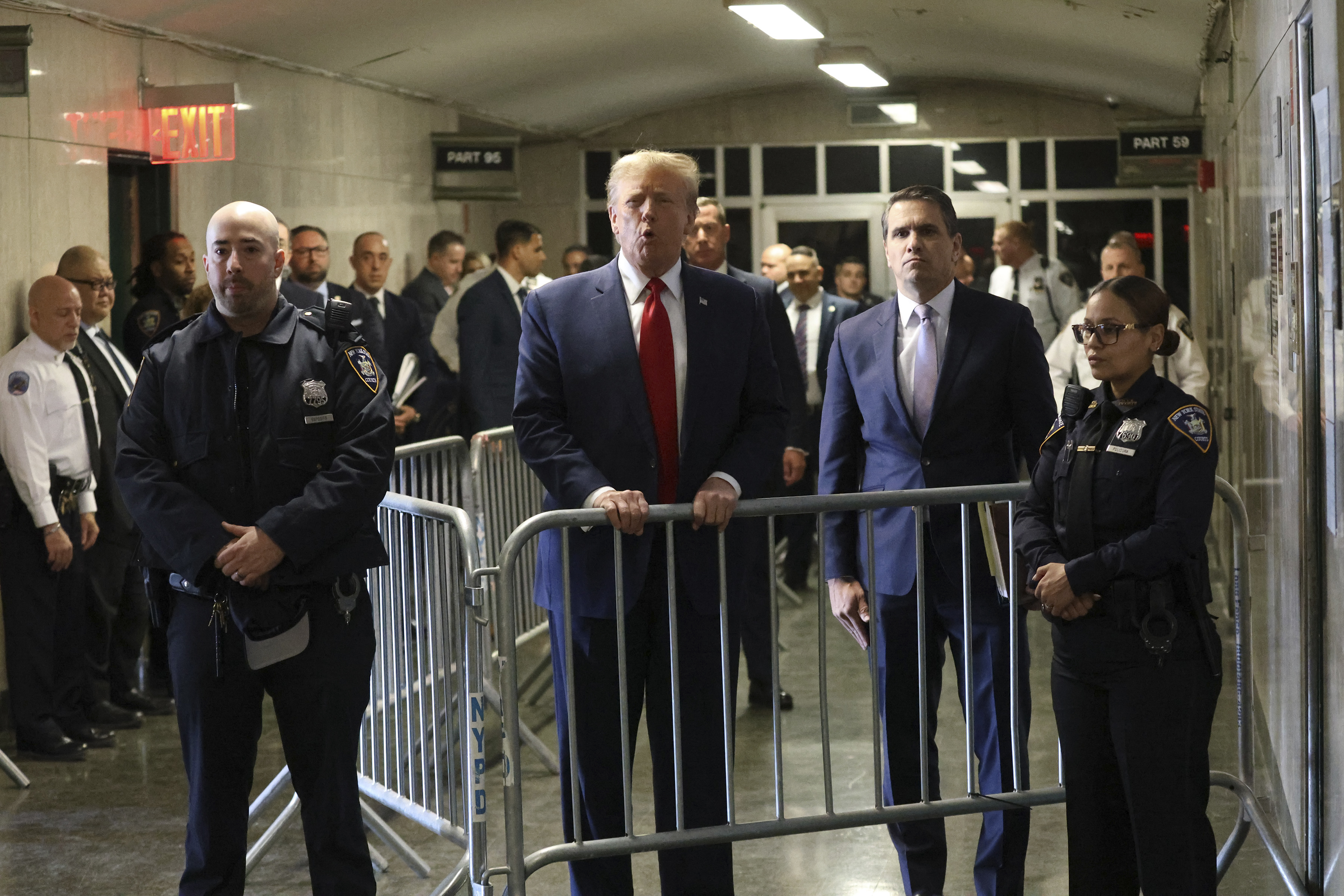
Before entering the courtroom on Thursday, Trump suggested he was the real victim of election interference, falsely claiming that Bragg’s case is being brought by “Joe Biden’s White House” to keep him off the campaign trial and stuck in a courtroom.
Here’s what else you need to know about Thursday’s hearing:
This article originally appeared in The New York Times.
Written by: Jonah E. Bromwich, Ben Protess and Kate Christobek
Photographs by: Jefferson Siegel
©2024 THE NEW YORK TIMES