Whanganui’s Rotokawau Virginia Lake aviary set to get new lease of life after overwhelming public support
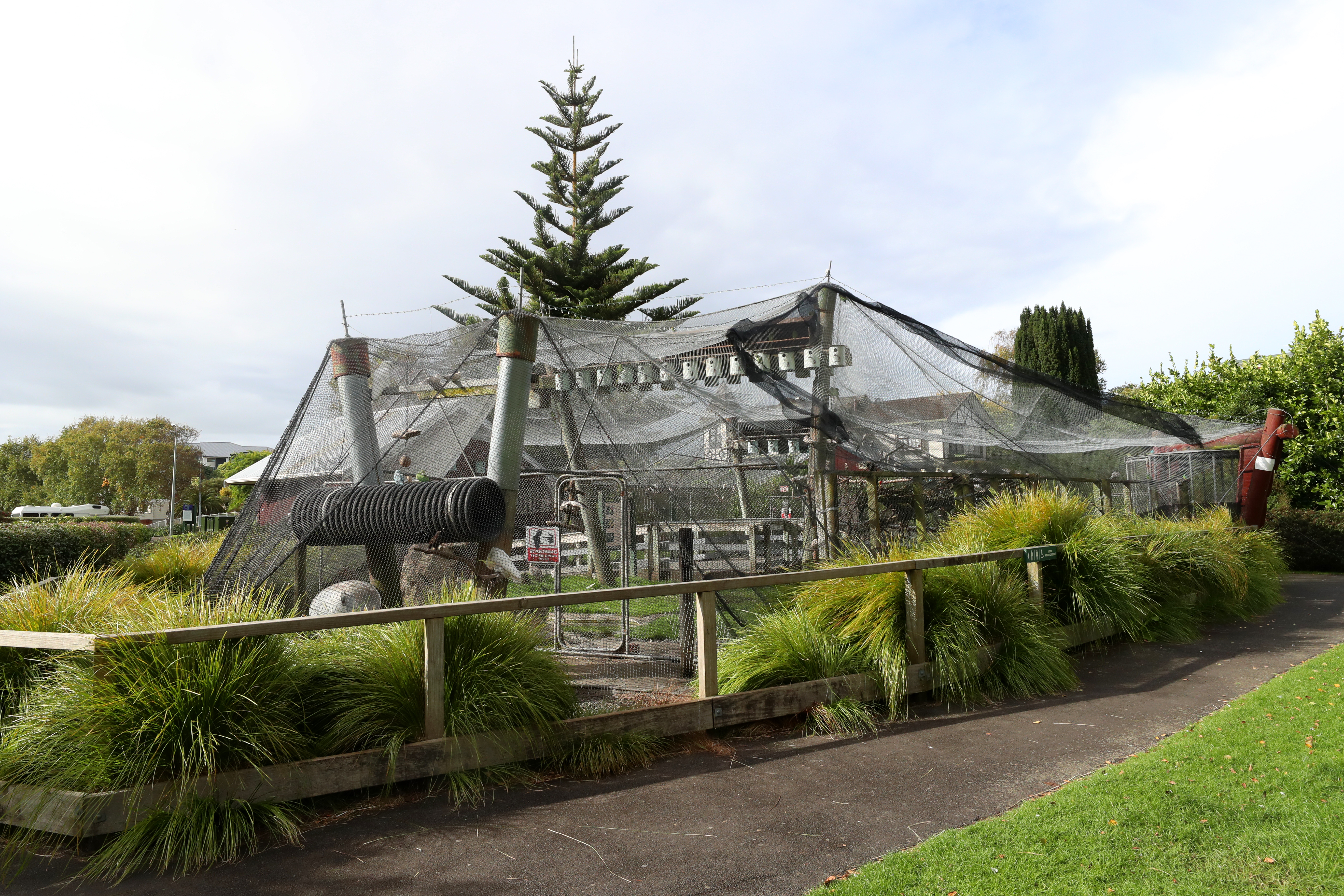
The public has spoken and Rotokawau Virginia Lake’s aviary should survive to see another day.
Submissions on the Whanganui District Council’s annual plan showed an overwhelming majority supported keeping the aviary open in some capacity - only 38 of 410 responses called for it to be closed.
Investment in the aviary to improve animal welfare standards and the visitor experience was supported by 181 people while the council’s preferred option - to address animal welfare standards only - got the backing of 191.
In its annual plan budget, the council has proposed $50,000 for immediate remedial works and completing a business case and enclosure design options, and up to $150,000 for total operating costs.
Fundraising and external co-funding will be explored to offset the costs to ratepayers.
Council chief executive David Langford has been tasked with completing a business case for the aviary, including design options and costs for upgrading the enclosure.
It will be considered as part of the Long-Term Plan 2024-34 process.
The aviary was a late addition to the annual plan after a report from zoologist Dr Lorne Roberts who said information provided by aviary staff was “deficient in much of the detail that would be expected in a modern best-practice facility”.
Councillors Charlie Anderson, Peter Oskam and Jenny Duncan said during a council meeting this week they wanted the facility closed.
Duncan said it was a similar situation to putting the “h” back into Whanganui, which at the time (2015) was not popular.
While closing the aviary was not the most popular option, it was the moral option, she said.
The most frequently mentioned area submitters thought the council should focus on over the next three years was open spaces, parks and recreation, followed by housing and homelessness.
Business, growth and economic development was the most frequently mentioned area when it came to Whanganui’s key challenges over the next 10-30 years.
Housing and homelessness came in second again, followed by climate change and infrastructure.
The least mentioned issues were suburban development, partnerships, technology and accessibility and inclusion.
For last year’s annual plan, the most represented age group of submitters was the 40-59-year bracket but in 2023 it was 60 years or over.
Those aged between 18 and 29 contributed 39 submissions.
Eighty per cent (269) of respondents who listed their gender identified as female compared to 19 per cent (65) for males.
Three people identified as gender diverse this year.
A total of 337 people responded to the demographic questions.