On The Up: Air Chathams survived Covid and a recession - now it’s planning its future in the regions
Air Chathams has survived Covid-19 and the recession. As part of NZME’s On The Up campaign, chief operating officer Duane Emeny tells Mike Tweed why closing was never an option and how it is planning to keep our region connected into the future.
It has not been easy but Air Chathams remains in the skies and the regions.
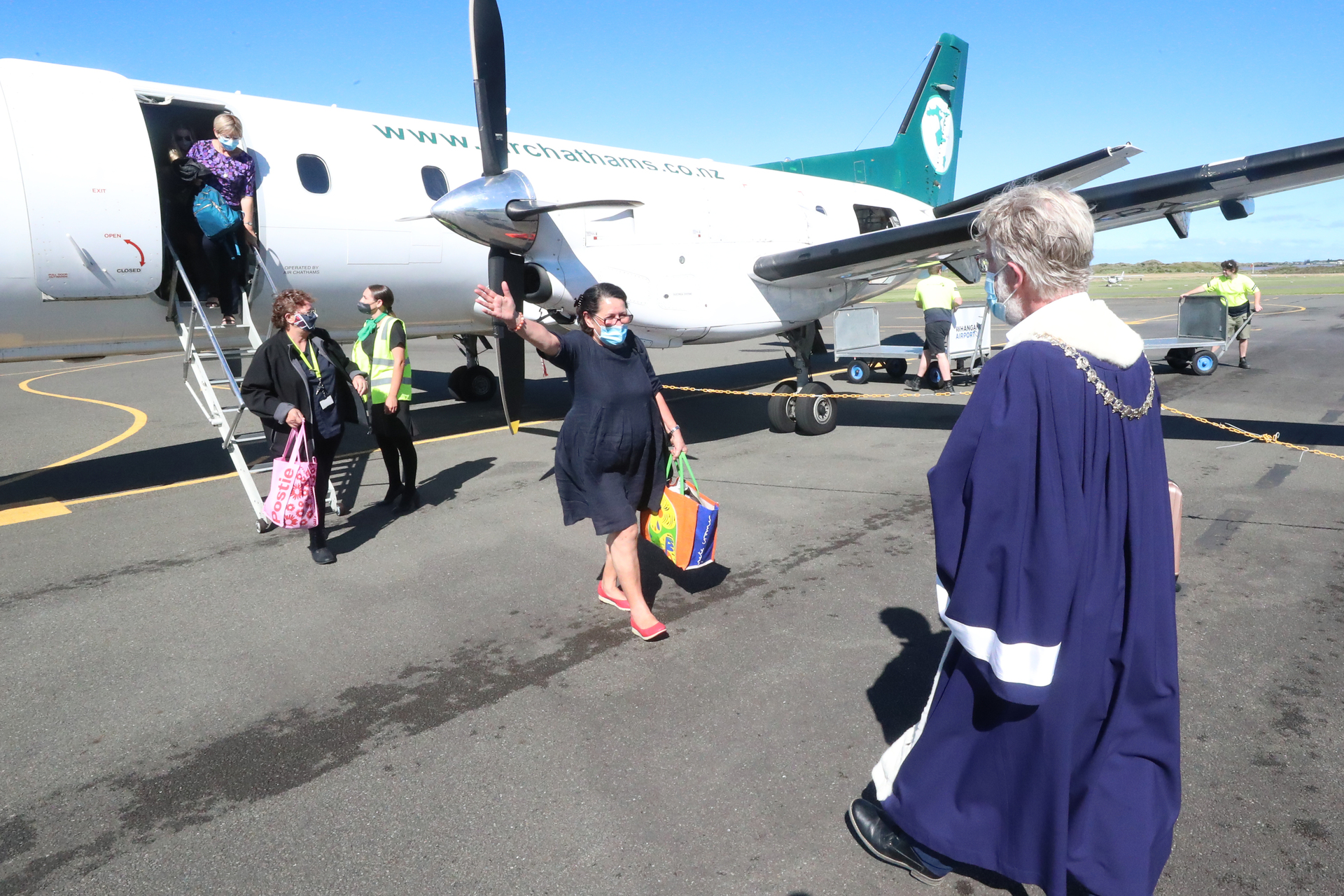
The airline took on the Whanganui to Auckland route in 2016 after Air New Zealand ended its service.
Chief operating officer Duane Emeny said before that, the company ran Chathams Pacific in Tonga as well as its Chathams Islands operation.
It ended the Tongan part of the business after a change of Government in the country.
“That was a very tough time and we almost went under,” he said.
“Then, Christopher Luxon [then-Air New Zealand boss] came along and decided he would make some big changes to the regional network and pulled a number of routes.
“Effectively, that meant we had an opportunity so we tendered on everything.”
Air Chathams began flying into Whakatāne in April 2015, with Whanganui following the year after.
Emeny said then-Whanganui mayor Annette Main and MP, the late Chester Borrows, were in contact within 24 hours of the news that Air New Zealand would stop its operation.
“It was hard yakka to start with,” he said.
“No one knew who we were and we didn’t have a marketing department.
“Basically, it was me putting stuff on social media, which I’m not very good at.”
However, Whanganui embraced the airline and operations were “ticking along pretty nicely” until the outbreak of Covid-19, he said.
“Everything flipped on its head, unfortunately.”
Rather than laying off staff, airline founder and father Craig Emeny spoke to every worker individually - “140-odd people at the time” - about a pay cut, Duane Emeny said.
Financial support from central and local government also kept the airline afloat, along with freight flights from the South Island.
“We just flew tonnes and tonnes of live crayfish.
“You’d look on the flight radar and there would be no planes on there except us.”
Whanganui Rugby chief executive Bridget Belsham said she attended a community meeting hosted by Emeny when Air Chathams launched in the city.
“That particular year [2016], I had our under-18s playing in Gisborne and thought ‘How do I get them there?‘,” she said.
“I chatted with Duane about it and our relationship formed from there.
“They discounted our [under-18s] charter and we flew them there and back in one day. It was the first time a lot of those boys had been on a plane.”
Air Chathams’ logo was now on the Whanganui Heartland jersey and the team usually had three flights a season, she said.
“We would be lost without them in Whanganui.
“Often, I have to go to Auckland for meetings and I can just drive five minutes from my house to the airport.”
After Covid-19, Whanganui became its most profitable route, Emeny said.
“I think the strongest attribute of people working at Air Chats is they understand how important what we do is, and how much communities rely on driving 10 minutes to an airport to get on a flight to Auckland.
“That is hard to quantify in terms of dollars and cents but you know it’s a lot.
“We care a bit too much, sometimes.”
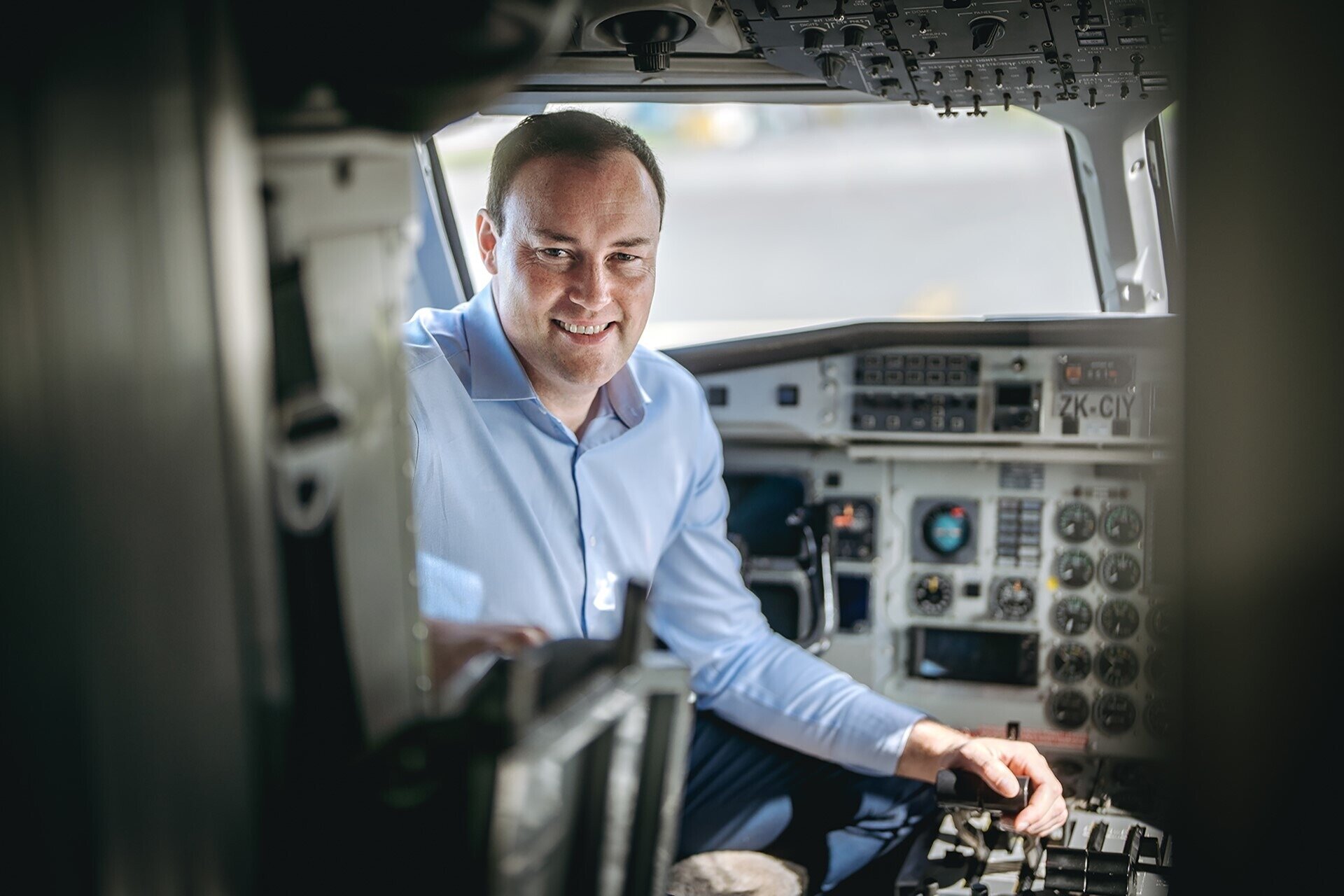
He said the airline had been forced to withdraw its seasonal service to Norfolk Island because of increased costs at that airport and in Auckland.
“Our approach has always been to work with the community and see if we can get something that works but occasionally we just can’t.
“It’s been a really, really tough decision.”
Whanganui Mayor Andrew Tripe said Air Chathams had been local heroes since starting in the city.
“They filled a void left by Air New Zealand and we will be forever grateful,” he said.
“We are having ongoing discussions about them relocating to Whanganui and we’d love to see them here.”
Those talks included a direct flight from Whanganui to Christchurch, Tripe said.
Emeny said he was passionate about Whanganui but his staff, mostly based in Auckland, “might not be quite as much”.
“We would have to work through that.
“From what I’ve heard from the mayor and chief executive [David Langford], they are interested in what they can do and how they can potentially create a nice new home for Air Chathams.
“Now it’s a case of digging into the detail.”
He said rises in aeronautical fees and increased costs for equipment such as engines and landing gear were the latest issues to address.
Overhauling a Saab engine once cost US$600,000 ($1.050m) with a six-month wait.
“It now costs US$1 million ($1.725m) and we wouldn’t get the engine back for 18-24 months.”
Despite the challenges, closing Air Chathams had never been an option, Emeny said
“It really comes down to the basic ‘why?’ for us as a family and for me as a Chatham Islander.
“It’s an important but often overlooked group of islands and I’ll always fight to make sure it has an air connection.
“Everything else we do is a product of that.”
Mike Tweed is a multimedia journalist at the Whanganui Chronicle. Since starting in March 2020, he has dabbled in everything from sport to music. At present his focus is local government, primarily the Whanganui District Council.