Four bad sleeping habits to break, with Whanganui sleep specialist Lynda Aplin
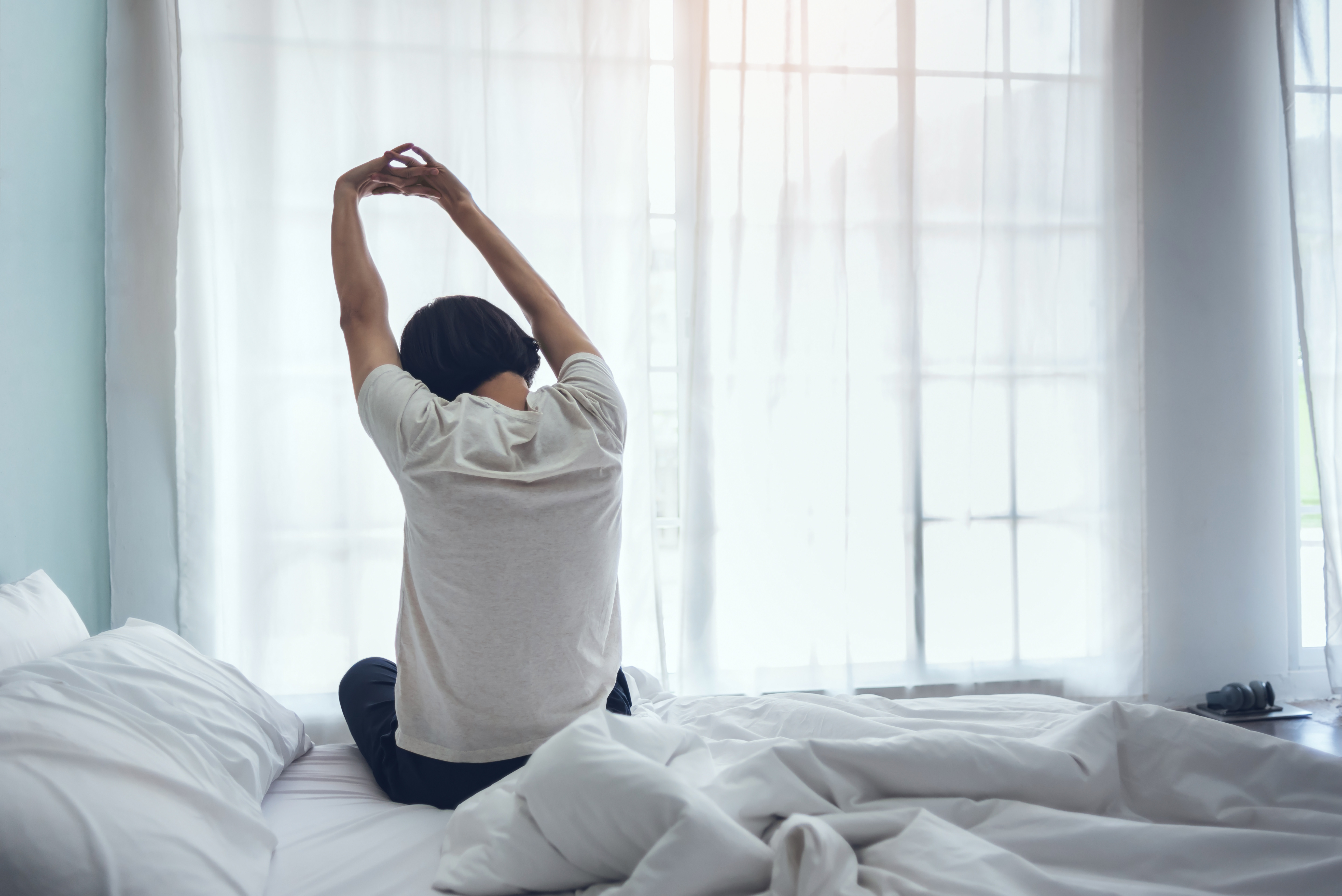
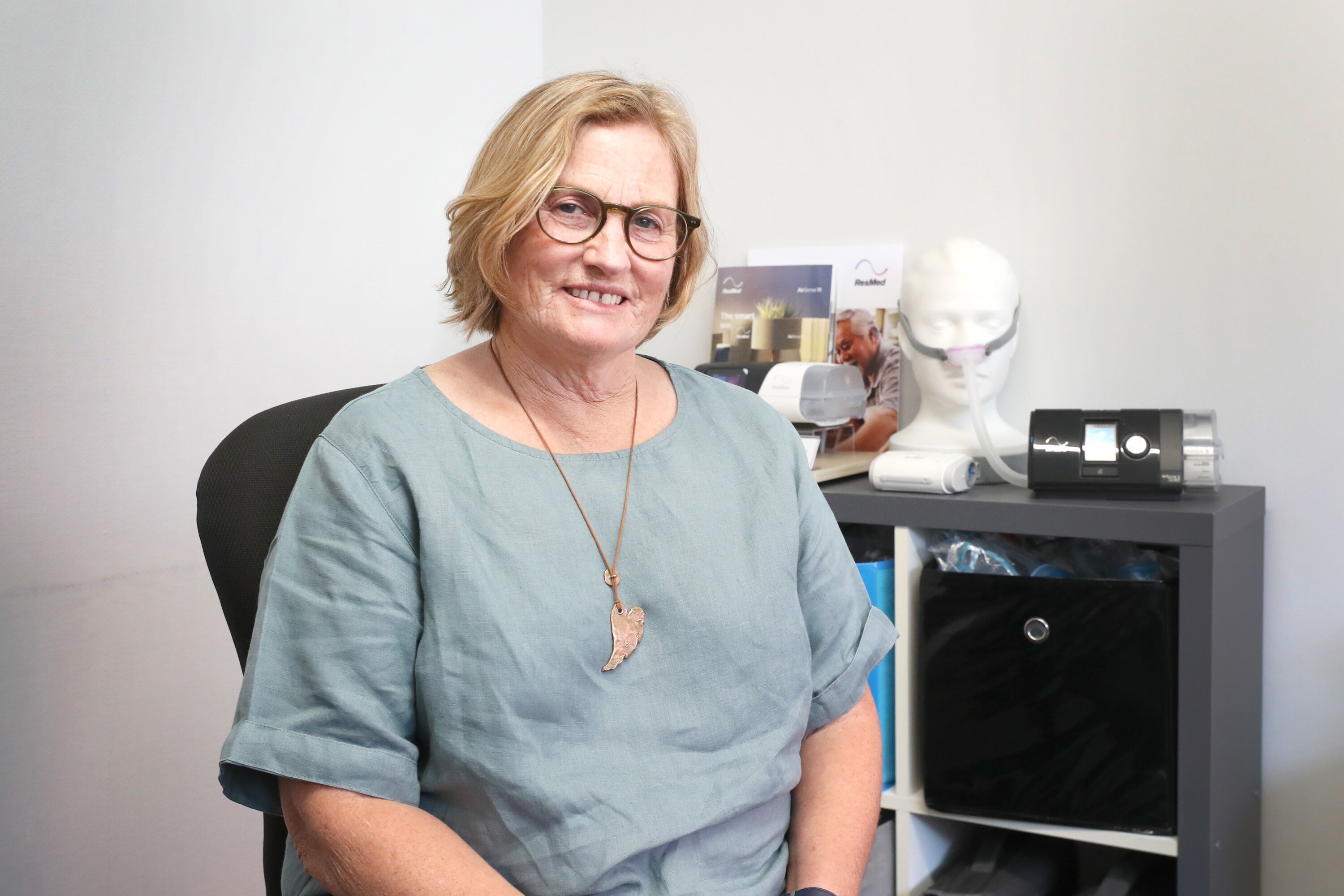
Whanganui sleep nurse specialist Lynda Aplin recommends waking up without an alarm.
It is possible. Aplin sleeps without an alarm and no curtains, and wakes up naturally at 5am.
“Often that sleep you have before waking or in the early hours of the morning is your REM [rapid eye movement] sleep, so that’s a really important stage for brain activity and memory function.”
To wake up feeling refreshed, it’s best to aim for seven to nine hours of sleep every night.
Aplin said there were tips people could try to help get a better night’s rest.
Set up a good bedtime routine and wind-down period with an activity you find restful such as reading or watching TV. However, too much screen time could also hinder sleep, Aplin said.
“It’s all about slowing the mind down, some people find writing in a diary about all the things they are worrying about can be really useful.”
Getting up at the same time every day and having a set bedtime is helpful, but for shift workers can be impossible.
Aplin said limiting naps to between 10 and 20 minutes with an alarm can prevent getting into the deep layers of sleep that are hard to wake from.
“A short nap can restore you but not offset your sleep gauge for the coming night.”
Doing relaxing activities during the day can contribute to better sleep, such as slow-breathing techniques or mindfulness.
Tai-chi and yoga can help slow the brain and reduce cortisol levels.
“Sleep is a natural thing and should be able to come without assistance.”
Aplin studies the work of musculoskeletal pain specialist Dr Giresh Kanji. He recommends heat therapy such as saunas, hot baths or walking in a pool, which can help dilate blood vessels and reduce stressful brain activity.
A cold room is also beneficial for sleep.
“You go to sleep better if your body temperature is cooler.
“That’s one reason menopausal women struggle with sleep so much because their body temperature gets so hot.”
Ditching extra blankets or a heavy winter duvet can help lower your body temperature for sleep.
Four bad sleeping habits to break
Aplin said people chronically getting less than five hours of sleep are more susceptible to developing long-term health issues.
Eva de Jong is a reporter for the Whanganui Chronicle covering health stories and general news. She began as a reporter in 2023.