Boost for Marton Rail Hub in Rangitīkei as 65 hectares of land set to be rezoned
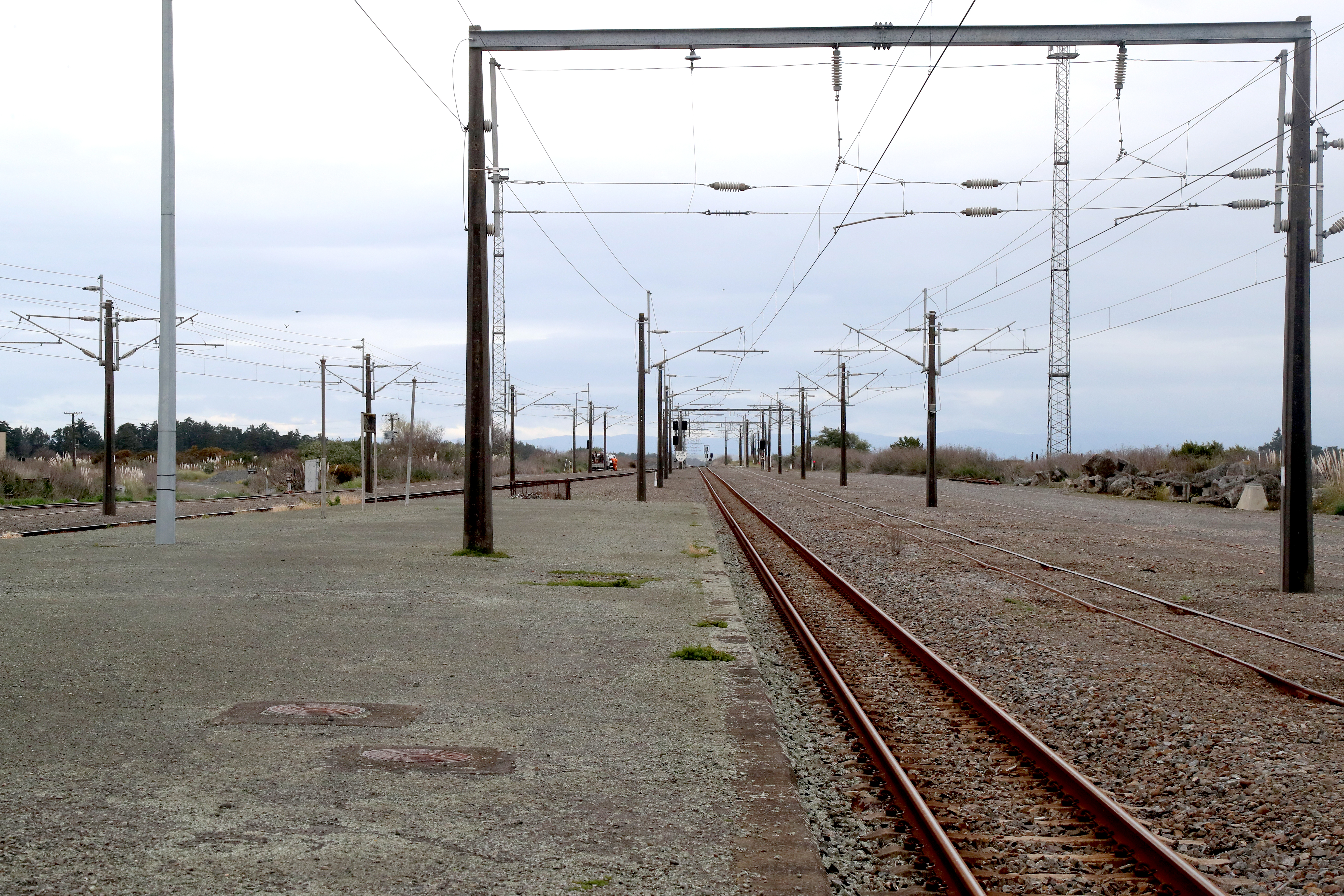
Wheels are in motion for the long-awaited, “transformational” Marton Rail Hub, with 65 hectares of land to be officially rezoned this month.
The project, officially announced in 2020, was halted following an appeal on the zoning by horse trainer Fraser Auret. His Fraser Auret Racing business trains horses on land that formerly served as the Marton Racecourse, and he submitted that thoroughbred racehorses were sensitive to noise and dust and keeping them there would be incompatible with nearby industry. His appeal was joined by the Interested Residents of Marton group (Irom).
The appeal was rejected by the Environment Court last year.
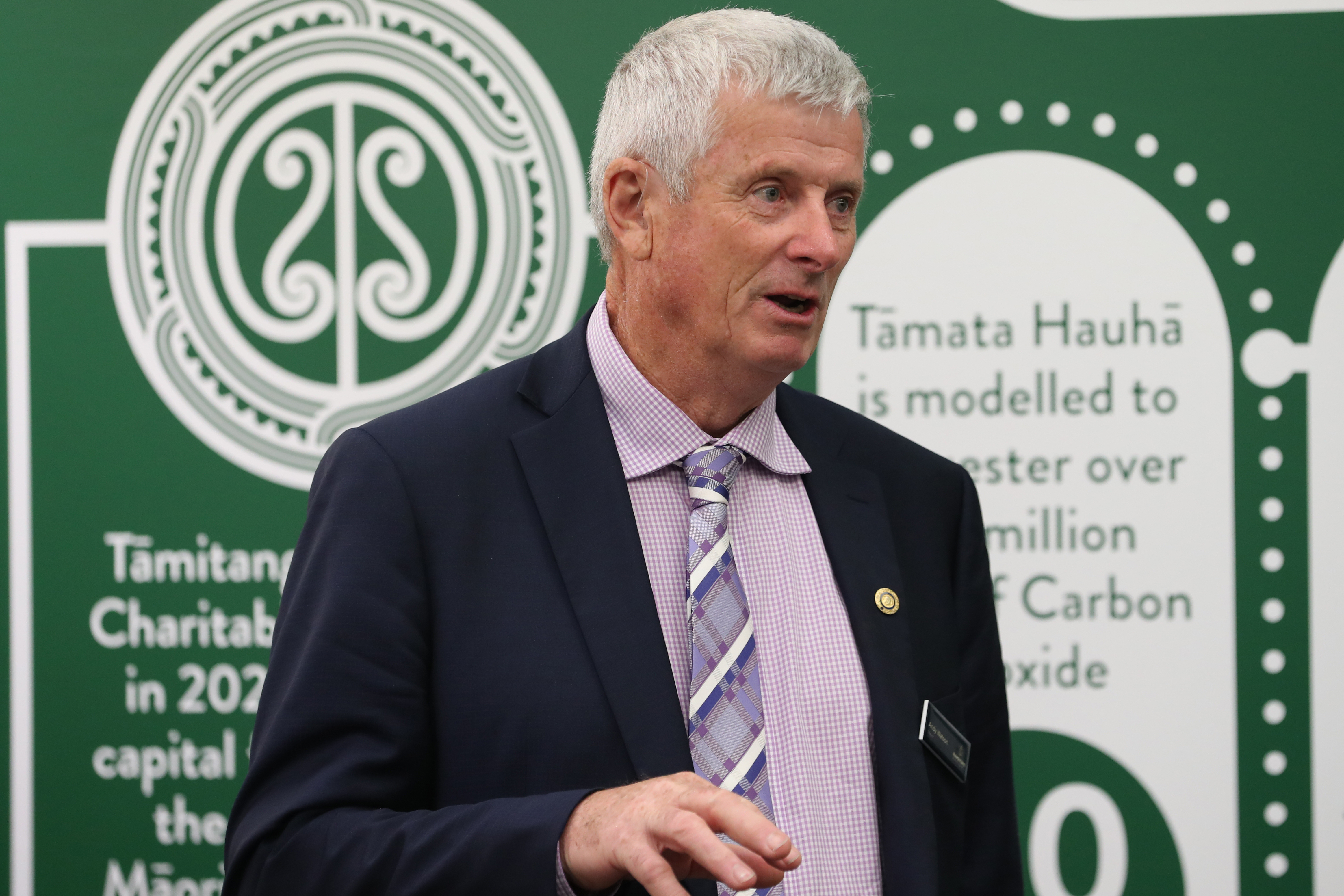
Rangitīkei Mayor Andy Watson said it was frustrating the appeal process had taken so long but there were still several companies keen on the new block of land.
“They approached us very early in the piece and, after five or six years, some are still saying, ‘Hey, we want to be involved,” he said.
“We do have significant interest. I can’t talk about the companies - that’s their right to disclose, not mine.
“It’s frustrating, wanting to get on and do things, and I take my hat off to them for sticking with this.”
Rangitīkei district councillors signed off the Marton Industrial Development Area Plan Change at a meeting on July 25.
The land, on the southern boundary of Marton, will change from a rural to industrial classification on August 12.
Watson said the town was built on a railway junction.
“This gives us a chance to update and reposition that - the second coming.
“Having 65ha of industrial land on the rail corridor junction and the State Highway 1 junction is a phenomenal opportunity.”
NZ Bio Forestry is one company that showed interest in the rail hub project in 2020.
It specialises in facilities integrating wood engineering and bio-refining with the chemical and petrochemical industries.
Chief executive and founder Wayne Mulligan said he was pleased “this long, drawn-out process has come to a conclusion”.
“We’ll certainly look at the option of Marton as part of our portfolio,” he said.
“It’s still on our radar.”
Watson said parts of the project had been in limbo during the appeal process but an enormous amount of groundwork had already been completed, including geology reporting and “work in the resource consent space”.
“There is paucity of large, green field sites that are logistically well-placed on affordable land,” he said.
“It’s always had that going for it and will continue to have that going for it.”
He said the hub was not only for new companies that wanted a presence in Marton.
It would also support existing companies and the retention of existing companies.
“The spillover effect of this sort of development into a rural community is transformational.
“Suddenly, you have an interest in spending money. The local cafe survives and a new restaurant opens up.
“If there are any companies looking for land, come and talk to me. I can point you to the people that may be able to answer your questions.”
Infrastructure at the freight and logistics hub, which will come off the North Island Main Trunk Line north of Makirikiri Rd, is set to be installed progressively and includes rail siding, internal roading, a container storage area and loading platforms.
“There are significant new [rail] lines, with access north and south, and effectively west and east,” Watson said.
“It’s gone through all the legal processes - the Environment Court and the High Court - and we are bullish as to what can happen from here.”
The project, a partnership between Rangitīkei District Council, Te Rūnanga O Ngā Wairiki Ngāti Apa, the Infrastructure Reference Group and Rangitīkei Forestry Holdings, received $9.1 million from the Government’s Covid-19 recovery fund.
The council added $225,000 for the plan change and $525,000 for road and rail access, with Rangitīkei Forestry Holdings contributing $500,000.
Mike Tweed is a multimedia journalist at the Whanganui Chronicle. Since starting in March 2020, he has dabbled in everything from sport to music. At present, his focus is local government, primarily Whanganui District Council.