What can you grow in your kitchen?
From the easiest plants to space-saving tips, growing herbs and microgreens is simpler than you think.
Growing edible plants in your kitchen is a rewarding and sustainable way to add freshness to your cooking and can save a pretty penny if you get it right.
What are the easiest plants to grow in your kitchen?
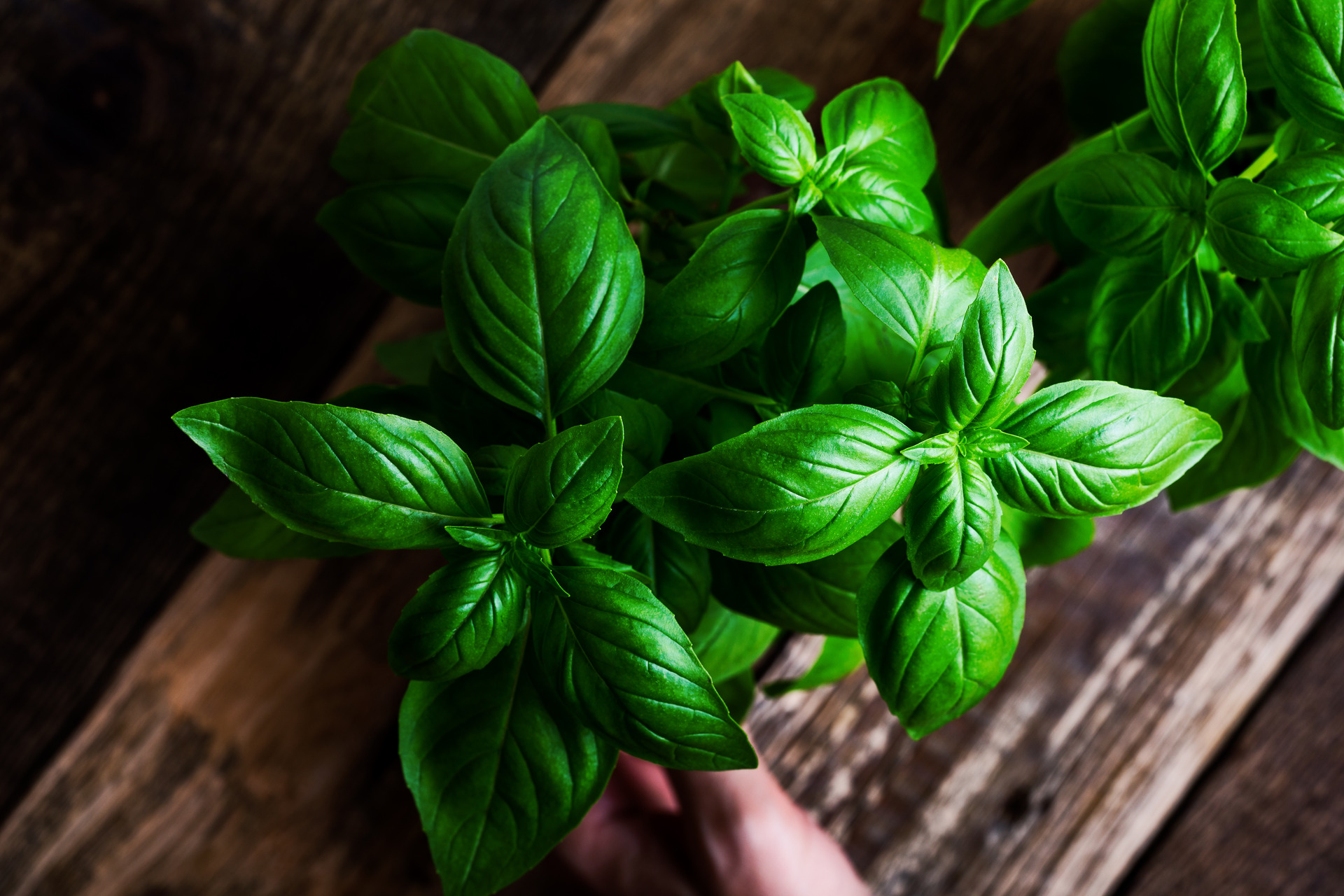
Basil: Easy to grow and great for Italian dishes.
Mint: Thrives in small pots and perfect for teas and desserts.
Parsley: Requires minimal care and adds flavour to various dishes.
Microgreens: Radish, mustard, and lettuce microgreens are quick to grow and can be harvested within a few weeks.
Spring onions: Regrow them from scraps. Place the roots in water and watch them sprout.
How much space do they need?
Herbs: Small pots or containers (10-15cm in diameter) placed on a sunny windowsill. Or if you have insufficient light, consider investing in a grow light. Grow lights are artificial lighting systems designed to mimic natural sunlight and provide plants with the light spectrum necessary for photosynthesis and healthy growth. They are commonly used in indoor gardening.
Microgreens: Shallow trays or containers with good drainage, ideally placed under grow lights or in a sunny spot.
Spring onions: Can be regrown in a glass of water on your kitchen counter. Here’s how:
How to get the best of your plants
Most kitchen plants need at least 4-6 hours of sunlight per day. Use grow lights for consistent light indoors.
Avoid overwatering; most herbs prefer slightly dry soil between waterings.
Microgreens need moist but not waterlogged soil.
Use a diluted liquid fertiliser every 2-4 weeks to keep plants healthy.
Regularly trim herbs to encourage bushy growth and prevent flowering.
Rotate pots regularly to ensure even growth. This just means to turn your plants, as some may have a natural tendency to grow more vigorously on one side than the other. Rotating the pot ensures that all parts of the plant receive equal access to light and air, encouraging symmetrical and healthy growth. Rotate every few days by 90-180 degrees.
Keep an eye out for pests like aphids or spider mites; gently wipe leaves with a damp cloth if needed.
Here’s what you can do with your homegrown produce
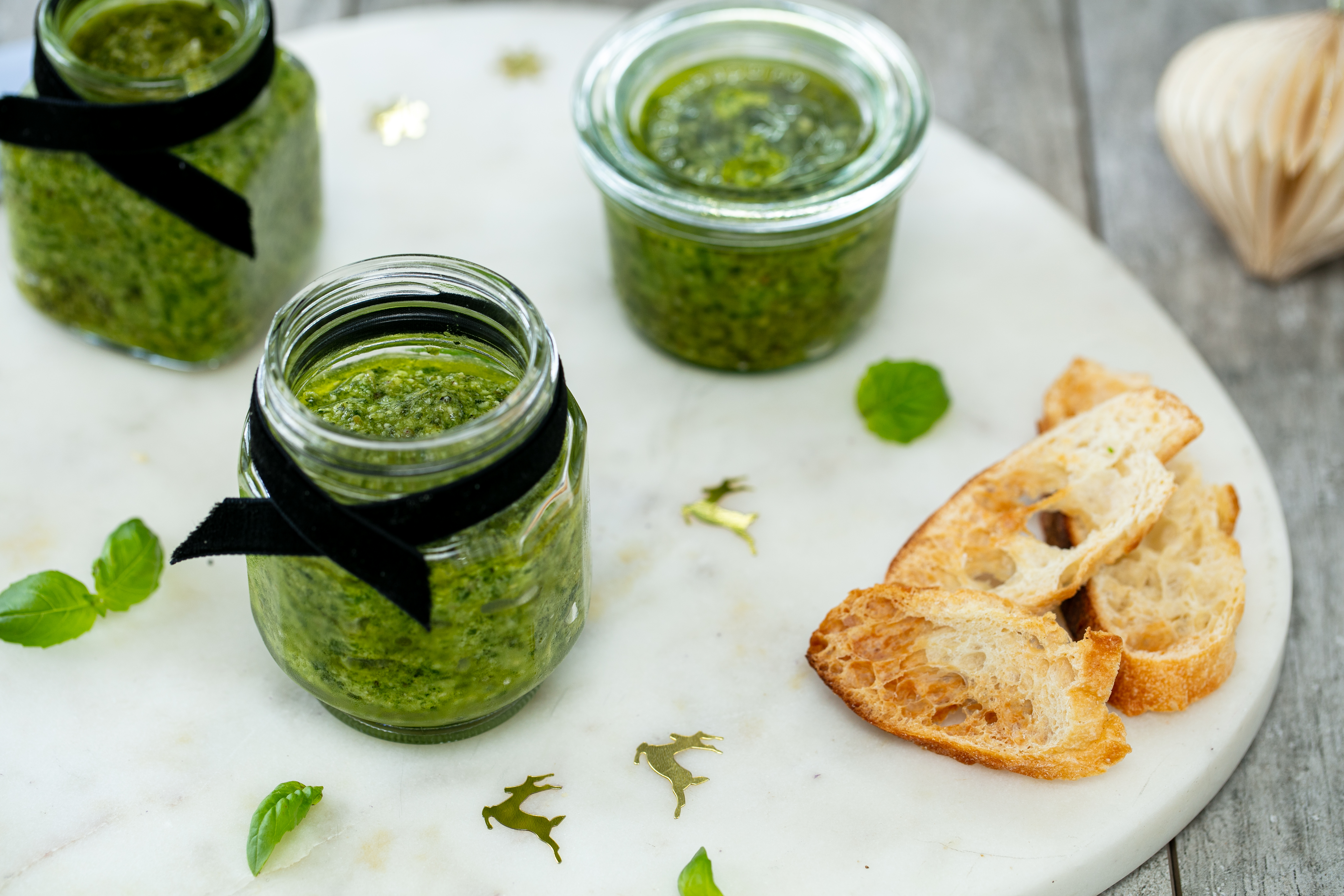
Fresh herb pesto (see recipes below).
Harvest microgreens and toss them with your favourite salad ingredients for a nutrient-packed meal.
Use freshly grown spring onions to make crispy and flavourful pancakes (see recipe below).
Use herbs like mint and basil to flavour water or create soothing herbal teas – see our story on tisanes here.
Sprinkle freshly chopped herbs on soups, omelettes or pasta dishes.
Recipes
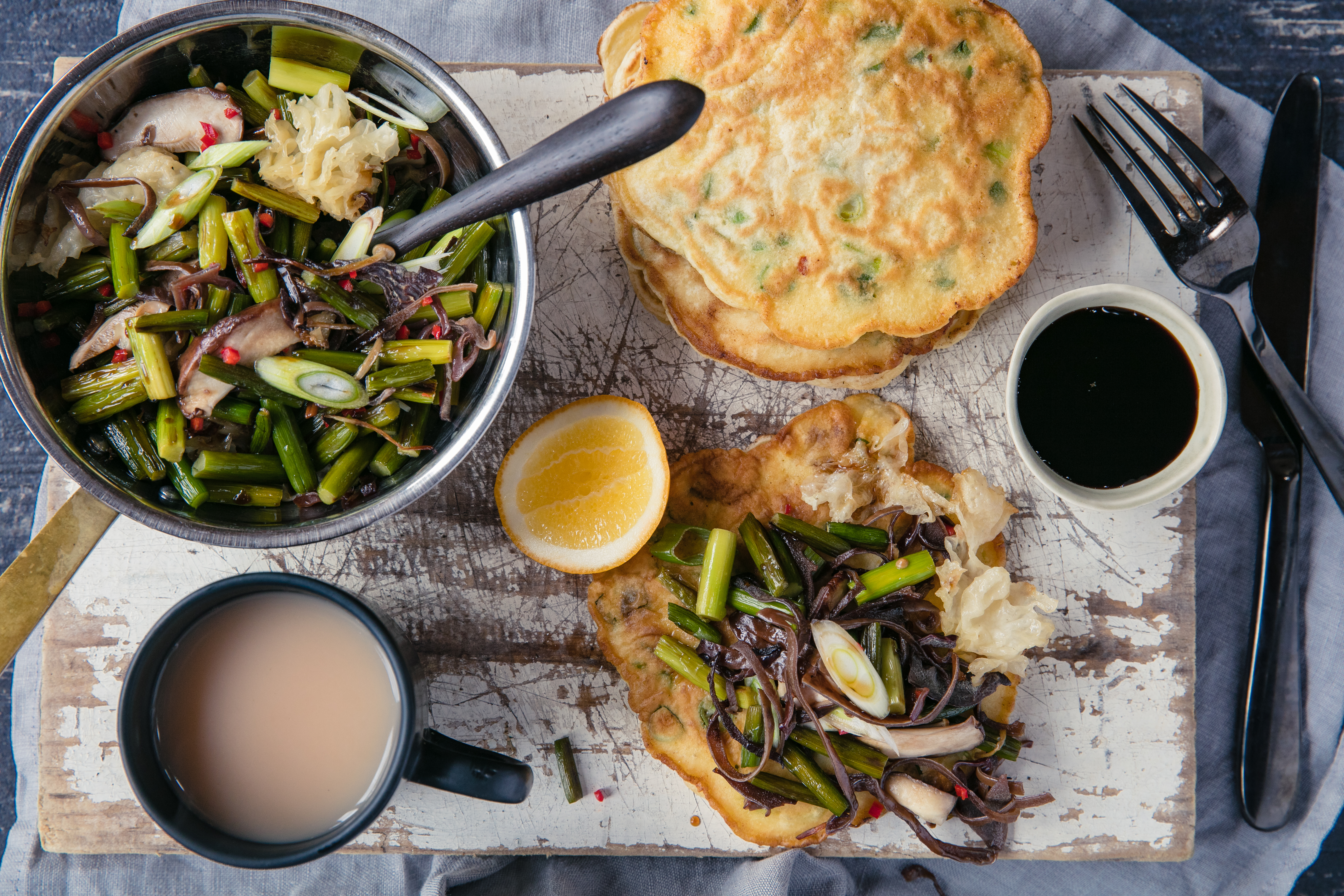
Chinese-inspired pancakes with garlic chives and mushrooms recipe


Lentil salad with prosicutto and plums with microgreens recipe
*** ADD: Author Bio