Wairoa: Independent investigation to take place after Cyclone Gabrielle floods strike
Wairoa District Council is about to commission an independent investigation as part of an effort to explain what the town’s mayor believes was unusual flooding linked to wood debris during Cyclone Gabrielle.
Residents of Wairoa are still picking up the pieces after the disaster and the council, alongside community groups, have been advocating for the Government to send urgent funding for housing and road infrastructure.
Prime Minister Christopher Luxon’s first visit to the provinces since the new Government’s MPs were sworn in was to Wairoa on Friday.
Wairoa Mayor Craig Little said he had pointed out to Luxon that the river did not flood how it usually flooded during Cyclone Gabrielle and he had shared that the council planned its own investigation.
In the immediate aftermath, Little said there was a theory around town that Genesis, which operates floodgates on the Waikaremoana dam, could be partially to blame, something Genesis has repeatedly denied.
“We are doing an investigation ourselves into why it flooded the way it did. We believe the woody slash and debris was a big contributing factor along with a few other factors,” Little said.
“We’ve got to do it very quickly because the prime minister did say by February he wants to know, get some more certainty, and not just keep having meetings and achieve nothing.”
He said more information about when the investigation might start will come next week.
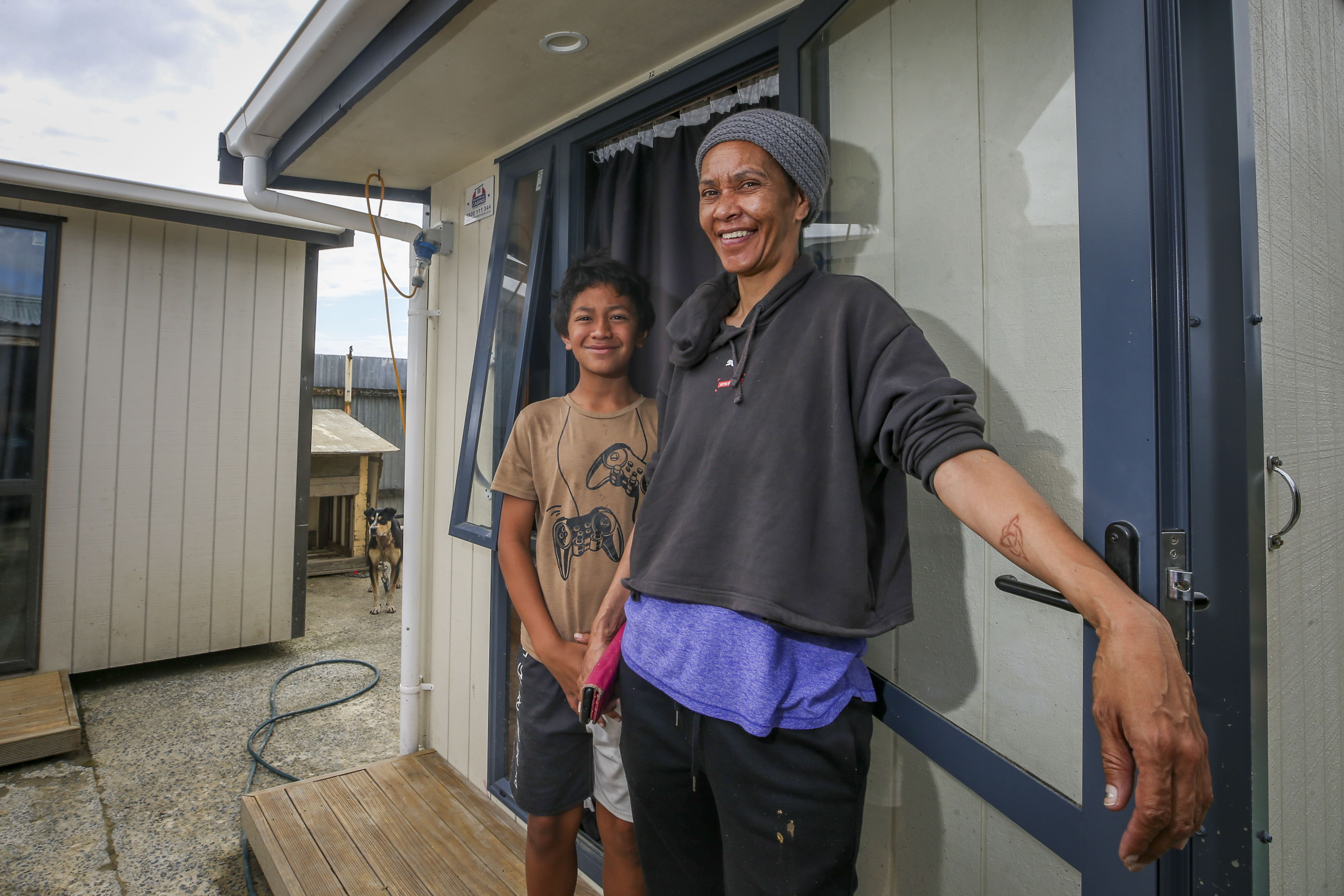
Wairoa resident Terina Henare, living with her whānau at Waihirere Rd, shares Little’s view that Cyclone Gabrielle’s flooding was different, and believes residents would be interested in an investigation.
“Some said the water came from the river but it didn’t, it came from behind us,” Henare said.
She was a young girl during Cyclone Bola, but she remembers that there was more water during Bola, whereas Cyclone Gabrielle was more muddy in comparison.
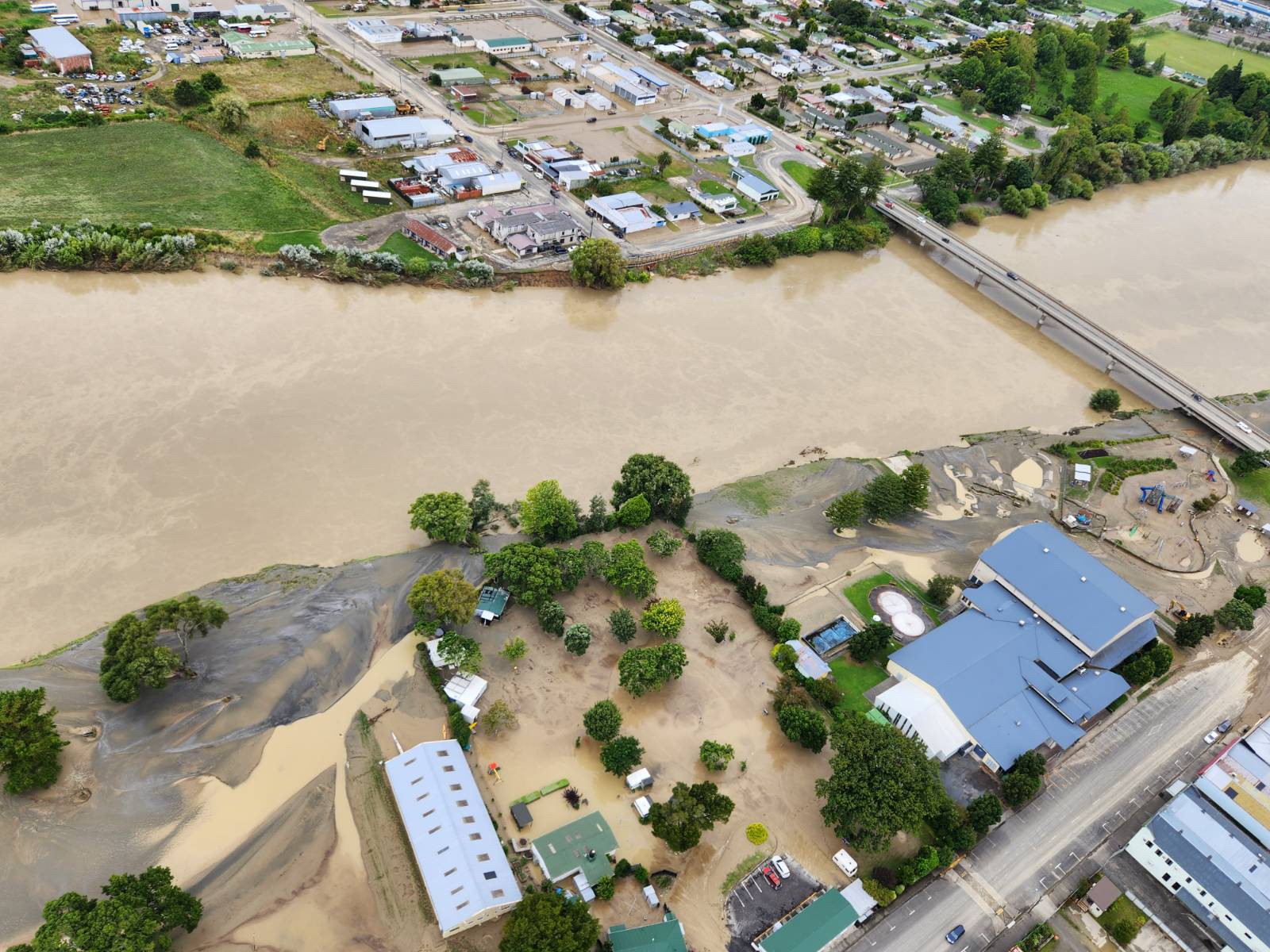
“This one, I think why clean up took longer would have been down to all the mud and the flooding, silt and slash that came down with it.”
Her whānau home is provisionally in Category 2A, and they live in cabins on the land while they clean up and wait in limbo for decisions at the Government level.
“We are going to look at safety and how well our house will last for future generations but still, with that in mind, our goal is to get back into our house and make use of what our grandparents started for us.”
She said they lost “four generations of stuff” from the house belonging to her father and his siblings, but had been able to save photos.
“Watching that and my dad reacting to that was tough.”
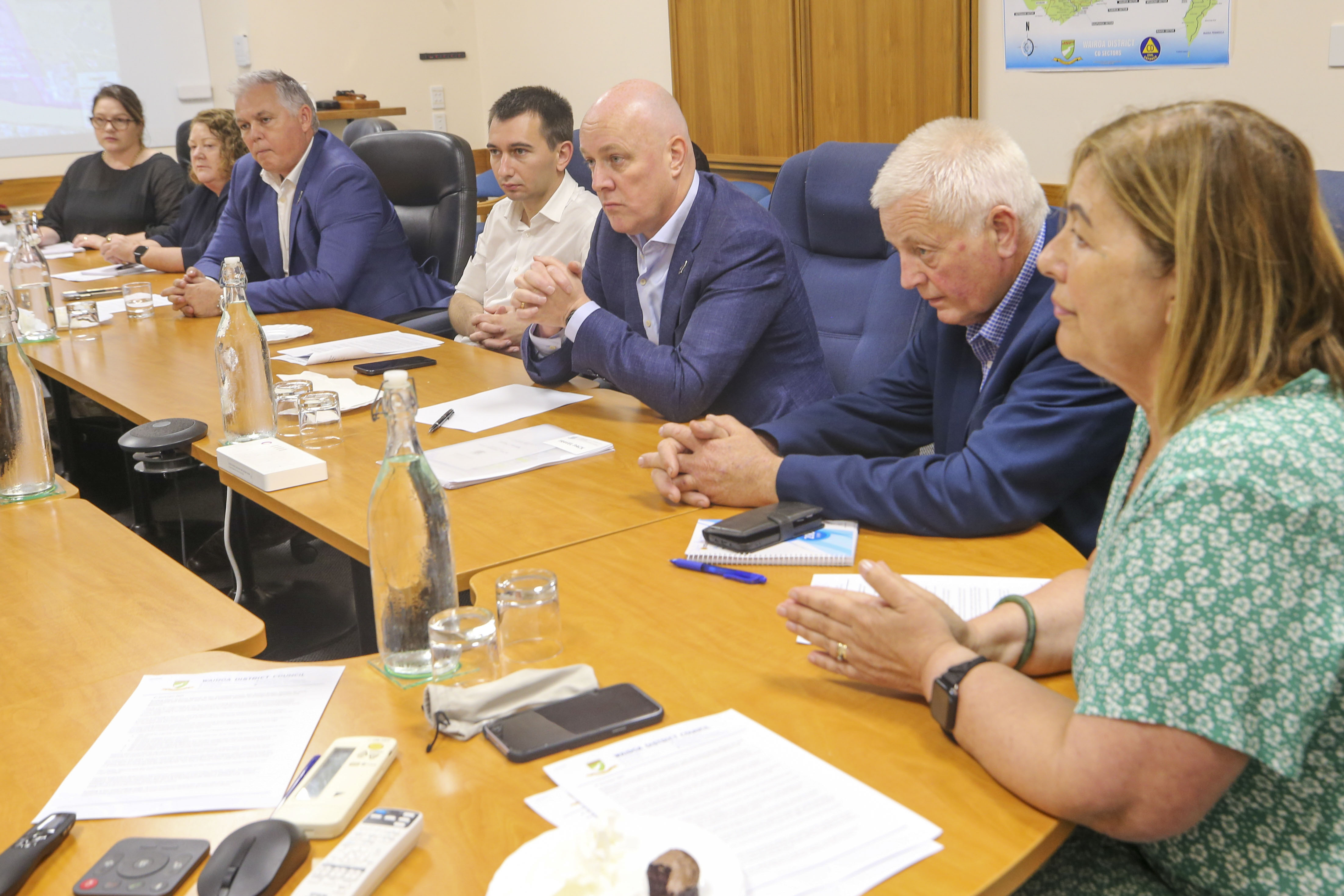
Little said Luxon prioritising a visit to Wairoa first was a big indication that he was concerned about what was happening in the area.
“With these houses out of action or not livable, he really wants to make sure we get that river protection done first.”
He said roading was another priority discussed during the visit, specifically the resilience of State Highway 2 and State Highway 38.
He said he supported Luxon’s view that money should not be wasted on the Napier-Wairoa rail and instead should be invested into highway and roading infrastructure.
“He is straight up, he is not going to promise us anything he can’t deliver, but I know he came to listen to us, but the fact that he came here I am pretty rapt about.”
James Pocock joined Hawke’s Bay Today in 2021 and writes breaking news and features, with a focus on environment, local government and post-cyclone issues in the region. He has a keen interest in finding the bigger picture in research and making it more accessible to audiences. He lives in Napier. james.pocock@nzme.co.nz