Grieving couple whose baby died at 37 weeks say hospital did not take their concerns seriously
A brand new cot stands just behind Alvee Ahmad and a sad smile crosses her face shortly before the tears start to fall.
“I always had this dream to be a young mum,” she says quietly.
“Our plan was to secure a home and then start planning a family... just start with a small, happy family. That’s all we wanted.”
She and her husband, Saif Khan, were thrilled when they discovered last year they were expecting their first child, after marrying in December 2020.
“The excitement, the dreams... we talked about it every night,” Khan says.
“We were counting the days on the calendar. We used to track the progress on the app... today the baby is the size of a mango.”
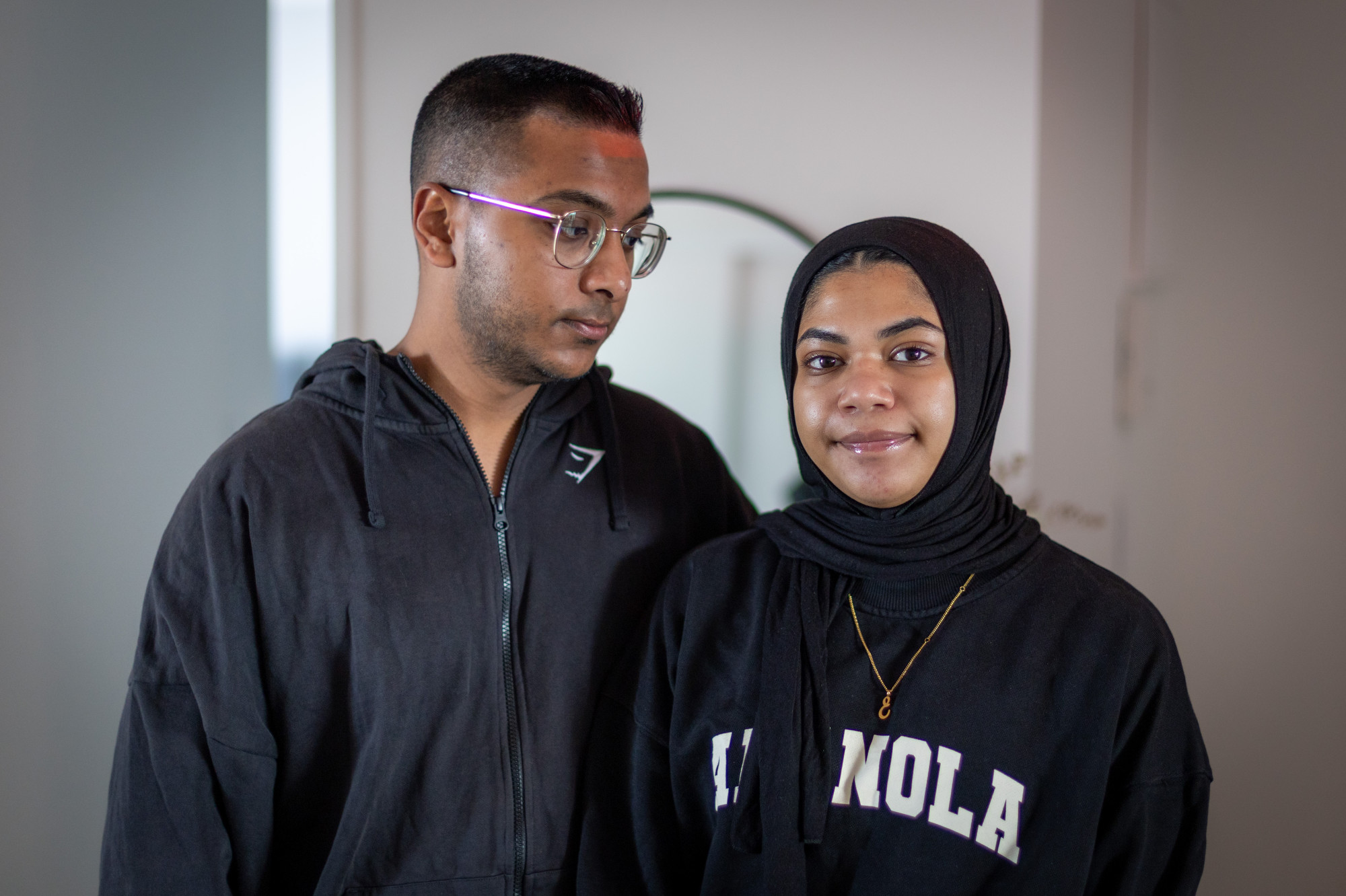
But the pair’s dreams of welcoming their first child were dashed in April, when they were told their unborn baby had died at 37 weeks.
The death is now the subject of a Te Whatu Ora review.
The grieving West Auckland couple believe more could have been done to prevent their baby’s death. They claim they repeatedly raised serious concerns with medical staff and doctors at Waitākere Hospital.
Ahmad said at one scan, she was diagnosed with marginal cord insertion - where the umbilical cord is attached to the edge of the placenta, rather than the middle. The condition can sometimes reduce the flow of blood and nutrients to the baby and affect its growth.
The couple was also worried about how dramatically their baby’s movements reduced from 33 weeks.
Ahmad was admitted to Waitākere Hospital on one Saturday in April, where scans found the baby was in a transverse position - lying sideways.
“The reduced movement was still a concern, but all the midwives... kept telling us: ‘Oh, baby’s heartbeat is okay... there’s not much room for baby to move, which is why you’re feeling reduced movement’.
“I kept on telling them: ‘Yeah, I can feel movement, but it’s just not the normal movement’.”
A plan was made for Ahmad to undergo a radiology scan the next day. However, it was postponed until the day after because no obstetrician was available that Sunday, the couple told the Herald.
A scan done the next morning showed an abnormal doppler flow - restricted blood circulation between the mother, placenta and baby - and some reduced growth.
The couple say they were given two options at that point: to have an external cephalic version (ECV) procedure to manually rotate the baby to a head-down position, giving a better chance for a natural delivery.
The other option was to have a C-section in two weeks. The couple chose the ECV option but were told there would be no available consultant until the next day: Tuesday.
Ahmad would also be discharged.
‘We can’t see any heartbeat’
“We asked before being discharged if it was okay for us to go home - if the baby will be safe. The doctor said: ‘Yep, it’s fine for you to go home... we can assure you, baby will be fine’,” Ahmad claimed.
The next day, as she lay down for a scan to check the baby’s heartbeat before the ECV procedure, the couple received the devastating news.
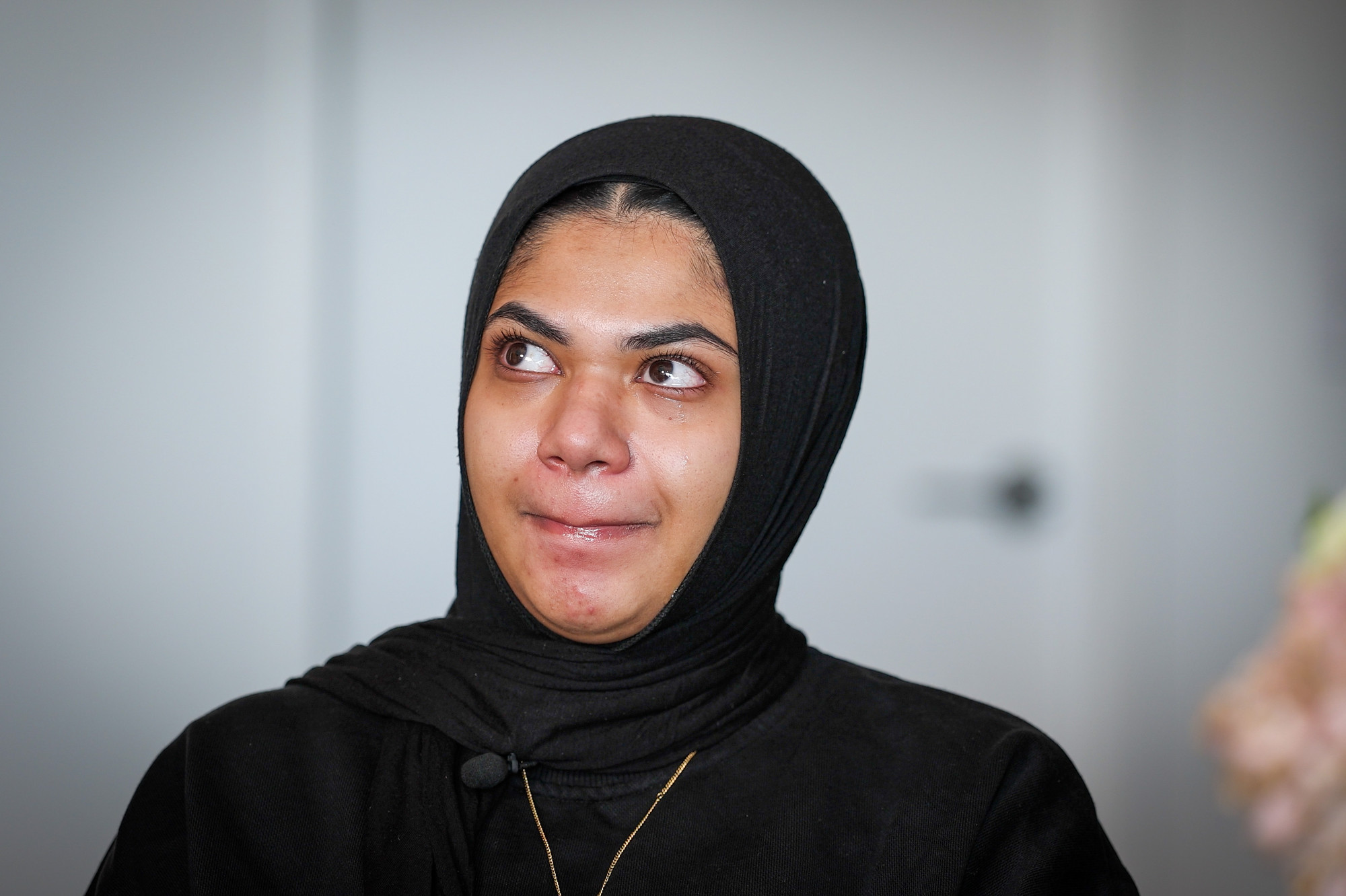
“The first thing they said was: ‘We can’t see any heartbeat’,” Khan said.
Khan said they were told their baby was dead.
Khan was incredulous, given the constant reassurances the couple said they had been given when they had raised concerns repeatedly, even the day before.
He recalls saying: “Just yesterday, we got discharged. [We were told] the baby was good. Everything’s looking good. We raised concerns for reduced movement, heartbeat...
“And now you’re saying that you can’t do anything because there’s no heartbeat and you’re not going to take any action.”
Khan said he and his wife were in a state of shock and urged doctors to act, including asking for another scan in a different room with different equipment. They also called their midwife.
“Despite our multiple concerns and multiple questions around baby’s heart rate, baby’s health, Alvee’s health, it was the hospital who took our concerns lightly and we got discharged,” Khan claimed.
“We were torn apart. That’s not what we expected.”
Khan also believes the way staff told them their child had died lacked compassion.
For Ahmad, that moment is a blur.
“All I remember is just crying.”
“Surely this baby is coming to us. If I got this far, then it’s happening,” she said, tears streaming down her cheeks.
‘Don’t want any other first-time parent to go through this’
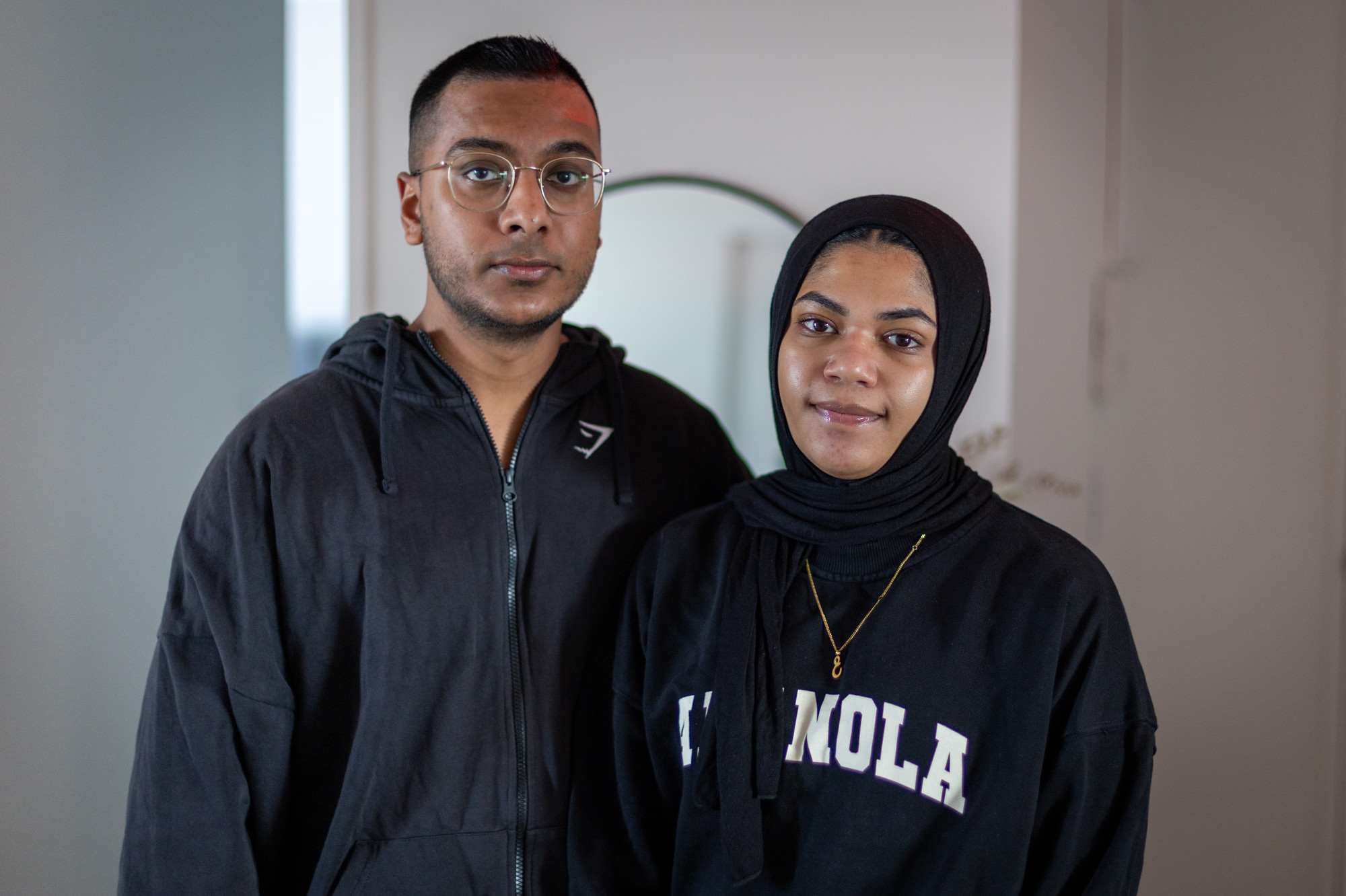
Te Whatu Ora Health NZ’s group director of operations Waitematā Brad Healey confirmed an internal review had been launched and offered sympathies to the couple.
“Our deepest sympathies are with Alvee and Saif following the tragic loss of their much-loved baby who suffered a stillbirth at 37 weeks.
“We have met with the family and we are currently undertaking an internal review. We will keep the family involved and informed as our review progresses.”
Healey said they expect to share the findings in the coming weeks.
As for Ahmad and Khan, they are supporting each other as best they can, with the support of their families.
Although it is difficult, they hope sharing their story gives other first-time parents the courage to speak up again and again, and advocate strongly for themselves and their baby if they have concerns.
“As first-time mums, we don’t know what a pregnancy is like, so you just go off by what the doctors are telling you,” Ahmad says.
“If I ever get blessed with another pregnancy, I just don’t know who to trust anymore. It’s going to be really hard.
“I just don’t want any other first-time mum or parent to go through what we’re going through.”
Sign up to The Daily H, a free newsletter curated by our editors and delivered straight to your inbox every weekday.