National Concussion Guidelines for grassroots sport introduced by ACC for 2024 winter season
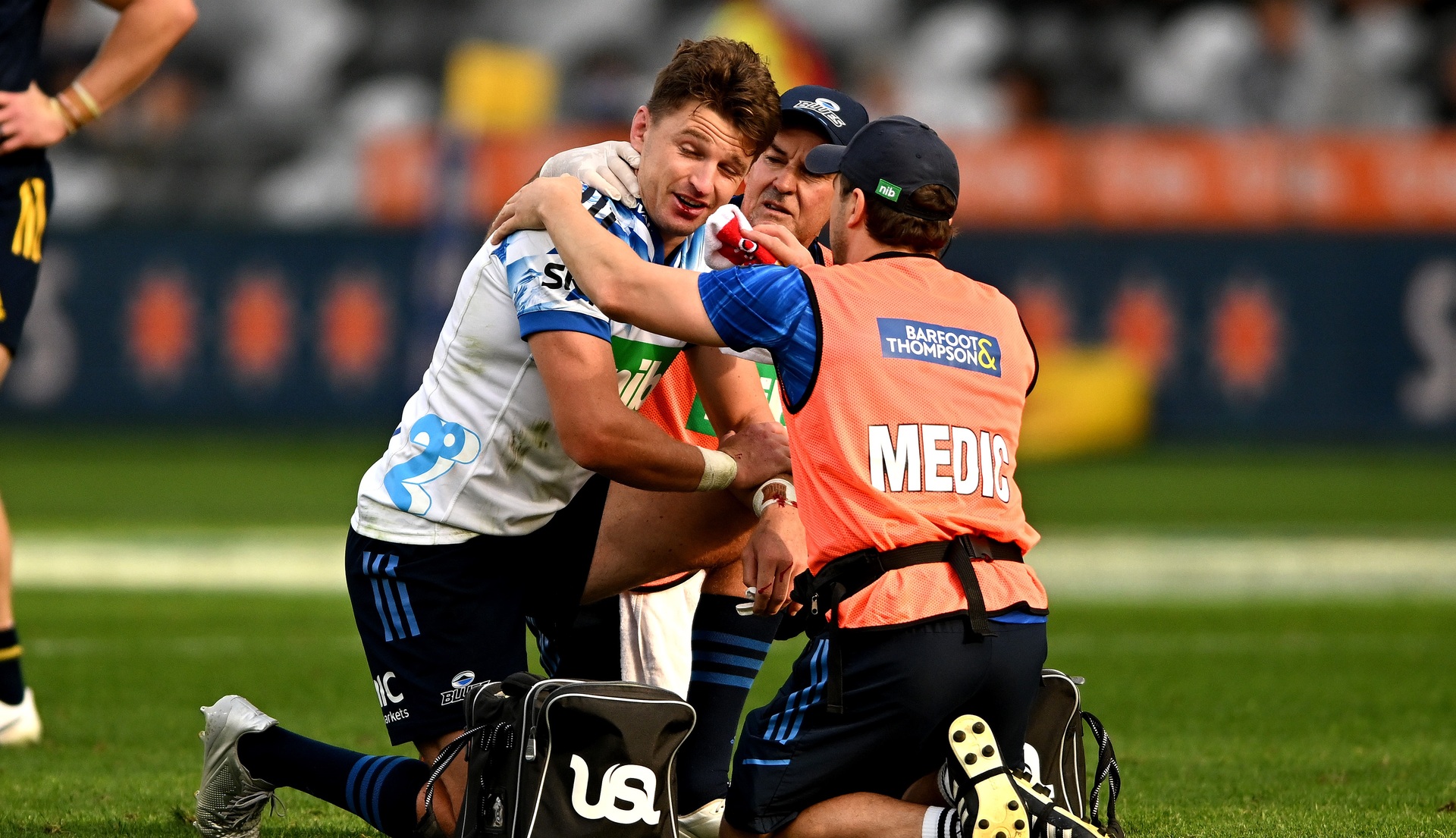
In partnership with seven national sporting organisations, Accident Compensation Corporation (ACC) has announced the new National Concussion Guidelines for community sport, which bring a consistent standard for recognising and treating concussion.
The guidelines, which come into effect for the 2024 winter sport season, are designed to improve the health outcomes and wellbeing for people who play community sport by introducing a standardised approach to managing concussion.
They provide principles and general advice for the sport community and health professionals to recognise and treat concussion in a consistent way.
The key changes are: (1) When a player suffers a concussion, they must have a minimum period of 21 days away from full competition and (2) medical clearance must be obtained prior to return to play.
“Historically, there has been no national and consistent standard for recognising and treating concussion at the community sport level,” says Tane Cassidy, ACC’s deputy chief executive of prevention and partnerships.
“As a player, parent, caregiver, member of whānau, coach, club official or referee, it’s hard to know what advice to follow. Similarly for GPs, it’s confusing and hard to know what advice to give and to who.
“This inconsistency increases the risk of people either not reporting their concussion at all or reporting their concussion but returning to sport too soon and risking more serious injury.
“These National Concussion Guidelines aim to change that.”
Expert panel teams up with sports
In June last year, ACC convened an expert panel and held a workshop with the medical directors from the larger and higher-risk sports codes.
The expert panel included: Dr Stephen Kara (expertise and specialist interest in concussion), Dr Mark Fulcher (NZ Football medical director), Dr John Mayhew (NZ Rugby League medical director), Dr Ian Murphy (ACC principal clinical adviser), Sharon Kearney (Netball NZ injury prevention consultant), Melinda Parnell (Netball NZ medical director), Karen Rasmussen (NZ Rugby medical manager) and Dr Graeme McCrory (Equestrian Sports NZ medical director and community GP).
ACC collated the latest research around concussion, including international consensus statements, and applied this in the New Zealand context, with concussion being managed in primary care.
The panel agreed on the return-to-play changes for a player who has suffered a concussion. This approach is consistent with community sport in Australia and the United Kingdom.
This was based on guidance in the International Consensus Statement on Concussion in Sport, the UK Concussion Guidelines for Grassroots Sports and other relevant research.
The AIS, the Australian Sports Commission’s (ASC) high-performance arm, in a world first has aligned the Youth and Community Sport Guidelines with advice in both New Zealand and the United Kingdom.
The true cost of concussion
In 2023, ACC accepted 10,648 claims for sports-related concussion.
These injuries came at a cost of $64 million to help people recover. This was the highest number of claims and the highest cost over the past five years. From 2019 to 2023, ACC spent $266 million helping people recover from sports-related concussion.
Research from ACC suggests about 1100 concussions currently go untreated.
The highest number of sport-related concussions occur in team-based sports such as rugby, football, basketball and from cycling and equestrian activities.
Tane Cassidy says it’s important concussion symptoms are managed well.
“Good early management of concussion can improve long-term outcomes,” he says.
“We’re committed to increasing awareness and education around concussion, and these guidelines give community sport the direction it needs.”