Horse racing: Time for punters to be able to trust what their eyes are telling them – Michael Guerin
Racing doesn’t need to find ways to annoy punters.
It is already full of them.
Bad-luck stories or imagined bad-luck stories, poor rides, horses who settle back and are never put into the race, pacers and trotters that gallop: the list is long and colourful.
Most bets lose, which means most punters don’t need a heap of motivation to be annoyed immediately after a race.
The majority of punters don’t lose their rent money though, more part of their entertainment spend, so they move on to the next race and the well of hope quickly refills.
But of all the things that will annoy punters, the cruellest is letting them think they have won when they have not.
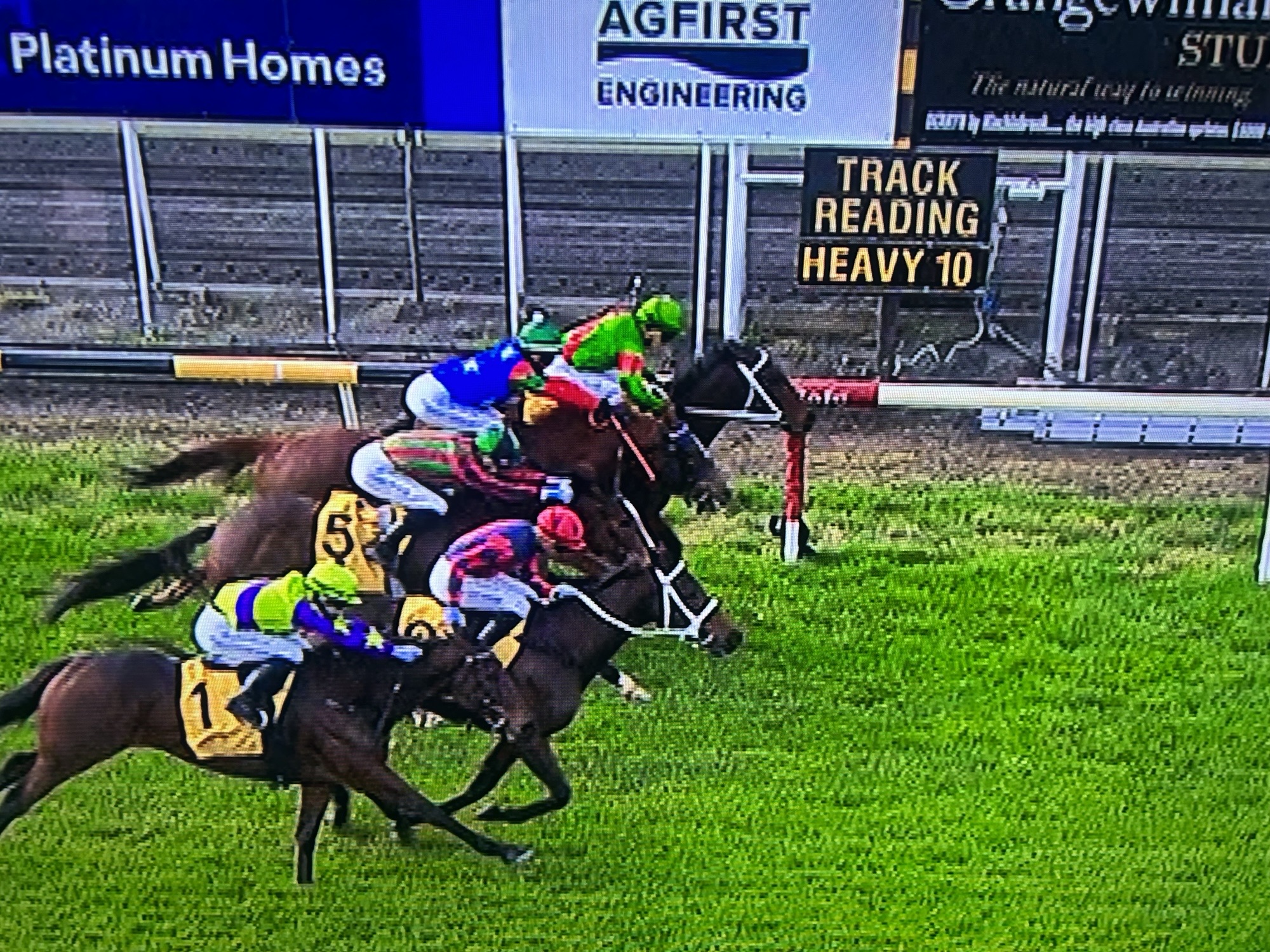
Which brings us to Race 1 at New Plymouth on Saturday, the $40,000 Seaton Park special conditions race, the first domestic race in the country on a sunny winter’s day.
The winner was Timemakesthewine, who gained her first career victory at start four for trainer and part-owner Janelle Millar.
Timemakesthewine turns 6 in a few weeks, so nobody could begrudge Millar the win, after years of patience.
And Timemakesthewine definitely won. The problem is it didn’t look like she won.
If you were watching the race live on Trackside, as I was, devoid of investment but still interested, you would have sworn runner-up Our Darcy had won.
In a great finish, with five horses across the track, the television angle appeared to show that Our Darcy had snuck up the inside to win, with Timemakesthewine possibly costing herself the win by running around at the 150m mark.
The replay all but confirmed it, as the cameras followed Our Darcy around to the back straight, where jockey Sarah Macnab pulled the half-brother to Auckland Cup winner Trav up and returned to scale as presenter Bevan Sweeney suggested Our Darcy is going to develop into a decent horse.
An old pro, Sweeney did mention to punters the angle at New Plymouth can be notoriously hard to judge, so it was closer than it looked, but when the winner was apparently so obviously in front at the line, punters can feel pretty comfortable.
Until they don’t.
Judge Mike O’Sullivan made his call and to everybody’s shock, the outside horse, Timemakesthewine, had got up to win, which you can guarantee filled up a few swear jars around the country from Our Darcy backers.
Just to be clear, there is no skulduggery or foul play here: photo-finish equipment and racecourse judges don’t lie.
But camera angles do. And racing has to try to stop that.
Racing is more than ever a television sport, whether that television be on your wall at home, in your pub TAB, on that device in your pocket or even on the big screen at the racetrack.
And yet in 2026, with millions and millions of dollars on the line at every Saturday race meeting, we somehow still allow races to show pictures that suggest horses have won when they haven’t.
The reasons are simple.
Most grandstands, which house the judges’ boxes and television cameras, were built 50 or even 100 years ago, when racing wasn’t about television and we didn’t even have photo-finish equipment.
So we have commentator’s boxes, judges’ facilities and TV camera operators sometimes crammed into the only vantage points they will fit into, often before or after the official finish line, rather than where they should be, perfectly in line with the finish.
Trackside bosses spoken to by the Herald yesterday confirmed this is the case.
The New Plymouth angle may be “notorious” but it is not novel, one of numerous tracks around the country where even commentators are left guessing who actually won a race.
At some tracks, you have to discount the horse on the rail an entire neck because the angle so blatantly favours the outside horses and that understandably leaves punters angry, bemused or, even worse, thinking they have been conned when a horse who looks to have clearly won actually hasn’t.
In the jigsaw of infrastructure problems New Zealand racing faces, this may not seem like a big deal but punters are still racing’s most important customer and every possible endeavour should be made to allow them to watch a race and feel confident what they see is real.
Everything possible should be done to ensure the commentator, photo-finish cameras and Trackside cameras are perfectly aligned with the winning post to give punters the best angle to watch and judge the finish.
If that means knocking out a few walls, or moving the winning post back 20m to actually be in line with the cameras, then do it.
Bad finish-post angles aren’t part of the charm of smaller racetracks and clubs. They are not bad luck.
They are ridiculous, outdated and simply not good enough.
Allowing them to continue insults punters’ intelligence and tells them they can’t believe what they are seeing.
And nobody wants to bet on that.
Michael Guerin wrote his first nationally published racing articles while still in school and started writing about horse racing and the gambling industry for the Herald as a 20-year-old in 1990. He became the Herald’s Racing Editor in 1995 and covers the world’s biggest horse racing carnivals.