Horse racing facing uncertain times as codes face potentially huge deficits
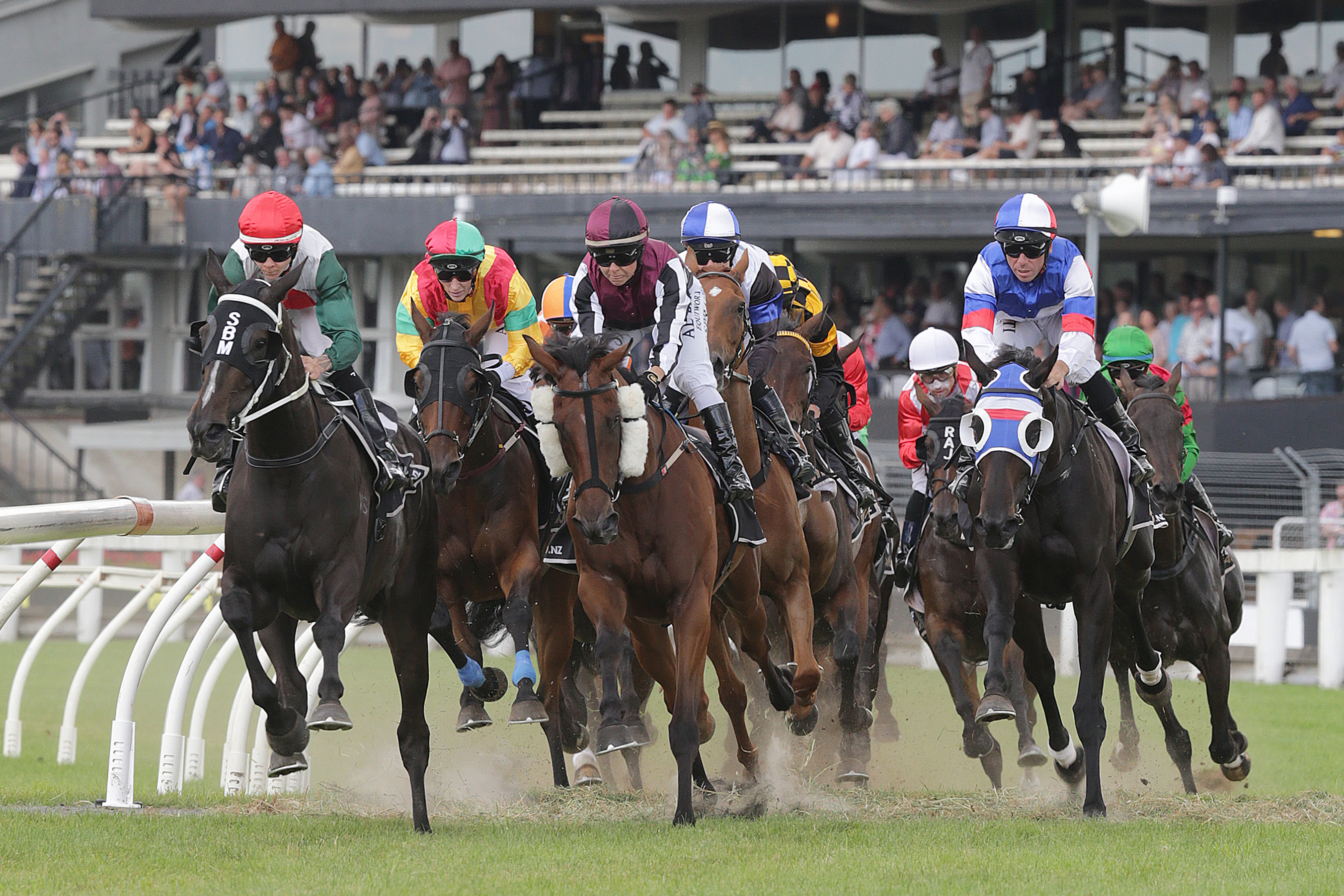
The New Zealand racing industry is on the verge of a financial crisis that could see stakes slashed while iconic race tracks are slated for closure as the two equine codes face potential combined budget deficits of over $20 million next season.
And it looks increasingly unlikely TAB NZ will use its reserves to bail them out, seeing that as fiscally irresponsible with no guarantee the codes will be in any better position in a year.
New Zealand’s two horse-racing codes are run by New Zealand Thoroughbred Racing (NZTR) and Harness Racing New Zealand (HRNZ), whose primary source of funding comes via TAB NZ, which passes on the industry’s share of profit from TAB betting in New Zealand.
The codes also receive a smaller percentage of bets placed with overseas-based bookmakers on New Zealand racing.
Those levels of funding are guaranteed at a boosted level for the next two years as part of the TAB NZ deal with Entain, which runs the TAB’s day-to-day business.
But for the two racing codes to balance the books next season, which begins on August 1, they need extra money paid out by the board of TAB NZ, which is the regulatory arm of the New Zealand betting agency.
That money can only come from the TAB’s reserves.
The Herald understands NZTR could need between $14 million and even as high as $18m to fund its budgeted expenditure for next season, while HRNZ has confirmed its top-up figure is over $6m, but with a wish list, it may go as high as $9m.
But different visions for the future of New Zealand racing governance and key elements of the business have left the codes and TAB NZ at an impasse, and the latter may not top up the code’s funding unless all three can agree on a shared plan for the racing industry’s future.
That could leave both NZTR and HRNZ having to cut expenses or facing a combined loss of nearly $55,000 a day from August 1.
That is obviously not sustainable, so if agreement is not reached soon, the two codes could need to cut either the number of races they hold or the stakes, or both, as well as reducing operational expenses.
The other financial elephants in racing’s room are infrastructure projects that could cost well over $100m looming in the next five years.
The Herald understands TAB NZ wants the codes to agree on significant steps toward implementing five key recommendations from a high-powered advisory committee comprising many of the racing industry’s smartest minds and most invested stakeholders.
The advisory committee is headed by Sir Peter Vela (NZ Bloodstock), alongside Sir Brendan Lindsay (Cambridge Stud), Greg Tomlinson (Nearco Thoroughbreds), Ken Breckon (Breckon Farms) and Steve Thompson (successful racehorse owner), the latter two from the harness racing code, Waikato Stud owner Mark Chittick and superstar Kiwi trainer Chris Waller, who is now the leading trainer in Australia.
All are not only racing experts but also successful businessmen, and represent a horse-racing industry dream team of commercial knowledge.
Among their recommendations are merging NZTR and HRNZ into one entity (with the working title Central Co) to save costs.
Perhaps more crucially, they want to establish a property vehicle or trust to combine some of horse-racing’s enormous real estate assets, to increase the industry’s liquidity and ability to fund some of the crucial infrastructure projects planned.
TAB NZ has been meeting regularly with the two codes, but the three organisations have so far not agreed on the terms of a Memorandum of Understanding to see the advisory committee’s vision implemented.
TAB NZ sees that as crucial for providing a sustainable future for New Zealand racing.
Two of the key differences between the bodies appear to be the independence of the board to oversee the property vehicle and the speed of implementation of the advisory committee’s recommendations, with the codes favouring a working group to oversee the next steps.
Starting work soon on at least some of the advisory group’s recommendations, which are likely to be officially released this coming week, is becoming increasingly important as the amount Entain has guaranteed to return to TAB NZ, and therefore the codes, is estimated to drop from a high of $195m in the racing season ending July 2028 to a figure that could be $10m or even $20m lower.
It appears both NZTR and HRNZ have budgeted for their income to start the new season being topped up out of the TAB NZ reserves, but unless the three organisations get on the same page quickly, that is in doubt.
That would trigger changes to the codes’ budgets and the resulting uncertainty has meant they have been unable to tell racing clubs or industry participants (owners, trainers, jockeys and drivers) what stake levels will be from August 1.
NZTR and HRNZ both say they are keen to work with TAB NZ by forming a working party to plan the next steps.
But TAB NZ is unwilling to part with any of its cash reserves without a more rock-solid commitment to expedient implementation of the advisory committee’s recommendations, which they believe is the best way to fix the foundations of the industry.
Such are the unusual dynamics of racing politics and sensitivity of the negotiations, all parties were happy to discuss with the Herald the issues and their side of the standoff, but none wanted to be quoted.
The prospect of stake cuts and/or a reduction in race numbers will be perplexing to most in a racing industry that is supposed to be still basking in the financial glow of the Entain deal.
What had been touted as New Zealand racing’s golden days could now be replaced by doubts and anger at the size of the code’s potential deficits, with every major horse trainer spoken to by the Herald voicing concerns over the industry’s financial future and lack of communication.
That annoyance will carry all the way to the Beehive, with Minister of Racing Winston Peters unlikely to be thrilled to see racing’s power brokers unable to agree on a way forward and the time frame for changes that look certain to eventually be implemented.
To further complicate matters, the funding stoush comes as racing bosses await the final draft of a consultancy company report, named Project Stamina, that the Herald understands could recommend the closure of two of the country’s most iconic racetracks, Trentham (thoroughbred racing) and Alexandra Park (harness racing).
If the codes approved that, it would mean no racing of any code in Wellington and no harness racing in Auckland, which would be a step toward the death of harness racing in the North Island.
Both of the clubs that oversee Trentham and Alexandra Park have vowed to fight to keep them open.
That only increases the importance of an independent board to oversee racing’s property strategies in what shapes as a crucial next few years for an industry in need of drastic change, a reduction in operational expenses and better communication.
Michael Guerin wrote his first nationally published racing articles while still in school and started writing about horse racing and the gambling industry for the Herald as a 20-year-old in 1990. He became the Herald’s racing editor in 1995 and covers the world’s biggest horse racing carnivals.