Big Bash? Super Smash? Or something else? What to do with New Zealand’s T20 league - Opinion
THE FACTS
As Twenty20 continues to take over the cricketing world, the game in New Zealand is at a crossroads.
Since the inception of the Indian Premier League in 2008, cricket has moved to a club-first model, similar to what’s seen in football and basketball, where the international game takes a back seat.
Having expanded to nearly every cricket-playing nation – and even the likes of the United States, Canada, Cayman Islands, the United Arab Emirates and others – franchise T20 has revolutionised the sport, and the earnings on the table for players.
But, at present, NZ is the only major cricketing nation without any sort of franchise model. Instead, the Super Smash is made up of the six major associations – Auckland, Northern Districts, Wellington, Central Districts, Canterbury and Otago.
While the rest of the world uses their local competitions as a money-making outlet, NZ Cricket’s method instead sees the Super Smash operate as a means to produce players to step into the Black Caps and White Ferns.
This year, though, that balance is shifting.
In 2025, NZ Cricket has invested in establishing a franchise in American Major League Cricket, as well as undertaking an independent assessment into seeing at least one side join Australia’s Big Bash League (BBL), as early as 2028.
However, as reported by Stuff last week, plans are also under way for a revamp of NZ’s domestic calendar. That plan, known as the ‘NZ20’ would see a new competition, privately owned by Indian money, and run from January at the height of the Kiwi summer.
And although those plans are not officially backed by NZ Cricket, the six major associations are on board, as well as, the Herald understands, the NZ Cricket Players Association.
Regardless, it’s clear that there is a serious appetite for change. As understood by the Herald, four options are on the table.
The first, effectively leaving the Super Smash untouched, would see NZ Cricket remain in the position it currently finds itself.
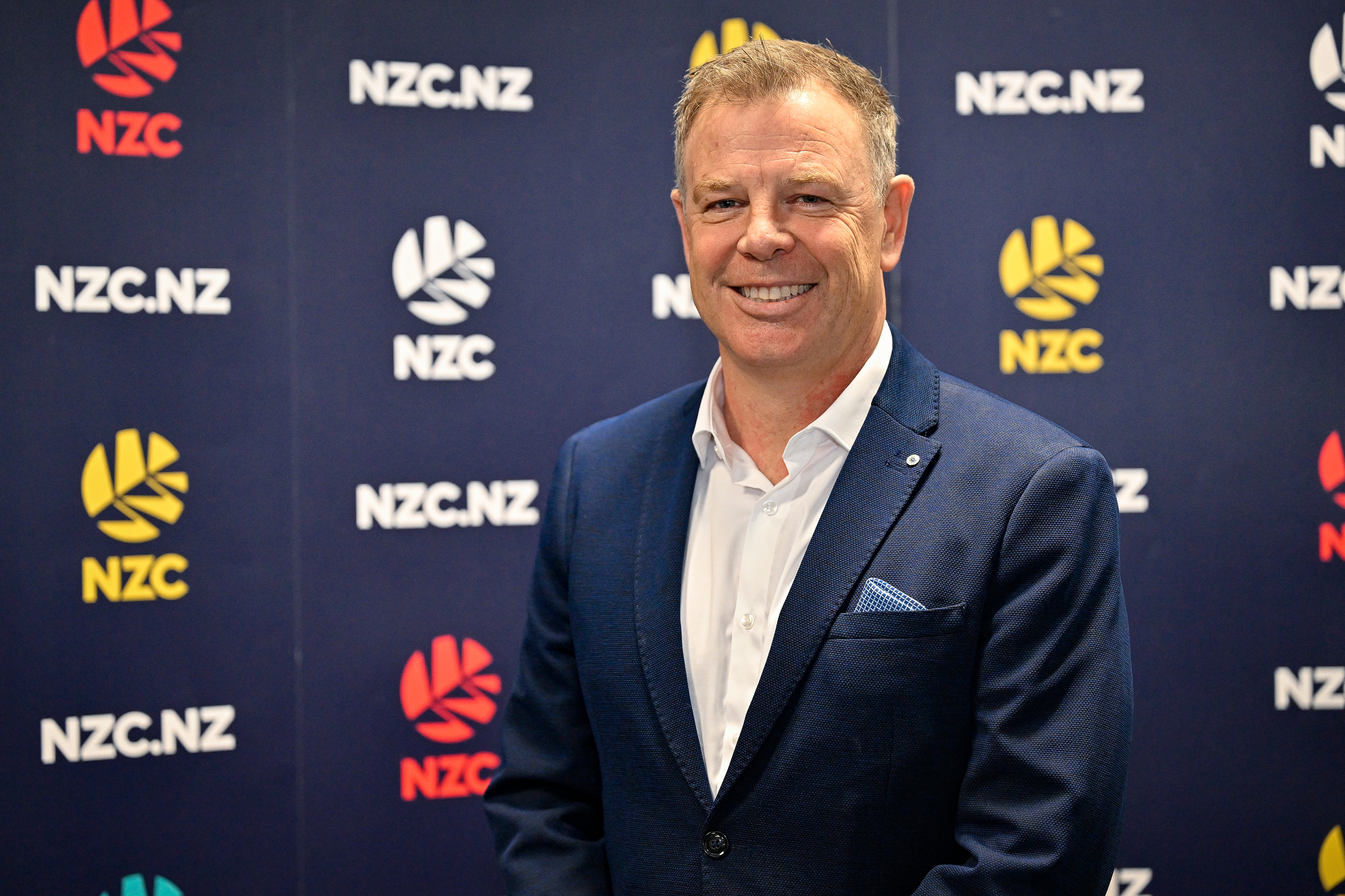
The second and third would see private money introduced into the NZ game, either by investing in the Super Smash, or the creation of the NZ20.
The last, would see NZ Cricket push for entry into the Big Bash, as early as 2028.
Whatever direction the sport ends up moving in, there are positives and negatives to be taken into account.
Straight away, a line needs to be drawn through option one. As already seen with series losses to Australia and England this summer, NZ’s way of playing T20 is seriously outdated.
Because of the rise and rise of franchise leagues, teams are more or less able to pick T20 specialists, who are able to tailor their game to the shortest format.
The England side that defeated the Black Caps 1-0 had just two all-format regulars, captain Harry Brook and Brydon Carse. The Australia side had three – Travis Head, Alex Carey and Josh Hazlewood.
The Black Caps on the other hand saw Devon Conway, Rachin Ravindra, Daryl Mitchell, Kyle Jamieson and Matt Henry used. Kane Williamson, Glenn Phillips and Will O’Rourke would also likely have played, but were either injured or unavailable.
While there is honour in being an all-format player, it is quickly becoming irrelevant. Leaving the Super Smash alone would see this problem exacerbated over the coming years, as domestic players would still need to play the Plunket Shield and Ford Trophy to earn their keep.
Options two and three, then, become much more important. While admittedly different, both involve NZ’s domestic competition moving to a privately-backed model.
The major question would be where the money comes from, and who would be in control – whether through an NZ Cricket-led investment drive, or the privately run NZ20.
While an NZ Cricket controlled competition would be preferable, the Herald understands there is a serious disconnect between the national body, the major associations and the Players Association.
Regardless, private investment in the Super Smash might not be the silver bullet many think.
For a start, a privately run competition would dramatically put T20 cricket at the front and centre of the game here, at the expense of other formats.
As seen in the West Indies, where the Caribbean Premier League is privately run and licensed back to the governing body, the money available through the franchise competition make it the only logical option for players to aim for.
While the West Indies did famously defeat Australia in Brisbane to seal a 1-1 series draw at the start of 2024, their fortunes in test cricket have suffered. Players are being called up for national duty with scarce first-class experience, while the best and brightest talent trots the globe for franchise competitions.
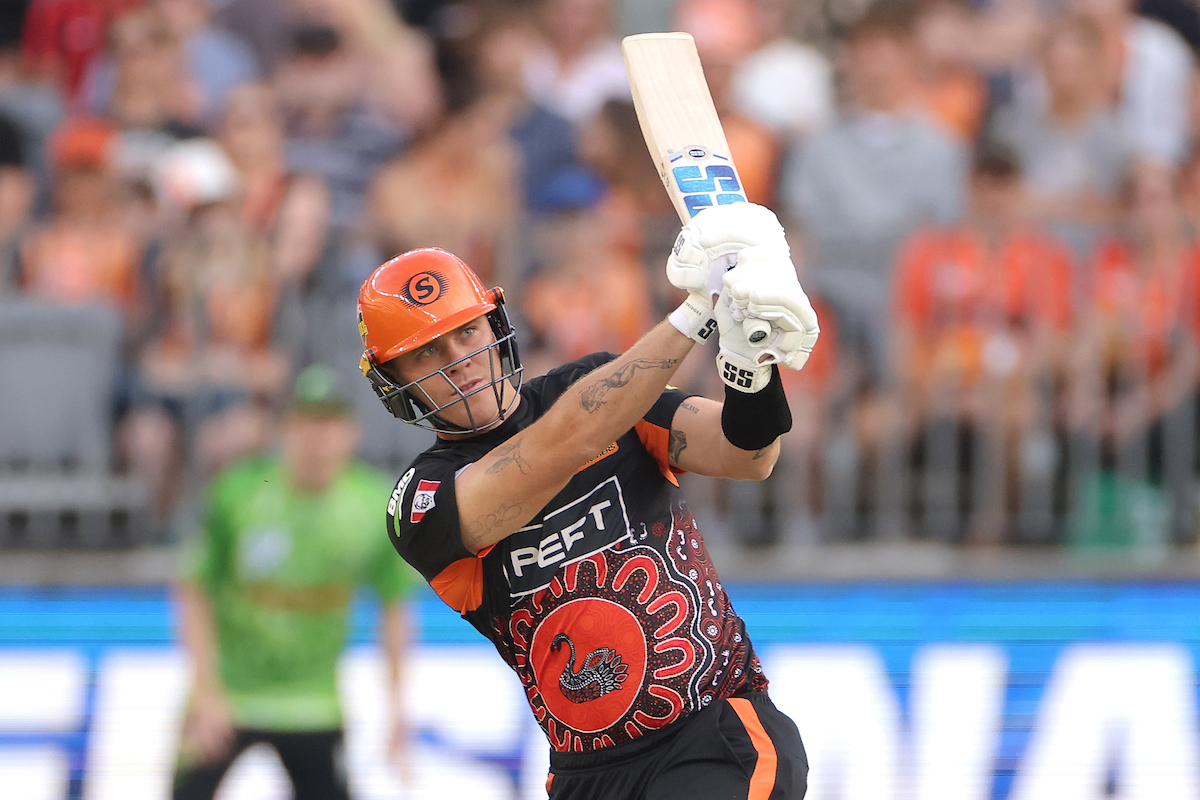
Should NZ follow a privately-backed model, the same would likely happen here.
On top of that, a privately backed competition – played over the peak summer months – would leave NZ’s competition operating in the same space as not just the BBL, but South Africa’s SA20, and the UAE’s ILT20.
The SA20 and ILT20 are both backed by private Indian money, making it a more appealing choice for players. Not even Australia can compete with that. As a result, players start the season in the BBL, before leaving midway through for South Africa and the Emirates.
If NZ does adopt a franchise model, overseas players become a valuable tool to get bums on seats. But be it the NZ20 or a revamped Super Smash, a lot of money would be needed to see the best of the best play in Aotearoa, instead of the Indian-backed competitions.
Despite its place in the Kiwi sporting summer, the Super Smash is neither well attended, nor watched. When Sky acquired NZ Cricket’s broadcast rights earlier this year, the Super Smash was left on the table, because the returns available do not match the investment needed to run it.
Would more money and potentially more star players change the fact that Kiwis are largely apathetic to T20 cricket? In all likelihood, no.
The final option, then, leaves NZ Cricket looking to follow rugby league, football and basketball, and join forces with Australia, with Kiwi entries into the BBL – a move championed by chief executive Scott Weenink.
At present, Australia is also attempting to work out what to do with their franchise competition.
According to reports from across the ditch, NZ – as well as Singapore and Canberra – could be ideal for expansion, as the 10 team competition aims to maximise its place in Australia’s holiday period.
With so much of Australian sport revolving around the war between the NRL and the AFL, it’s understood the NZ audience is a major driver in keeping rugby league in the contest.
And while cricket doesn’t have competition for eyeballs in the same way that the NRL and AFL do with each other, a Kiwi audience might be too much for Cricket Australia to turn down, as it competes with the SA20 and ILT20.
In this scenario, a Kiwi entry – or entries – would further open up the NZ market to Australia, with an earlier time zone allowing for double-headers, which could convince administrators to take the plunge.
What’s more, as seen with the arrival of Auckland FC into the A-League, a Kiwi derby – potentially between North Island and South Island teams – would be a must-see fixture on both sides of the Tasman.
The big stumbling block comes through the fact that the Big Bash League is, and will likely always be, Australian-owned.
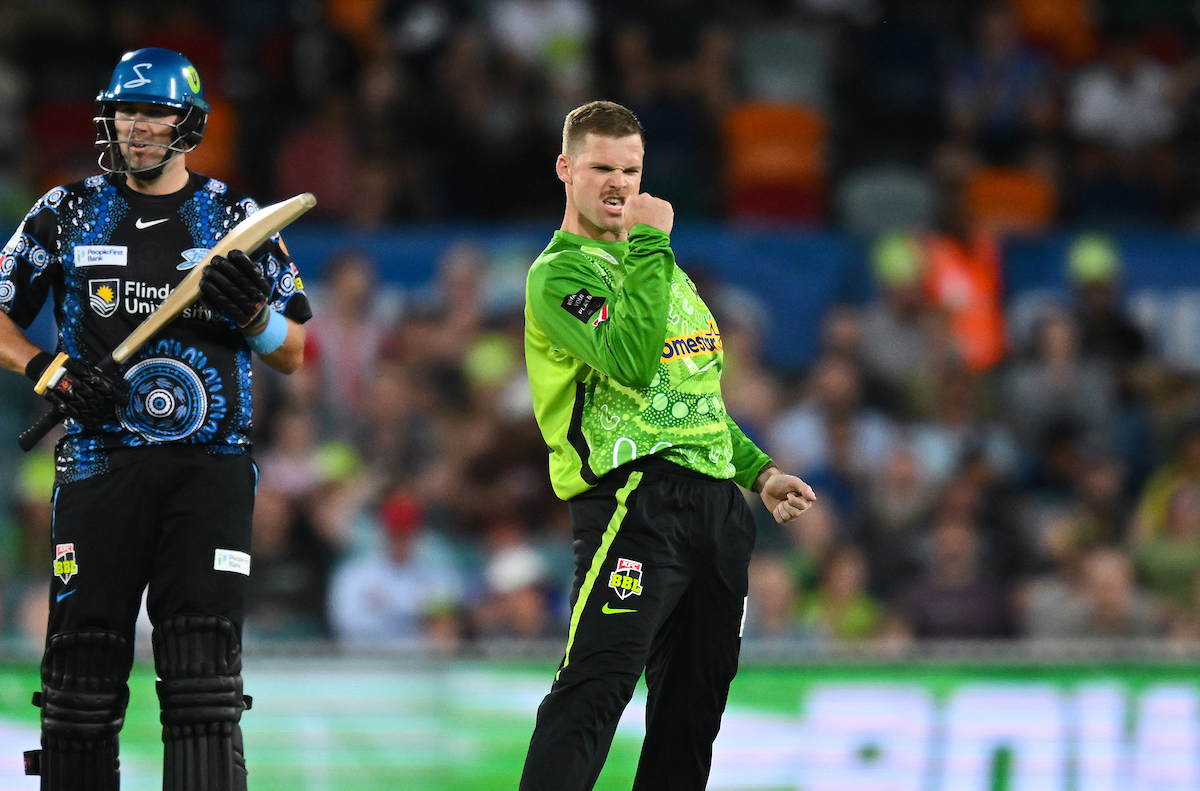
NZ Cricket would need to not only convince the major associations that this was the right option, but do the same with Cricket Australia. Even if that were successful, NZ would still be the smaller players in Australia’s tournament, where decisions could well be made for them.
Australia’s big issue, though, is the fact it wants to have its cake and eat it too. The Big Bash League is played at the same time as Australia’s test summer, leaving the best players unavailable during the height of the competition.
More worryingly, the Super Smash would fall further back into being a feeder tournament – if it continues to exist at all.
Would it be worth NZ Cricket sacrificing its own autonomy in deciding how the franchise game should be run?
Whatever way you look at it, none of the options on the table loom as the perfect solution.
But if NZ Cricket is to avoid being left behind, is the wrong choice better than no choice at all?
Alex Powell is a sports journalist for the NZ Herald. He has been a sports journalist since 2016.