Te Wāhi Whakaora Rotorua and District Women’s Refuge appoints district manager
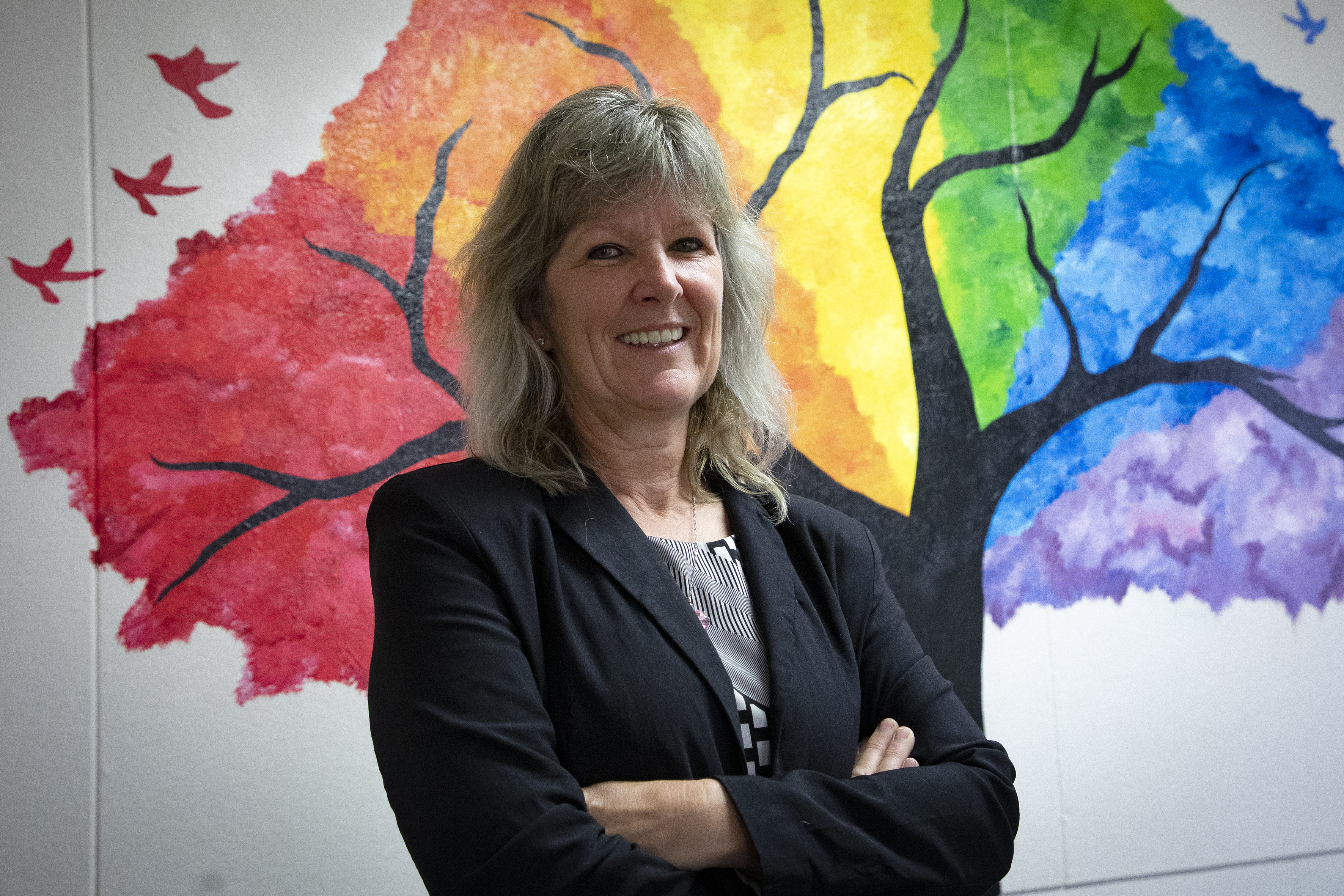
Julie Gibbs is hopeful a future without family violence is possible for New Zealand.
On May 15, the former Rotorua Hospital worker starts her new job as manager of Te Wāhi Whakaora Rotorua and District Women’s Refuge, leading a team committed to supporting silenced wāhine (women) and helping educate families across Aotearoa.
On average, New Zealand Police attend one episode of family harm every four minutes, and the New Zealand Crime and Victims Survey has estimated two-thirds of family violence goes unreported.
Gibbs told the Rotorua Daily Post she believed it was only when Aotearoa fronted the tough conversations about domestic violence that “we will be able to understand it and deal with it”.
“We need to understand what it is and how it happens and we need to heal from this.
“We need our children to grow [up] in a safe community ... Let’s hear our little ones laugh.”
After her time working for Te Whatu Ora - Health NZ, she was “excited” to continue working with the Rotorua healthcare community to address the problem.
“If we can get into homes and use our connections within our community, then I think we’ve got a good chance of [hopefully] stamping this out.
“People matter. Our women and children matter. They’re a foundation of our community and our country.”
She said educating everyone – not just “our little girls” – with a firm understanding of family values was the starting point for change.
“It’s the whole nine yards that we need to teach our children.”
She wanted them to learn about women being able to have a “sense of belonging” and power, as well as self-esteem and confidence.
She said perpetrating family violence should not be blamed on a bad upbringing and the responsibility to make change was on the individual.
“Our men also need to know it’s not okay.
“Let’s put ownership back. Let’s stop making excuses. There are no excuses.”
She said help was available and there was “always somebody that you can speak to” in the community.
A pōwhiri to welcome Gibbs to the role was held on Monday.
Women’s Refuge board principal adviser David Russell-Jones said the refuge was “really excited” to have Gibbs on board.
“She knows Rotorua well and understands the nature of family violence.”
He said family violence was not limited to people experiencing poverty or a certain group of the population.
“What it comes back to, I guess, is the most powerful people and a lot of the time that is us, men.
“It’s not that they don’t know another way of behaving. They [often] don’t abuse bosses or colleagues or the rugby team.”
Russell-Jones said there were many great initiatives and programmes happening in Rotorua and the rest of the country, where people were standing up and doing things differently.
He believed sometimes women may feel afraid or ashamed or think, “I’m not important enough”.
“We know that is a hard step for almost all the women who come into our service to make that initial call, but we encourage anyone experiencing family violence to reach out even if it is just for a confidential non-judgmental chat.”
At the pōwhiri, refuge community supporter Mike Keefe said the work the Rotorua team did was challenging but its successes were rewarding.
Keefe said he looked at the refuge from a preventative point of view: “If you can save two people out of 10, that’s a 20 per cent crime reduction and that’s huge.”
Where to go for help or more information:
• Women’s Refuge: Free national crisis line operates 24/7 - 0800 refuge or 0800 733 843; www.womensrefuge.org.nz
• Shine, free national helpline 9am-11pm every day - 0508 744 633; www.2shine.org.nz
• Shakti: Providing specialist cultural services for African, Asian and middle eastern women and their children. Crisis line 24/7 0800 742 584
• It’s Not Ok: Information line 0800 456 450; www.areyouok.org.nz