What Donald Trump’s Iowa primary win tells us about US politics
OPINION
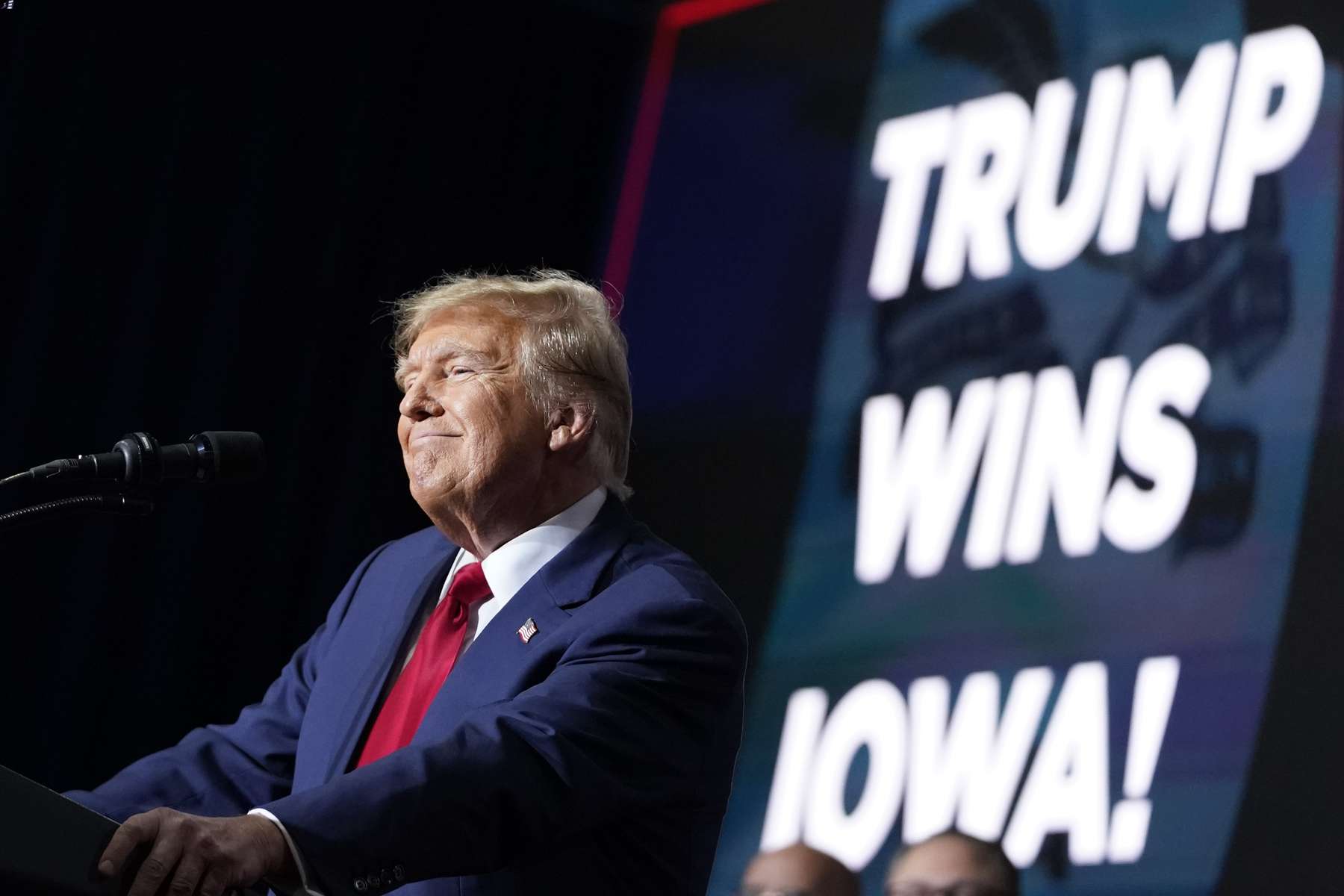
Donald Trump’s convincing Iowa win in the Republican party primary election this week raised many questions for observers of American politics around the world. How can the former president remain so popular when he faces 91 felony charges and voters must remember his shambolic time in office, which made the United States a laughing stock on the world stage? What do the 74 million Americans who voted for Trump in 2020 continue to see in him that eludes most political commentators? And is the Trump phenomenon about him personally or an insight into a wider social and political trend in the US and possibly around the world?
To the dismay of US Democrats and even some Republicans, it has become clear that Trump is winning because of his legal troubles, not in spite of them. Most politicians would have been buried long ago by the avalanche of scandals that have come his way, but every fresh revelation only reinforces his supporters’ belief that their man is the victim of a smear campaign by the left-leaning, liberal establishment. Even Trump’s rivals for the Republican nomination refuse to challenge his many false claims, most notably that the 2020 election was stolen from him - a bizarre projection of his own blatant attempts to overturn the result.
Polling suggests that less diehard Trump voters don’t totally buy into these myths but are happy to go along with them because Trump’s obsession with culture wars over normal political issues matches their own priorities. An Associated Press poll held just before the Iowa primary found most Republican voters were far more concerned about immigration than other economic issues which more directly affected their financial wellbeing and nine out of 10 supported building a wall on the Mexican border. Evangelical supporters have turned a blind eye to Trump’s personal misconduct because he has enabled them to roll back abortion law.
In many ways, Trump represents a revolt by Americans who are afraid of change. Some critics argue his support is driven solely by racism - white voters overwhelmingly supported Trump over Biden in 2020 by 58 to 41 per cent - but this doesn’t allow for other crucial factors, including poor education, religious fundamentalism and the impact of the Global Financial Crisis and Covid on the struggling middle class and America’s “forever wars” in Iraq and Afghanistan. This growing discontent and pathological mistrust of most institutions has been mirrored around the world, including in New Zealand.
Yet to outsiders, there is an even more obvious reason for Trump’s continued success. He prevails in spite of his horrific track record because America’s democracy is so deeply flawed. Voting restrictions, cynical gerrymandering of electoral boundaries and the outdated, disproportionate voting weightings for the electoral college and the Senate combine to produce a system which is skewed towards whites, rural areas and the South and denies millions of Americans a voice. Electoral reform in the US would not solve the many deep-seated problems behind Trump’s angry support base, but it would be a great start.