Waitangi Day hīkoi promises a fight for Te Tiriti o Waitangi
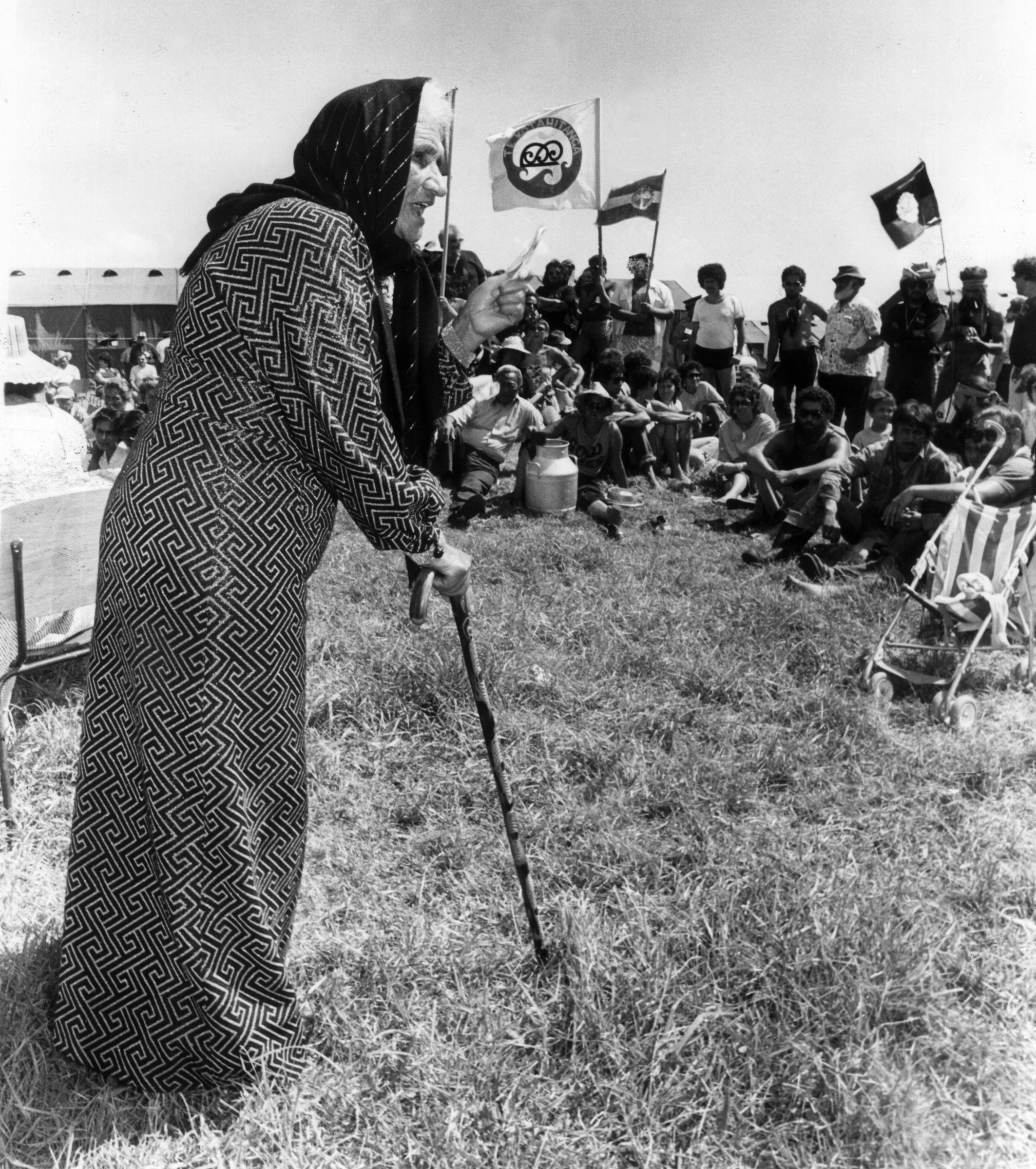
A significant hīkoi in defence of Te Tiriti o Waitangi is promising a fight against any planned changes to New Zealand’s founding document.
The march will leave Te Rēinga Wairua [Cape Reinga] at dawn on February 2 and arrive at Waitangi in time to take part in events on February 5 and 6.
The hīkoi has the same theme as Waitangi’s commemorations - upholding the Treaty of Waitangi and the Declaration of Independence - and complements other protests against the coalition Government’s anti-Māori legislation.
Concerns include the Government’s moves to remove te reo Māori from public service departments, removing co-governance from the delivery of public services and abolishing Te Aka Whai Ora, the Māori Health Authority, and smoke-free rules.
Organiser Rueben Taipari said he was particularly concerned about moves to redefine Te Tiriti. Leaked documents show “highly contentious” plans to remove the recognition of Māori chieftainship.
“When the Government says it’s going to go and change the document of my ancestors and [they] think that they can get away with it; we have a responsibility to go and enlighten, educate and, if necessary, enforce the rights and words of our tīpuna [ancestors],” he said.
“[Those are] strong words, but the politicians think they can do this - they’re just creating a new generation of activists and fighters.”
As many as 10,000 people could be involved with the hīkoi, and Taipari could not promise it would not disrupt or turn violent due to the strength of conviction of protesters.
“We’re standing up and fighting for what we believe in. We’re just doing what democracy promises us, which is [permission] to stand up for our rights.”
The hīkoi to Waitangi has been held nearly every year since 1985, following from a historic march from Ngāruawāhia to Waitangi in defence of Te Tiriti in 1984, when about 4000 protesters were blocked from crossing Waitangi Bridge by police.
Taipari said since then, Te Hiku Māori have taken it upon themselves to march in defence of Te Tiriti.
Another landmark hīkoi was held in 2004 in protest of the Foreshore and Seabed Act.
Taipari expected this year’s hīkoi to not only have have a large number of participants but to carry a strong message against the Government’s actions, which he said came after some people showed dissatisfaction with Māori development.
People have nothing to fear from Māori action, which is about standing up for the rights of all, he said.
“We’re trying to improve everybody’s conditions - not just the rich or clever or beautiful people: Everybody has the right to prosperity in this country and we have the capacity,” he said.
“Te Tiriti does protect everyone - it’s not just Māori. It protects us from foreigners all over the world coming down here and disrespecting or desecrating our rights.”
Taipari said the Māori protest movement is supported not only in New Zealand but around the world.
“We’re getting messages from around the world to stay strong and have courage when we stand up for Te Tiriti. Māori have a strong reputation internationally for standing up for indigenous rights.”
Denise Piper is a news reporter for the Northern Advocate, focusing on health and business. She has more than 20 years in journalism and is passionate about covering stories that make a difference.