Tory Whanau’s Wellington City Council: Why there’s a real risk Simeon Brown will intervene – A Capital Letter
THREE KEY FACTS
Senior journalist Georgina Campbell’s A Capital Letter column takes a deeper look at issues in Wellington, where she is based. She has a particular interest in local government, transport, and seismic issues. She joined the Herald in 2019 after working as a broadcast journalist.
OPINION
There have been several calls for government intervention at Wellington City Council in recent years, all of which have been a disproportionate reaction to the issues at play – until now.
Prime Minister Christopher Luxon and senior ministers Nicola Willis, Chris Bishop and Simeon Brown have used strong language in the past 24 hours citing serious concerns about the state of the council and its ability to function.
“It’s a shambles,” Willis said.
“I think shemozzle is the best description of it,” Bishop said.
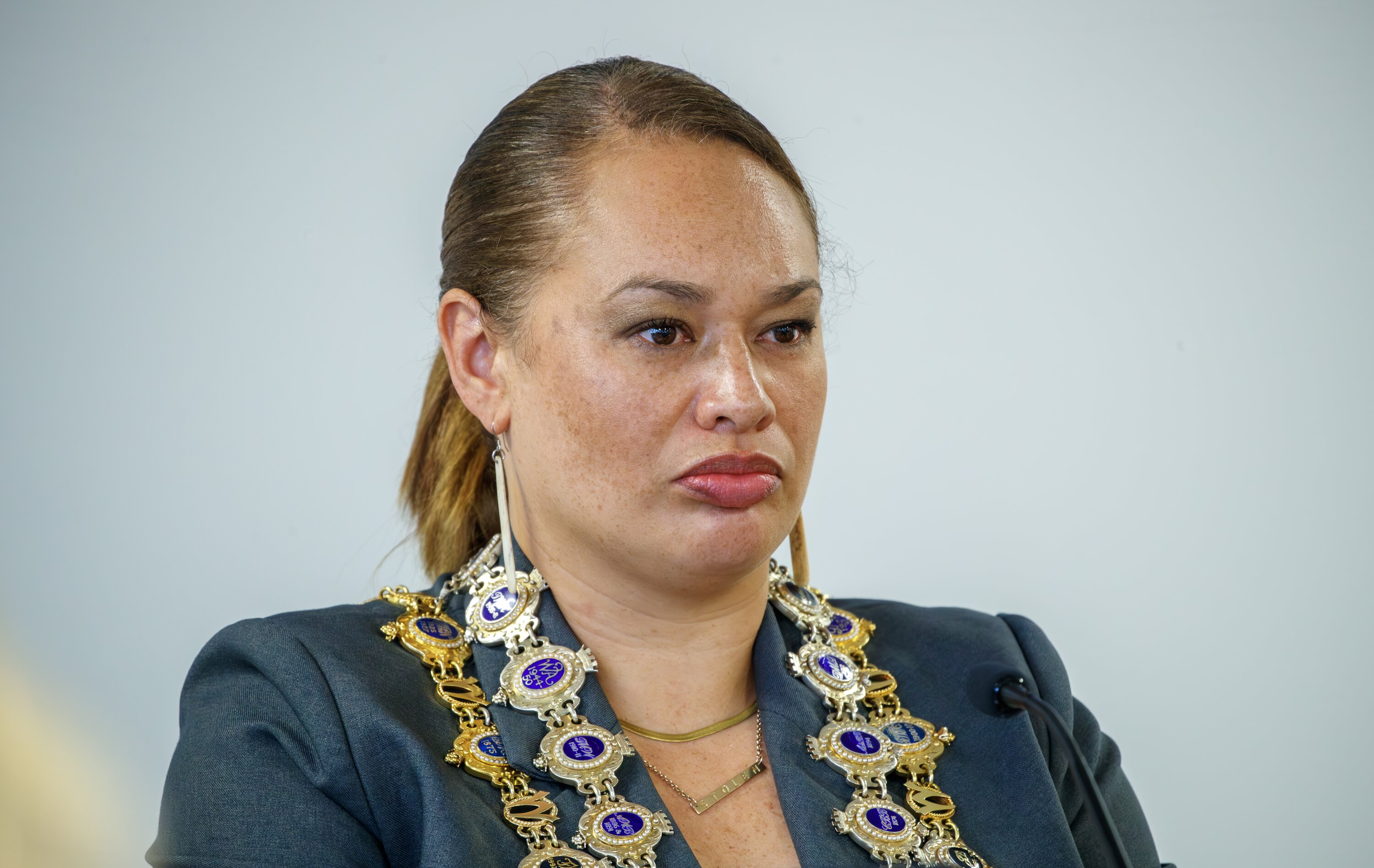
This is after the council voted to stop the controversial sale of its 34% share in the airport. It’s a significant loss for Wellington Mayor Tory Whanau, who championed the sale but more importantly, had planned her 10-year budget around it.
Selling the airport shares was designed to help solve two serious financial risks: the council’s $2.6 billion under-insurance problem and the lack of diversity in its investment portfolio.
With the sale off the table, the council is now faced with cutting up to $600 million in capital spending from its 10-year budget.
This needs to be done via an amendment to its Long-Term Plan (LTP).
Having to amend an LTP is not concerning or unusual. The LTP is set every three years and some financial situations need addressing outside that timeframe.
However, it is not a good look to amend the LTP Wellington City Council voted on as recently as June.
What is arguably quite worrying is the ramifications of this particular amendment. Cutting hundreds of millions of dollars effectively means redoing the LTP.
The majority of the plan’s capital programme equates to $4.2b. When renewals and major projects that are substantively under way are taken out of the equation, council officials consider $1.95b of that could be available for cutting.
So, $600m in cuts is significant.
Previous calls for the Government to intervene at the council, mainly while now-NZ First MP Andy Foster was mayor, were driven by fiery council politics.
The politics of local government should not be mistaken for disorder. Unlike central government, where issues are thrashed out behind the closed doors of Cabinet and caucus meetings, local government does it in public meetings.
Foster’s council was painted as divided, councillors and the mayor were regularly at loggerheads with one another, and spats between them were publicly aired more than once.
But Foster’s council did not vote to undo a key strategic document outlining billions of dollars worth of spending just months after signing it off.
This council’s LTP is at stake and that’s why the current situation is more serious than in recent years.
The Local Government Act says the Government can intervene with the likes of a Crown observer or commissioners if it’s believed there is a “significant problem”.
A “problem” is defined at the very least as something that detracts from a local authority’s ability to meet its obligations under the act.
“Significant” means the problem will have adverse consequences for ratepayers, and ministers have made it clear what they are worried about in this respect.
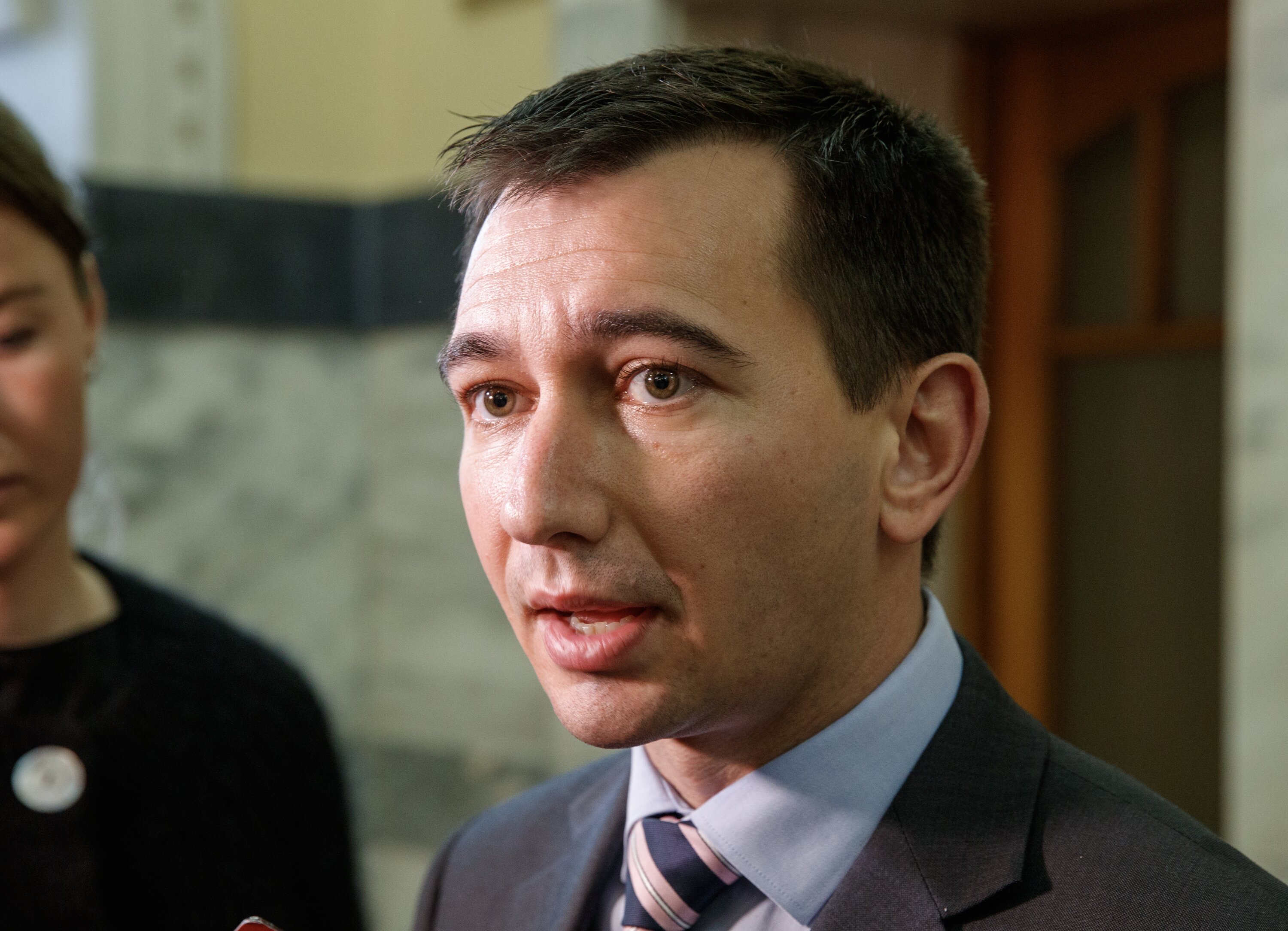
“While councils can amend their long-term plans, last week’s change of position will be concerning for Wellington ratepayers, who have already faced some of the highest increases in rates across the country,” Brown said.

“Ratepayers are looking for certainty from Wellington City Council on the next steps, and what this might mean for their rates bill.”
The typical Wellington residential rates bill will be $3000 more expensive by 2028. This follows the latest rates increase, which averaged $1000 a household or an increase of 21%.
It’s so high Auckland Mayor Wayne Brown referenced it in a social media video advertising his city’s relatively low rates increase, which he credited to his ability to stop wasteful spending.
“Let’s face it, things could be worse,” he said, pointing to Wellington on a map of metropolitan rates increases.
Simeon Brown has confirmed he has asked for advice on potential interventions at Wellington City Council and Willis has hinted a Crown observer could be more likely in the first instance.
A Crown observer would help the council address its problems, monitor its progress, and recommend to the Local Government Minister whether further intervention was required.
Brown has already proven he will not hesitate to intervene if needed. He has previously used the lowest level of intervention available to him when he required Wellington City Council to provide information relating to last summer’s water shortage crisis.
If the Government chose to appoint a Crown observer, it would also have the support of Greater Wellington Regional Council chairman Daran Ponter, who has previously said the in-fighting and sniping at Wellington City Council was reflecting poorly on the wider region.
Whanau said on Friday she did not think Government intervention was required and the council “wasn’t even close to that yet”.
This week’s comments from the Government should be concerning to her.
Georgina Campbell is a Wellington-based reporter who has a particular interest in local government, transport, and seismic issues. She joined the Herald in 2019 after working as a broadcast journalist.