Tide starts to turn on Nicola Willis over KiwiRail’s Cook Strait mega ferries - Georgina Campbell
OPINION
The tide has started to turn on Finance Minister Nicola Willis as KiwiRail paints a grim picture of her decision to call time on its Cook Strait mega ferry project.
She made a bold move late last year to decline KiwiRail’s request for more money after the Inter-island Resilience Connection (iReX) project ballooned to almost $3 billion.
It sent a sharp warning to the public sector that this Government is not afraid to shake up projects that may have previously been presented as a fait accompli.
It played well for the newly minted finance minister, but it was always a risk because Willis made the call without having a plan B.
The only new thing the Government has announced this year concerning the ferries is appointments to a new ministerial advisory group to consider the future of the Cook Strait service. Nelson Airport chief executive Mark Thompson will chair the group and is joined by two other members - Mark Cairns and Roger Sowry.
The Government has left a void that KiwiRail bosses were more than happy to fill at a three-hour transport and infrastructure select committee meeting on Thursday.
Willis’ quest to find a good reliable Toyota Corolla version of what she has called KiwiRail’s Ferrari mega ferries could be quite difficult.
KiwiRail bosses told the select committee there was a shortage of second-hand ships and there was a huge queue for getting new ones built.
Indications from ship brokers were that there were only 22 second-hand ships in the world that would meet KiwiRail’s criteria, including the capability to cross Cook Strait’s notorious waters, and none of them were for sale.
They did admit this could change if KiwiRail had an active bid in the market.
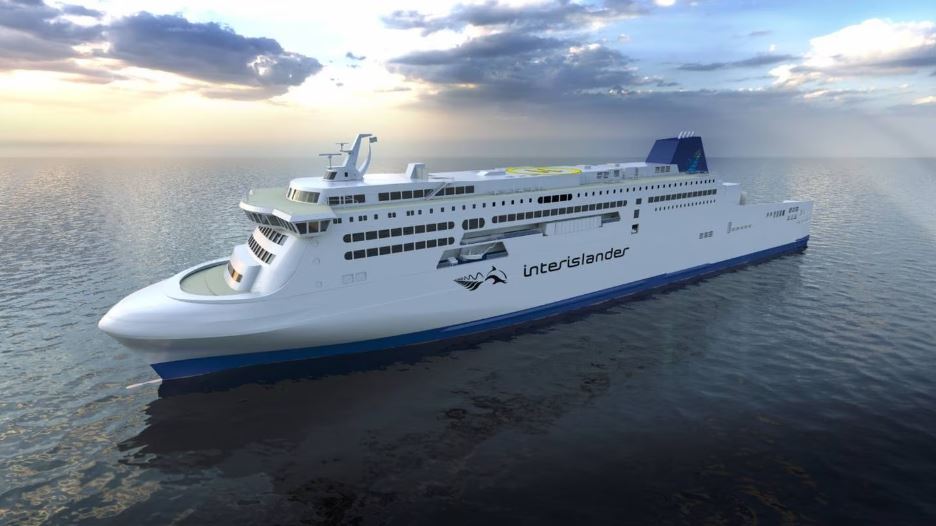
However, it’s not just one secondhand ship that’s needed. Up to three could be required if the existing Interislander fleet is to be replaced as is.
One of the reasons the pool of suitable ships is so small is that KiwiRail wants ships built after 2010, which have redundancy built into their mechanical systems.
This is to avoid situations such as when Kaitaki lost power in Cook Strait last year and issued a mayday call because all four engines shut down when there was a problem with the one cooling system.
The $551 million fixed-price contract with Hyundai Mipo Dockyard (HMD) to build the new ferries in 2021 has proven to be a good deal.
If the same contract were signed today, KiwiRail estimated the cost could increase by as much as 40 per cent.
But Willis has poured cold water on any ideas the ships could be built and sold instead.
“There would be the question of whether there would be a buyer and we did not judge that it would be a good use of public money to be funding a train organisation to be procuring and selling ships,” she has said.
It appears KiwiRail clung to hope right up until the last minute that the deal to build the mega ferries could be kept alive.
Chief executive Peter Reidy revealed two members of his team even visited the South Korean shipyard in January to conduct business face-to-face.
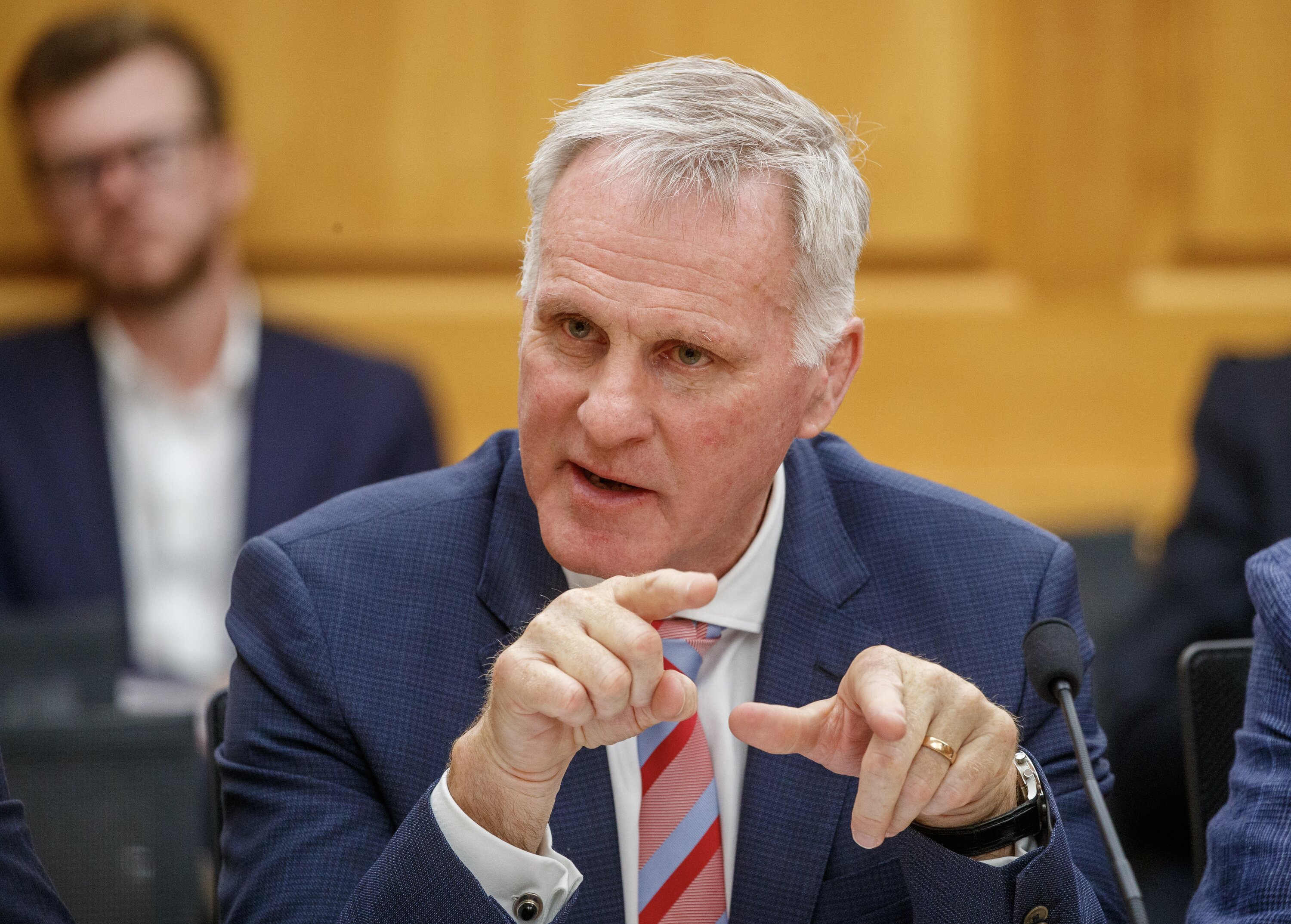
Reidy left it to the day before the select committee appearance to announce KiwiRail had officially started discussions to terminate the contract with HMD.
KiwiRail’s grim picture of how hard it could be to come up with a Plan B should be treated with a healthy degree of scepticism.
Of course, KiwiRail is going to defend to some extent the project it thought was the best solution for Cook Strait while also acknowledging the Government’s new direction.
It’s the question of where this new direction is sailing that is a political risk for Willis.
The current Interislander fleet isn’t getting younger- Aratere is about 24 years old, Kaitaki is 29, and Kaiarahi is 26, so they are reaching the end of their 30-year working lives.
If there are other further major incidents on Cook Strait, such as the Kaitaki mayday call, before the Government gets a new plan sorted out, Willis will wear the consequences.
Time is ticking.
Georgina Campbell is a Wellington-based reporter who has a particular interest in local government, transport, and seismic issues. She joined the Herald in 2019 after working as a broadcast journalist.