Welcome Project Orange: the new name for project to replace ferries
New Interislander ferries may still be some years away, but the project to replace them has a new name: Project Orange.
From time to time, Treasury and other Government departments will give large, sensitive projects a code name. The project for the Government to fully acquire KiwiBank from ACC and the Super Fund was dubbed Project Korimako (Bellbird), for example. Treasury showed a sense of humour when it dubbed its due diligence on Air New Zealand’s choice between acquiring new Airbus or Boeing planes, “Project ABBA” (Airbus or Boeing, Boeing or Airbus).
At the time, a Treasury spokesperson said of Project ABBA, that “any decision to spend money, money, money would be bjӧrn out by cost-bennyfit analysis”.
The doomed project to replace KiwiRail’s Interislander ferries was called iRex, for “Inter-Island Resilient Connection”.
That project was effectively axed in December when Finance Minister Nicola Willis denied KiwiRail, which owns and runs the Interisland ferries, $1.47 billion it had requested to cover cost overruns on the project, which would have brought the total cost of the project to $3b. As recently as 2018, the total cost was estimated to be just $775 million.
Willis appointed a Ministerial Advisory Group (MAG) to advise the Government on next steps for the crossing after the end of iRex. Agencies including Treasury and the Ministry of Transport are also giving advice on the next steps. The new name for all of this is “Project Orange”.
The Ministerial Advisory Group reported back to Ministers last month with options for replacing the ferries.
1 News reported the group’s recommendations, which have not been made public, included replacing the existing ferries with ships smaller than the iRex project’s proposed mega ferries, which were substantially longer than what is currently on the strait.
Also unlike the iRex option, the new ferries would not be rail-enabled, allowing rail freight to easily be moved on to the ships. Instead, the current process of taking freight off trains and putting it on to the ferries via trucks, would continue.
Second-hand ships appear to be off the cards.
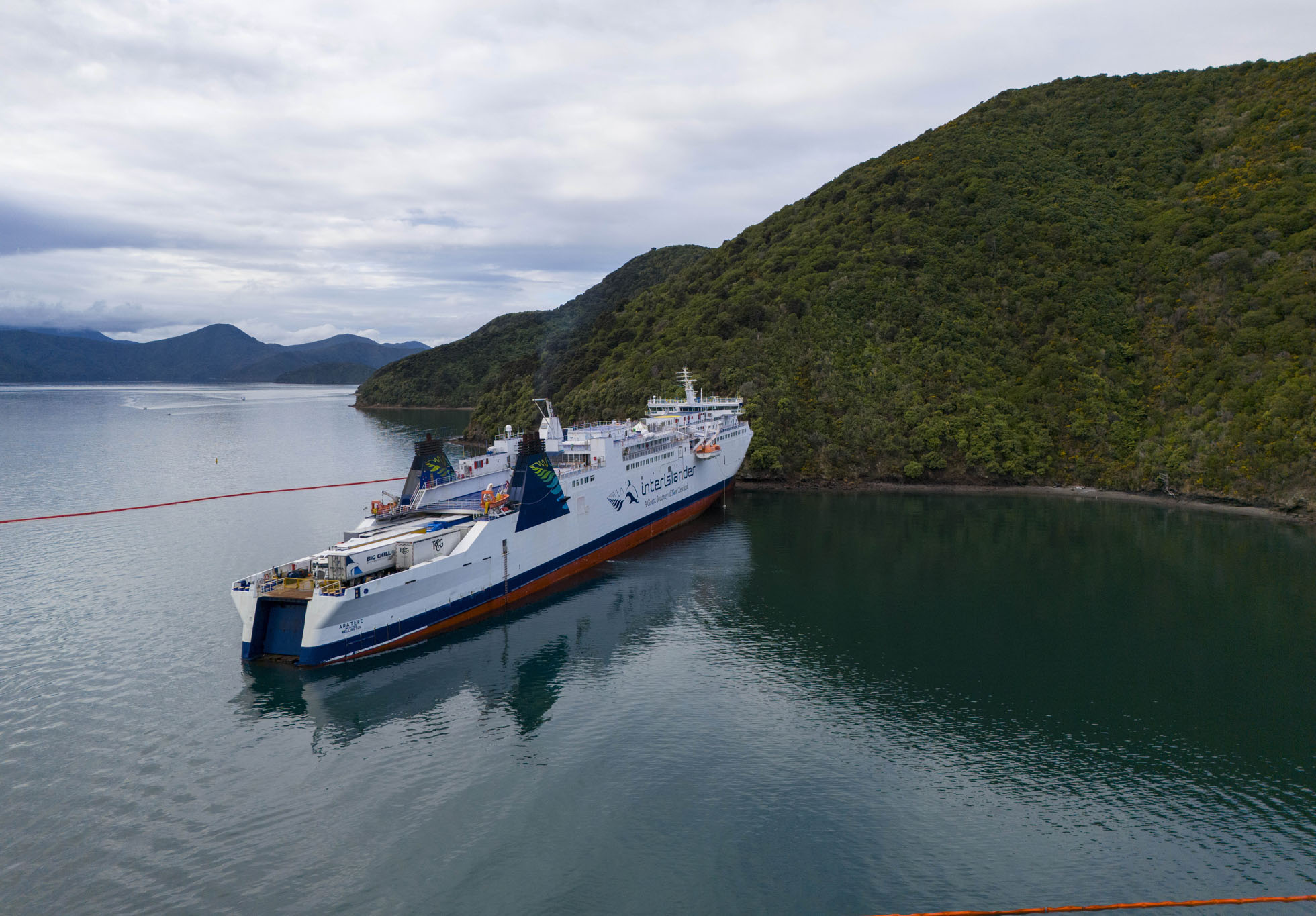
Following last month’s embarrassing beaching of the Aratere ferry, Prime Minister Christopher Luxon said the Government was “absolutely committed to ensuring that we can get great new ships on the Cook Strait, it’s a critical piece of infrastructure and it’s important that that happens”.
Thomas Coughlan is Deputy Political Editor and covers politics from Parliament. He has worked for the Herald since 2021 and has worked in the press gallery since 2018.