The Interislander’s longest delay - Government not guaranteeing timing of replacement decision
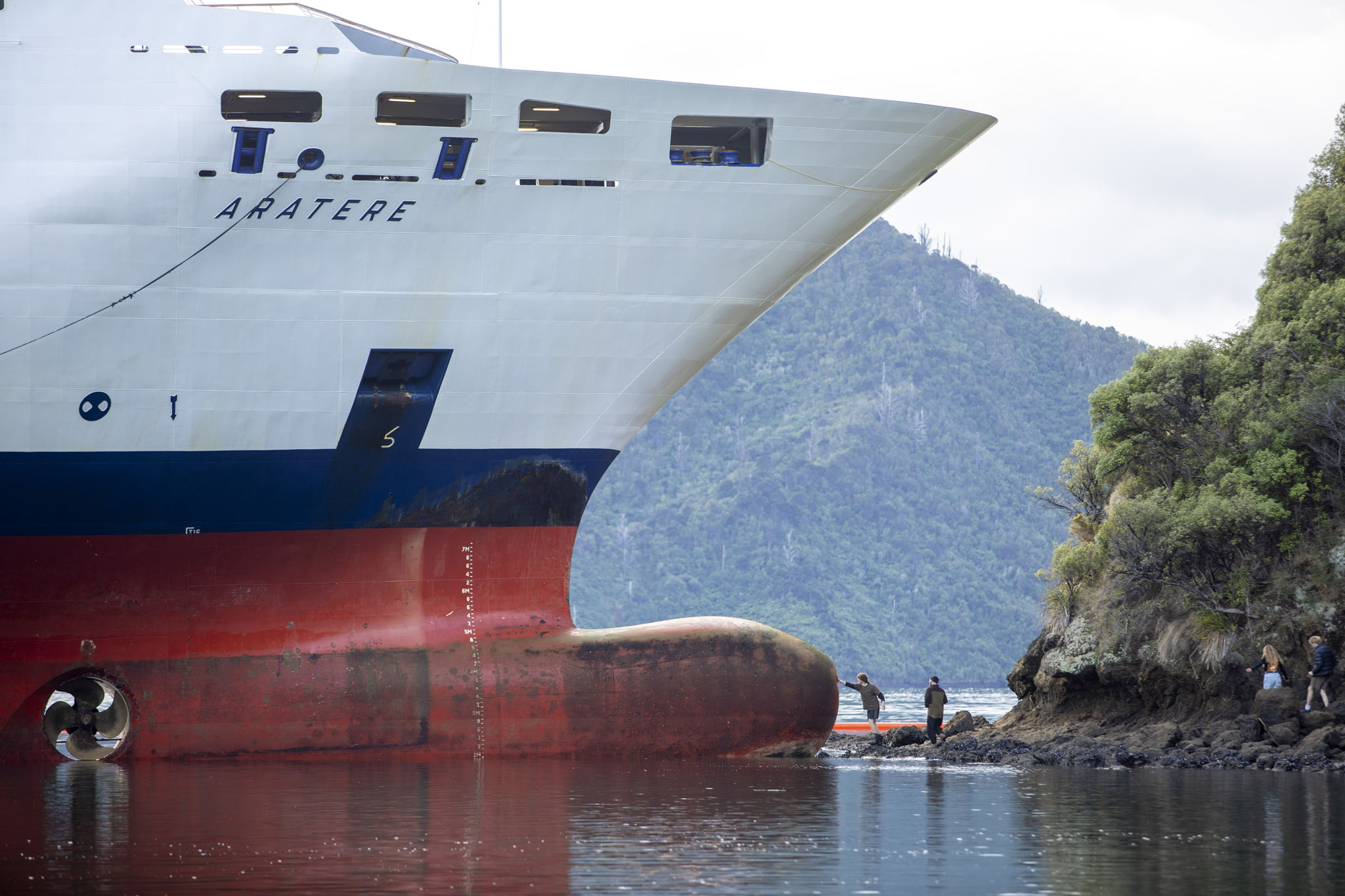
Travellers on KiwiRail’s Interislander ferries are no strangers to delays, but the new Government appears to be stretching the public’s patience, by not committing to a timetable for making a decision on what kind of ferries will replace KiwiRail’s ailing fleet of three Interislander ships.
The project to replace the fleet began under the last Government at an initial estimated cost of $775 million. Last year, Finance Minister Nicola Willis killed that scheme by refusing additional funding after costs blew out to $3 billion.
She and State Owned Enterprises Minister Paul Goldsmith convened a Ministerial Advisory Group to advise them on what to do next, including what kind of new ferries could be procured at a cost the Government found suitable.
On July 1, Finance Minister Nicola Willis told Heather du Plessis-Allan Drive that the public would “find out about the ferries once Minister have made decisions”.
“I expect that will be within the quarter,” she said. The quarter that began on July 1 finishes at the end of September.
The Herald asked Goldsmith whether there would be a decision this quarter.
“When we are ready to take it to Cabinet,” Goldsmith said.
When asked whether he needed to have a decision made by Cabinet by the end of the third quarter, Goldsmith said, “not necess- well we’ll just see the timetable that most suits”.
He said he would not give an indication of when a decision would be made, and would not even commit to making a decision this year.
“I’m not going to give you any timing,” he said, after being asked whether he could commit to making a decision this year.
Goldsmith was potentially more obstinate than he meant to be, with a decision on ferry replacement still apparently possible this year. The last Government’s plan aimed to have new ferries on the water by 2026.
KiwiRail is desperate to replace the ferries, which are decades old. Earlier this year, the Herald reported annual maintenance costs to keep the fleet running could almost double to $65 million by next year, and keeping the three ferries afloat will be an “ongoing battle”.
A previous assessment of the fleet’s condition raised concerns about steel corrosion, metal getting weak and cracking, and prohibitive maintenance expenses.
Thomas Coughlan is Deputy Political Editor and covers politics from Parliament. He has worked for the Herald since 2021 and has worked in the press gallery since 2018.