Sick leave extension to cost businesses almost $1b a year
Doubling New Zealanders' minimum sick leave entitlements could cost businesses about $950,000 million a year.
The Government will today introduce legislation to increase the statutory minimum allowance from five to 10 days a year and would bring New Zealand into line with Australia.
The bill will go through the full select committee process and will likely come into effect late next year.
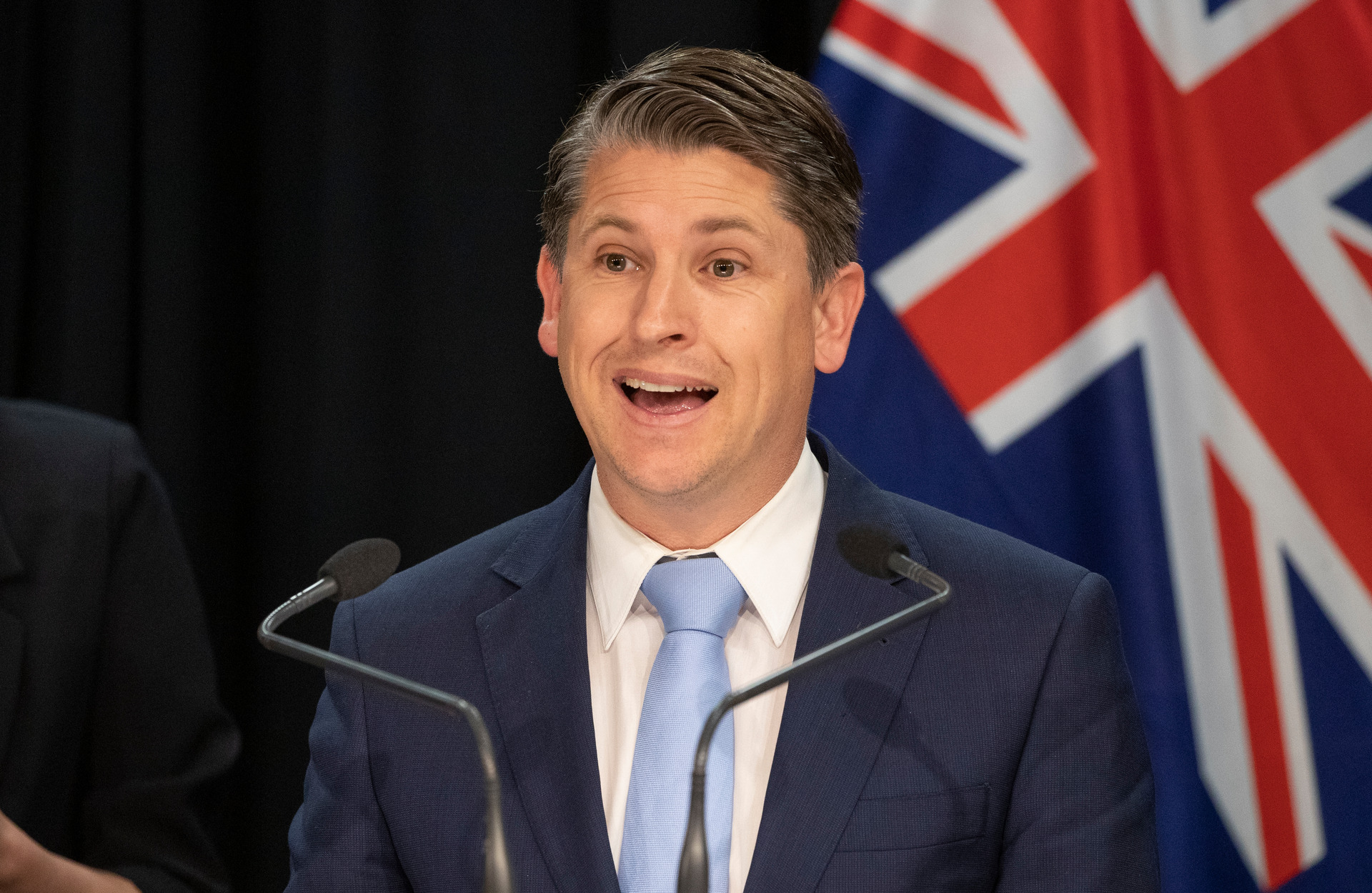
Minister for Workplace Relations and Safety Michael Wood revealed today doubling sick leave was expected to cost businesses $950,000 million per annum - equating to 0.9 per cent of the country's total wage bill.
"Which is a gross cost which doesn't actually take into account the savings that are made when people don't come into work with sicknesses and pass them on to others and reduce productivity.
"So I think there's actually a net-positive here for employers."
About half of New Zealand employers currently give their staff the statutory minimum.
Wood said he had not received advice on whether the policy could mean job losses.
Currently the bill would not give all employees additional sick leave on the same day - instead employees will receive their increased entitlement depending on when they started.
Wood said this would allow businesses time to prepare.
The bill also keeps the current maximum entitlement which allows any unused sick leave to be carried over up to 20 days annually.
The Greens have pushed for the bill to be pushed through under urgency so it was in place by Christmas.
But Wood said yesterday that wouldn't happen because they were potentially dealing with thousands of payrolls and needed to give businesses time to prepare.
Increasing sick leave was one of Labour's pre-election promises.
BusinessNZ chief executive Kirk Hope said businesses in general were supportive of the increase to sick leave entitlements, but doubling the minimum requirement would bring "significant additional costs" for some businesses.
He acknowledged that some businesses already offered more than the statutory minimum of 5 days sick leave per year.
"For those that will be required to increase the leave provision it's important that they have sufficient time to be able to factor in the additional costs of those increases. It will also be important for the Government to listen to businesses through the Select Committee process so that they understand the issues some businesses may face when they cannot absorb or pass on increased costs," Hope said.
"Businesses that we have spoken to are very committed to the provision of sick leave and other leave required for healthy people and workplaces. Businesses are also very aware that additional sick leave is likely to be taken for precautionary or isolation purposes during the Covid period. So there's an understanding that sick leave provisions are likely to be fairly well-used in the near future."