Government’s $12b defence spend: New 757s, helicopter fleet, enhanced strike capability
The Government’s defence spending will hit more than 2% of gross domestic product (GDP) within the next eight years, with a long-awaited plan released today revealing $12 billion in funding over the next four years, $9b of which is “new”.
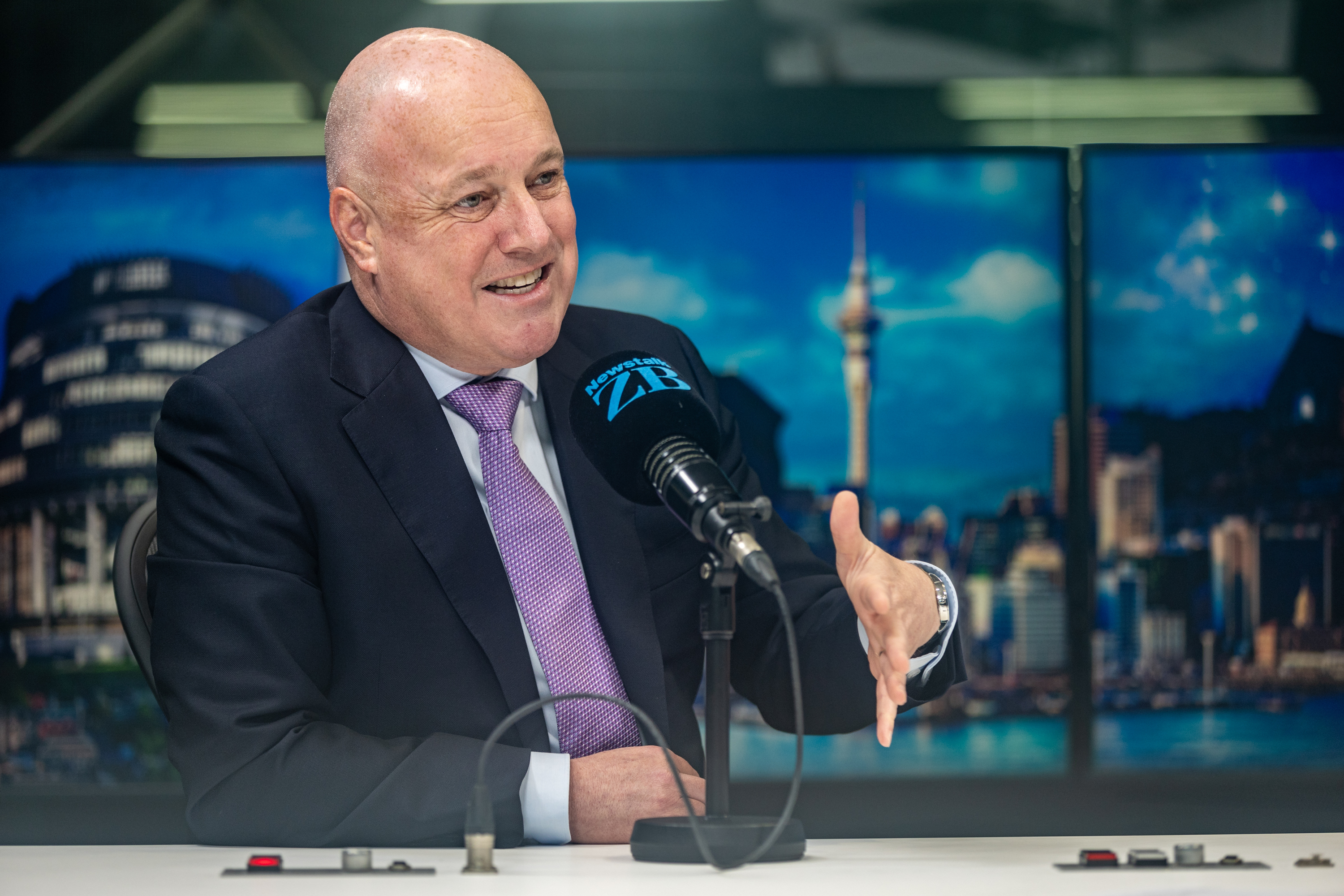
It’s being described as a “landmark day” for both the Government and the New Zealand Defence Force (NZDF) by Prime Minister Christopher Luxon.
“This is a significant financial investment and it represents the floor, not the ceiling,” he said. “This plan is not just about the Defence Force, it’s fundamentally about our national security and our economic prosperity.”
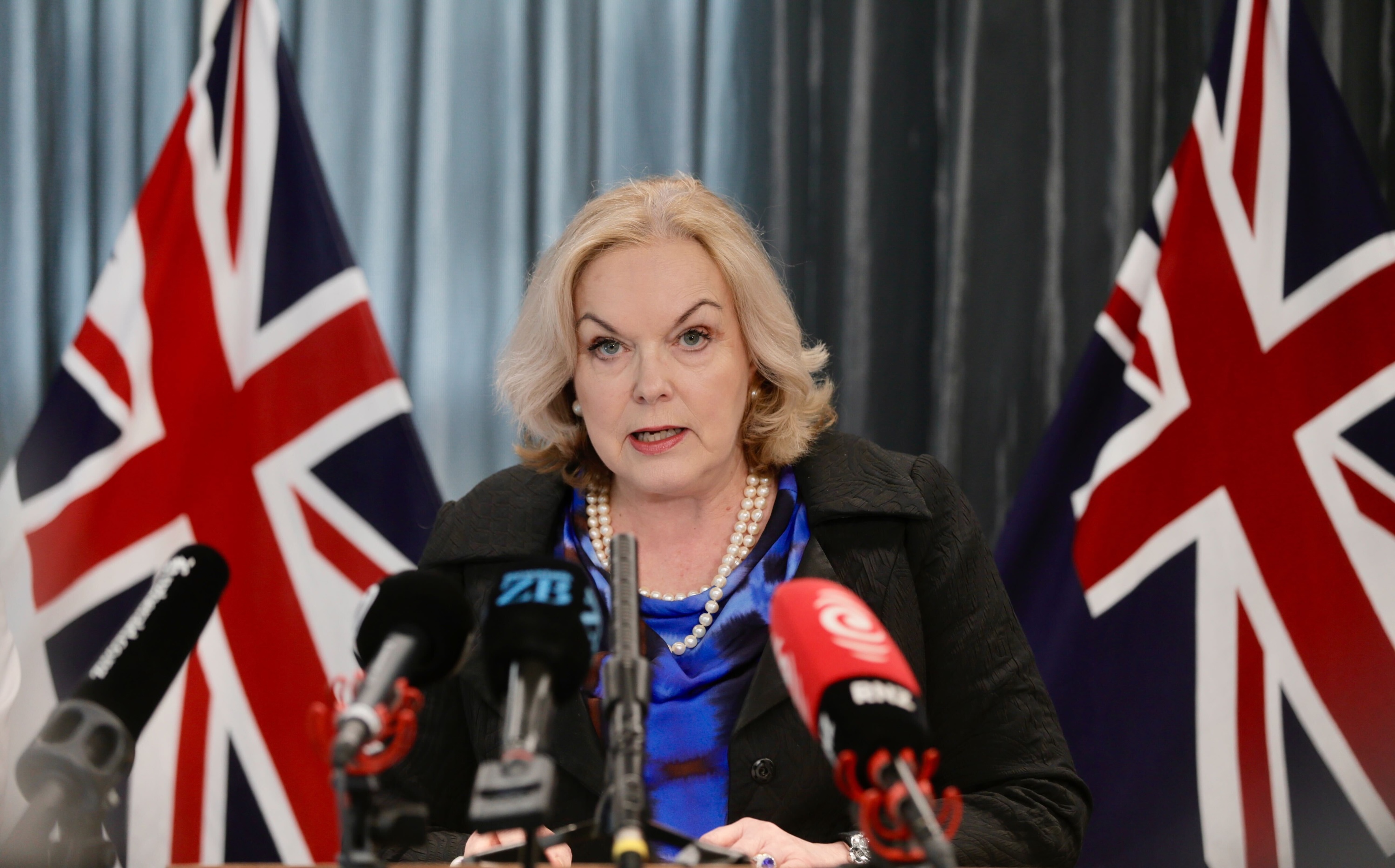
Defence Minister Judith Collins said the plan would deliver “enhanced lethality” and a “deterrent effect”.
She said it was not “about choosing sides or beating the drums of war”, but supporting an international rules-based order, working alongside our partners and making smart decisions for the future.
“It gets our NZDF out of the intensive care unit and not just growing, but growing where we need it to go,” she said. “Our personnel deserve a serious plan that will serve them as they serve us, this is what we have delivered.”
There are several major investments expected between this year and 2028 highlighted within the Defence Capability Plan (DCP).
This includes replacing the Boeing 757 fleet (expected at $600 million to $1b), enhanced strike capabilities ($100m to $300m), and a new fleet of maritime helicopters to operate from Navy ships ($300m to $600m).
Story continues below liveblog
Scott Palmer
This stand-up is now over.
Luxon addresses alleged assault on Shane Jones' partner
Scott Palmer
On the alleged assault of Shane Jones' partner, Dot, Luxon says he has passed on his thoughts to her.
He says overseas, there is huge protection of world leaders and as a result they aren't as accessible to the public.
We want to maintain a New Zealand where leaders can go out and engage with Kiwis, he says.
But there are threats, and we need to keep politicians protected.
Treaty Principles Bill
Scott Palmer
On the second reading of the Treaty Principles Bill, Luxon says he won't be giving a speech during it on Thursday.
He will be elsewhere, but will speak to media.
Luxon concerned about share market
Scott Palmer
Luxon says he is concerned about the share market opening lower
This is why New Zealand is opposed to tariffs and trade wars.
We are very concerned about that, he says.
But New Zealand has a unique set of products for the world and we are on the international stage hustling, he says.
Increased space capability
Scott Palmer
Big shout-out to the space sector, Collins says.
There will be increased space capability under this plan.
The Defence Minister is heading to the US for a space symposium tomorrow.
Pacific leaders 'delighted' with plan - Collins
Scott Palmer
Asked about whether the Pacific would be happy with this plan and the balance with climate funding, Collins says she has spoken with Pacific leaders and "they are delighted" with the plan.
The Pacific has natural disasters, similar to New Zealand, and they are worried about unregulated fishing, transnational crime, and drone use, she says.
They rely on us to be there to help them.
Australia briefed on plan
Scott Palmer
Judith Collins says she has briefed Australian Defence Minister Richard Marles on the plan, who congratulated her.
The Australians have been cooperating on the development of the plan.
Collins discusses 757 planes
Scott Palmer
Collins says 65% of the work of the 757s is getting Defence Force personnel around, like to Vanuatu or Antarctica.
If you want to take hundreds of people on an international trade delegation, you also need those planes, she says.
Time to release plan
Scott Palmer
Asked about delays to the plan's release, Collins says activity over the past year has focused everyone's mind.
She's previously mentioned the inter-continental ballistic missile being launched into the Pacific.
Luxon says it is better to do things right than get it done quickly.
NZ needs long-term strategy to rebuild capability, Luxon says
Scott Palmer
Luxon says New Zealand is coming from a long way behind in terms of our capability.
We need to build back personnel. That's why we have a 15-year-long view, he says.
This is a strategic plan that attempts to stop a 'on/off' approach.
Parties react to defence spend-up
Scott Palmer
Just in from the Greens' Chloe Swarbrick: "Conservative politicians can always find money for war, but there’s apparently never money for climate action or child poverty," she said.
"These are political choices."
Meanwhile Act's Mark Cameron says this is a "major win for New Zealand’s security and a testament to ACT’s push for a robust defence posture.
"We’ve campaigned for two percent of GDP on defence for years, and today’s plan finally delivers," he said in a statement.
“The global situation is becoming less certain and less secure. Strength-focused leaders demand that allies who want to be taken seriously offer real capability.
"A $12 billion commitment across four years, with a goal to exceed the two percent-of-GDP target in eight, demonstrates to the world that New Zealand is ready to step up."
Luxon: Defence plan prioritises NZ interests
Scott Palmer
Asked if China is front of mind when putting together the plan, Luxon said we are living in a more contested part of the world, but the design of the plan was informed by what was in New Zealand's interest and locking us into a consistent spending track.
Naval plan
Scott Palmer
With regard to not replacing the frigates, Collins refers to having new uncrewed capabilities.
This is a floor, not a ceiling, she adds.
The Manawanui's tasks can be picked up by other platforms.
That was always the plan, even before the sinking.
Defence spend upholding rules-based order - Collins
Scott Palmer
This isn't about choosing sides or beating the drums of war, Collins adds.
It's about upholding the international rules-based order and working with partners to make smart decisions, she says.
She says we rely on the men and women of our defence force, including during natural disasters, and they always deliver.
They need to be equipped for the job, she says. Without national security, there is no economic security.
This gets our NZDF out of the intensive care unit and allows it to grow.
The planned investments still need to go through robust processes as purchasing equipment is complex and risky and we can't get it wrong.
While not all these investments will appear on this year's balance sheet, they are a plan for the future, Collins notes.
You set a plan, and then you deliver.
Collins speaks about plan
Scott Palmer
Defence Minister Judith Collins is now speaking about the plan, which is referred to in the wider story.
She says defence is not something that can be moth-balled until we need it. The force is needed to be ready to go.
Distance is not protection for New Zealand when we have inter-continental ballistic missiles being launched into the Pacific or ships travelling through it, she says.
Govt committed to resourcing Defence Force
Scott Palmer
Luxon says we must be clear-eyed in recognising the risk of conflict in our wider region has risen andwe have to do our part.
There can be no prosperity without security, and defence is a vital part of that, the Prime Minister says.
Under this government, there is a more energetic approach to international engagement and a commitment to resourcing our defence force, he adds.
This plan seeks to increase interoperability with Australia. It will get us to 2% of GDP over the next eight years.
Luxon arrives
Scott Palmer
Prime Minister Christopher Luxon and Defence Minister Judith Collins have arrived at the press conference.
Luxon says it is a "landmark day" for the Government and the Defence Force with the unveiling of the new Defence Capability Plan.
Christopher Luxon to address media at 4pm
Scott Palmer
Prime Minister Christopher Luxon will address the media at a post-Cabinet press conference today, as the global fallout from US President Donald Trump's tariff hike continues.
More than 50 countries, including New Zealand, are seeking to engage with Trump in an effort to ease the impact of the punishing tariffs on their exports to the United States.
Luxon, who will speak at 4pm from Parliament, has already expressed his disagreement with retaliatory tariffs and trade wars.
He stated that he would not be suggesting New Zealand engage in tit-for-tat measures against the US.
Story continues below
$12b in four years
The plan breaks down investments into those between now and 2028, and “indicative” investments which are foreshadowed from 2029 onwards. The plan is not explicitly funded – the funding must be agreed upon by Cabinet for each individual investment.
This means that the near-term investments are likely to be funded, given the Government that put them in the plan is the same Government that sits around the Cabinet table deciding funding. Investments further into the future will be funded by the Government of the day.
In the near term, the Government has decided not to immediately replace the country’s ageing Anzac frigates, HMNZS Te Kaha and Te Mana, but instead provide additional maintenance to extend their lives into the early 2030s. This will cost between $300m and $600m.
“Extending the life of the frigates will retain Defence’s combat capable ships and the skilled workforce required to operate combat vessels until the ships are replaced,” the plan says.
“This ensures retaining a critical combat capability able to operate at home, in our region, and globally. Rather than removing the frigates from service for an extended period, the maintenance work is planned to progress incrementally, aiming to ensure the frigates are available for training, operations and contingencies.”
Asked about the decision not to soon replace the frigates, Collins said New Zealand now additionally had uncrewed capabilities and re-emphasised this plan was a minimum.
“Every two years we will check in to see, should we be adding to that capability?” she said.
The frigates will need to be replaced eventually, and the plan does suggest this will happen between 2029 and 2039. The Anzac frigates are expected to one day be replaced with comparable contemporary frigates.
The recently sunk HMNZS Manawanui will not be replaced by a new vessel, with dive and hydrographic tasks to be undertaken from other platforms rather than a single dedicated one.
There had been speculation ahead of the plan that it would include replacing the frigates as part of a joint procurement project with Australia – much like the 1990s joint procurement of the current frigates.
This idea has been scrapped in favour of getting more life from the current frigates, which have recently undergone a system upgrade.
The Defence Force is in the midst of a much wider review of Navy capability, the Maritime Fleet Review, which will inform the shape of its assets into the 2030s.
When will New Zealand hit 2% of GDP defence spending?
Luxon said in a statement that the DCP contained $12b of funding over the next four years, including $9b of new spending and $3b from depreciation. That is expected to raise the country’s defence spending from just over 1% of GDP to more than 2% in the next eight years.
The Government has used a GDP forecast from the Stockholm International Peace Research Institute, which it says allows for international comparison and has been recommended by Treasury.
Spending 2% of GDP is significant. This spending level is set as a target for members of the Nato alliance. While New Zealand is not a member of Nato, the 2% target is often cited as an unofficial benchmark for the optimum level of spend – although there are sceptics who note that a lower level of spending, invested well, is better than a larger amount that is wasted.
The United States has been putting pressure on allies and partners like New Zealand to lift spending levels. Within NZ this has been criticised for eroding the independence of New Zealand’s foreign policy and aligning the security policy more closely with the US. The plan will not dispel these fears, explicitly citing the “Anzus alliance with Australia” and the “wider Five Eyes partnership”.
Collins said she had briefed Australian Defence Minister Richard Marles on the plan. She also spoke with Pacific leaders, who relayed they were “delighted” with the commitments.
Asked about the reference to Anzus, Collins said people needed to realise “we’re not playing tiddlywinks here”.
“It’s a tough world out there and the Australians are our best friends,” she said.
The Prime Minister stressed there was no change to New Zealand’s nuclear policy.
The Government also repeated the “force multiplier” language that had recently copped criticism and said the plan would enable New Zealand to be more interoperable with partners. Interoperability – the ability of a defence force to seamlessly operate with that of another country – has long been a goal of the relatively small NZDF.
The plan promised enhanced strike capabilities. These will be for the maritime domain and allow for longer-range strikes.
“Options include arming existing air and maritime platforms with missiles such as the P-8A Poseidon fleet and the Anzac frigates or exploring other options, including land-based strike,” the plan says.
The two-aircraft Boeing 757 fleet will be replaced. They are “used to support New Zealand’s presence in Antarctica, evacuate New Zealanders from conflict and disaster areas, and carry civilians and ministers for trade, diplomatic and consular missions”.
As for replacing maritime helicopters, the plan says the current Super Seasprite maritime helicopters that operate from frigates are reaching their end of life. In future years, the plan says there could be consideration of acquiring uncrewed systems to increase the number of deployable aircraft and provide longer endurance.
‘The floor, not the ceiling’
Luxon said: “This blueprint has been designed with a 15-year horizon but deliberately focuses on critical investments needed in the next four years to ensure our Defence Force can adapt as the world around us changes.”
He noted his appreciation of New Zealand First and Act for their “unwavering support in advancing this plan”, and made a special mention of NZ First for previously driving the procurement of the P-8A and Hercules Aircraft.
Collins said the New Zealand Defence Force needed the right equipment and conditions to do its jobs.
She believed the plan would ensure the NZDF was combat capable with “enhanced lethality” and a deterrent effect, would be a “force multiplier with Australia and interoperable with partners”, would be “innovative” and have “situational awareness”.
The minister also paid tribute to those who serve in the NZDF. As she has done repeatedly in the past, Collins highlighted that many personnel had left the force in recent years, including after having to patrol managed isolation facilities during the Covid period. That included members of New Zealand’s most elite military force.
“That has left us with a hollowed-out middle in our personnel and this plan allows us to address that. Already our attrition has fallen from 15.8% in December 2022 to 7.5% in February 2025,” Collins said.
“We know we need to rebuild the core of the NZDF so we can fully utilise the ships, aircraft, vehicles and weapons we already have, while looking to what is needed in the future.”
Act’s defence spokesman, Mark Cameron, called the DCP a “major win for New Zealand’s security” and the goal of exceeding 2% of GDP demonstrated to the world “that New Zealand is ready to step up”.
Winston Peters, the Foreign Affairs Minister, said it was a “step in the right direction in ensuring that we do our part to make New Zealand and our region safer and more secure”.
Labour leader Chris Hipkins was “broadly” supportive of the new plan.
“It’s pretty high-level, but overall, it’s broadly in line with where we were getting in 2019. There’s not been a significant change in direction.”
The Greens’ Chlöe Swarbrick was more critical, saying “conservative politicians can always find money for war”.
“But there’s apparently never money for climate action or ending child poverty. These are political choices,” she said.
Major investments planned for 2025-2028: