Gun laws: The Mark Mitchell-shaped mountain Nicole McKee has to climb on firearms reform
THREE KEY FACTS
Derek Cheng is a senior journalist who started at the Herald in 2004. He has worked several stints in the Press Gallery team and is a former deputy political editor.
OPINION
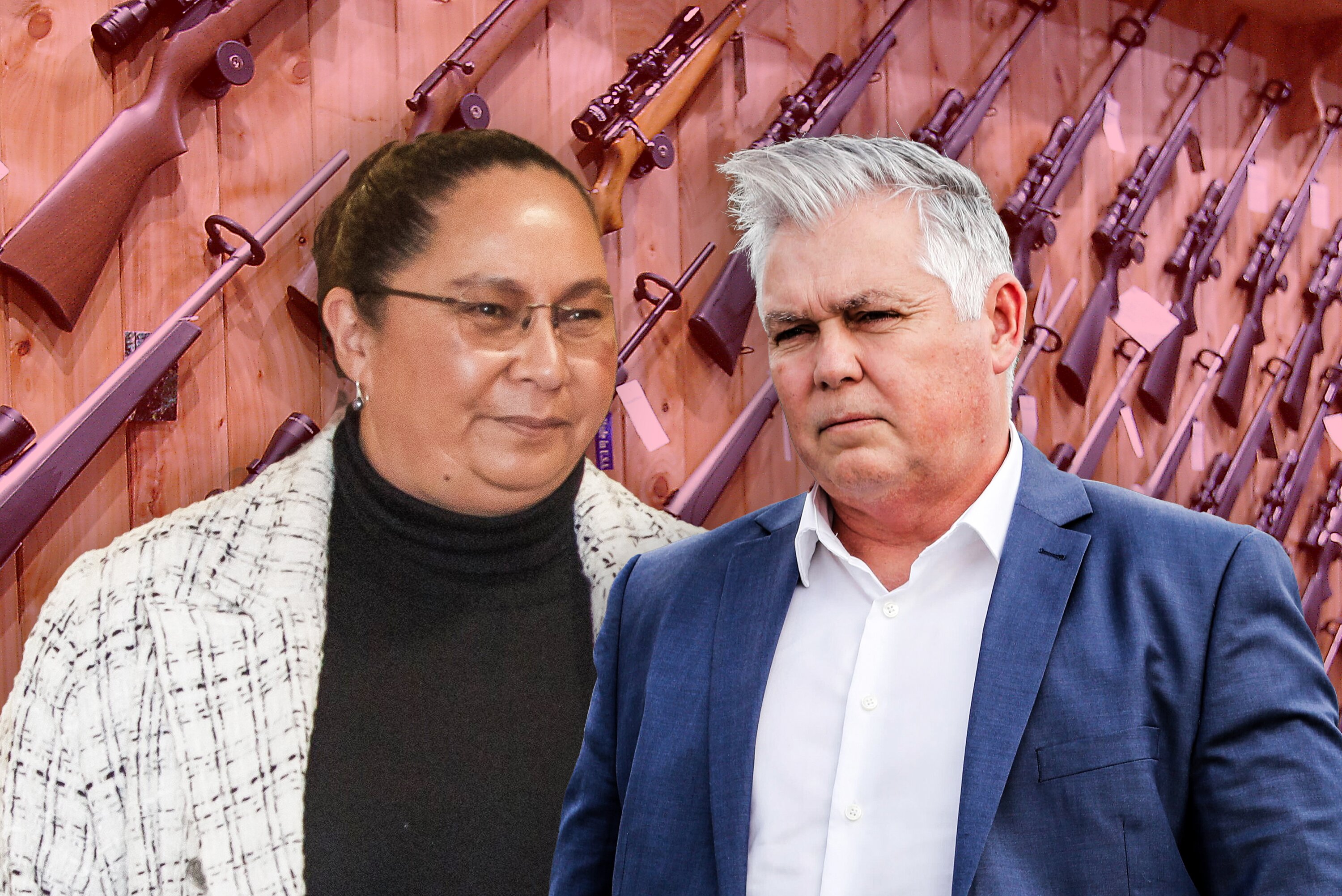
There’s a Mark Mitchell-shaped mountain standing between Nicole McKee and the changes she wants to make to firearms laws.
It’s not that the Police Minister and the Associate Justice Minister are adversaries on course for a duel at high noon. They’re actually mutually respectful Cabinet colleagues who are on the same page in terms of wanting to improve public safety.
It’s more that police oppose McKee’s wishes for firearms law reform, which includes greater access to military-style semi-automatic firearms (MSSAs) under strict criteria, and scrapping some of the firearms registry. And the Police Minister is such a staunch advocate for police that he isn’t likely to roll over so McKee can have her way.
Mitchell’s unwavering support for police borders on the unapologetically blind.
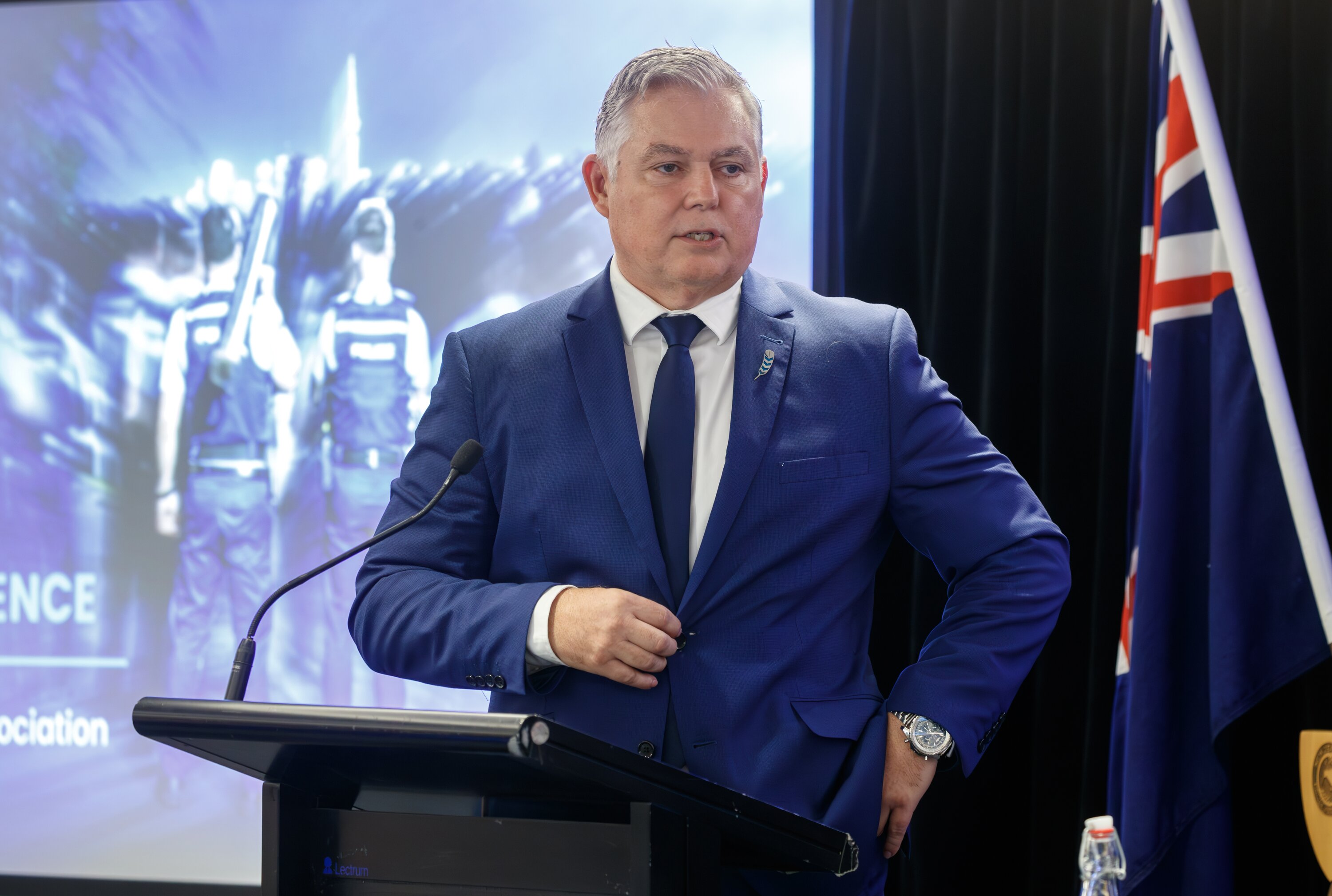
He was adamant there was nothing to see in a groundbreaking study about police bias, which found Māori were 11% more likely to be prosecuted than Pākehā, and were being tasered in disproportionate numbers. Police top brass backed the research but Mitchell, a former police officer, was unequivocal: “I do not believe that there is systemic racism or bias in the New Zealand Police.”
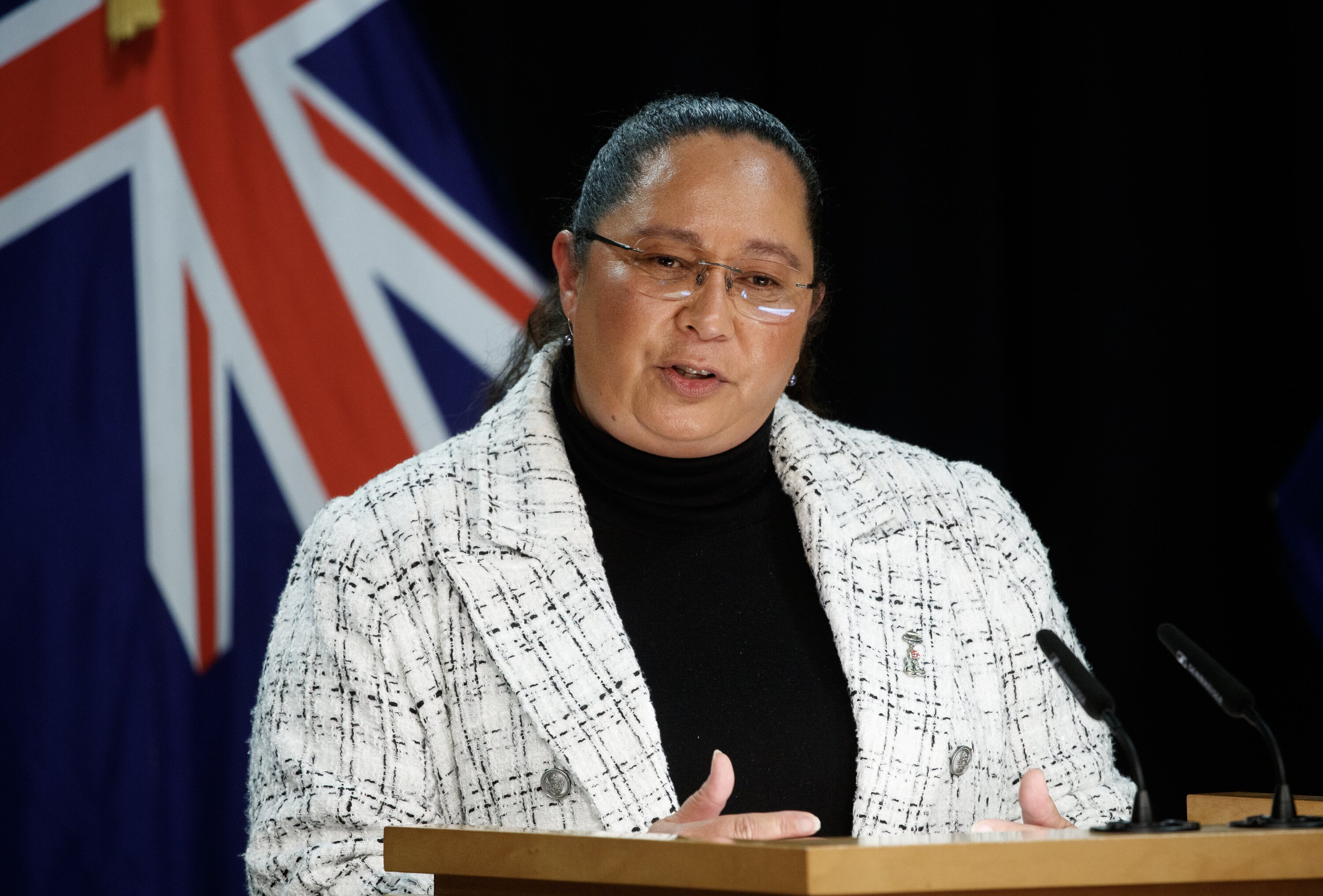
Then there’s the controversial provision in the Government’s gang patch ban, allowing police to more easily search the private homes of those flouting the law repeatedly. Justice Minister Paul Goldsmith initially excluded it from his Cabinet paper, but it was later added. You can bet Mitchell delivered some very clear words in the interim.
So as McKee continues her gun law reform agenda, expect Mitchell’s support for police to be unwavering. He has already been vocal in his support for the gun registry, saying it was worth it “even if it saves just one death or one shooting”.
In particular it has value in deterring strawman sales, when a legally purchased firearm is sold to someone who can’t legally have it. It’s the most common way criminals get their hands on guns, police say, and the registry is squeezing that practice.
Police also want as few MSSAs in circulation as possible, while limiting the number of people who can legally fire them (currently about 330 commercial pest controllers).
The buy-back programme after the 2019 Christchurch terrorist attack means there are now about 60,000 fewer firearms in the country, including 15,000 fewer MSSAs. A second buy-back programme in 2021 collected a further 1000 firearms, a quarter of them semi-automatic rifles that were now banned.
How many there are still in circulation is unknown. But Police Association president Chris Cahill described this as tens of thousands of the most lethal weapons that “can’t be stolen from their lawful owners, they can’t be on-sold to criminals, and they can’t be used to inflict massive casualties”.
Mitchell agrees, and has said so publicly. He has left himself some wriggle room, though, over potential support for allowing them for international competitive shooting. National previously supported an amendment to the 2019 law changes to benefit those shooters, but it was voted down.
McKee has excluded the Police Association from consultation rounds so far, so Cahill is now focusing his attention on Mitchell. He knows the Police Minister is the potentially immovable obstacle in McKee’s way.
McKee v Police
McKee’s persuasive powers have already chalked up a victory with her Bill to loosen the regulatory obligations for gun clubs and shooting ranges.
She clashed with police over several issues including:
McKee argued the existing regulations were too much, despite nearly all of the existing clubs and ranges managing to meet them. So she proposed weakening them for easier compliance, but without jeopardising public safety.
Police disagreed, saying in McKee’s initial Cabinet paper that she “does not outline the public safety risks”. McKee moved the needle slightly back towards more regulation in her second Cabinet paper, but police and Justice officials were still concerned about public safety risks.
Whether Mitchell sympathised with McKee’s position or stood with police in opposing her is unclear. Collective responsibility requires all Cabinet ministers to sing from the same song sheet, and Cabinet agreed with McKee.
McKee 1, Police 0.
If he didn’t oppose McKee at the Cabinet table, Mitchell might have been saving his credits for the bigger ticket items on McKee’s agenda: the firearms registry and access to MSSAs.
More at stake with what comes next
McKee wants to keep the gun registry for the more dangerous firearms, including restricted weapons and pistols, despite her concerns that it’s a “steal to order” list in the hands of criminals.
Her powers of persuasion will rely on the findings of the Ministry of Justice’s review, due in December.
It is likely to reinforce what we already know, including:
McKee will be particularly interested in any data about its impact on public safety, whether it’s money well spent, and whether the obligations can be loosened without unduly losing any safety benefits.
She may end up with a decent argument, perhaps a cheaper version with only the most powerful firearms, maximising per-dollar safety benefits. Whether that would be enough to sway police - and Mitchell - is another matter.
She also faces a daunting challenge that was absent in the discussion over clubs and ranges. Those regulations are full of esoteric detail that lends itself to a lack of wider public interest.
The same can’t be said about the gun registry, or wider access to MSSAs. The public’s attention perks up a lot more when it comes to those issues, especially the latter, which has a much more visceral connection to the March 15 terrorist attack.
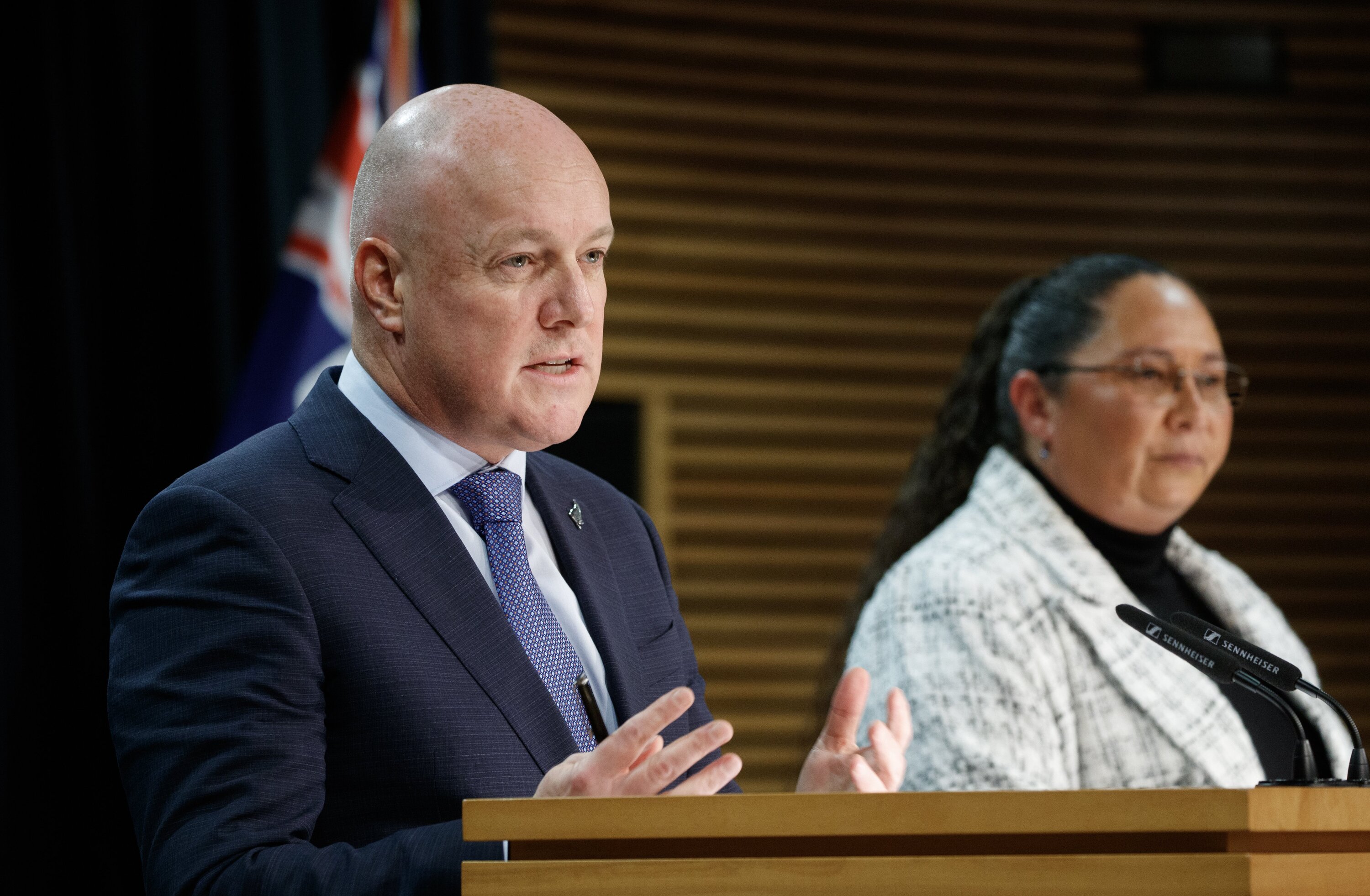
This is why Labour is trying to make as much as possible out of Prime Minister Christopher Luxon’s refusal to rule out undoing the current ban on MSSAs. It would be bad coalition manners to do so, as he’d be pre-determining a review of the Arms Act, a coalition commitment between National and Act.
But Luxon will also be very aware of a potential public backlash to opening up MSSA access, regardless of how compelling a case McKee might have.
Even if McKee manages to clear Mt Mitchell, it might only clear the path to another summit in her way: Mt Public Opinion.
Sign up to The Daily H, a free newsletter curated by our editors and delivered straight to your inbox every weekday.