Government announces $30 million loans to small airlines to support regional routes, approves funding for interlining
At-risk regional air routes will be supported through loans to small passenger airlines, the Government has announced.
Funding has also been approved for what the Government believes could be a “game-changing development” for regional players – upgrades allowing passengers to fly with both smaller airlines and major carriers on a single itinerary.
The loans are intended to alleviate financial pressure on the smaller carriers, which have been struggling with soaring costs, including from rising regulatory fees. Sounds Air, for example, has cut several regional routes over the past year to address costs.
The sector says there are more than 600 flights per week operated by regional airlines and these services have gone decades without any Government support, despite similar subsidies being standard overseas.
The $30 million in concessionary loans will come from the Regional Infrastructure Fund, set up by the Government to boost regional growth, resilience and productivity.
“Reliable air services are critical for the economic and social wellbeing of regional New Zealand. They enable access to healthcare, education, business and whānau, particularly in areas where other transport options are limited,” Regional Development Minister Shane Jones said.
“Small regional carriers are under pressure from rising costs, limited access to capital and ongoing post-Covid disruptions. Without this support, some communities risk losing vital air links and potential regional development.”
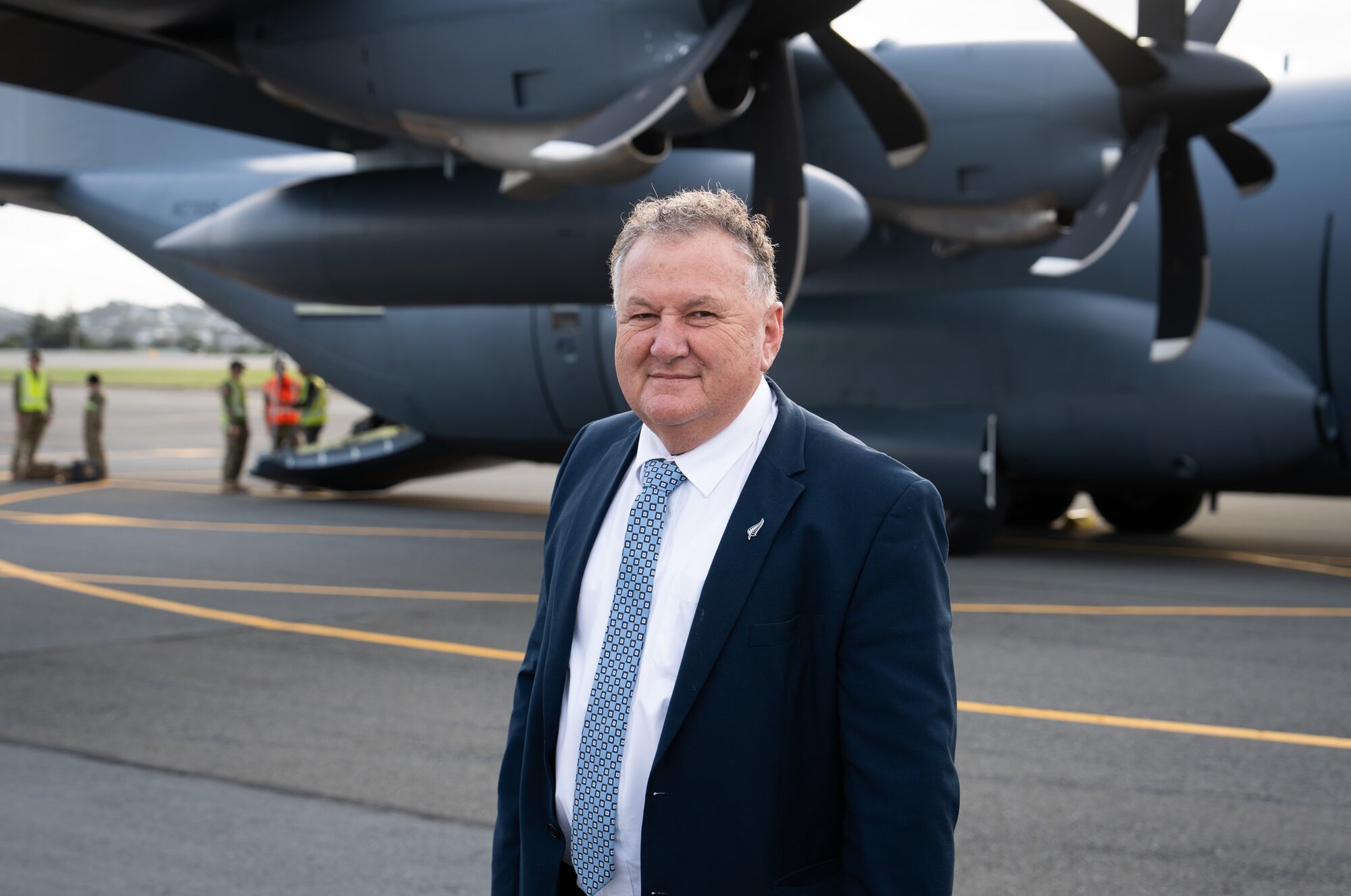
James Meager has responsibility for the aviation sector as an Associate Transport Minister and stressed this support is not a bailout.
“The aim is to stabilise the sector and support regional routes in the short to medium term,” Meager said.
“This is not intended to meet all the airlines’ capital needs but to provide targeted relief for such things as aircraft leasing, maintenance and debt refinancing.”
Meager also announced the Government had approved funding for digital upgrades allowing regional transport bookings to be integrated with the platforms of the larger airlines.
Referred to as “interlining”, this means passengers will be able to book a single itinerary with flights on different airlines, including the major carriers.
“Streamlining bookings and baggage-handling between the smaller carriers and the bigger players in the aviation sector will make it much easier for the travelling public to plan and book their preferred routes in one go,” Meager said.
“Without intervention, our regional airlines face further service cuts or a complete withdrawal from routes, as we’ve seen in some regions around the country.”
A joint statement from the New Zealand Airports Association along with Air Chathams, Sounds Air, Barrier Air and Origin Air welcomed the Government announcement, calling it a “turning point” for the country’s regional aviation network.
“We are fortunate that New Zealand’s regional aviation network has sustained itself commercially for so long,” NZ Airports chief executive Billie Moore said.
“But the long tail of Covid, rising operating and maintenance costs and the less favourable finance terms available to smaller airlines have changed the equation.
“In many cases, it is now more attractive for operators to sell their aircraft into the international market than to continue running services in New Zealand. Despite this, regional airlines want to keep flying and serving their communities.”
Moore said the Government’s announcement would stabilise the system for now and also create conditions for future growth.
“It is important to note that this support comes after some routes have already been lost. The challenge now is to stabilise the system, prevent further losses where possible and put regional air connectivity back on a path to growth.
“This investment is modest and won’t fix every challenge, but it will help these dedicated operators start to turn things around.”
Jamie Ensor is a political reporter in the NZ Herald press gallery team based at Parliament. He was previously a TV reporter and digital producer in the Newshub press gallery office. In 2025, he was a finalist for Political Journalist of the Year at the Voyager Media Awards.