First official talks between New Zealand and United States trade representatives as Trump rolls out tariffs
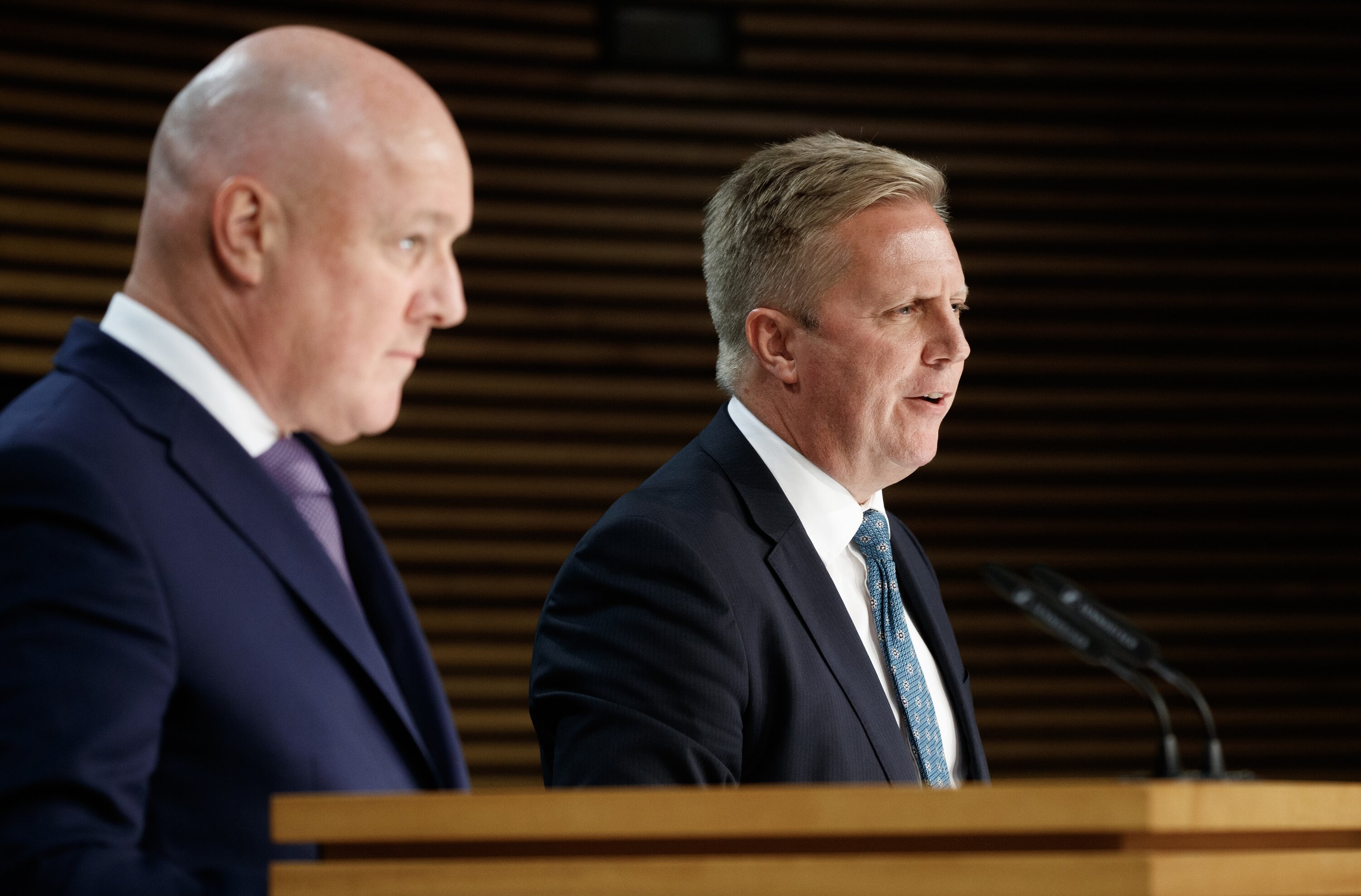
New Zealand’s Trade Minister Todd McClay has had his first meeting with his new United States counterpart as President Donald Trump continues to roll out tariffs.
In a statement, McClay said the online meeting with US trade representative Jamieson Greer lasted 45 minutes.
The pair discussed the importance of open and fair market access between New Zealand and the US and agreed to continue dialogue as the US administration’s trade policies are implemented.
It comes after the US President announced new tariffs, including on imports from Canada and Mexico.
On Thursday, Trump threatened to impose 200% tariffs on wine, champagne and alcoholic products from European Union countries in response to planned levies on US whiskey.
McClay said New Zealand and the US had a “well-balanced and complementary trade profile”, with the US enjoying many of our high-quality goods and services and US exporters benefiting from New Zealand’s low tariff regime and enabling investment framework.
“We used the opportunity to talk about the strong and mutually beneficial trade relationship between New Zealand and the United States.
“Officials at the New Zealand Embassy in Washington, remain engaged with their US counterparts, and I look forward to meeting USTR [US trade representative] Greer in person soon to further discuss ways to grow trade and investment between our two countries.”
In an opinion piece published by the Herald, New Zealand Initiative executive director Oliver Hartwich said if Trump were to impose direct tariffs on New Zealand exports, it would immediately damage New Zealand’s dairy, meat and wine industries.
“American consumers would pay more for New Zealand products, reducing demand and forcing our producers to accept lower prices to maintain market share.
“But even if we somehow escape direct targeting, the indirect effects could be equally damaging. New Zealand’s largest export market remains China, taking roughly 25% of our goods.”
Hartwich said if Chinese growth slowed under the weight of American tariffs, demand for New Zealand’s primary exports would inevitably suffer.
Trump ups the ante
- with AFP
Julia Gabel is a Wellington-based political reporter. She joined the Herald in 2020 and has most recently focused on data journalism.