Ōtaki tenant appeals Tenancy Tribunal compensation after landlord Victor Davis disposed of his belongings
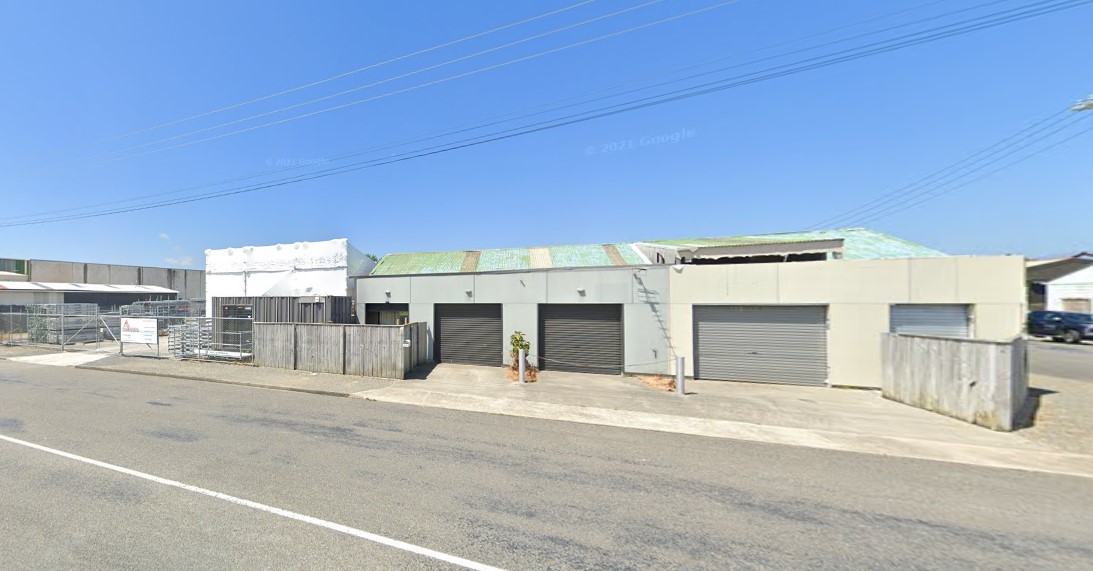
A father and his 5-year-old daughter, desperate for somewhere to live with their pet, ended up unlawfully living in a storage unit with no natural light.
Moving from a three-bedroom home into the unit meant they had to bring all their large appliances and household belongings with them.
But when the tenancy later soured and the tenant moved out, landlord Victor Davis refused to allow him to collect all of his possessions.
Instead, Davis disposed of thousands of dollars’ worth of belongings, including a fridge, bed, televisions, computers, children’s toys, photo albums and family items of significant sentimental value.
Last year, the tenant took Davis to the Tenancy Tribunal, which found the storage unit was not lawfully consented for residential use and therefore the tenancy was unlawful, and that Davis terminated the tenancy without grounds.
The tenant was awarded a $3500 rent refund, $4250 in damages and $2000 in compensation for stress, inconvenience, and the likely loss of household items.
But he failed to prove the claim for the list of belongings he said were lost.
However, the tenant has now successfully appealed the compensation award, with Judge Stephen Harrop quashing the $2000 payment and directing tribunal adjudicator Kristen Koller to reconsider the claim.
Now, Koller has ordered Davis to pay $8000 in compensation after new photo and video evidence showed Davis locking the tenant out while he was attempting to retrieve his belongings.
Property was unlawfully rented
The tenant, who has name suppression, lived in an office space at the back of a storage unit in an industrial area of Ōtaki, on the Kāpiti Coast, with his daughter and pet for 15 weeks in 2024.
The only entrance was through a large roller garage door and there were no external windows.
The only way the tenant could get fresh air and daylight into the office space was to keep the garage door open, which meant the unit would fill up with dust and debris.

Davis claimed he rented the storage unit to the man but did not know he was living there. However, evidence provided to the tribunal included a residential tenancy agreement signed by both parties.
The tenant gave the landlord a heads-up in October 2024 that he would be moving out because he did not feel safe living in the unit. An argument followed in December, after which the landlord told the tenant to leave that week.
A few days later, there was no power or water in the unit.
The tenant took this as a sign that the landlord was forcing him out, and he stopped paying rent. He bought a campervan to live in and started to organise moving his belongings.
On December 18, the landlord screwed the garage door shut, preventing access.
At the original tribunal hearing, the landlord said he could not remember telling the tenant to move out, but he was concerned about rent arrears, drugs and safety.
Davis said he did not turn the power and water off. He said he locked the tenant out because he feared the tenant and others would damage the unit and harm him.
The police were called and officers helped the man get access to the unit. He collected his pet and some essentials.
It was negotiated that the man could return the following day to collect the rest of his things.
But the tenant said he was only given about 90 minutes to enter and select the most important items to load into his car and trailer. The remainder was left behind.
The tenant said the landlord then put some belongings outside, where they were ruined, and refused to return what was left inside the unit.
At the original hearing, Koller found Davis had seized the tenant’s belongings and committed an unlawful act.
But she ruled that logically, the man would take the most valuable items first when given a limited time to pack, and there was no way of proving what was left behind.
Compensation quashed, rehearing ordered
The tenant then successfully applied for a rehearing, which led to Judge Harrop overturning the initial compensation order and ordering Koller to reconsider the issue.
Koller was then provided additional evidence from the tenant, including nine videos and eight photos, which showed the tenant at the unit asking the landlord to hand over his belongings.
“The landlord can be seen moving small items outside and sweeping the floor instead of moving the furniture, appliances, clothing, and boxes as requested. About five minutes into the video, the landlord closed the door, locked it and left,” Koller said.
The landlord then stored the belongings in the unit for about three months before placing the remaining belongings and rubbish on eight pallets, wrapping them in plastic and moving them to a neighbouring yard.
At the initial hearing, the pallets were discussed and the tenant said he did not want them because he had no idea what condition the belongings would be in.
The landlord later disposed of everything that was on the pallets.
At the appeal, the landlord said he should not have to pay compensation for the belongings because the tenant had the opportunity to collect the pallets.
“However, I find the tenant’s concerns about condition to be reasonable and I do not find that the tenant failed to mitigate by not collecting the pallets,” Koller concluded.
“The tenant agreed it was hard to place a value on some of the items, especially the older appliances that still cost money to replace. Taking all this into account, I find $8000 to be fair compensation.”
Brianna McIlraith is a Queenstown-based reporter for Open Justice covering courts in the lower South Island. She has been a journalist since 2018 and has had a strong interest in business and financial journalism.