New Zealand’s road toll shows our driving culture needs to change – Editorial
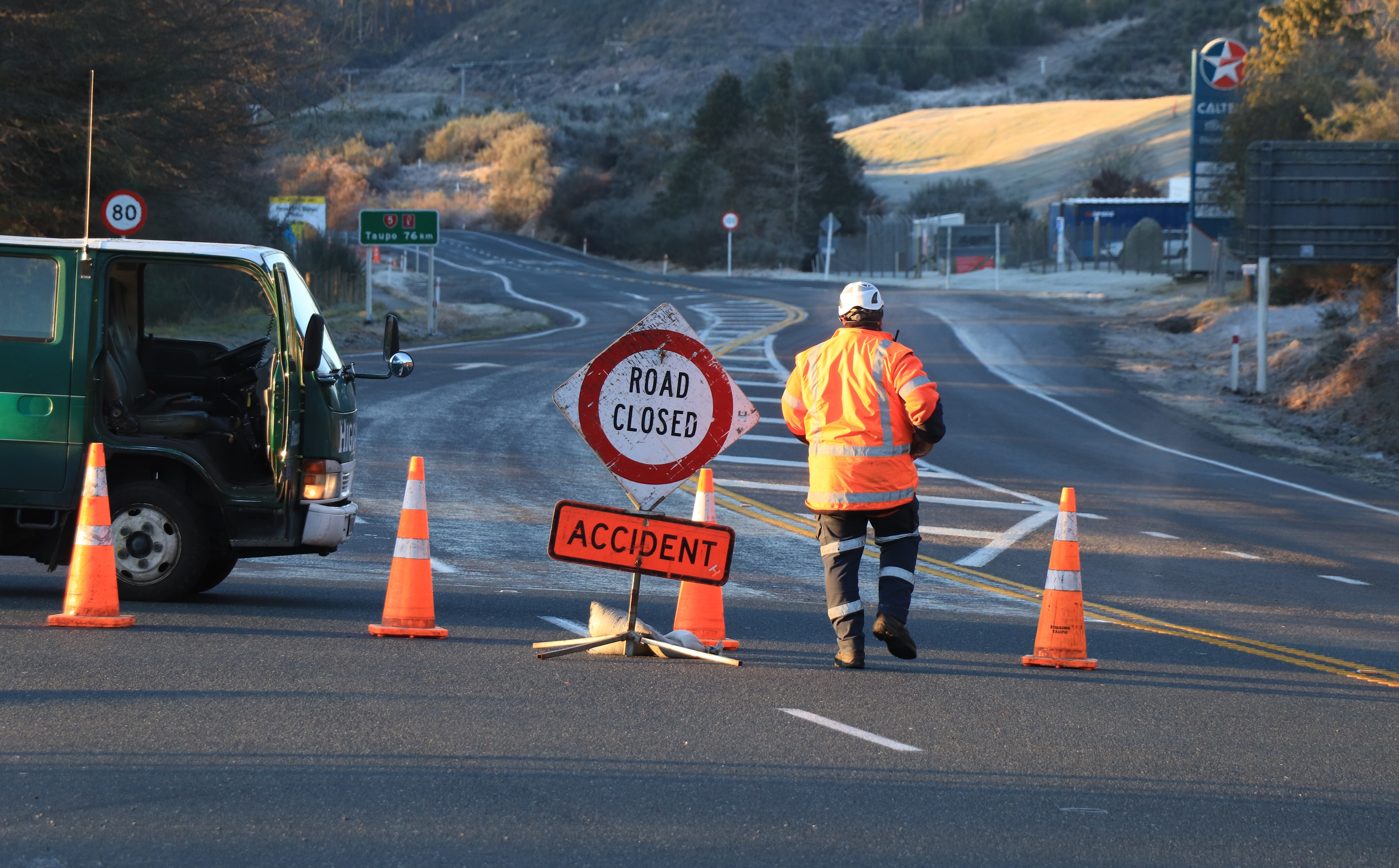
The long weekend’s road toll is a grim reminder that New Zealand still has a long way to go in its battle against fatal crashes.
Seven people died over King’s Birthday weekend – the highest toll for the June holiday since 11 people lost their lives in 2016.
What a needless, pointless and painful waste of life.
The carnage includes three people dying in a horror crash on State Highway 1, on the Desert Road near Waiōuru, early on Monday. Two others were seriously injured.
The provisional national road toll this year was 149 as of early Wednesday morning, seven higher than for the first six months of last year. Last year’s full-year toll was 272.
Superintendent Steve Greally describes the long weekend toll as “absolutely gutting”.
He is right. These road crashes are destructive and leave families, friends and colleagues devastated. They also have a huge impact on emergency responders.
Will there ever be a solution? Or are fatal crashes something we must always accept?
In 2019, the Labour-led Government launched Road to Zero, a strategy with a vision including a country in which no one is killed or seriously injured in road crashes. It aimed to reduce deaths and serious injuries by 40% by 2030.
It had five focus areas: infrastructure improvements and speed management, road user choices, vehicle safety, work-related safety and system management.
The programme’s goal was ambitious. But was it achievable?
The current Government replaced that strategy in 2024 with New Zealand’s Road Safety Objectives, which set out the road safety priorities for the next three years.
This includes targeting the highest contributors to fatal crashes. Key actions include roadside drug testing, increasing road policing and enforcement, investing in new and safer roads and reviewing penalties.
It remains to be seen if this new approach will be better than the old one.
In an ideal world, no one would die or be seriously injured on our roads. The reality, though, is that there are too many bad drivers and hazards to contend with.
Police say four main things contribute to death or serious injuries. They are speeding, not using seatbelts, driving distracted or driving impaired, including tiredness.
AA research shows that about half of fatal crashes involve reckless and extreme behaviour, such as drink-driving and speeding. The rest involve law-abiding people making mistakes at the wrong time.
The organisation believes New Zealand has a long way to go to improve its driving culture and to get motorists to take driving more seriously.
Many fatal and serious injury crashes are preventable.
People need to stop being reckless and take driving more seriously. The culture needs to change.