Mount Maunganui landslide: Cafes fear closure as visitor numbers and spending drop
The loss of six lives in a landslide in Mount Maunganui plunged the iconic destination into a state of grief in January. Nearly five months on, the healing has begun, but the scars remain. This is the second in a three-part series by journalist Bijou Johnson on Mount Maunganui’s recovery. She spoke to Marine Parade cafe owners about the struggle to recover from the financial impact of the tragedy.
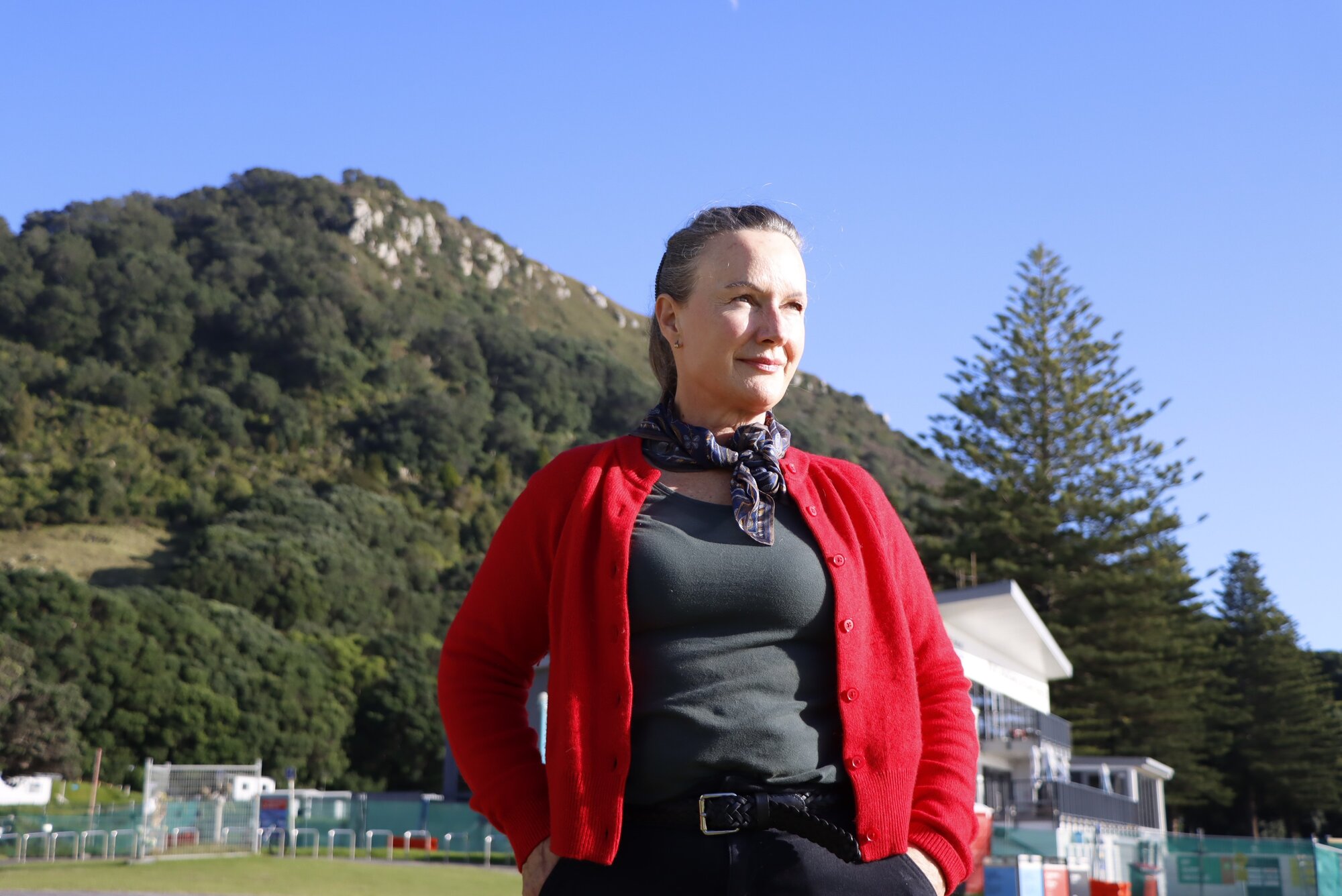
A Mount Maunganui business owner says she feels like shutting down after losing $110,000 since the fatal Mauao landslide.
Other locals fear some businesses will not survive the slower winter months, and more could close if key attractions remain closed heading into summer.
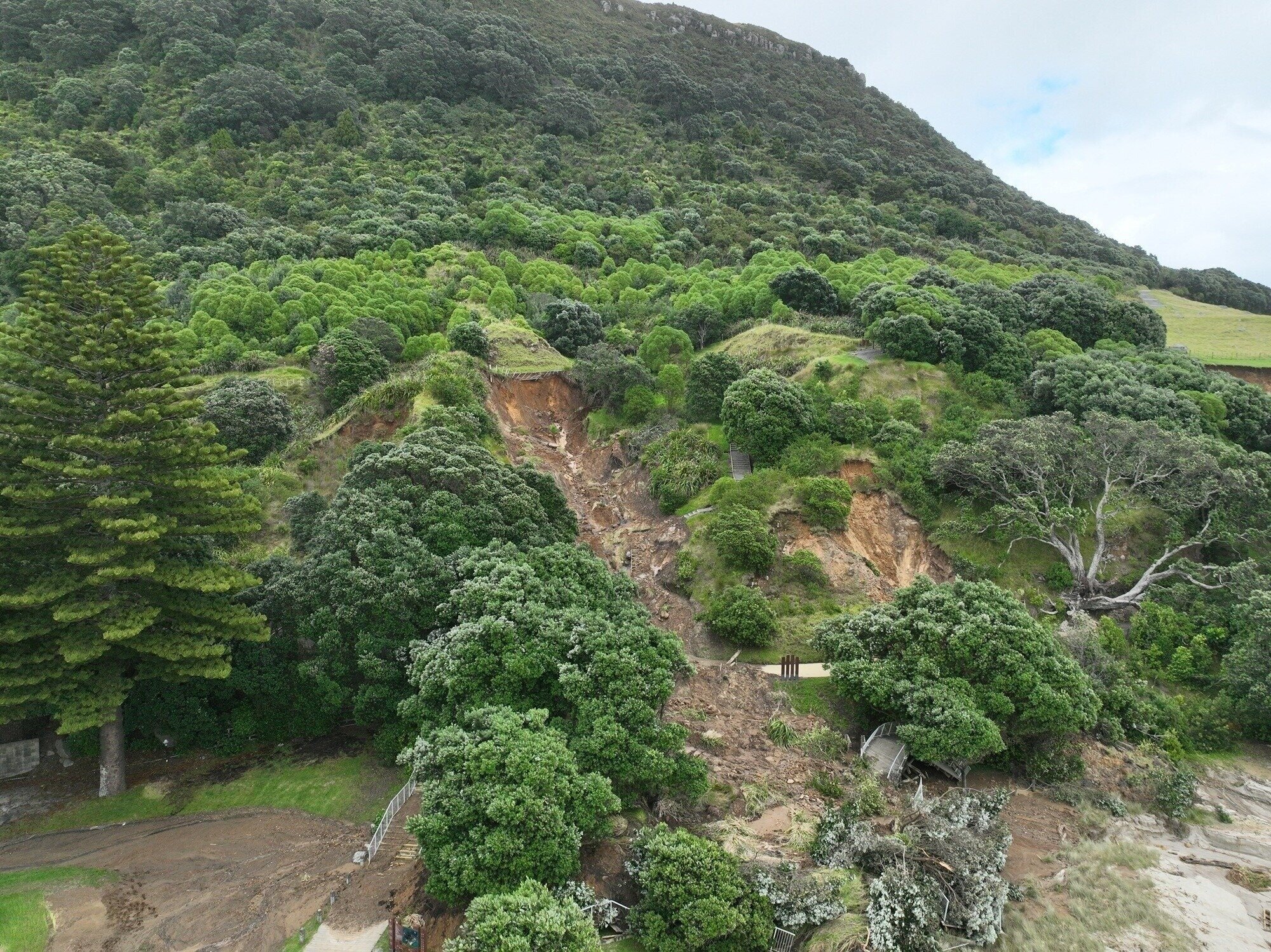
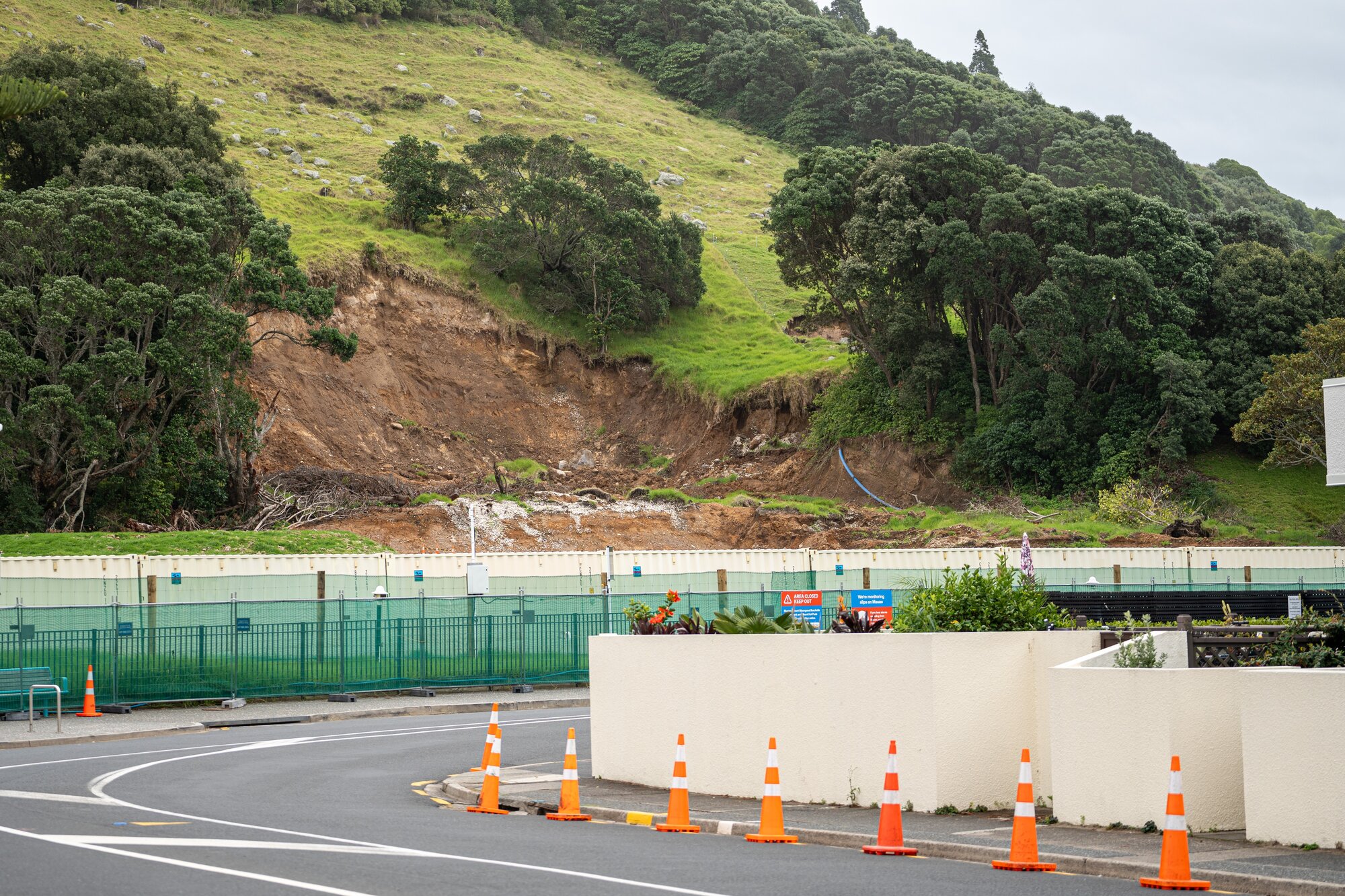
Six people died in the Mauao landslide at the Mount Maunganui Beachside Holiday Park on January 22.
Nearby businesses were forced to close in the emergency response that followed.
It was a financial blow during what would normally be their busiest season.
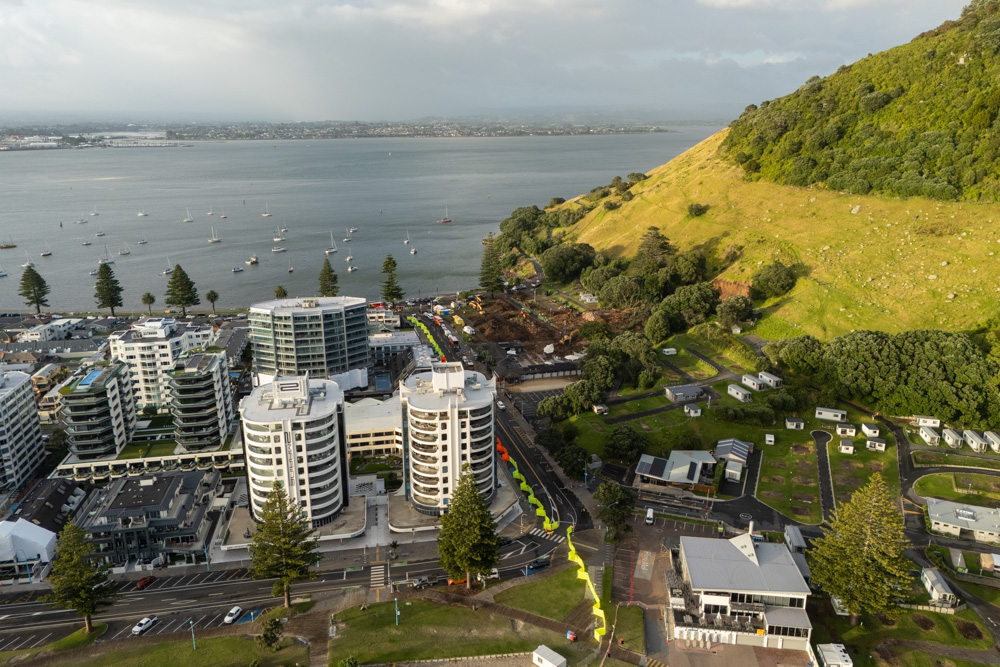
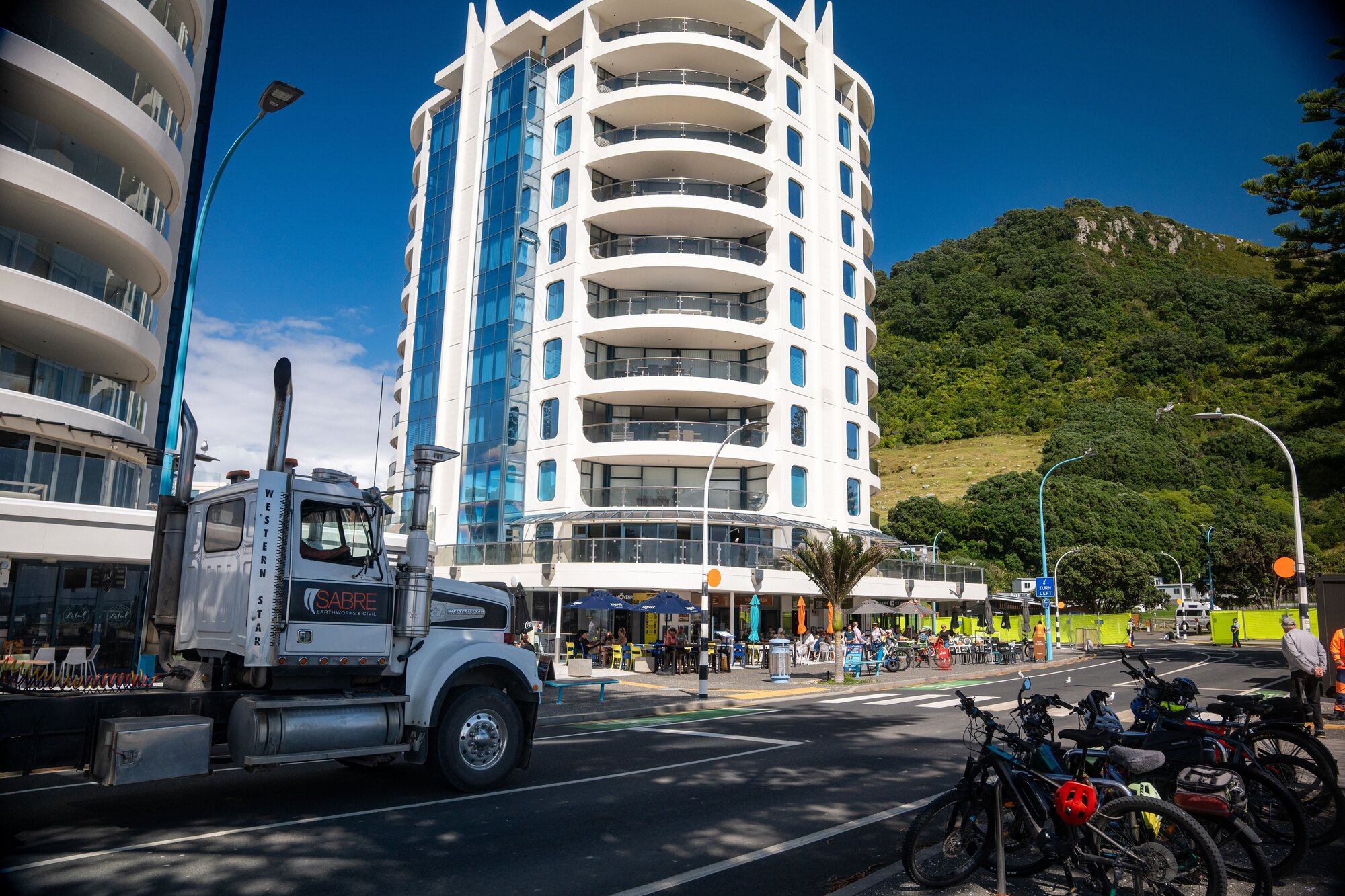
Nearly five months on, some Marine Parade cafes are still struggling to get back on their feet as they face winter without the drawcards of Mauao, the Mount Hot Pools and the campground.
It is hoped Mauao’s summit track network will reopen within the next few months.
The future of the damaged base track, hot pools and campground, as well as the nearby Mount Maunganui Lifeguard Service building, remain unclear.
Visitor numbers, spending down
Tauranga City Council visitor numbers for Mauao showed the mountain’s walking tracks received 1.29 million visits last year.
For the 21 days Mauao was open this year, it received 108,697 visits.
Data shows foot traffic has dropped on the Mount’s main shopping street, Maunganui Rd, between Pacific and Salisbury Aves.
The council recorded about 178,000 visits in April this year, compared with last year’s 233,000 – a 24% decrease.
Economic modelling by Tourism Bay of Plenty forecasted a $34 million loss in electronic card visitor expenditure in 2026, compared to 2025’s total.
This was for the organisation’s full coastal region, and was carried out before the Middle East conflict began.
Head of strategy and insights Richard Faire said the cost of living was already impacting domestic visitor spending before the landslide.
“It’s often challenging to isolate an event from general economic conditions.”
Hospitality NZ chief executive Kristy Phillips said some Mount Maunganui hospitality businesses had reported a 30% decline in guest numbers.
“If the [Mauao] closure continues for months, operators will be increasingly worried about the future.”
Calls for compensation
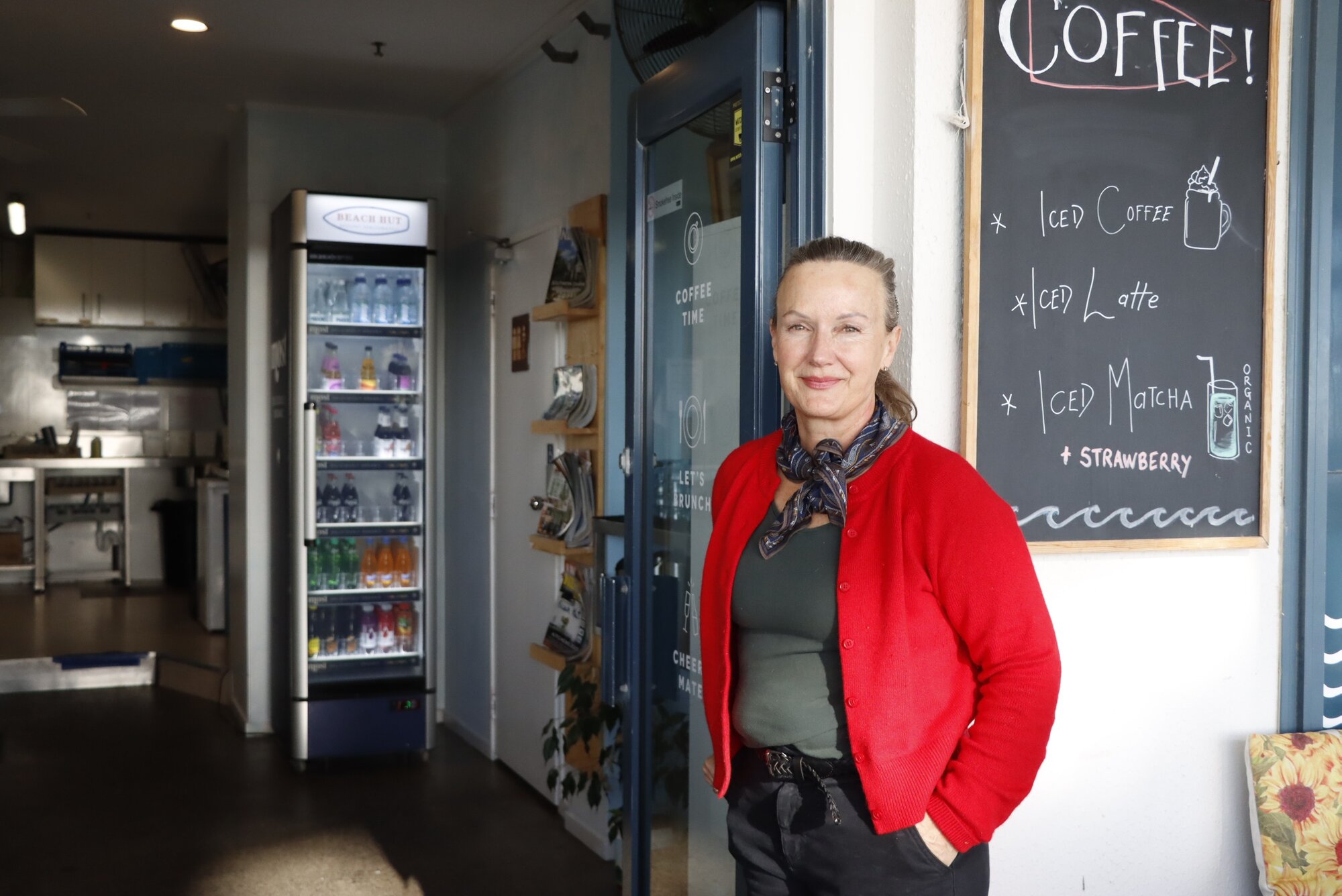
Lital Cafe owner Michelle Craig said sales were down 40% since the landslide, which equated to a loss of $110,000.
“I don’t have money to pay the cafe’s rent in August and September.
“I feel like shutting down.”
Lital Cafe and her other operation, Beach Hut Cafe, were among the Marine Parade businesses forced to close for a week after the slip.
The Bay of Plenty resident of 25 years said her landlord and suppliers were helping her financially, but the council was not.
She paid $24,000 a year in council rates for her two businesses, she said.
She had requested rates remission – a form of rates relief – from the council twice under two separate policies. Both requests were denied.
Craig said there should be a fair recovery pathway when emergency powers affected livelihoods.
She believed that, had the council evacuated the campground that morning, lives would have been saved and businesses would not be in such a predicament.
Grief and a “funeral feeling” around the area kept customers away, even after businesses were allowed to reopen on January 28.
“This happened through no fault of our own. They [the council] need to share the burden,” Craig said.
The council has launched an independent investigation to determine what happened leading up to the landslide. The report is due back in the middle of this year.
Other investigations, including a Government inquiry, are ongoing.
.
Marine Parade cafes were each offered $4000 through the Tauranga Mayoral Relief Fund.
Sidetrack Cafe Mike Waghorn said this was “peanuts” compared to the financial losses.
His cafe’s turnover was down 50%.
He thought two Marine Parade businesses would close over winter.
Asked what he thought would happen if Mauao, the holiday park and the hot pools were still closed by summer, he responded: “Well, the businesses will be closing as well.”
He called on the council to compensate the businesses and bring people back to Marine Parade.
Mount Maunganui Anglican Parish sent an open letter to Tauranga Mayor Mahé Drysdale on May 5.
The letter, signed by 25 church leaders, parishioners and guests, said they shared the fear that some operations would not survive the slower winter months.
They said businesses felt neglected and were “rapidly losing faith” in the council.
“The very least you could do is provide some form of real and tangible hope to our local business owners by offering relief on rates.”
The letter suggested councillors put some of last year’s 15.56% salary increase towards supporting Mount Maunganui businesses.
Drysdale said questions about salaries were for councillors to discuss and he would not answer on their behalf, but the amount would not be a “major game-changer”.
The Reverend Sue Genner told NZME it was disappointing the council had not responded to the letter yet.
She said Mount Maunganui used to be a “humming, thriving community” and was now a “ghost town”.
The council should act urgently to avoid “irreversible damage to the community”.
Mayor responds
Drysdale said the Tauranga Mayoral Relief Fund had given more than $80,000 to businesses affected by the cordon.
The council would have liked to provide more funds, but it was constrained.
“Ultimately, whatever money we don’t collect or we give to these businesses is being paid by ratepayers.”
He understood that Mauao was an “economic driver” for Marine Parade businesses, but it was not the only factor impacting turnover.
A tough economy had caused businesses to close nationwide.
“We’re trying to get things up and running to ensure these businesses have their best chance at survival.”
He said the final report from the council’s independent review into the landslide was expected in the next two months.
He did not expect its findings to change the council’s position on providing further funds to affected businesses.
“We’d have to look at that decision from [the perspective] of other ratepayers who would be footing that bill.”
He said the council would have answers on reopening the holiday park and hot pools after landslide risk assessments were received within the next two months.
He hoped some Mauao tracks would open in the next few months.
“I’d be very confident that we’ll have something opened by the end of the year.”
He said the council controlled the cordon established immediately after the slip for only its last three days, before lifting it on February 6.
Before that, it was controlled by emergency services. During that period, the council advocated for fewer restrictions.
Mauao recovery manager Charlie Rahiri said direct relief had been provided to affected businesses.
This included the one-off Tauranga Mayoral Relief Fund payments, rate postponements, fee waivers and extended payment due dates.
The case for a rates remission was assessed but the enforced closure period had not met the remission criteria.
Relief measures were also required by law to meet standards of “prudent financial management and equity across ratepayers”.
He said additional options for more indirect support to increase foot traffic and spending in the area were underway.
Bijou Johnson is a multimedia journalist based in the Bay of Plenty. A passionate writer and reader, she grew up in Tauranga and developed a love for journalism while exploring various disciplines at university. She holds a Bachelor of Arts in Classical Studies from Massey University.