Government expected to reveal new plan for KiwiRail’s Interislander Cook Strait ferries
Today is D-Day for the future of KiwiRail’s ageing fleet of three Interislander ferries, with the Government expected to reveal what ships will replace them.
It is exactly one year since Cabinet decided to pull the plug on KiwiRail’s iRex plan to build two new rail-enabled mega-ferries.
Overall costs had ballooned to more than $3 billion and the new Government refused to fund the latest blowout.
Portside infrastructure like new terminals and wharf upgrades drove the cost escalation, rather than the mega-ferries themselves – a $551 million fixed-price contract was signed in 2021 with Hyundai Mipo Dockyard in South Korea to build them.
The Government’s decision to cancel the mega-ferries was labelled a bold move at the time and one that sent a sharp warning to the public sector that it was not afraid to shake up projects that may have previously been presented as a fait accompli.
But it also came with the political risk that a major incident could happen on Cook Strait in the time it took the Government to decide on what it promised would be a cheaper alternative.
This has not transpired but the Aratere did run aground, KiwiRail’s chairman retired early and there have been calls for Finance Minister Nicola Willis to resign.
Deputy Prime Minister and New Zealand First Leader Winston Peters has previously revealed the Government will decide on a new plan by today. It’s understood an announcement is going ahead.
Willis has said: “Cabinet has had in mind a number of factors – safety, reliability, resilience, value for money, rail compatibility, and getting a good deal for Kiwis.”
One of the major components of the Government’s announcement will be whether the new ships are rail-enabled – allowing trains to roll on and off – or rail-compatible – transferring containers on and off the trains – and what this means for the future of rail.
There is speculation the Government has set aside $900m for two smaller non-rail-enabled ferries.
Labour Party finance spokeswoman Barbara Edmonds asked Willis if this was the case during Question Time yesterday.
“I do not believe it is in the public interest to answer that today,” Willis said.
“The member will just have to wait until an announcement is made later this week.”
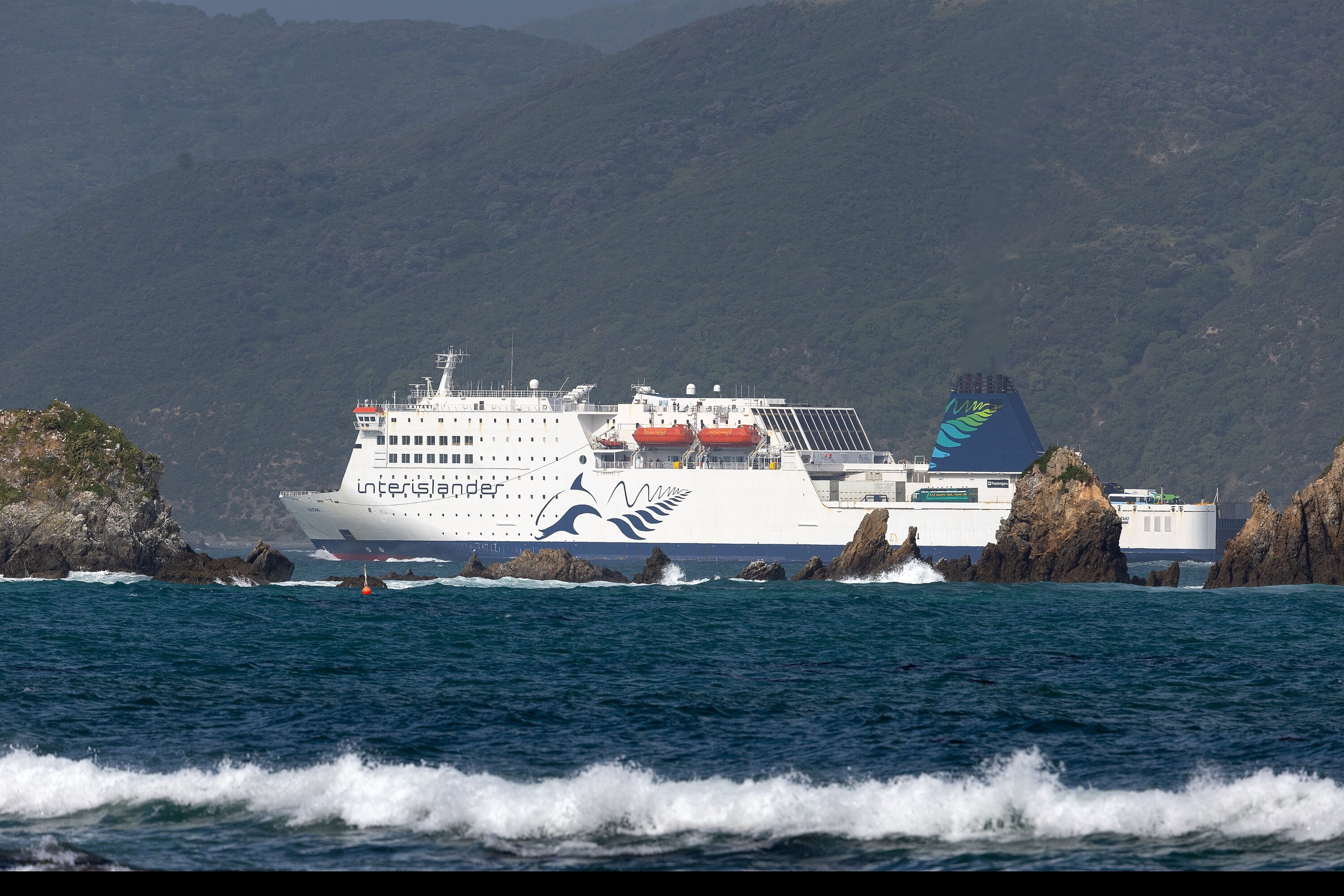
Cook Strait, effectively an extension of State Highway 1, has quickly become one of the most significant political issues of the year.
After the decision was made to cancel iRex, a ministerial advisory group was appointed to consider the future of the strait’s notoriously treacherous waters.
The group’s three members were paid more than $80,000 between them, just two months into the job. Willis has defended this cost, saying it was inappropriate to rely on KiwiRail’s advice given the state-owned enterprise “got us into this mess“.
The Ministry of Transport was also tasked with considering whether KiwiRail should even be providing a Cook Strait ferry service in the future.
Reports from the advisory group and ministry were delivered to the Government in June.
There is speculation the Government has considered setting up a Schedule 4A company to procure the new ships and potentially operate them.
The Government can sell some of its shares under a Schedule 4A framework but it must retain a majority shareholding in the company.
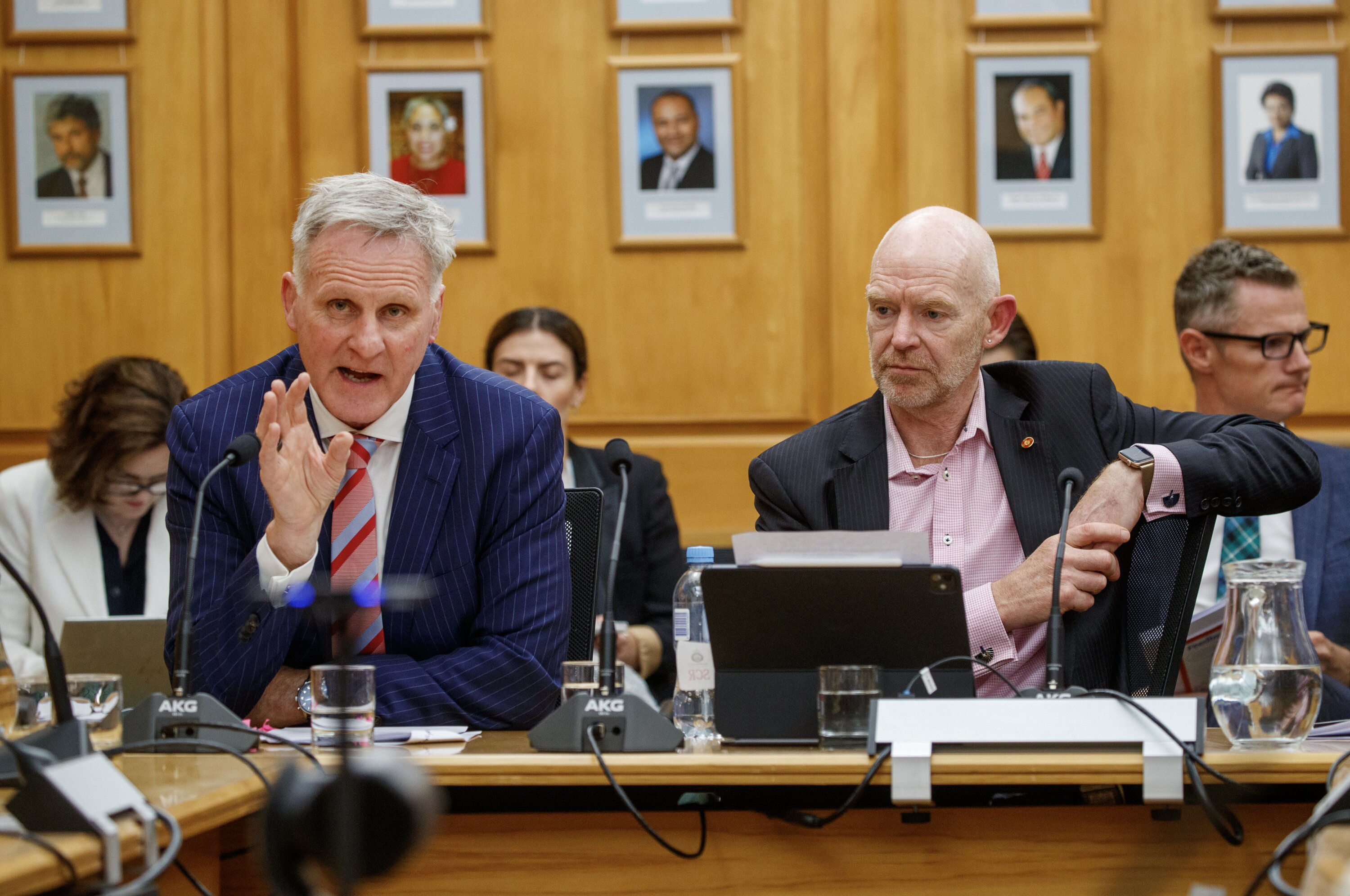
KiwiRail bosses revealed last week they had advised the Government on the implications for their business if a separate entity ran the ferries.
They also disclosed that negotiations to exit the mega-ferry ship-building contract with Hyundai Mipo Dockyard will extend into next year.
Engine parts had been built and tested by the time KiwiRail officially cancelled the contract in February.
KiwiRail staff members travelled to South Korea in January before chief executive Peter Reidy also travelled there in April.
Willis has not committed to getting new ships by the time the mega-ferries were due to arrive in 2026.
KiwiRail is now preparing to extend the life of its existing Interislander fleet until 2029 after receiving new advice from global maritime experts Det Norske Veritas.
The peer-reviewed advice suggested there were no systemic issues that would prevent the life of the ships from being extended, subject to investment and enhanced maintenance.
KiwiRail has significantly increased its maintenance regime after Government ministers said they had been “highly unimpressed” with its approach.
Regardless, the ferries have become better known for their breakdowns than reliability.
CentrePort has become so fed up with being called to assist ferries and other ships losing power in Cook Strait that it wrote to the Government, warning it is not set up as a “24/7 marine emergency first responder”.
The port is one of many stakeholders that will keep a weather eye on the Government’s new plan today and the future of Cook Strait.
Georgina Campbell is a Wellington-based reporter who has a particular interest in local government, transport, and seismic issues. She joined the Herald in 2019 after working as a broadcast journalist.