Geordie Rogers’ Green win in Lambton Ward byelection hardly a resounding victory
OPINION
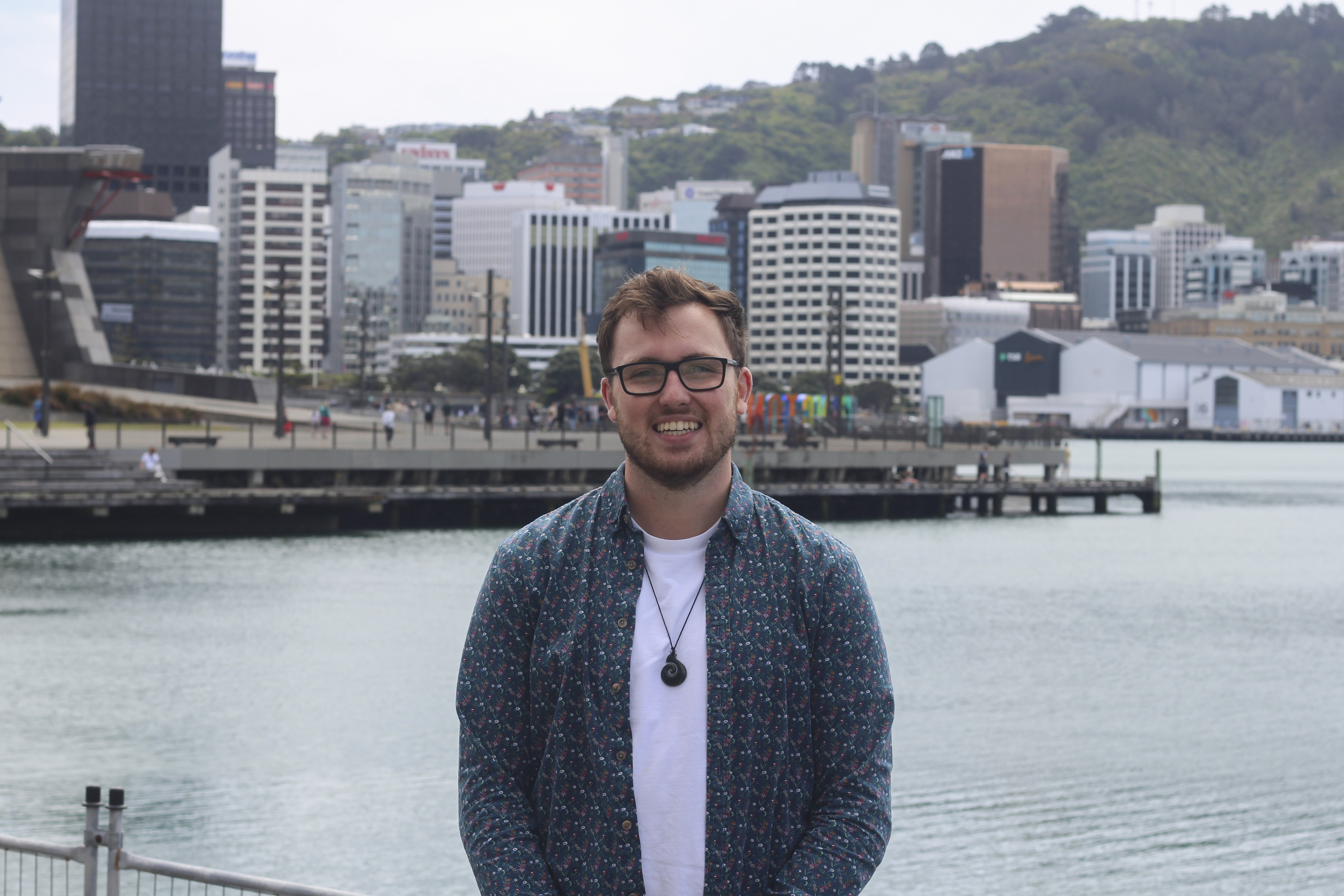
Green candidate Geordie Rogers has managed to win Wellington City Council’s Pukehīnau Lambton Ward byelection by 45 votes - hardly a resounding win for a party that’s been heavily favoured by this part of town recently.
It is a victory nonetheless and Rogers is to be congratulated on his success. The final results show he won fair and square although his main rival Karl Tiefenbacher, who is also the founder of Kaffee Eis, is still mulling over the results and said he cannot rule out asking for a recount.
The narrow win comes after far more significant triumphs for the Greens in Wellington.
In the 2022 local body elections, Tamatha Paul was the most popular candidate in the city’s Lambton Ward with a majority of 1997 votes over the next-most successful candidate, Nicola Young.
Tory Whanau, who was endorsed by the Greens, won the capital’s mayoralty with a strong mandate.
In last year’s general election, Paul went on to stand in Wellington Central, which encompasses many of the same areas as the Lambton Ward, and managed to flip the safe Labour seat for the Greens.
Paul’s path to Parliament triggered a byelection in the ward, which is costing ratepayers $120,000.
It’s this byelection that Rogers and Tiefenbacher contested. Progress results had Tiefenbacher ahead by 621 votes- a margin that narrowed to just 164 votes in the preliminary results.
The tables have turned in the final results with Rogers winning the council seat by 45 votes.

Byelections can act as a test of how people feel about the Government or in this case, the Green leadership engulfing the city.
It was a lot easier for Tiefenbacher to go on the attack about wasteful spending and cycleways than it was for Rogers urging people to stay the course.
Rogers may not have enjoyed the same sizable wins the Greens have secured in recent years because a lot has changed in Wellington this summer.
Firstly, there are the leaks which are losing 44 per cent of the region’s drinking water and the threat of a severe water shortage.
Wellington is no stranger to the odd geyser or the spectacular failings of major wastewater pipes. However, this summer the smaller leaks seeping onto streets have felt more visible than ever before.
Most residents would surely be able to spot at least three leaks on their respective commutes from the suburbs into the CBD.
This has triggered an outcry from residents to pour more money into essential infrastructure.
Secondly, some of the council’s proposals to save money and redirect funding to the pipes have been met with disbelief.
The council considered reducing pool and library hours to save just $1 million. Cutting basic council services to save such a small amount of money was galling in the context of another decision to spend $32m helping the multimillionaire US owners of Reading Cinema to finally strengthen the building so it can reopen.
Whanau swiftly took these pool and library cuts off the table after reading the room.
Thirdly, this all might leave some people to wonder what the point is of having a council with a left-leaning majority of people who campaigned on transformation if Wellington City Council is too financially constrained to deliver it.
It’s difficult to draw a definitive conclusion from the byelection result because the margin is so narrow, not to mention voter turnout was disappointingly low at 25 per cent.
Rogers’ slim majority indicates there is some willingness to stick with the left. It also indicates there is discontent brewing.
The real decider on the mood of Wellington will be next year’s local body elections.
Georgina Campbell is a Wellington-based reporter who has a particular interest in local government, transport, and seismic issues. She joined the Herald in 2019 after working as a broadcast journalist.