Frank Film | Fatima: A refugee’s journey
When Afghan refugee Fatima left her homeland, she had no chance to say goodbye to her parents. Just 19 years old at the time, Fatima was working in Kabul when the Taliban swept through the country, taking town after town. In their sights was the country’s capital.
Had she stayed in Kabul, she would have been subject to extreme Sharia law under which women, she says, “have no rights of work. We have no rights of education”.
With her parents and siblings stranded in their home city of Herat, in western Afghanistan, Fatima left Kabul for Pakistan, where she applied for refugee status under the United Nations refugee resettlement programme. Under this programme, New Zealand accepts 1500 refugees annually.
“The UN called me,” she tells Frank Film. “They say that you are going to New Zealand. And I said, New Zealand, where is it?”
Statistically, Fatima was extremely lucky to be accepted here – New Zealand’s refugee intake is very low by international standards. After six weeks in the Māngere Refugee Resettlement Centre in Auckland, she was resettled in Christchurch in 2025, where she knew no one. Living in a small flat, she struggled with the language and adapting to New Zealand life.
However, her fortunes changed when she chanced to meet Patrick O’Connor.
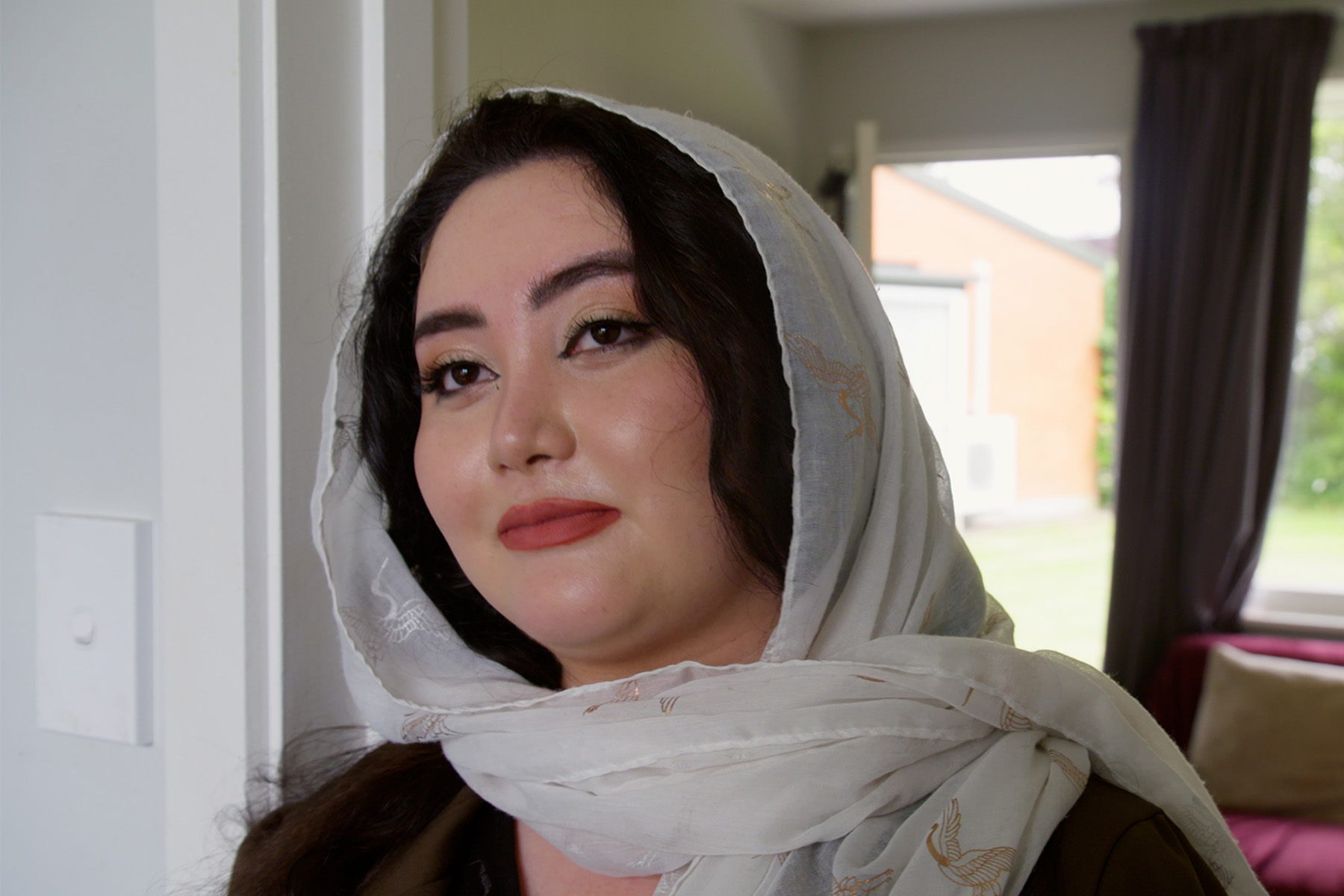
O’Connor, who is a former co-director of Peeto, the Multi-Cultural Learning Centre, has spent 35 years helping refugees settle in the city. A passionate advocate for refugees, O’Connor took Fatima under his wing. He tells Frank Film there used to be a very strong network of volunteers that helped refugees settle here, but “that’s broken down”. Fatima, he says, was “very lonely, very on her own”.
O’Connor mentored Fatima with English and with her coursework. She is currently enrolled at Ara Institute of Technology, where she studies business management. She credits O’Connor with getting her through that first semester at Ara.
“He supported me a lot. He checked my grammar, how to write and reference, and how to make a paragraph. The second semester, I felt so confident.”
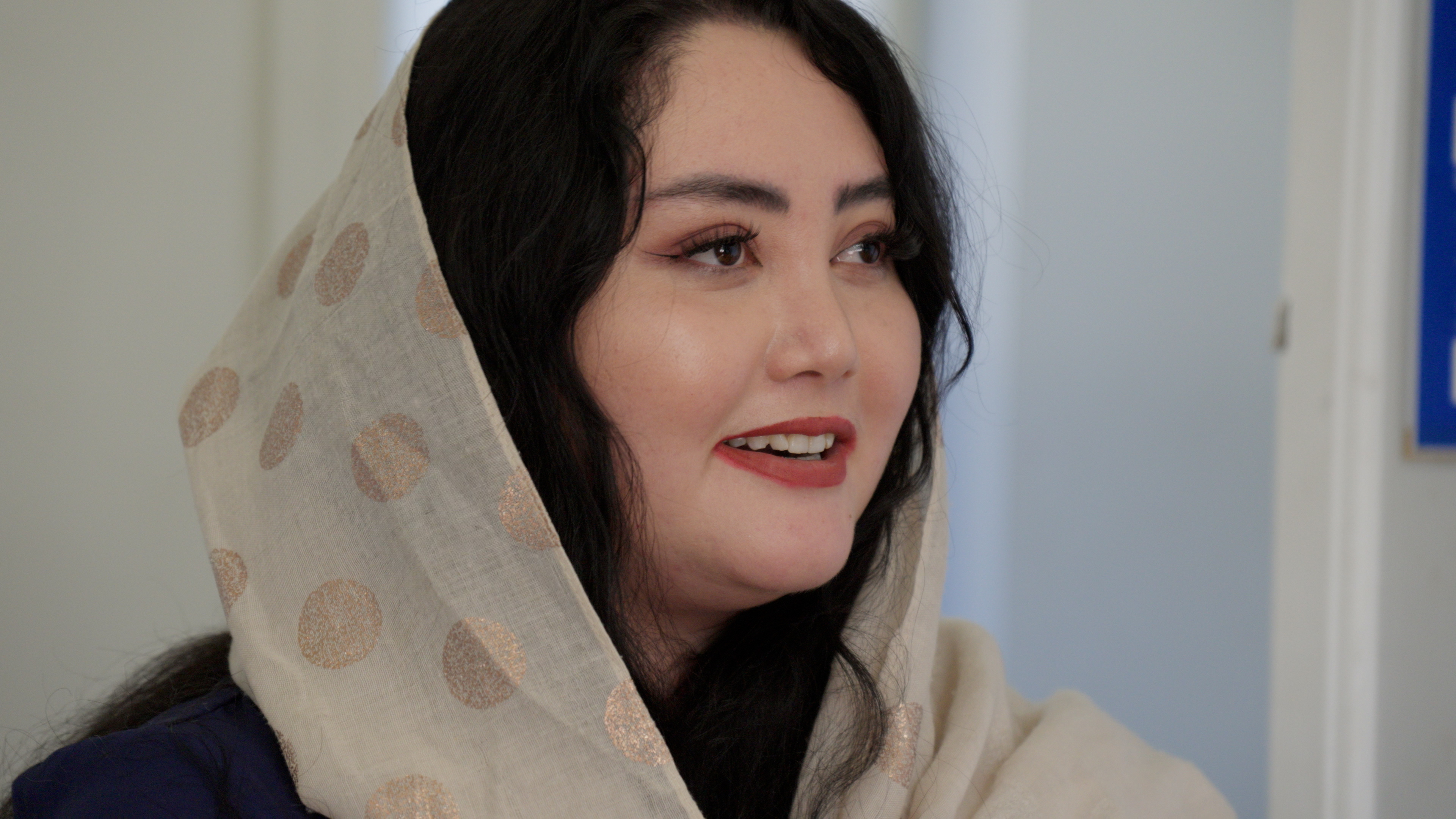
Lecturer Andrew Hercus says Fatima has thrived at Ara. “She’s going fantastically. She’s amazing to have in class. She’s really active and works with the other students.”
Fatima’s dream, however, has always been to reunite with her family. Having had a chance at education, she wants the same for them. As a refugee in New Zealand, she is eligible to bring her family out, but there are many bureaucratic hurdles to jump.
The process has been complicated by the fact that her sister has autism, and this has proven a sticking point for Immigration, which has requested a psychiatrist’s report from Afghanistan.
“I do not understand why Khadija has not been able to meet New Zealand’s health standards,” says Fatima. “She has never had any medical or surgical condition. She simply requires family support, which my parents, my sister, and I provide for her.”
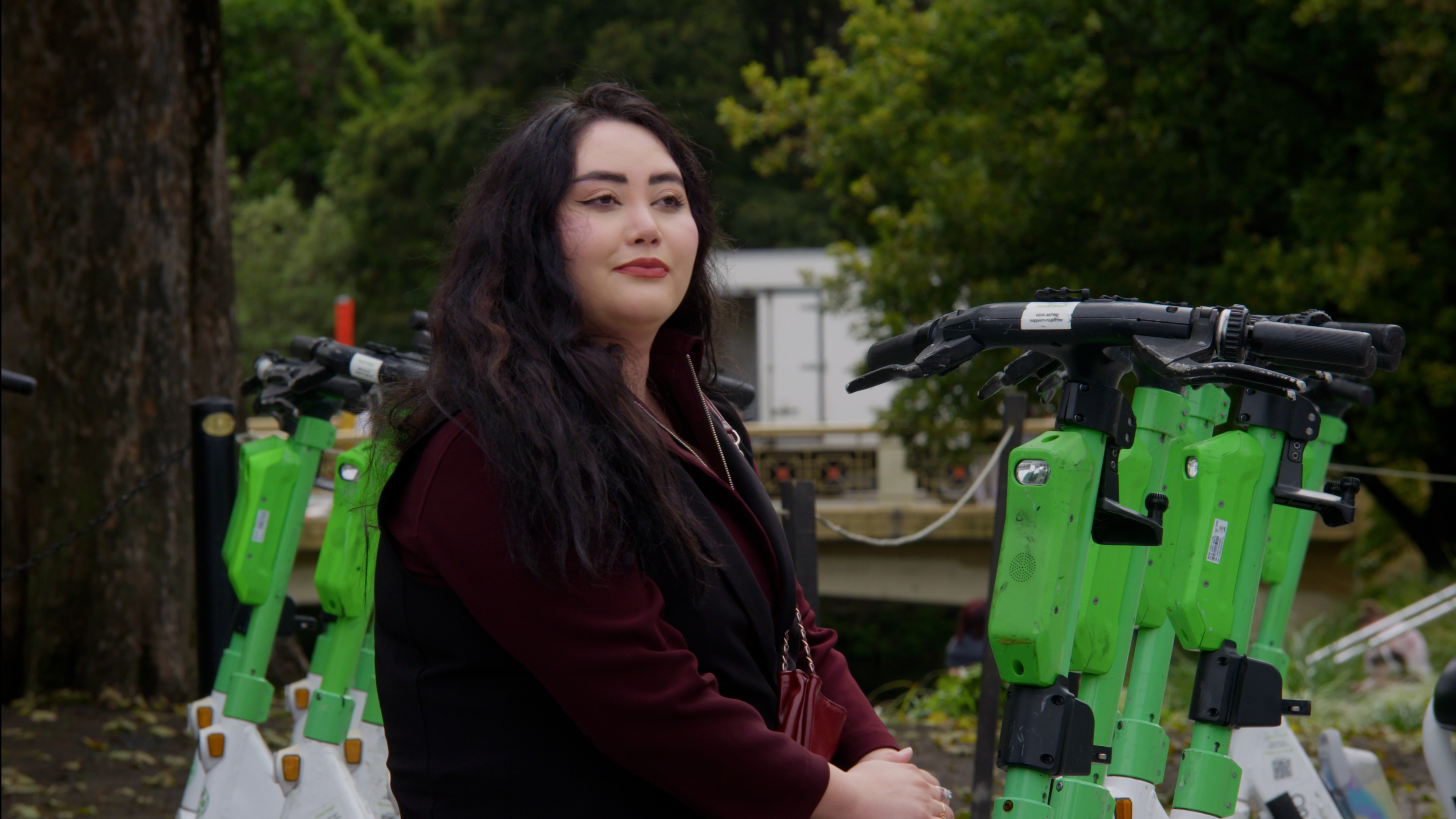
Fatima’s journey highlights how hard it can be for refugees to reach New Zealand and to get settled here. While New Zealand’s refugee quota intake, which was fixed at 750 for more than two decades, has doubled in recent years, our population has also increased markedly in that time, meaning that on a per-capita basis, we are still taking fewer refugees than most other countries in the world.
O’Connor believes we should be accepting far more, and doing more for them once they get here. His guiding principles are encapsulated in a Māori poem he has had translated into Farsi, and which hangs on the wall in Fatima’s apartment. It ends with:
Tātou ngā uri o ngā hau e whā
Piki mai, Kake mai
Ki Aotearoa
Tunga mo tātou katoa
We descendants of the four winds
Welcome to Aotearoa
A place for all to stand
Does Fatima’s family make it to Aotearoa? You’ll have to watch the film to find out ...