Empty library, closed playground: The Hawke’s Bay school asking for help
Imagine walking into a primary school library with no books on the shelves, classrooms running out of paint, and a playground sitting closed because there is no money to make it safe.
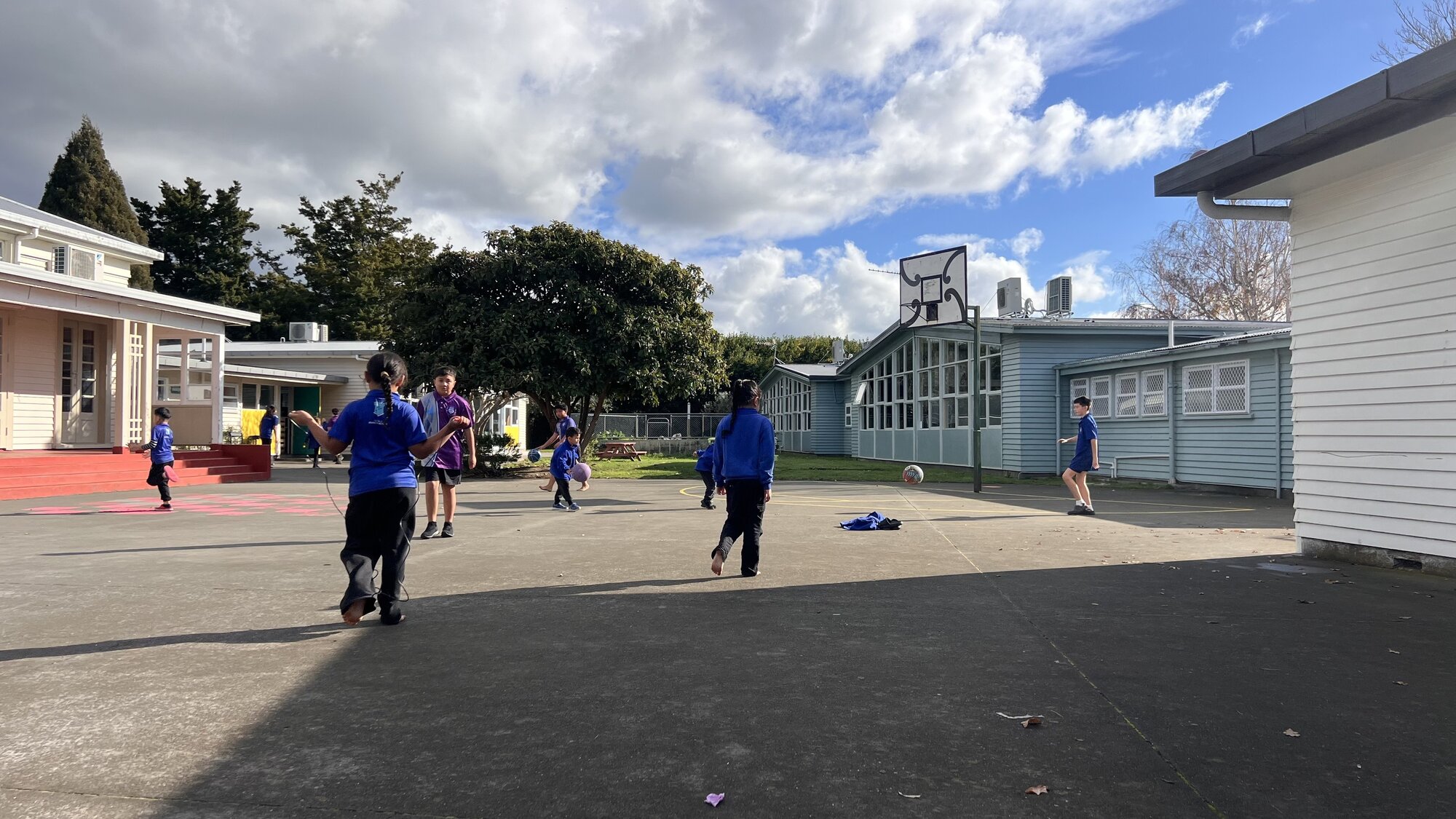
That is the reality facing Te Kura o Mangateretere pupils near Hastings.
The school raised eyebrows last week when an online fundraising page was set up in a bid to help secure its long-term future. It was captioned “Kids trying to save their school”.
Principal Grace Ropitini said years of declining student numbers, ageing buildings, a lack of provided resources, and growing financial pressures on the school had taken their toll.
The school – beside State Highway 51 near the Te Ara Kahikatea roundabout – has 37 students from Year 1 to Year 8, and Ropitini says teachers are struggling to provide even basic classroom resources.
“When I started at the beginning of the year, I walked into what was the school library, and there were zero books in the library,” Ropitini told Hawke’s Bay Today.
Since then, the school has relied heavily on community donations to slowly rebuild resources, with Hastings’ libraries and local families contributing children’s books and supplies.
But Ropitini said many basic items were still missing.
“We have no art resources, coloured paper, even things like paint for the kids to paint pictures, you know, like the normal things that you would expect in a primary school.”
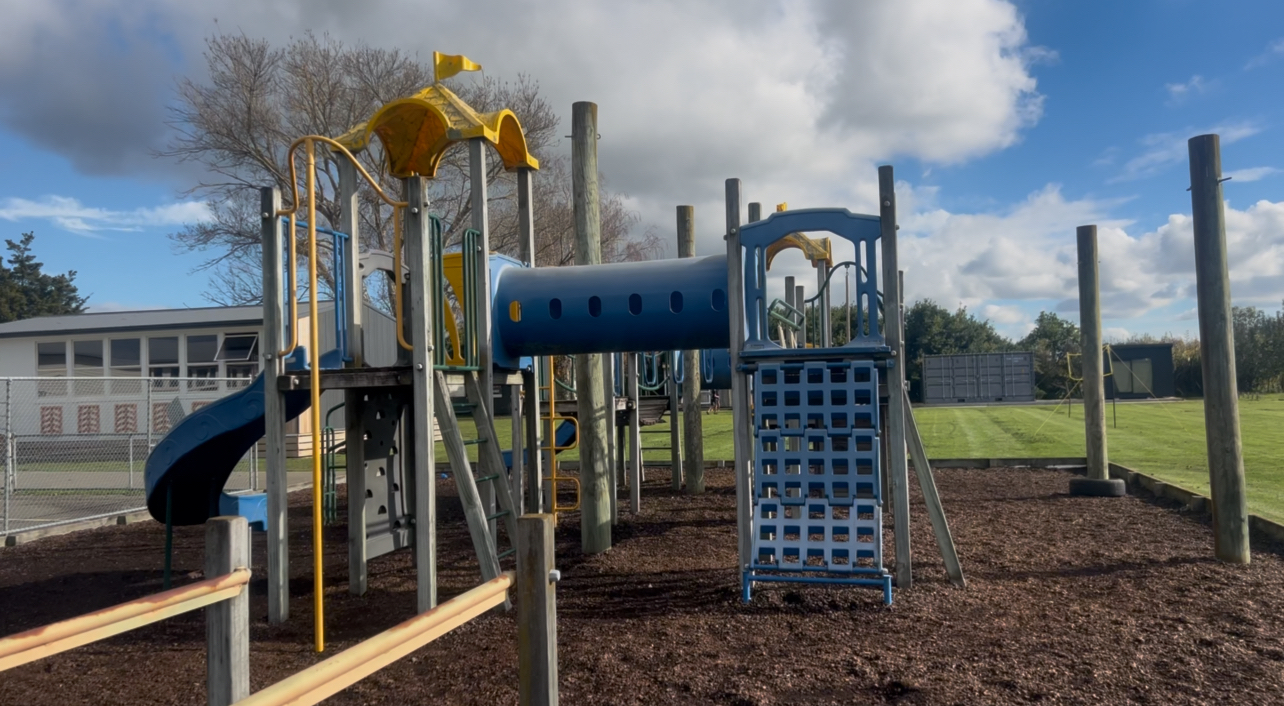
She said the school playground was closed because there were no funds to buy the bulk bark needed for it to meet safety regulations.
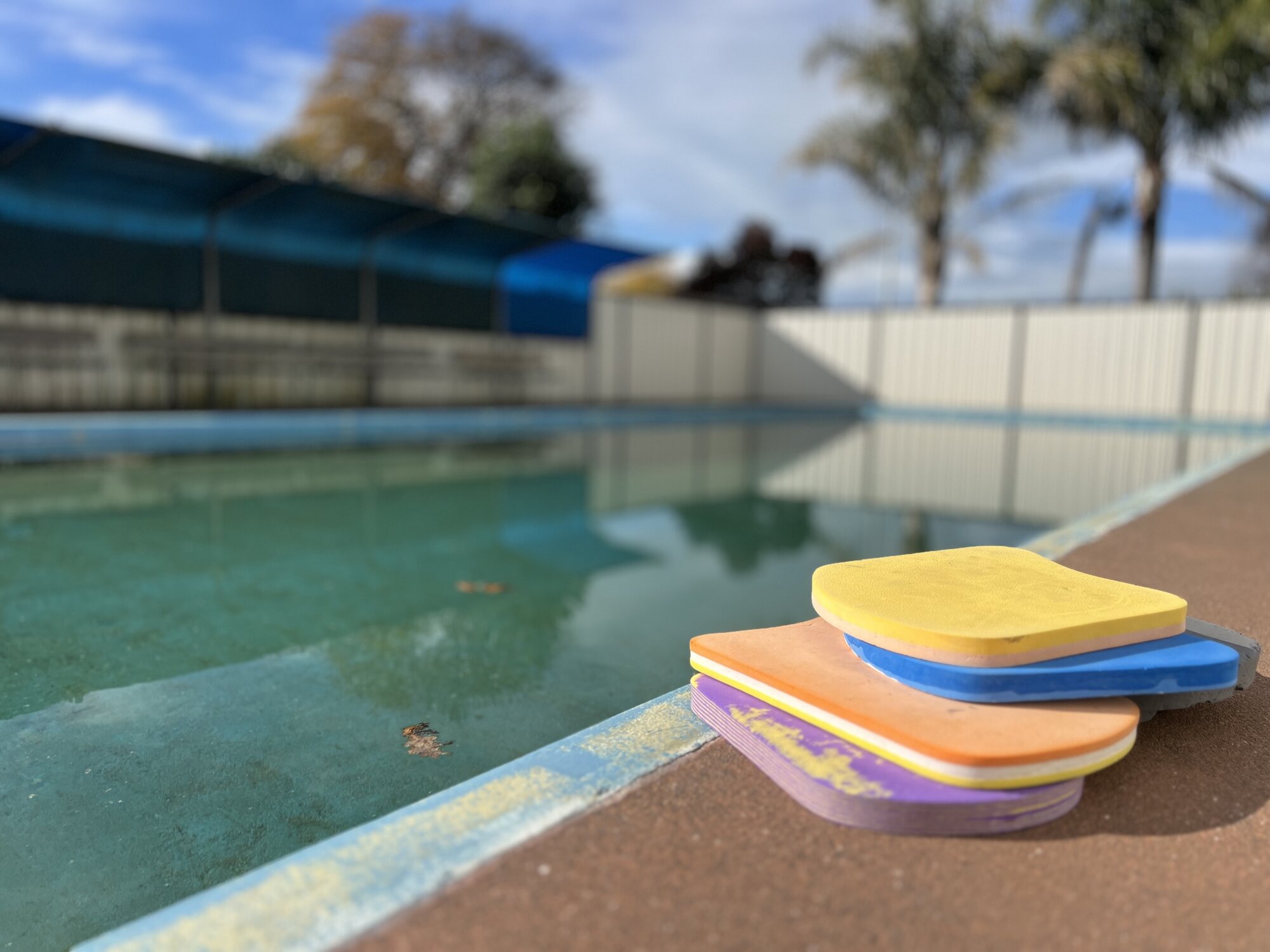
The school pool has only about 10 flutter boards for all students to learn to swim with, no lane dividers to safely teach different swimming levels, and no pool cover, leaving staff to spend time clearing debris instead of working with children in classrooms.
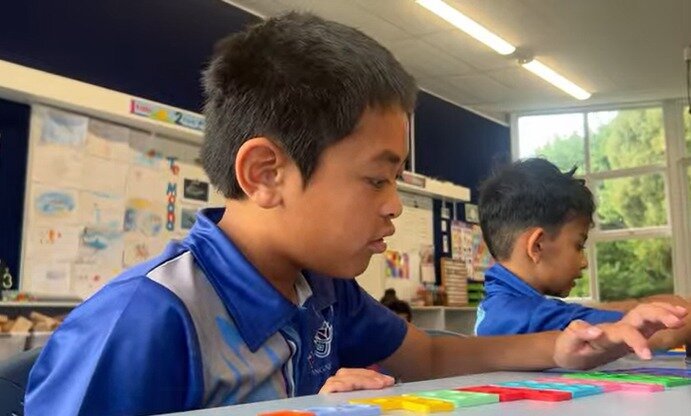
In the school library, where assemblies are held each morning, staff relied on a small whiteboard for notices and song lyrics instead of digital screens or technology commonly found in larger schools, she said.
“It’s like we are in 2026, but my school is operating in 2006,” Ropitini said.
Despite the challenges, she said the school remained resilient.
“At the moment, we’ve got blocks, and a doll house, and we make playdough as much as we can,” she said.
“We are creative. We make the best out of what we’ve got, but when things are the same every day, then we are limited on how much our kids can explore.”
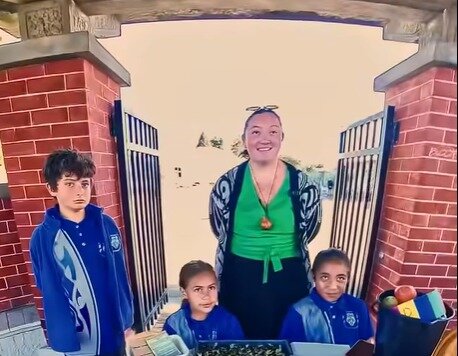
The school’s online fundraiser through the Onebyone Project had been successful so far – with the community response quickly surpassing expectations.
So far, the page had raised about $10,000 with more than 300 supporters.
“It’s such a privilege, and we’re so amazed by the response from the fundraiser,” Ropitini said.
“We will use that money on resources for our kids, but then also we would love to be able to take our kids on a school camp. Our kids haven’t been on a school camp in a long time.”
She described the fundraising as “just the beginning”.
The school, established in 1903, has also been dealing with grief after the death of its previous principal, Mona Stewart, last year.
Ropitini said maintaining old buildings and employing three teacher aides to support high-needs students consumed a large portion of the school’s budget, leaving little money for learning materials or activities.
The extra teacher aide positions are funded directly by the school rather than the ministry.
She said the school had received additional ministry-funded support services, but that does not fully cover their needs.
“The ministry funding is not enough.”
At the same time, the school’s roll has steadily declined over the years, reducing Government funding further.
Ropitini said the challenges facing Mangateretere were not unique.
“A lot of small schools struggle with the way that the current funding system is set up.”
She said small schools often faced barriers participating in sports and extracurricular activities because of low student numbers and limited staffing.
Ropitini said there were ongoing concerns about the school’s long-term future if numbers continued to fall.
“The ministry does ask, has the school outlived its purpose?” she said.
“But our children love our school. The whānau who have stuck with us, they love our school, and I know that our school has had such a beautiful impact on so many.”
A Ministry of Education spokesperson said school closures were a last resort and would only be considered where there were significant ongoing challenges, such as very low enrolments or serious resourcing constraints.
“Any process involves full consultation with the school community, including whānau and staff, and decisions are made carefully with a clear focus on protecting students’ education and wellbeing,” the ministry said.
“In most cases, we work alongside schools first to explore other options and provide additional support before any consideration of closure.”
The spokesperson said the ministry recognised smaller rural schools like Mangateretere operated differently from larger schools.
“We value the role they play in their communities,” the ministry said.
The spokesperson said the ministry had many programmes aimed at supporting rural schools, including teacher recruitment initiatives and the Government’s Small Schools Upgrade Programme, which funds improvements to classrooms and outdoor spaces.
“Our approach is to make sure students in rural areas have access to a broad, well-rounded education, while keeping the strengths that come with smaller schools,” it said.
The ministry said schools under pressure could work with their regional ministry team to identify what support may be available.