Cook Strait ferry: Kaiarahi engine delays travel after problem with sensor, Interislander ‘working to identify issue’
Another fault with a Cook Strait Interislander ferry is being investigated after the vessel experienced an engine issue at sea today.
On today’s 1pm Kaiarahi sailing from Wellington, the ship encountered an issue with a sensor on one of its four engines, Interislander fleet operations manager Taru Sawhney said.
“There was no loss of propulsion, but as a safety precaution the vessel will continue via the Northern Entrance,” he said.
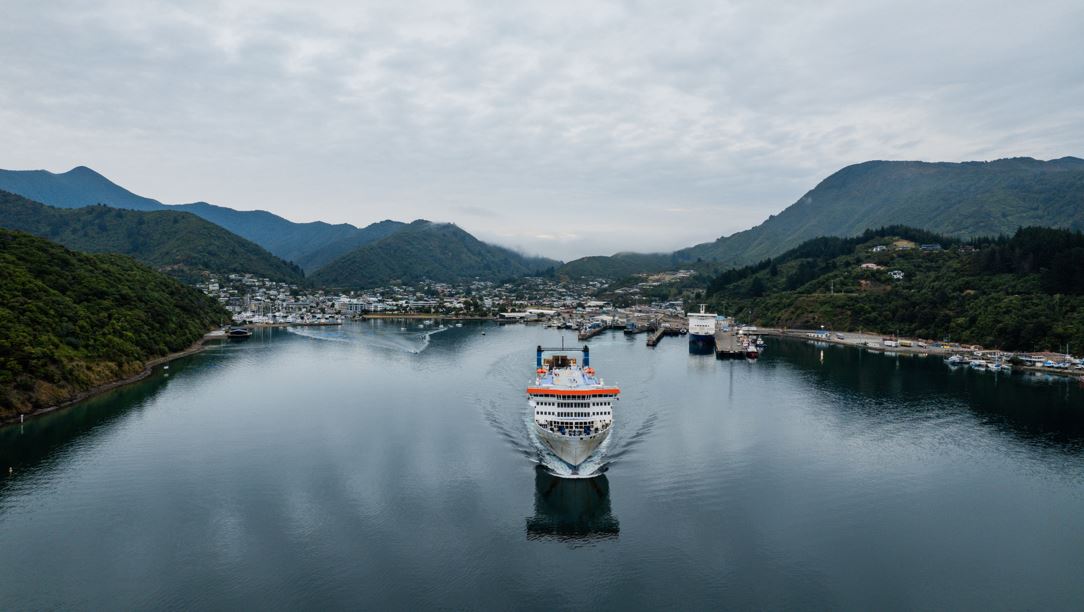
The ferry’s sailing to Picton was expected take about 60 minutes longer.
“Our team are working to identify the issue,” Sawhney said.
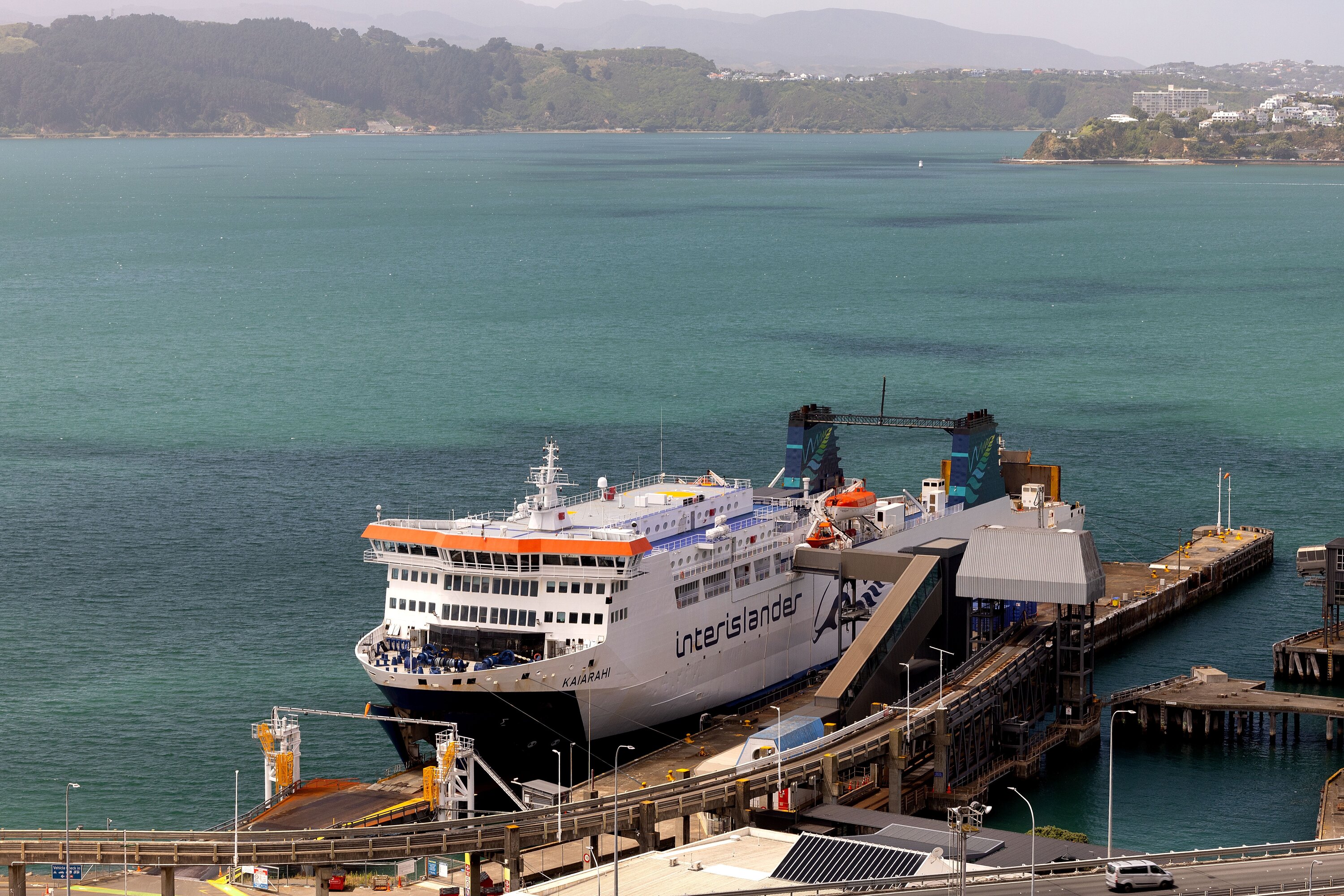
Wellington’s deputy harbourmaster Patrick Atwood said he was aware there was a “glitch” with the Kaiarahi, but that it seems to be resolved now.
The engine issue is the latest in a string of faults experienced by the increasingly unreliable and ageing Interislander fleet.
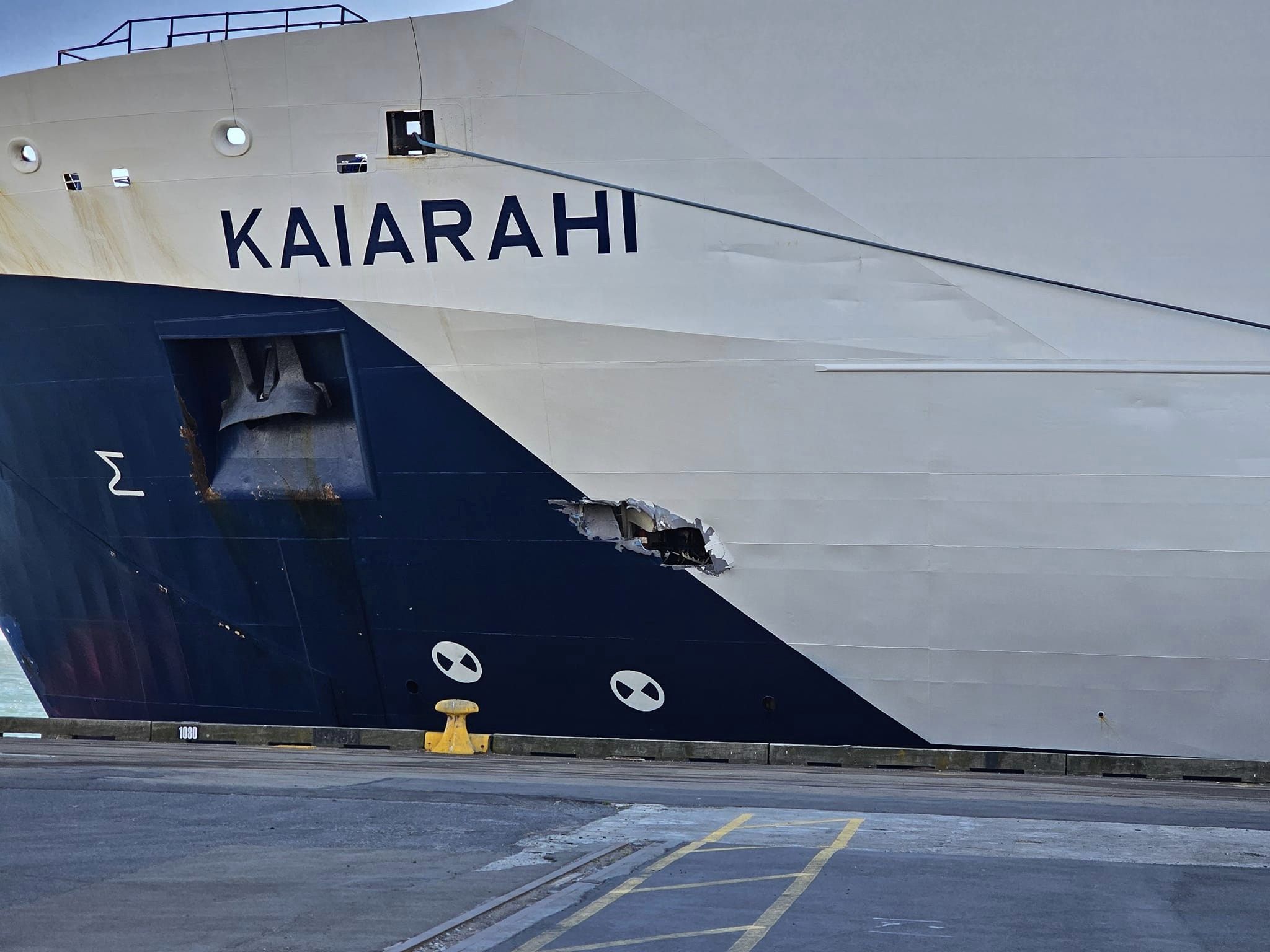
In November last year, sailings for Kaiarahi were cancelled after a large hole was ripped in the hull of the boat.
Wellington harbourmaster Grant Nalder said at the time the hole above the waterline in the Interislander ferry looked “quite dramatic”.
“You can actually see through to the other side of the ship.”
The general manager of Interislander operations, Duncan Roy, told NZME the damage occurred when the ship came into berth on November 12.
“Kaiarahi came into contact with a fender on the wharf and sustained some damage to its hull. Assessment and repairs are being conducted in Wellington immediately,” Roy said after the incident.
In a separate incident, another ferry of the Interislander fleet, the Kaitaki, narrowly avoided disaster after it issued a mayday call with 864 people on board in March last year.
KiwiRail revealed this was caused by a leak in the engine cooling system, which resulted in a loss of pressure.
This was detected by sensors and the engines shut down automatically to protect them from overheating.
Kaiarahi was also “catastrophically” damaged and in need of European specialist assistance when its gearbox failed in August 2021.
New Zealand’s supply chain was put under pressure in September 2021 when two of the ferries needed maintenance at the same time.
Briefings to ministers from the end of 2021 revealed the full extent of the damage to the Kaiarahi, following the failure.
Then KiwiRail chief executive Greg Miller reported in the briefings, released to the Herald under the Official Information Act, that there was significant damage.
“Bearings and gears were catastrophically damaged during the failure. Further, the forces caused by the failure warped the gearbox casing. In order to get access to the gearbox, we needed to remove some utility services and cut through the deck.”
Government denies funding for Cook Strait mega-ferry, project scrapped
Last month the Government declined KiwiRail’s request for an extra $1.47 billion for portside infrastructure needed for Cook Strait’s new mega-ferries.
KiwiRail said it couldn’t proceed without further Government funding and its board would oversee the wind-down of the project and review plans for the vital transport connection.
The state-owned enterprise was replacing its increasingly unreliable and ageing Interislander fleet of three ferries with two new rail-enabled ferries under the Inter-island Resilience Connection project (iReX).
In November 2018, KiwiRail had a business case indicating the preferred option to replace Interislander’s fleet of three ferries was two large rail-enabled ships.
At that time, the estimated cost of the project, including the new ferries themselves and the portside infrastructure, was $775m.
A $551m contract was signed with a South Korean shipyard back in 2021 to build the new ferries. KiwiRail confirmed this contract would be terminated.
The last publicly available cost estimate for the new ferries and the portside infrastructure was $1.45b.
Finance Minister Nicola Willis revealed in December that the cost had doubled.
She said KiwiRail had requested an additional $1.47b, a component of which had been agreed to in-principle by the previous Government, to address cost escalations related to harbourside infrastructure.
Benjamin Plummer is an Auckland-based reporter who covers breaking news. He has worked for the Herald since 2022.