Photos flood in from Monday’s spectacular Southern Lights display
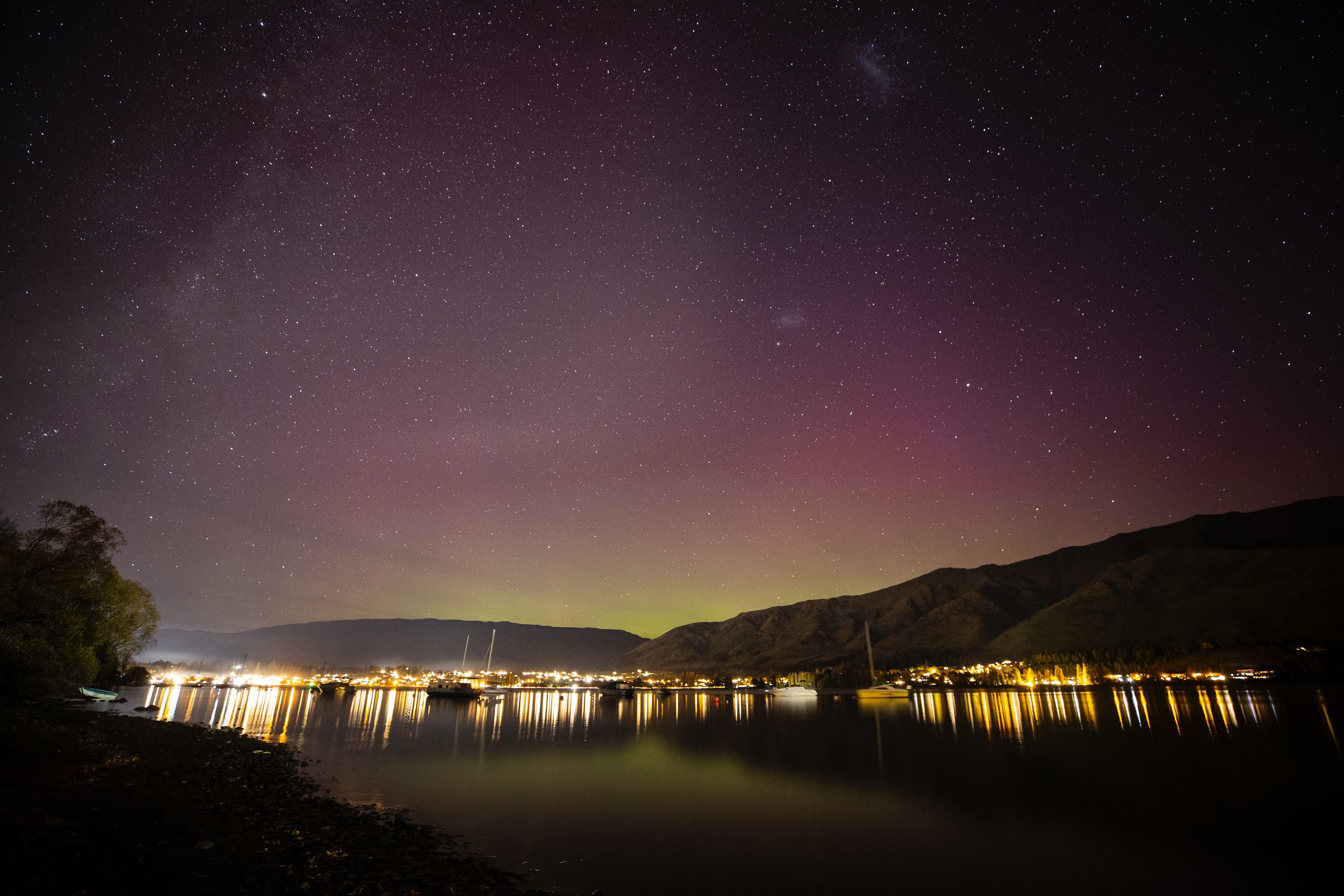
Aurora chasers across the country are buzzing as the beautiful beams of light known as Aurora Australis (Southern Lights) appeared yesterday evening.
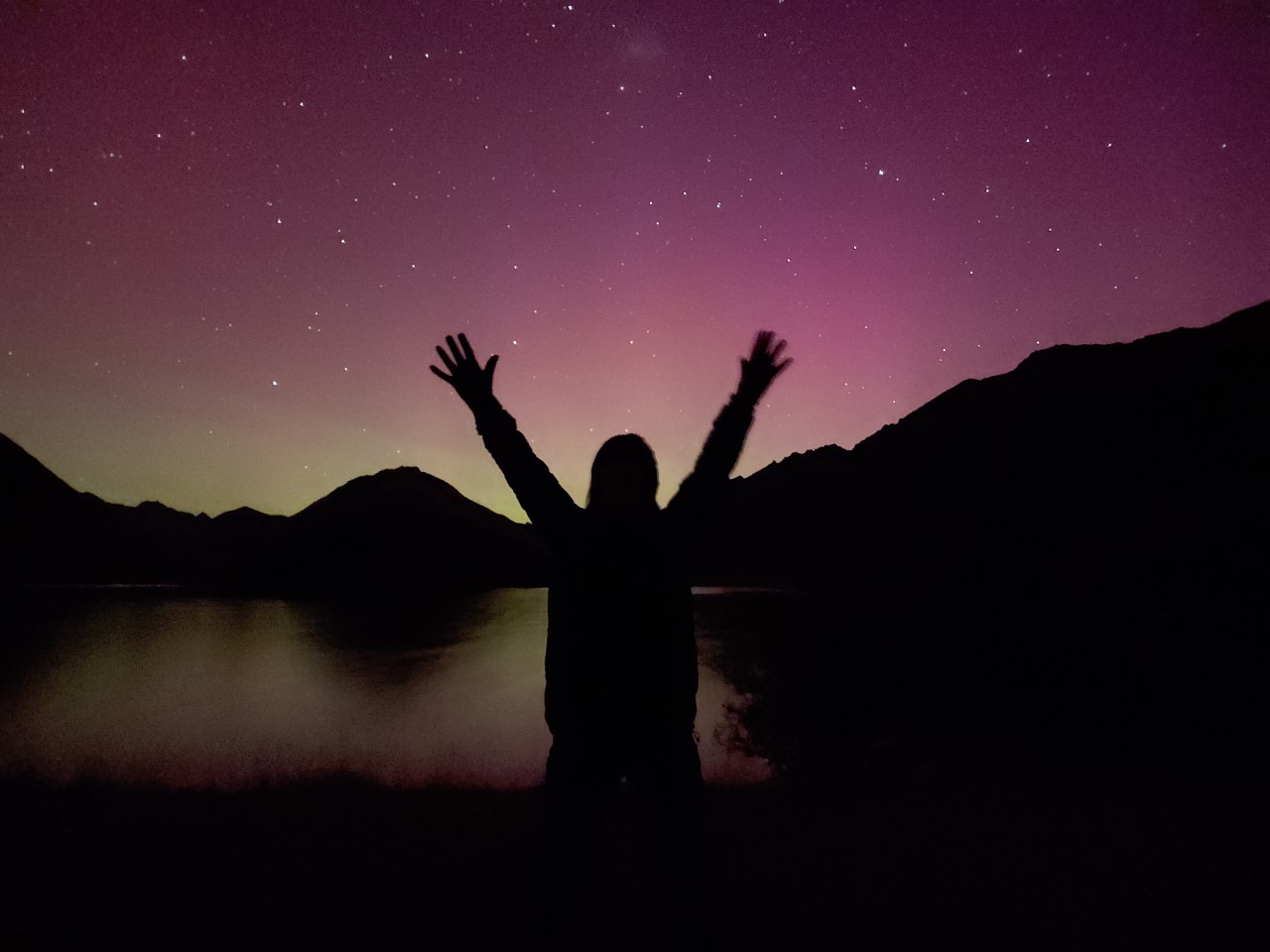
Members of the Aurora Australis (NZ) Facebook page posted their photos as the evening sky turned a purple and pink hue.
The lights have been spotted all over the country, from Bay of Plenty, Hawke’s Bay and Wellington, to all the way down south in Cromwell, Twizel, and Queenstown.
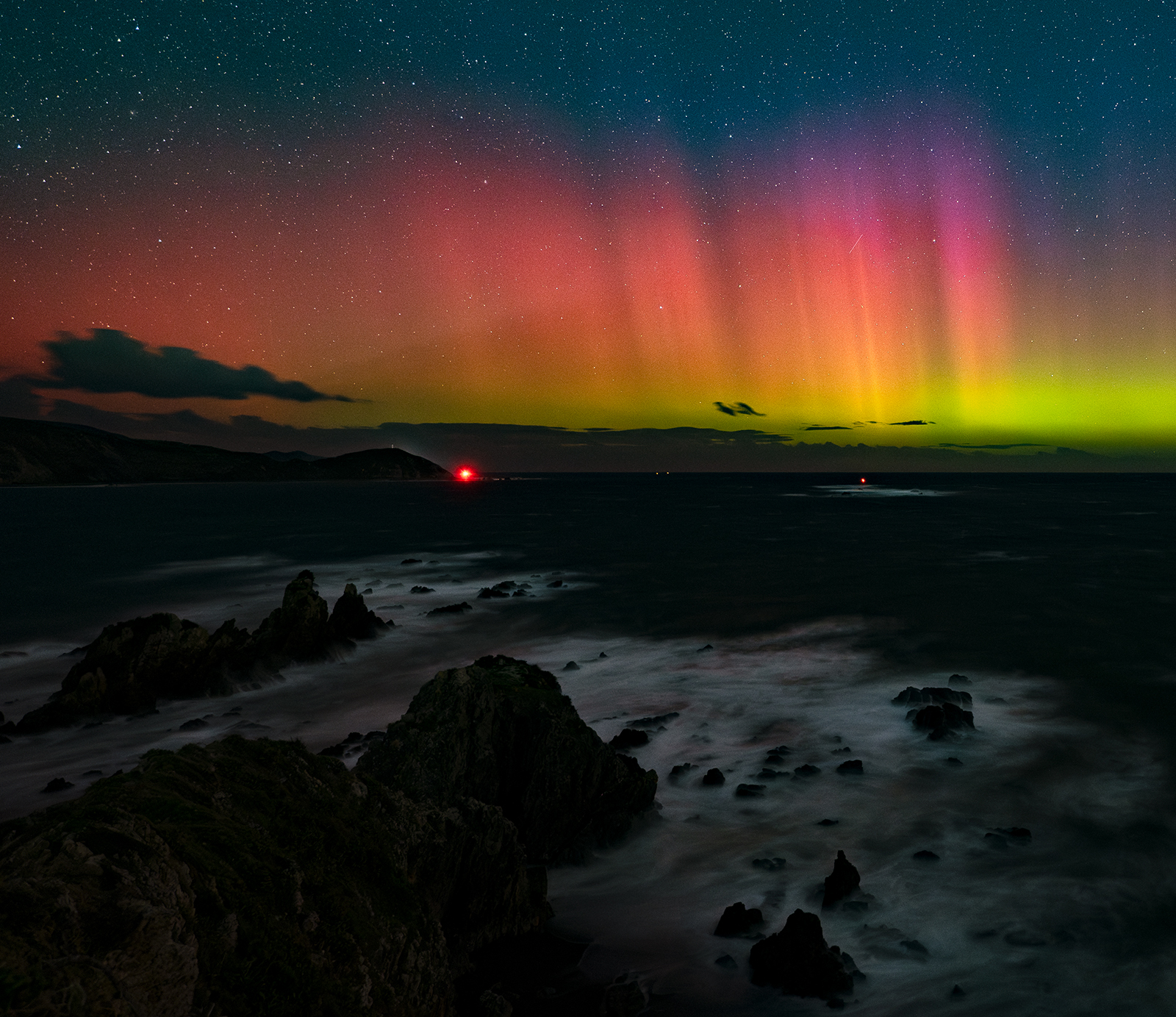
Jonathan Usher captured the light display in Wellington and said the Aurora Australis was “strongly visible”.
“The beams of light were clearly visible to the naked eye, though the camera was also able to capture the colour of the aurora,” Usher said.
Hauraki Gulf weather reported a significant G4 level geomagnetic storm had been under way.
“Currently fluctuating at levels that are like the storm on March 24, so there is a chance of viewing the Aurora Australis from the upper North Island tonight,” Hauraki Gulf Weather tweeted, referencing another storm that caused the display of lights last month.
“Over the Tasman from West Coast is best.”
Both the Aurora Australis and Aurora Borealis have been particularly active following recent solar storms, RNZ reported last month.
Astronomer and Otago Museum director Dr Ian Griffin told the Otago Daily Times last month, during another stunning display, that the solar storms were caused by magnetically driven explosions on the sun that fire material at high speed away from the sun.
“That sounds terribly complicated, but what it is is basically the sun fires material occasionally towards Earth.
“And we’ve had two of those ejections in the last two days.”
Both were travelling between the sun and the Earth at about 800km per second.
When that material hits the Earth’s magnetic field it starts to spiral around it, he said.
When energetically charged particles travelling along the Earth’s magnetic field lines strike the upper atmosphere, the Southern (and Northern) Lights can be observed around the magnetic poles.
These powerful electrons produce light when they strike atmospheric gases.
The phenomenon is known as the Aurora Borealis in the Northern Hemisphere and as Aurora Australis down under.
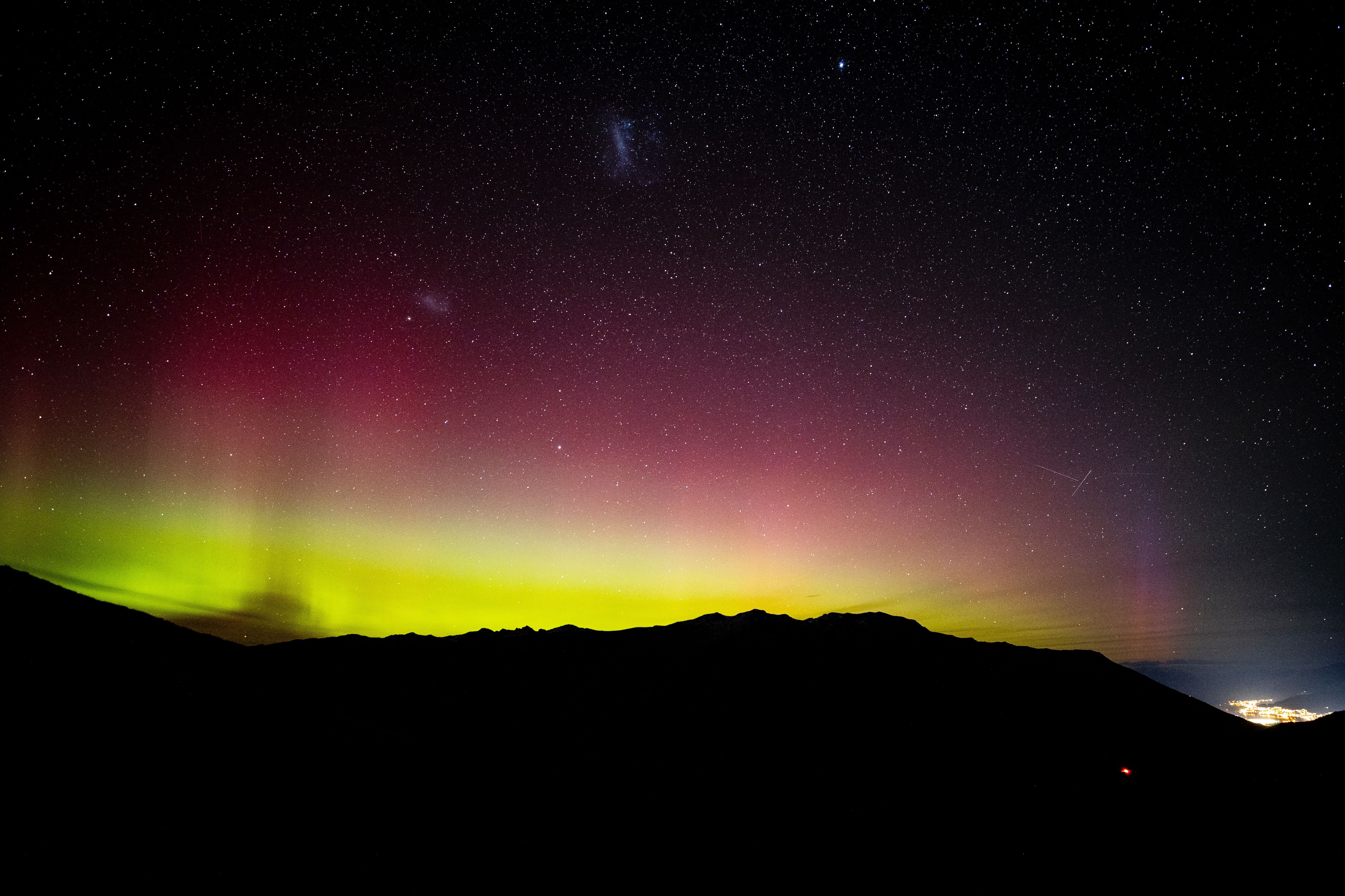
Budding astrophotographers were abuzz on social media, sharing tips on how to capture the display of lights and questioning how far up the country it could be seen.