Northland peanut crop trial shows potential for industry in region
A peanut feasibility study that cost $1.01 million has brought such promising results that Northland could be one step closer to establishing a new industry.
The three-year project was led by Picot Productions and delivered by Northland Inc in partnership with Manaaki Whenua - Landcare Research as well as Plant and Food Research.
Project manager Greg Hall said the results proved there was a future for peanuts on Northland soil.
Despite a washout season in 2022, the following years proved an early success in 2021 wasn’t just a fluke.
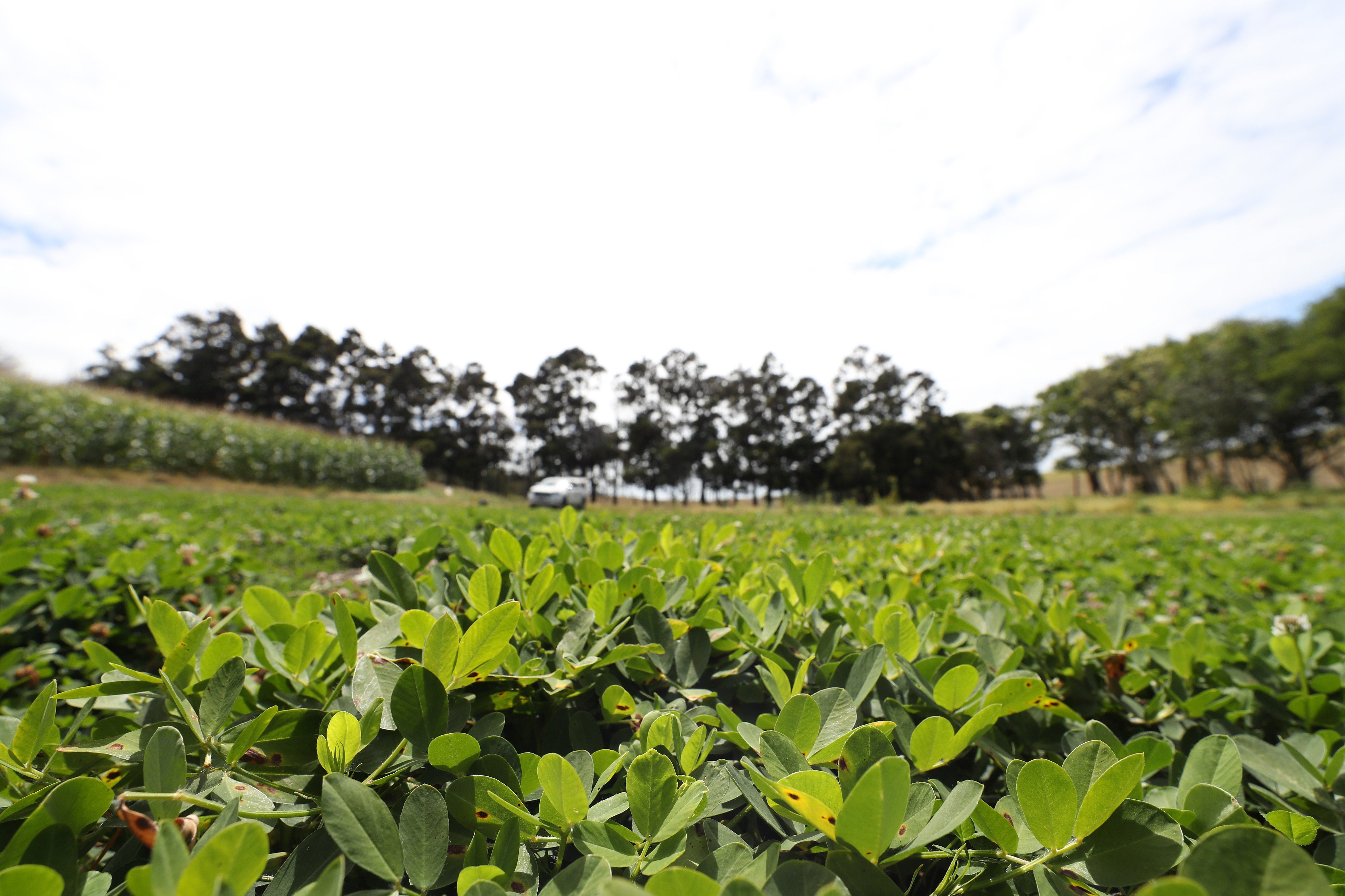
The yield per hectare was higher than expected, averaging between four and six tonnes, Hall said.
“The yield is on par with the likes of Australia, some sites are higher, some sites lower but on average it’s almost on par.”
Another key finding was the nutritional content of peanuts grown in Northland, which were found to have higher protein than imported products.
The Hi Oleic peanuts could be beneficial for crop rotation due to their ability to put nitrogen back into the soil.
The legume’s sustainability was another promising feature because the whole plant can be used.
As a byproduct, the plantsy could also be used as stock food, which is done overseas, Hall said.
One of the most exciting benefits was the replacement of potential imports.
Due to a peanut shortage and import issues last year, many shipments didn’t arrive from overseas.
A homegrown industry would mean less reliance on international trade, Hall said.
The biggest work to establish a full industry would be the processing of peanuts for production.
Processing peanuts into a product could be costly, Hall said.
Raw-shelled products could be a cost-effective avenue.
Over the three-year trial period, the trial cost $1.01m.
“The great thing is that money was bought into the region and spent in the region,” he said.
“We managed to twist a few arms with iwi and farmers, providing land at no cost to the project.”
Hall said having the ability to diversify the land used for the project was one of the reasons the trial yielded such positive results.
“The variety of land across the region was excellent.”
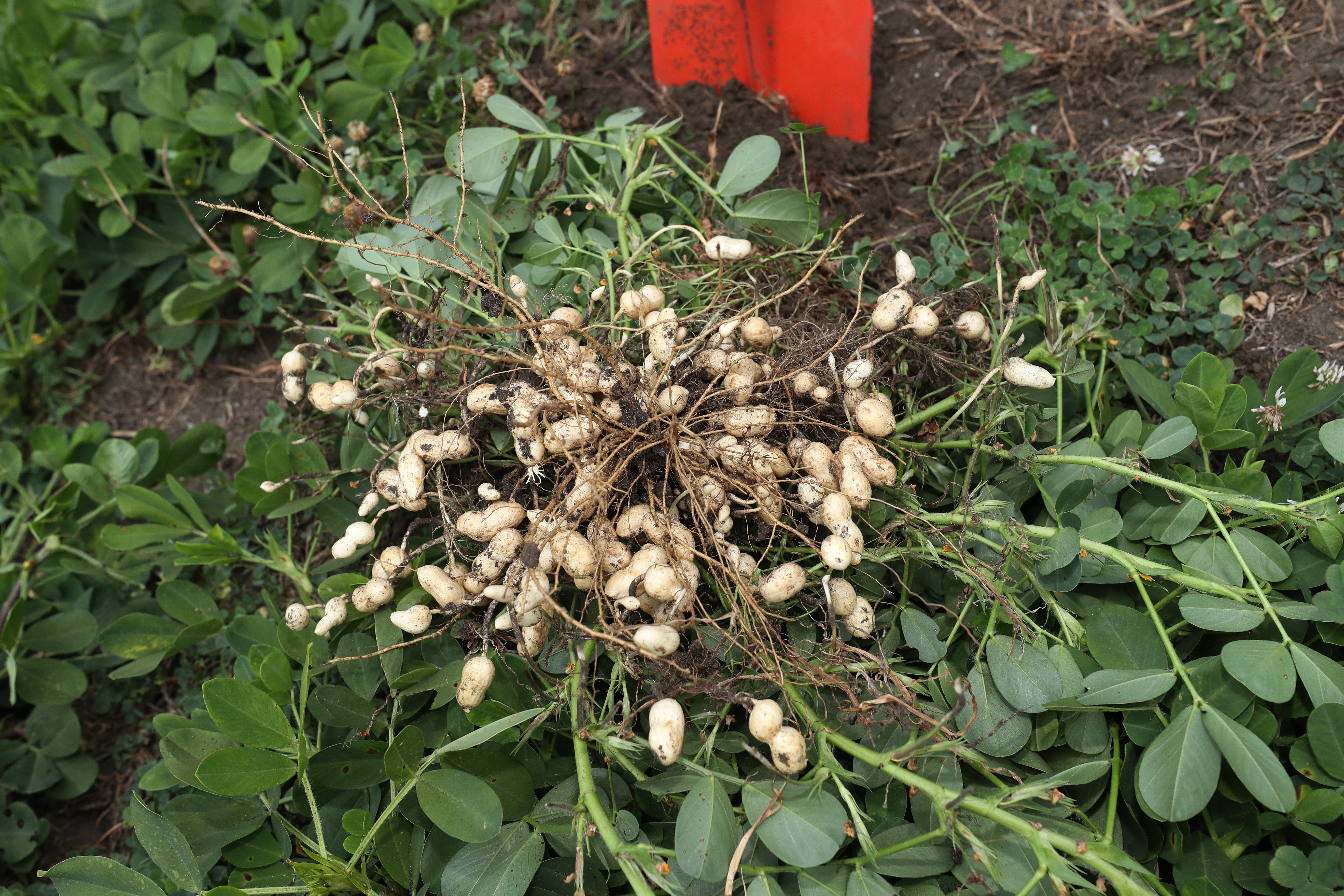
The most successful sites were at Te Kōpuru and Pouto, which Hall put down to rainfall at key times and the ability to irrigate.
Although the trial has concluded, Hall said Northland Inc had partnered with The Foundation for Arable Research (FAR) to operate crop trials, including peanuts.
Three landowners have been secured to participate in the trails.
Negotiations with a peanut producer also led to a commercial arrangement for purchasing crops from growers.
“So in the interim, there is a continuation of peanuts,” Hall said.
Despite living, breathing and dreaming peanuts for the last three years, Hall said he’s feeling “fantastic” about the trial coming to an end.
“Even though we’ve finished the project, we’re supporting the continuation of the work.”
That would include site visits and support for those needing it.
“Because we’ve done it, there is that expertise in the North now.”
Brodie Stone covers crime and emergency for the Northern Advocate. She has spent most of her life in Whangārei and is passionate about delving into issues that matter to Northlanders and beyond.