PM Christopher Luxon discusses Northland’s economic potential with iwi and Māori trusts
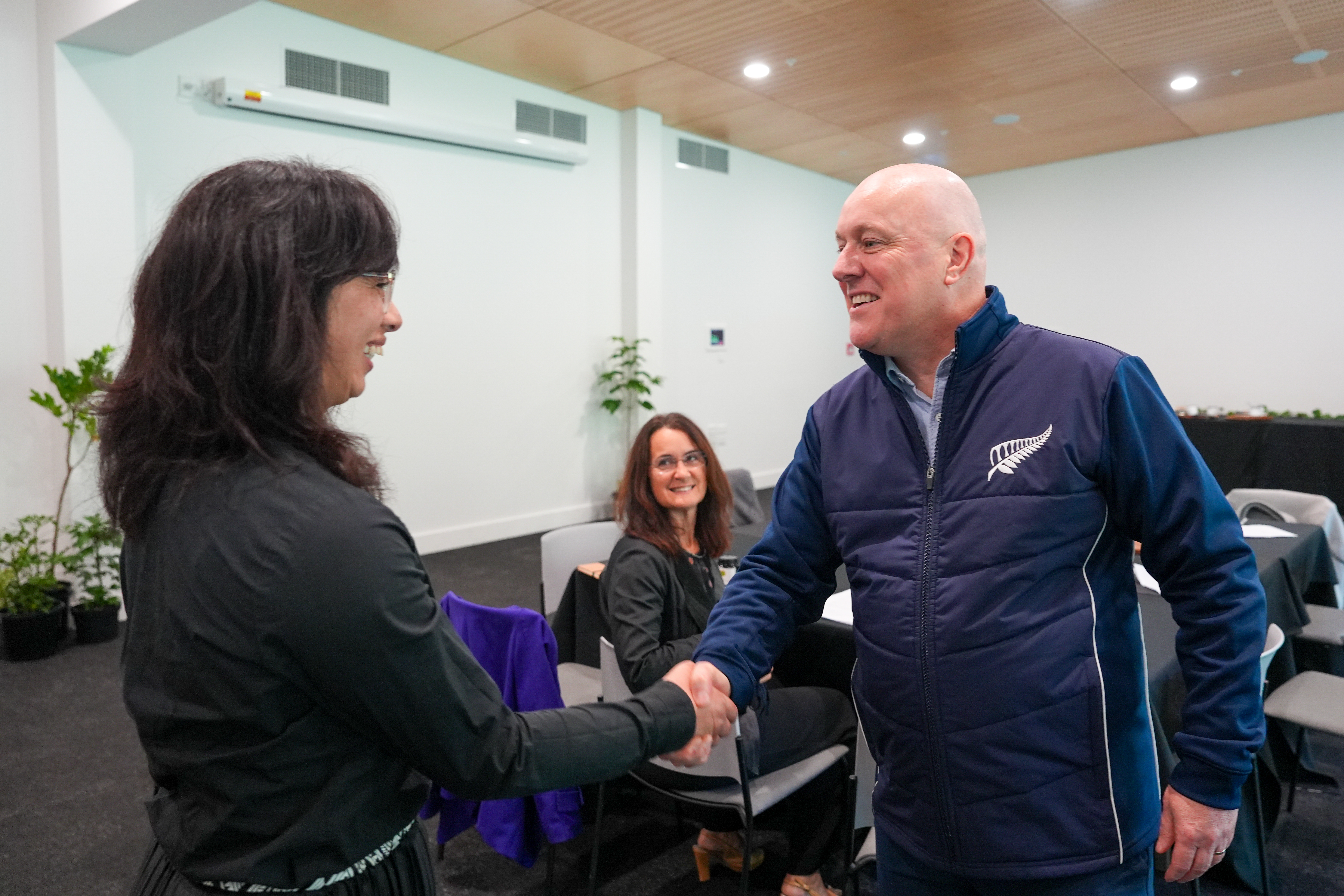
Prime Minister Christopher Luxon met with iwi and Māori trusts in Northland today to discuss further unlocking the region’s economic potential.
Luxon was accompanied by Treaty of Waitangi Negotiations Minister Paul Goldsmith, Māori Crown Relations and Māori Development Minister Tama Potaka, and Northland MP Grant McCallum.
The National politicians met in Waitangi and Kerikeri with the Waitangi National Trust, Mid North Whenua Development, Te Hau Ora o Ngāpuhi & Housing, and Ngāti Hine Forestry Trust.
Luxon said the visit focused on jobs and economic growth.
“Economic growth is the key to prosperity for all New Zealanders – Māori and non-Māori.
“We want a society where all people thrive, where our children and grandchildren can see a future New Zealand.”
That achievement started with a strong economy, Luxon said.
" ... And that is what our Government is focused on."
Luxon said there was a wealth of potential in Northland.
“We need to build on the potential that will be realised by the construction of the Northern Expressway.”
The four-lane expressway between Whangārei and Auckland has been forecast to potentially boost national GDP by $1.2 billion a year by 2050.
However, this assessment has been called into question by an independent report commissioned by the Transport and Infrastructure Select Committee.
While the expressway is still moving through phases, Luxon praised projects already happening in Northland.
He commended the “real determination” of Māori business, which he said had chosen to invest and collaborate while creating jobs despite tough economic conditions.
“The Māori economy is thriving, and we want to do whatever we can to encourage even more economic growth to make people’s lives better, particularly in regions such as Northland,” Luxon said.
Iwi-owned commercial entities were revealed earlier this month to have outperformed some of New Zealand’s largest listed companies.
ANZ’s annual Te Tirohanga Whānui – Iwi Investment Insights report showed iwi- and hapū-owned entities have emerged from the economic downturn in good shape, performing better, on a return-on-assets basis, than some of the country’s largest listed companies in the 2023-24 financial year (companies defined by the NZX as having assets greater than $900 million).
ANZ’s New Zealand head of Māori relationships David Harrison spoke to the NZ Herald about how the Māori economy played a critical role in the country’s finances.
“When the Māori economy grows, it strengthens the whole New Zealand economy – laying the groundwork for long-term sustainability and shared prosperity.“