More than third of Northland dairy farms breaching effluent discharge rules - but that’s an improvement
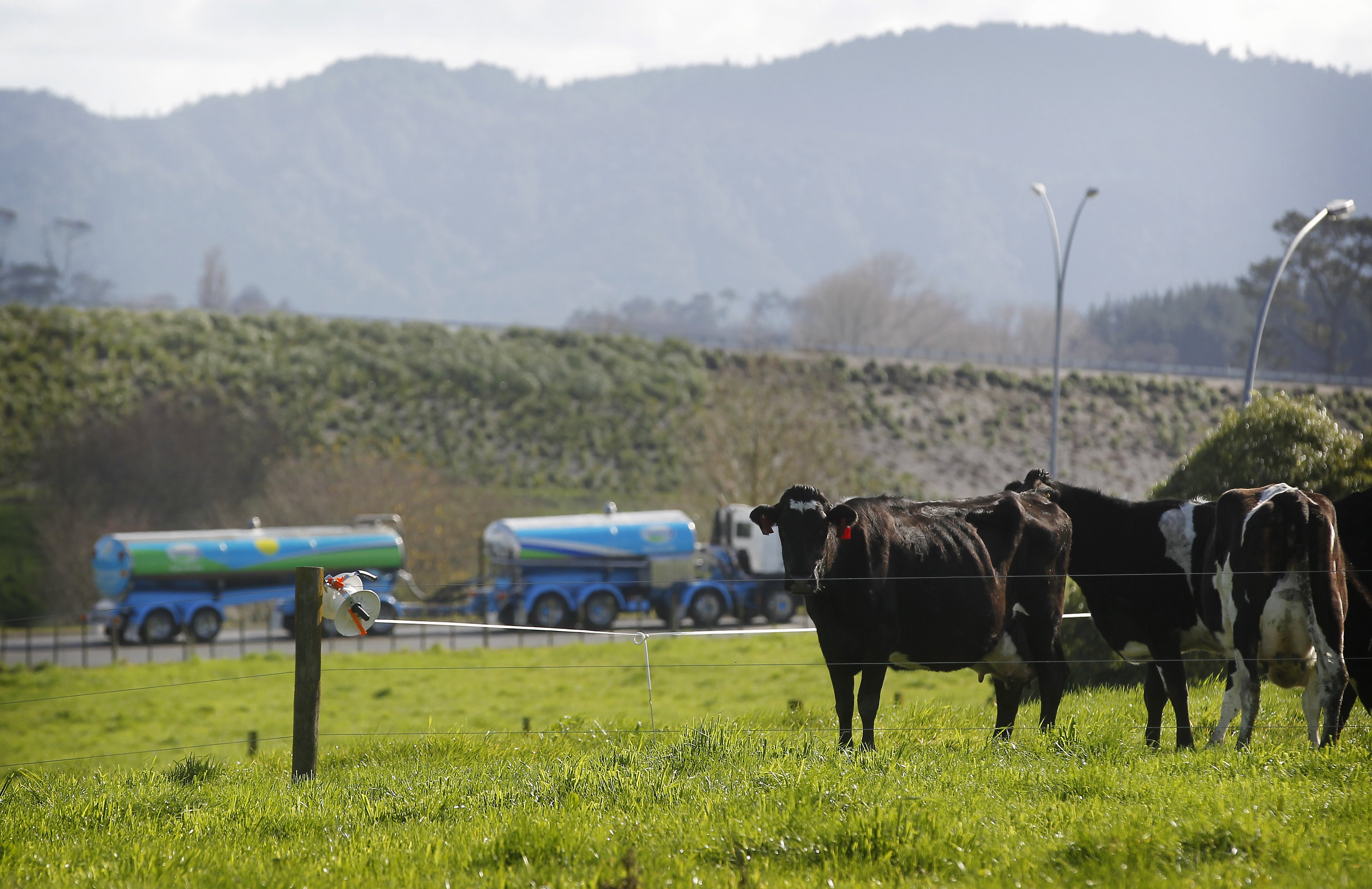
More than a third of Northland dairy farms are not fully compliant with their dairy effluent consents - an increase on the previous 12 months - with 6 per cent having significant non-compliance issues.
However, the long-term trend is for a decline in the numbers breaching consent conditions, according to Northland Regional Council (NRC).
The council’s farm dairy effluent monitors visited 714 farms from July 31 last year to check on discharge. The majority - 547 - were consented farms while 176 were non-consented farms.
Of the consented farms the council found that 65 per cent (353) were fully compliant with their effluent discharge consents - down from 70 per cent in the previous 12 months - with 29 per cent having moderate non-compliance issues, up from 2022′s 24 per cent.
The annual monitoring also found that 6 per cent of the farms visited - 33 - had significant non-compliance issues, the same as the previous monitoring results.
Of the non-consented farms, 80 per cent were fully compliant (up from 72 per cent the previous year), 12 per cent had moderate non-compliance (down from 17 per cent), while 8 per cent (14) had significant non-compliance issues, down from 11 per cent previously. The overall significant non-compliance rate for all the farms was 7 per cent
The council issued three abatement notices and nine infringement notices for dairy farm effluent discharges in 2023.
NRC compliance monitoring manager Tess Dacre said too much shouldn’t be made of a slight differences between years. Overall the rate of significant non-compliance on dairy farms has been improving for the last decade.
Dacre said the council has one current prosecution for farm dairy effluent for alleged offences which occurred in 2021, but no prosecutions have been instigated for the 2022/23 or 2023/24 years.
“We are seeing less adverse effects on the environment from point source farm dairy effluent discharges now than in the past. We have continued to ‘lift the bar’ for compliance and in general the farmers have responded. Farmers are doing a much better job managing their effluent now than in the past,“ she said.
An abatement notice is a directive enforcement tool. It requires the recipient to do/stop doing something, in order to comply with regional rules/resource consent conditions etc. An infringement notice is a punitive enforcement tool which carries a fine. Most infringement notices for farm dairy effluent discharges are a $750 fine.
This is dictated by Resource Management Act (RMA) regulations – not by the council, Dacre said.
In order to increase compliance she said the council sends out monitoring reports to all farms visited. The monitoring report details each non-compliance and what action is required.
“If the farm is significantly non-compliant, then NRC staff will make a follow up visit to discuss what actions are required to bring the farm into compliance. Council also sends out a dairy farmer newsletter annually with information about rules and requirements. The farm monitoring team is available for help for any farmer who requests it.“
Dacre said the council doesn’t make a blanket decision to “increase prosecutions”.
“Each situation is unique and many factors come into the decision-making whether to proceed with a prosecution or not. Council will instigate a prosecution when it is appropriate.“
Issues of non-compliance cover a range of things, including lack of maintenance, broken pipes, a stalled irrigator, or overflowing sump.