Locally rejected Whangārei port expansion plan gets fast-track tick
*This story was updated to correct an earlier mistake, which stated Juliane Chetham is pou hautū (a convener) of Te Pouwhenua o Tiakiriri Kūkupa Trust and that it was the operational arm of Patuharakeke hapū. That was incorrect. Chetham is pou hautu of Te Pou Taiao o Patuharakeke Te Iwi Trust.
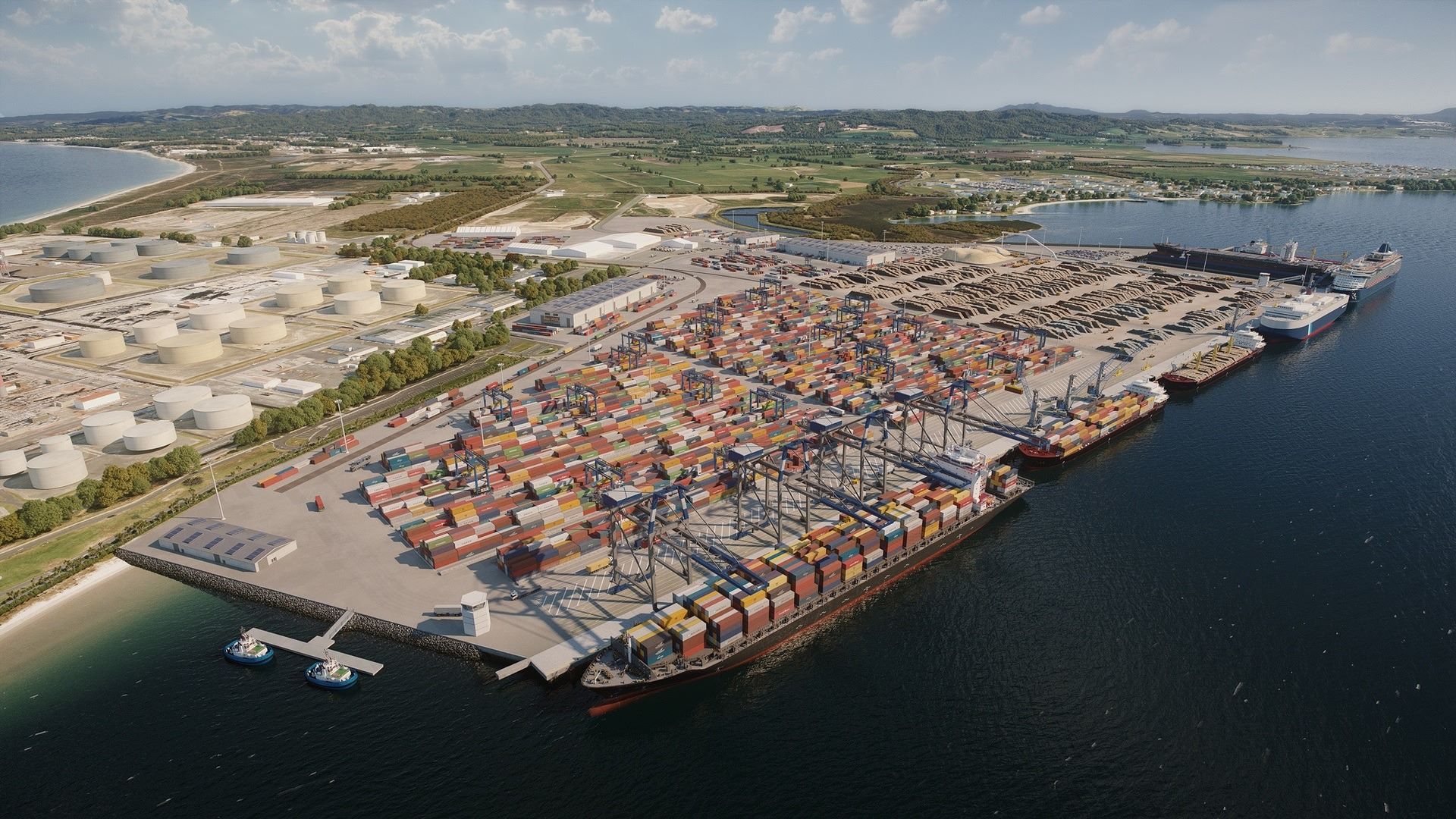
Eleven major infrastructure projects announced for Northland under the Government’s contentious fast-tracking law include a huge port expansion previously refused a Resource Management Act consent.
Regional Development Minister Shane Jones says that and other interlinked roading and rail projects will provide the infrastructure Northland needs for economic growth, but local Māori environmental advocate Julianne Chetham says the port proposal is only a landbanking exercise for which port company Northport had already applied for a decades-long lapse period.
The Northland projects were among 149 nationally that look set to go ahead if the Fast-track Approvals Bill were passed into law this year.
Jones (Te Aupōuri and Ngāi Takoto) was one of a group of ministers to choose which of the independently recommended projects would get the final go-ahead. He said he had recused himself from decision-making around projects “where I felt there may be an iwi connection”.
The capital value of the Northland projects was huge, Jones said. Amassing the capital Northland sorely needed required a high level of confidence and legal certainty that projects could proceed. The genius of the Fast-track Approvals Bill was its one-stop-shop nature where numerous statutes were conflated so that applicants could get an overarching consent to provide investors with that confidence and certainty.
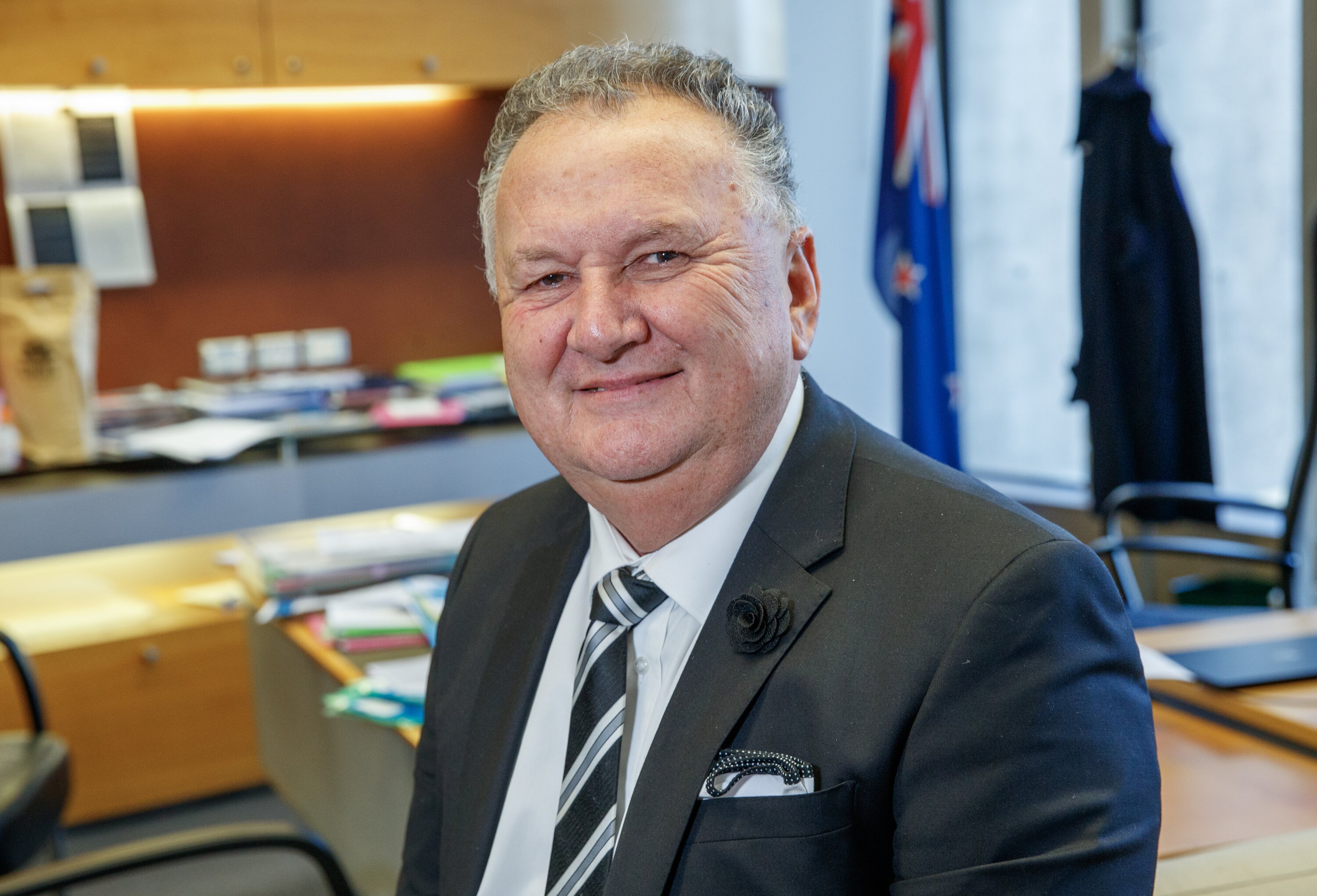
The string of wharf, rail and road projects approved for Northland, along with a heavy rail project from Auckland’s Avondale to Onehunga, would not only benefit freight movements in and out of the region, but would make Northport a better-connected possible alternative to Port of Auckland, Jones said.
Some of those projects, such as the much-anticipated replacement route for the Brynderwyns, would undoubtedly be applauded. But others had already proved controversial. Northport’s multimillion-dollar proposal to expand Whangārei port for a high-density container facility was rejected for Resource Management Act consent in July, this year, due to the scale of proposed land reclamation — an area about the size of 17 football fields to extend out into the Whangārei Harbour entrance.
Northport has since appealed the decision in the Environment Court, albeit the case will be redundant if the Fast-track Approvals Bill becomes law.
Whangārei District Mayor Vince Cocurullo shares the minister’s enthusiasm for the projects, which Cocurullo said would make a huge difference to the economy in Northland and create significant employment opportunities. He noted it was a panel of independent commissioners employed by the two councils that previously rejected Northport’s RMA application — not the councils themselves.
Northland Regional Council CEO Jonathan Gibbard said the council was “generally supportive of the intent behind the bill as part of a modern resource management system and agrees with the need to streamline regulatory processes in some cases to unlock New Zealand’s potential”.
Jones urged Northlanders — especially iwi and hapū — to seize the opportunity the new infrastructure would create for their economic wellbeing.
“This is unalloyed economic growth legislation and I want the hapū to place more accent on jobs and wellbeing and economic security for the whānau than these fanciful concerns about rare skinks, frogs and whelks at the base of the mangrove tree.”
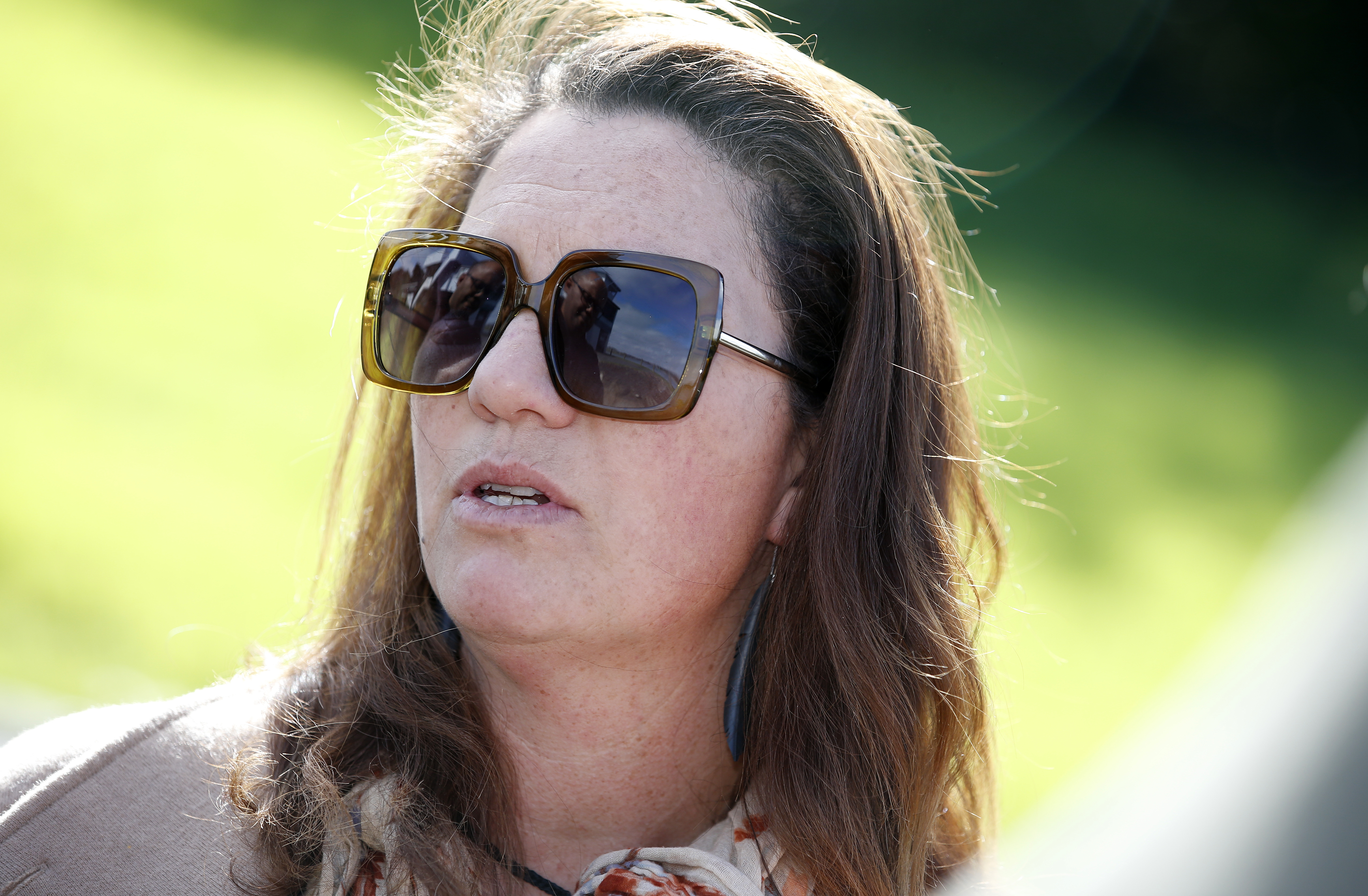
Chetham is pou hautū (a convener) of Te Pou Taiao o Patuharakeke Te iwi Trust, which has been active in strongly opposing Northport’s application. She is an independent consultant with a background in geography and marine science and 20 years’ experience in resource management planning and policy, specialising in Treaty of Waitangi and kaupapa Māori matters.
In her view, the Fast-track Approvals Bill was a gross breach of Te Tiriti o Waitangi and would potentially enable things to occur that hadn’t been adequately assessed and hadn’t had adequate mitigations and remedies put in place before they happened, Chetham said.
“I think it’s a really retrograde, stupid step.
People only needed to scratch the surface of Northport’s proposal to see it wasn’t necessarily “fast-tracking” at all, but a landbanking exercise — as were a lot of the projects on the Northland list, she said.
Northport’s proposal was really only “landbanking a last portion of the takutai moana (foreshore and seabed) at Marsden Point for the future and disenabling us in our restorative activities that we’re trying to do there,” Chetham said.
She claimed Northport had applied for a 30-year lapse date and had no intention of building the port expansion for a couple of decades. She questioned therefore how approval of the project would help with the hapū's economic growth in the interim. She also claimed the port company had held consent for a fourth berth since about 2004, but had never exercised it.
Chetham said the hapū (at Marsden Point) had been hearing about economic benefits to it of various projects — the oil refinery then power stations — since the 1960s. Yet there hadn’t been any trickle-down economic benefit.
“And when you don’t have a [Treaty] settlement how can you invest in anything anyway, so we want to invest in our tamariki and mokopuna that they’ve actually got a clean harbour and they can still get kaimoana and connect to these important places.
“The context of looking at rare frogs and things like that kind of glosses over a lot of these really existential matters for hapū and iwi that are about our identity. So that’s a gross simplification when he [Jones] puts it like that.”
Jones said it was wrong to see the project as a devious ploy to gain land. Major infrastructure projects required “a lengthy runway” for planning and often needed the option for incremental development, as was the case with the 2004 consent for the berth expansion. Part of the allowable berth was built in 2006-07. Northport’s board was considering the business case for the next phase.
Jones noted that under the RMA consenting pathway, it had taken Northport 10 years to even reach the refusal and appeal stages of its application to extend the container terminal.
He said his message for Patuharakeke was — as it would be to any hapū in Te Tai Tokerau: “Do not swim in political waters too deep for your own wellbeing”.
“There’s an inordinately long coastline from Mangawhai to the entrance of Whangārei Harbour and I’m astonished about the level of rhetoric energy and faux angst and concern being dedicated to a pimple on the coastline in an area that’s long since been compromised.
“We have had infrastructure at Marsden Point for the entirety of my lifetime and I think that it’s a gross misallocation of time and energy to pretend that somehow that particular location has the pristine beauty of Fiordland. These are areas that a long time ago earlier generations of Northlanders made a decision [that] we’re going to have an internationally competitive port on the outskirts of Whangārei.
“What we are doing is turbocharging the capacity of that infrastructure to serve the future needs of Northland.”